Obere Burg
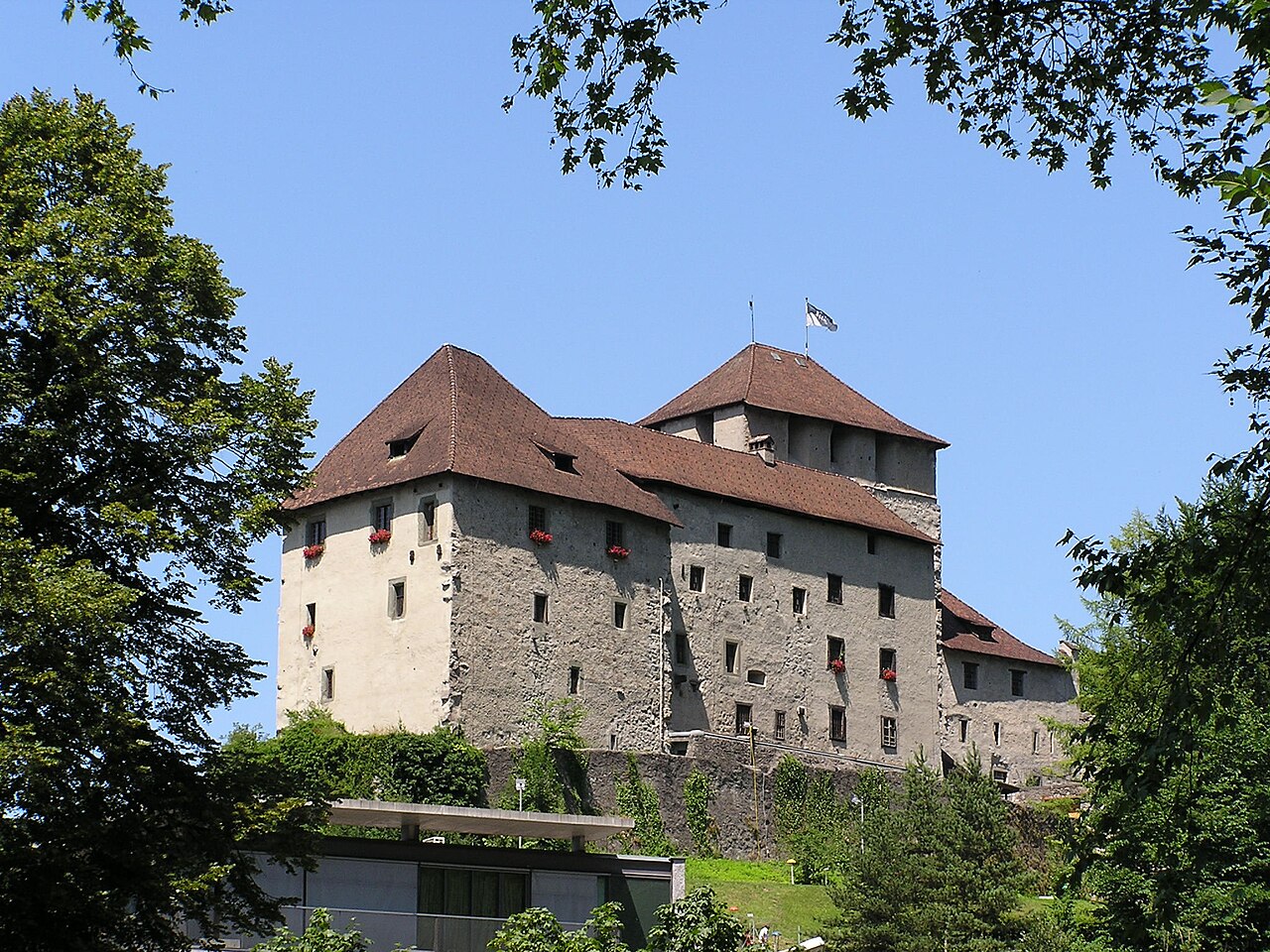
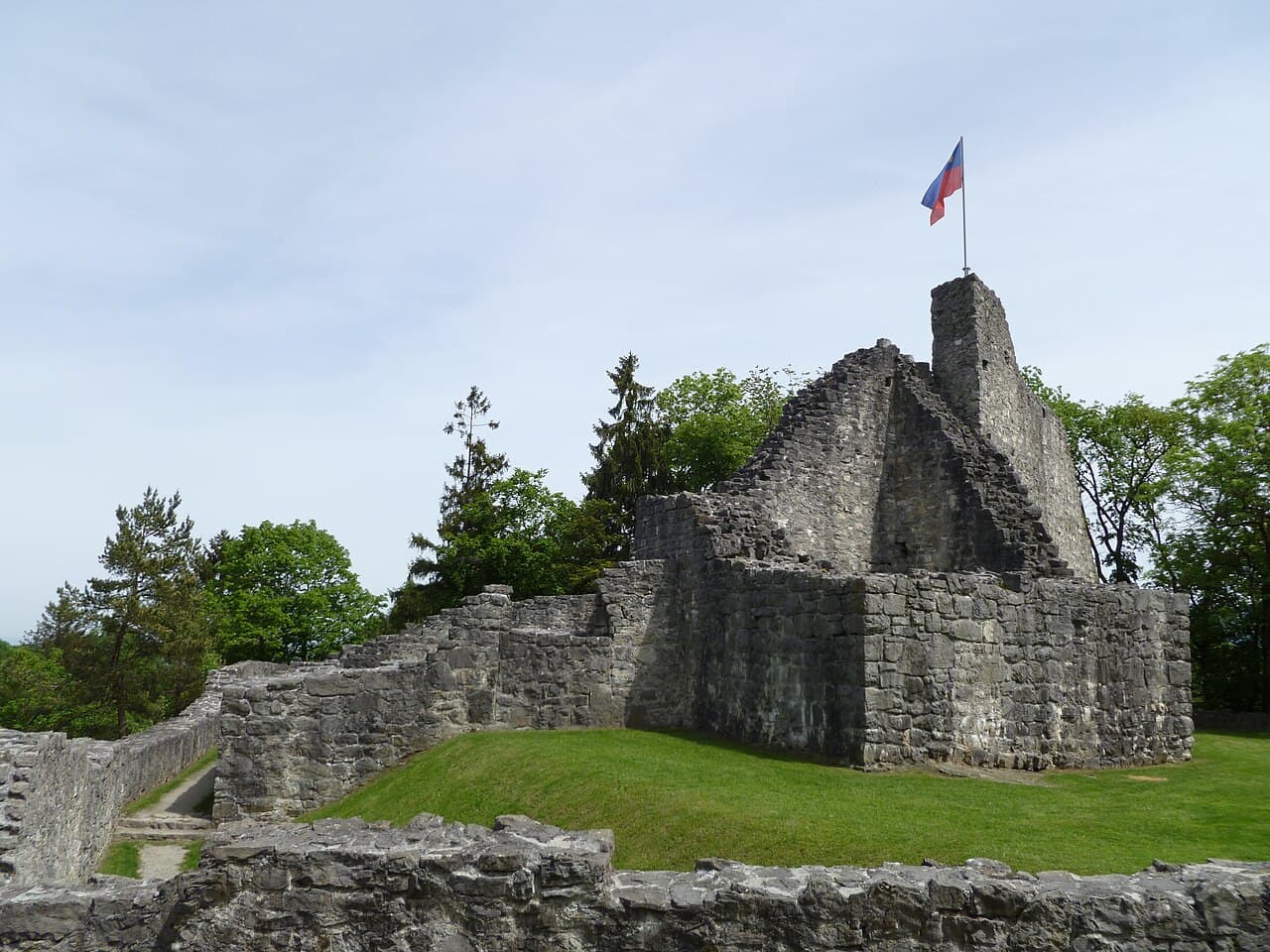
Obere Burg, also known as Burg Neu-Schellenberg, stands as the larger and older of the two medieval castle ruins in the municipality of Schellenberg, Liechtenstein. Its construction was completed around 1200, placing it firmly in the high medieval period. This imposing fortress is a significant relic of the region's medieval heritage and offers valuable insights into the defensive architecture and feudal history of the principality.
The historical significance of obere burg
The castle's earliest recorded mention dates back to 10 January 1348, confirming its existence and importance during the Middle Ages. It is believed that the castle served as a noble residence and a strategic military stronghold within the region. Inhabited until approximately the 16th century, Obere Burg was eventually abandoned as advances in military technology and changing political circumstances rendered such fortifications less critical. Over subsequent centuries, the castle lost its military function and gradually fell into ruin.
Architectural features and layout
Obere Burg exemplifies typical high medieval castle architecture with its robust stone walls and defensive structures. Although now a ruin, the remnants reveal a complex layout that likely included a keep or donjon, curtain walls, battlements, and various residential and service buildings arranged within a fortified enclosure. The castle's elevated position at the western edge of Hinterschloss provided commanding views of the surrounding landscape, enhancing its defensive capabilities.
Defensive elements
The castle's design prioritized defense, with thick walls and limited access points to deter attackers. While detailed records of its fortifications are sparse, typical features of castles from this period include arrow slits, a gatehouse, and possibly a moat or ditch to impede invaders. The strategic location on a hill or elevated terrain is characteristic of a hill castle, which maximizes natural defenses.
Ownership and preservation
In 1956, the castle ruin, then heavily overgrown, was transferred by Franz Joseph II, Prince of Liechtenstein, to the Historical Association of the Principality of Liechtenstein. This organization currently owns and manages the site, overseeing ongoing research, conservation, and maintenance efforts to preserve the castle's remains. Their stewardship ensures that Obere Burg remains accessible and informative for visitors and scholars alike.
Visitor information and accessibility
Located within easy reach of the village of Neu-Schellenberg, Obere Burg is the most accessible of Liechtenstein's castles due to its proximity to the burrough of Hinterschloss. The site is freely open to tourists year-round, allowing visitors to explore the ruins and appreciate the castle's historical ambiance without entry fees. Its open access encourages educational visits and cultural tourism, contributing to the local heritage appreciation.
Obere Burg in the context of Liechtenstein's castles
Obere Burg is one of only five castles in Liechtenstein, and among the three that are preserved as ruins. Its size and historical depth make it a key monument for understanding the medieval period in this alpine principality. The castle's ruins stand as a testament to the region's feudal past and its architectural evolution through the centuries.
Nearby castles and regional heritage
Alongside Obere Burg, the region hosts other castles that collectively illustrate the defensive and residential strategies of the medieval nobility in Liechtenstein. These sites contribute to a broader narrative of regional history and attract visitors interested in medieval architecture and history.
Frequently asked questions (FAQ)
- How do I get to Obere Burg?
- Obere Burg is located in Neu-Schellenberg, Liechtenstein, and can be accessed by car or public transport. If you are traveling by car, follow the main roads leading to Neu-Schellenberg, and there is parking available nearby. For those using public transport, check local bus schedules for routes that connect to the village.
- What is the historical significance of Obere Burg?
- Obere Burg is a significant historical landmark in Liechtenstein, dating back to the 13th century. It served as a fortress and residence for noble families and played a crucial role in the region's defense. The castle reflects the feudal architecture of its time and offers insight into the medieval history of the area.
- When was Obere Burg built?
- Obere Burg was constructed in the early 13th century, making it one of the oldest structures in the region. The castle has undergone various renovations over the centuries, preserving its historical charm while adapting to modern needs. Its long history adds to its allure for visitors interested in medieval architecture.
- Can I take photographs inside Obere Burg?
- Yes, visitors are welcome to take photographs inside Obere Burg, but it's essential to respect any specific guidelines provided by the staff. Some areas may have restrictions to protect artifacts and the integrity of the castle. Be sure to ask if you're unsure about any photography policies during your visit.
- Why is Obere Burg a popular tourist destination?
- Obere Burg attracts visitors for its rich history, stunning architecture, and picturesque views of the surrounding landscape. The castle offers guided tours that delve into its historical significance and architectural features. Additionally, it serves as a cultural venue for events, making it a vibrant part of the local community.
- Is it possible to visit Obere Burg year-round?
- Yes, Obere Burg is open to visitors year-round, though opening hours may vary seasonally. It's best to check the official website or local tourist information for the most up-to-date information on visiting hours. This allows you to plan your visit according to your schedule.
- What are the ticket prices for Obere Burg?
- Ticket prices for Obere Burg are typically affordable, making it accessible for a variety of budgets. Discounts may be available for students, seniors, and families, so be sure to inquire about any special rates at the entrance. Keep an eye on the castle's website for any promotions or special events that might affect pricing.
- What is the best time to visit Obere Burg?
- The best time to visit Obere Burg is during the spring and fall when the weather is mild, and the surrounding landscape is particularly beautiful. Summer can also be a great time, but it tends to attract more tourists. Visiting during weekdays may provide a quieter experience, allowing for better exploration of the castle.
- Are there any nearby attractions to Obere Burg?
- Yes, there are several nearby attractions that complement a visit to Obere Burg. The charming village of Neu-Schellenberg offers picturesque streets and local shops, while nearby hiking trails provide stunning views of the Alps. Additionally, consider visiting other historic sites in Liechtenstein to enrich your cultural experience.
Photo gallery

Information
Current owner
Historical Association of the Principality of Liechtenstein
Loading map...
Visitor reviews
No reviews yet. Been here? Write the first review and help other travelers!
Write the first reviewVisited this castle? Share your experience
Your review helps other travelers and adds first-hand knowledge to our encyclopedia.