Schilteck Castle
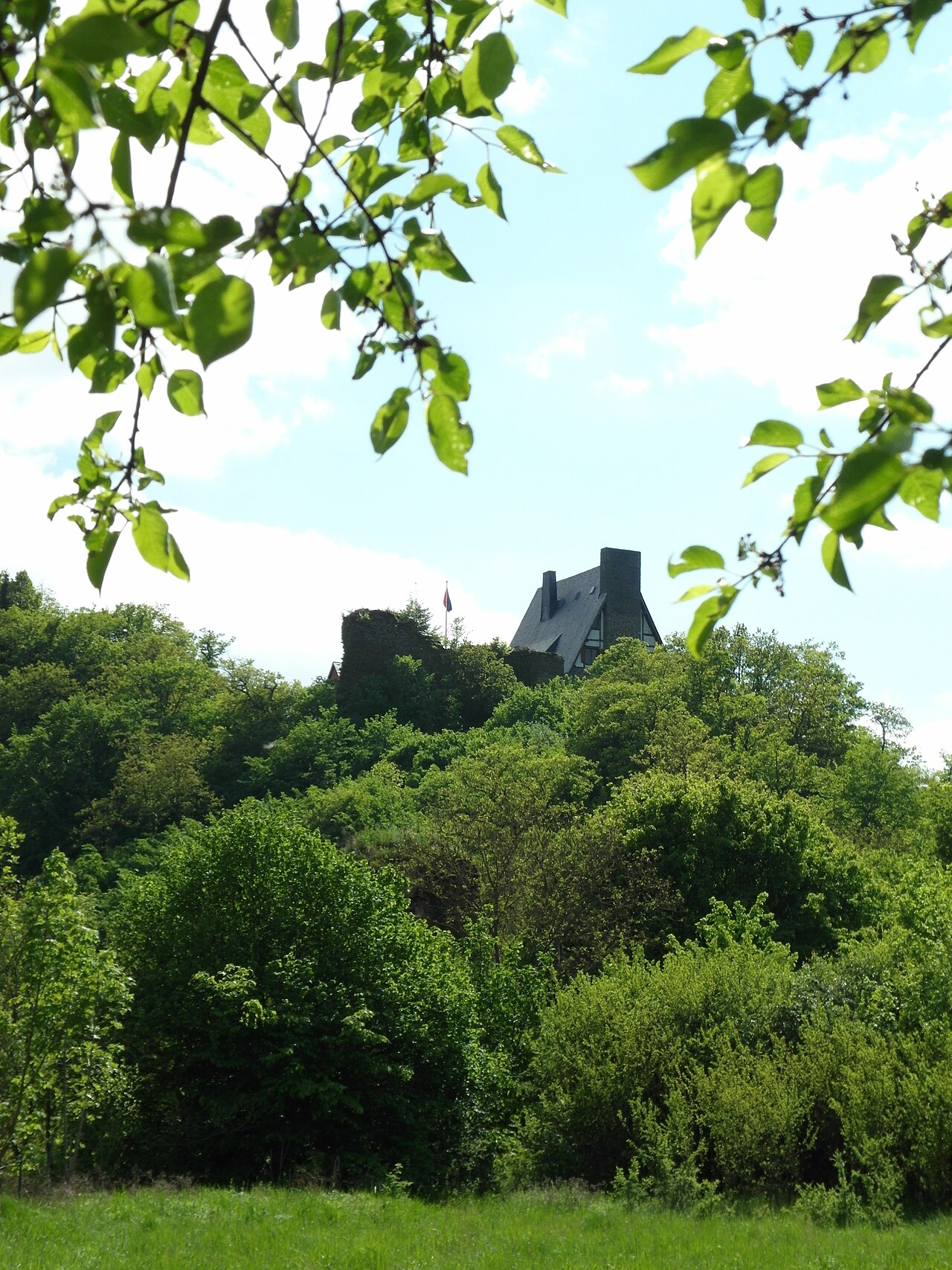
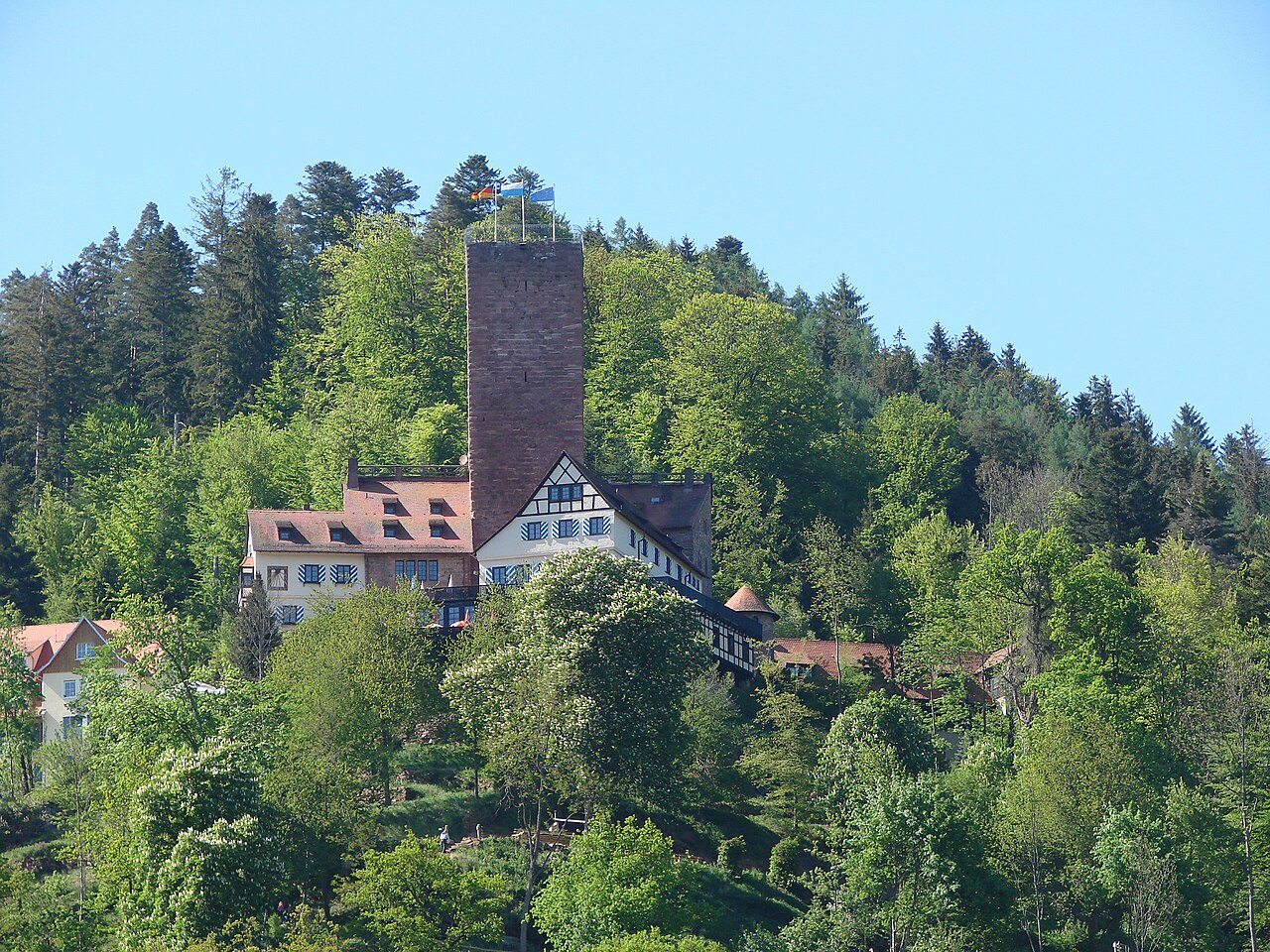
Schilteck Castle stands as a remarkable example of a medieval fortress nestled within the scenic Black Forest region of Baden-Württemberg, Germany. Originally constructed in the 13th century, this hill castle was strategically positioned to oversee and control the surrounding landscape, particularly the Nagold valley. Its elevated location provided a commanding view which was vital for defense and surveillance during the medieval period.
Historical significance and early origins
The castle's origins trace back to the High Medieval period, a time when the construction of hill castles was prevalent across Germany to assert territorial control and protect trade routes. Schilteck Castle was likely built by local nobility or feudal lords aiming to secure their holdings and influence in the region. Throughout its history, the castle witnessed various ownership changes, reflecting the shifting political landscape of Baden-Württemberg.
Architectural features and design
Schilteck Castle exemplifies typical medieval hill castle architecture with defensive elements adapted to its terrain. The castle originally included stone curtain walls that enclosed the inner courtyard, providing protection against invaders. Key architectural components likely comprised a keep or donjon, serving as the main stronghold and residence, alongside gatehouses and battlements for defense.
Although much of the original structure was lost due to a devastating fire in 1814, archaeological evidence and restoration efforts have helped to reconstruct parts of the castle, preserving its medieval character. The castle's layout takes advantage of the natural topography, with steep slopes enhancing its defensive capabilities.
Destruction and restoration
The fire in 1814 severely damaged Schilteck Castle, leaving it in ruins for over 150 years. It was not until the late 20th century, beginning in 1980, that significant restoration work commenced. This restoration aimed to stabilize the remaining structures and partially reconstruct the castle to reflect its historical appearance while adapting it for modern use.
Today, Schilteck Castle functions as a youth hostel, welcoming visitors and travelers who seek to experience its historic ambiance and stunning views. The restoration has been sensitive to preserving the castle’s authenticity, ensuring that visitors can appreciate its medieval heritage.
Scenic location and visitor experience
Perched above the Nagold valley, Schilteck Castle offers breathtaking panoramic views of the surrounding Black Forest landscape. The natural beauty of the area enhances the visitor experience, combining cultural heritage with outdoor recreation opportunities.
The castle’s adaptation as a youth hostel makes it a unique destination for travelers interested in history, architecture, and nature. Visitors can explore the castle’s grounds, enjoy the vistas, and learn about its rich past through interpretive materials available on site.
Architectural style and classification
Schilteck Castle is classified as a hill castle, a common type of medieval fortress built on elevated terrain for strategic defense. Its architectural style is predominantly Gothic, reflecting the typical design elements of the High Medieval period in Germany, including pointed arches, robust stone masonry, and fortified walls.
Legacy and cultural importance
As a restored medieval castle, Schilteck Castle serves as a cultural landmark within Baden-Württemberg. It embodies the historical evolution of medieval fortifications and the ongoing efforts to preserve architectural heritage. The castle’s current use as a youth hostel also highlights the adaptive reuse of historic structures, blending past and present in a meaningful way.
Frequently asked questions (FAQ)
- What is the historical significance of Schilteck Castle?
- Schilteck Castle is a remarkable example of medieval architecture that dates back to the 12th century. It played a vital role in regional defense during the feudal era and has been a witness to numerous historical events in Germany.
- When was Schilteck Castle built?
- Construction of Schilteck Castle began in the early 1100s, and it was completed in the late 12th century. Over the centuries, it has undergone various renovations and restorations that reflect different architectural styles.
- How do I get to Schilteck Castle?
- Schilteck Castle is easily accessible by car and public transport. Visitors can take a train to the nearest town and then a short bus ride or taxi to reach the castle.
- What are the opening hours for Schilteck Castle?
- Schilteck Castle is open to visitors from 9 AM to 5 PM, Tuesday through Sunday. It is closed on Mondays and certain public holidays, so be sure to check the website for any updates before your visit.
- Can I buy tickets online for Schilteck Castle?
- Yes, tickets for Schilteck Castle can be purchased online through the official website. This option is recommended to avoid long queues, especially during peak tourist seasons.
- Is it possible to take guided tours of Schilteck Castle?
- Yes, guided tours are available and highly recommended to fully appreciate the castle's history and architecture. These tours provide in-depth information and often include access to areas not open to the general public.
- What is the best time to visit Schilteck Castle?
- The best time to visit Schilteck Castle is during the late spring and early fall when the weather is mild, and the surrounding landscapes are at their most beautiful. These seasons also tend to have fewer tourists compared to summer.
- Are there any nearby attractions to visit along with Schilteck Castle?
- Yes, visitors can explore several nearby attractions, including picturesque villages, hiking trails, and local museums. The region is rich in cultural heritage and offers a variety of experiences for all types of travelers.
- Is Schilteck Castle accessible for visitors with disabilities?
- Schilteck Castle strives to be accessible to all visitors. While certain areas may be challenging due to the castle's historic structure, there are paths and facilities designed to accommodate those with mobility impairments.
Information
Loading map...
Visitor reviews
No reviews yet. Been here? Write the first review and help other travelers!
Write the first reviewVisited this castle? Share your experience
Your review helps other travelers and adds first-hand knowledge to our encyclopedia.