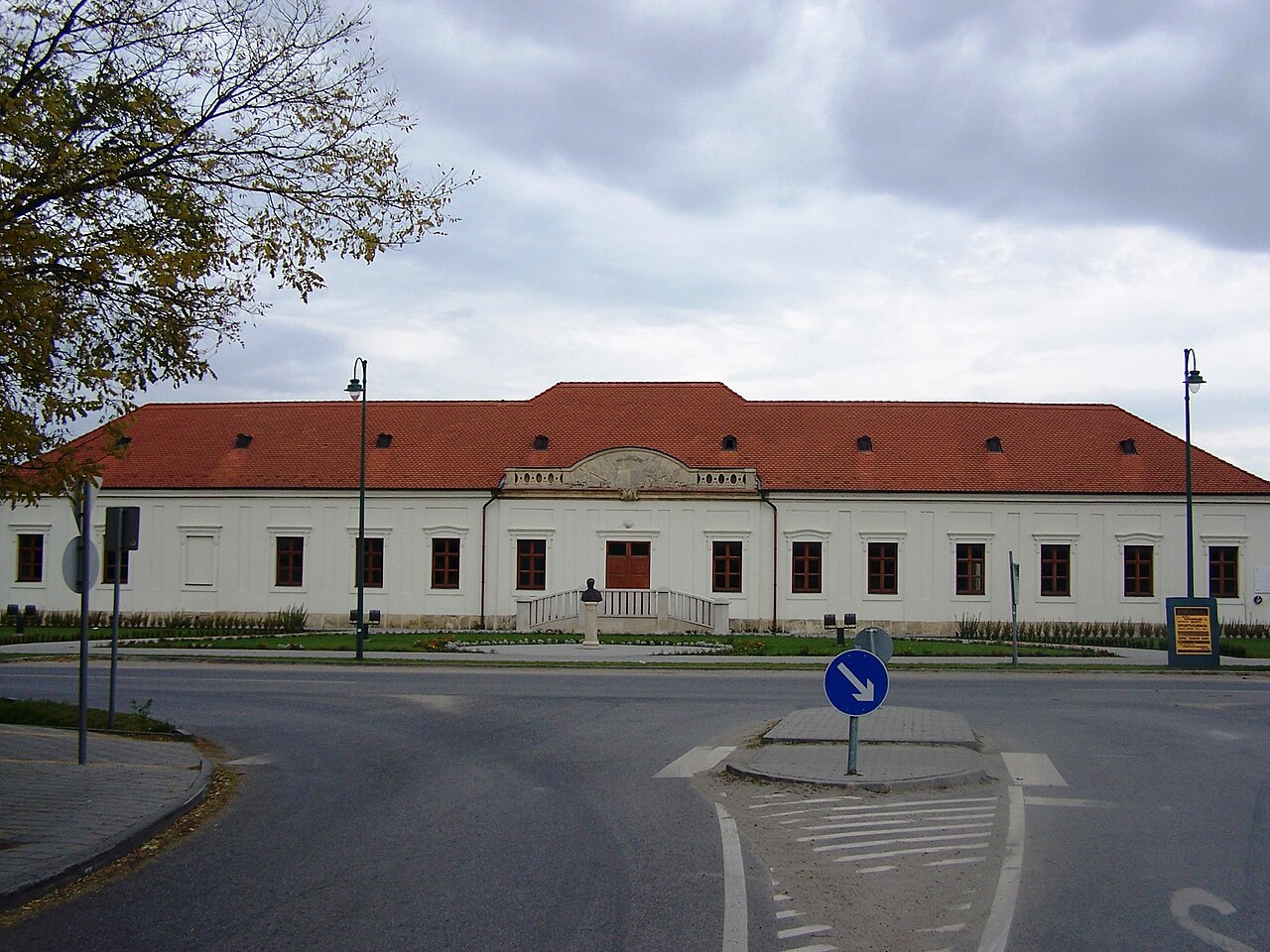
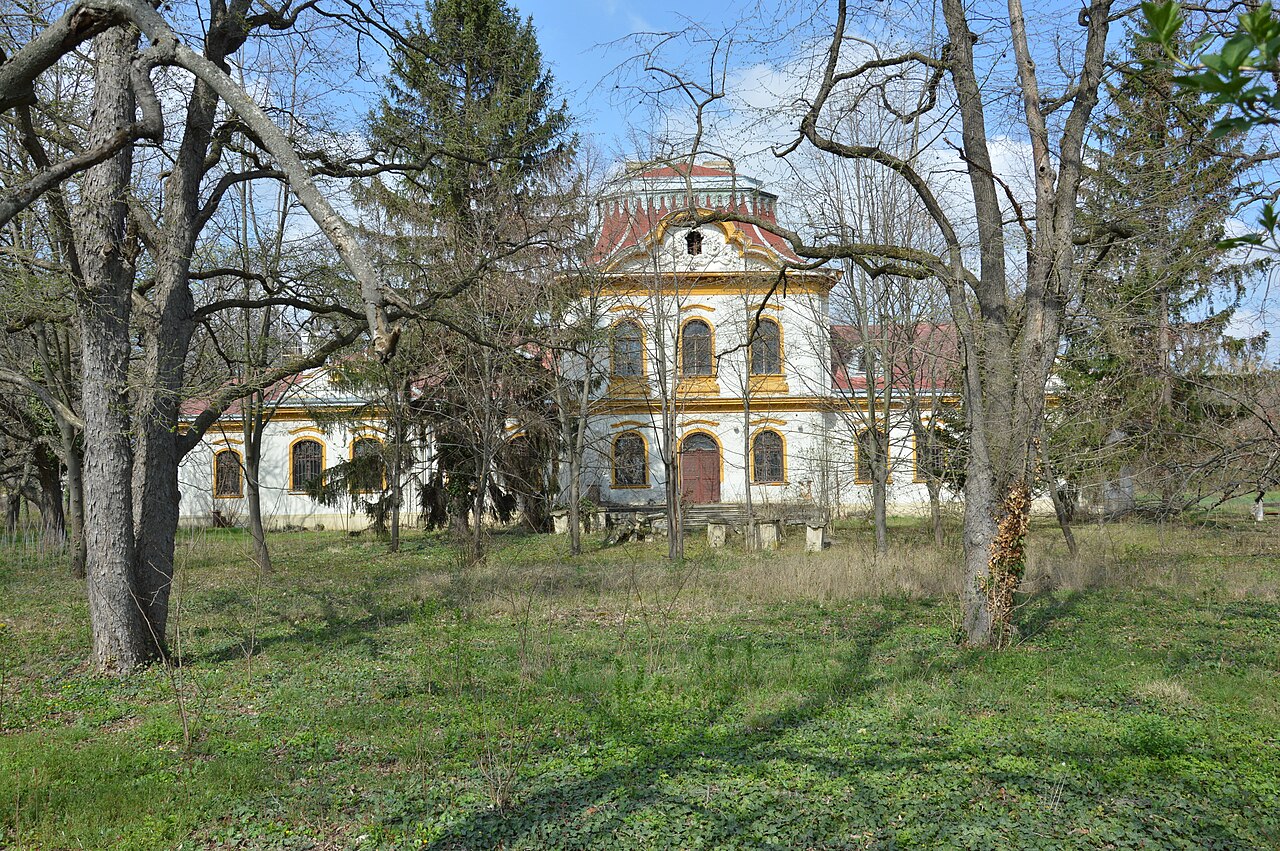
The Savoy Castle in Ráckeve, Hungary, is a notable example of 18th-century Baroque architecture, originally constructed as a luxurious palace and later transformed into a hotel. This grand residence was commissioned by Prince Eugene of Savoy, a prominent military leader and statesman, who acquired Csepel Island in 1698 and sought to create a refined maison de plaisance—a pleasure house for leisure and retreat.
Construction began in 1702 and continued until approximately 1722. The design was entrusted to Johann Lucas von Hildebrandt, a distinguished architect and protégé of the renowned Roman architect Carlo Fontana. Hildebrandt's involvement is well documented through seven surviving letters addressed to Prince Eugene, preserved in the Gonzaga family archives in Mantua. These letters provide valuable insight into the planning and construction of the castle.
Architectural design and features
The Savoy Castle is characterized by its Baroque style, featuring a symmetrical layout with prominent side wings completed by 1714. The central section originally included a stately Baroque cupola that crowned the palace, enhancing its grandeur and visibility across the surrounding landscape.
The castle's design reflects the typical Baroque emphasis on dramatic forms, bold ornamentation, and a harmonious relationship between the building and its natural surroundings. The spacious interiors were intended for comfort and display, with large halls and reception rooms suited for hosting guests and social events.
Historical context and ownership
Prince Eugene of Savoy, after acquiring the land, never resided permanently at the mansion, instead using it as a seasonal retreat. Following his death, the estate was appropriated by the Austrian Crown. During the reign of Maria Theresa of Austria, the mansion and its surrounding lands on Csepel Island were managed by the Hungarian Chancery, reflecting the castle's integration into the administrative framework of the Habsburg monarchy.
Damage and restoration
In 1814, a significant fire destroyed the middle part of the mansion, including the original Baroque cupola. The castle was subsequently rebuilt, though the current structure reflects the post-fire reconstruction rather than the original design. Over the following centuries, the building experienced periods of neglect and decline, particularly prior to the extensive renovation efforts in the late 20th century.
The 1980s restoration revitalized the castle, preserving its architectural heritage while adapting it for modern use. Today, the Savoy Castle operates as the Savoyai Mansion Hotel, offering visitors a chance to experience its historic ambiance and Baroque elegance in a contemporary hospitality setting.
Cultural and architectural significance
The Savoy Castle stands as a significant example of Central European Baroque palatial architecture, showcasing the work of Johann Lucas von Hildebrandt, one of the era's leading architects. Its association with Prince Eugene of Savoy adds historical importance, linking it to a key figure in European military and political history.
The castle's location on Csepel Island and its transformation from a noble residence to a hotel illustrate the adaptive reuse of historic buildings in Hungary. Its preservation contributes to understanding the region's architectural evolution and aristocratic lifestyle during the Post-Renaissance period.
Frequently asked questions (FAQ)
- What is the historical significance of Savoy Castle?
- Savoy Castle, located in Ráckeve, Hungary, is a remarkable example of Renaissance architecture that dates back to the late 17th century. It was built by the aristocratic Savoy family, serving as a summer residence and a retreat. The castle has witnessed numerous historical events and reflects the rich cultural heritage of the region.
- When was Savoy Castle built?
- Construction of Savoy Castle began in 1660 and was completed in the late 17th century. It was designed to showcase the wealth and influence of the Savoy family during their prominence in Hungary. Over the years, it has undergone various renovations to preserve its historical integrity.
- Can I visit Savoy Castle year-round?
- Yes, Savoy Castle is open to visitors throughout the year, although specific opening hours may vary by season. It is advisable to check the official website for the latest information regarding visiting hours and any special events. Guided tours are available to enhance your experience.
- What are the opening hours of Savoy Castle?
- Savoy Castle typically opens its doors to visitors from 10 AM to 6 PM, with extended hours during the summer months. However, it is recommended to verify the current hours on the castle's official website before planning your visit. Special closures may occur on public holidays.
- Is it possible to access Savoy Castle with mobility aids?
- Yes, Savoy Castle is committed to providing accessibility for all visitors. There are ramps and designated pathways to help those with mobility aids navigate the premises. It is advisable to contact the castle administration in advance for specific accessibility inquiries.
- What is the best time to visit Savoy Castle?
- The ideal time to visit Savoy Castle is during the spring and early autumn when the weather is pleasant, and the gardens are in full bloom. These seasons also tend to attract fewer tourists, allowing for a more intimate experience of the castle's history and architecture. Summer can be busy, but it also offers vibrant events and activities.
- Are there nearby attractions to Savoy Castle?
- Yes, Savoy Castle is located near several attractions, including the picturesque Danube River and the charming town of Ráckeve itself, which is known for its unique atmosphere and local cuisine. Additionally, visitors can explore other historical sites and parks in the surrounding area, making for a full day of exploration.
- What are the ticket prices for visiting Savoy Castle?
- Ticket prices for Savoy Castle are generally affordable, with discounts available for students and seniors. Children under a certain age may enter for free. It is advisable to check the official website for updated pricing and any special packages that may be offered.
Loading map...
Visitor reviews
No reviews yet. Been here? Write the first review and help other travelers!
Write the first reviewVisited this castle? Share your experience
Your review helps other travelers and adds first-hand knowledge to our encyclopedia.