Beleznay Mansion, Bugyi — Hungary castle

Beleznay Mansion, Bugyi

Beleznay Mansion, Bugyi
Bugyi, Hungary
Partially Preserved

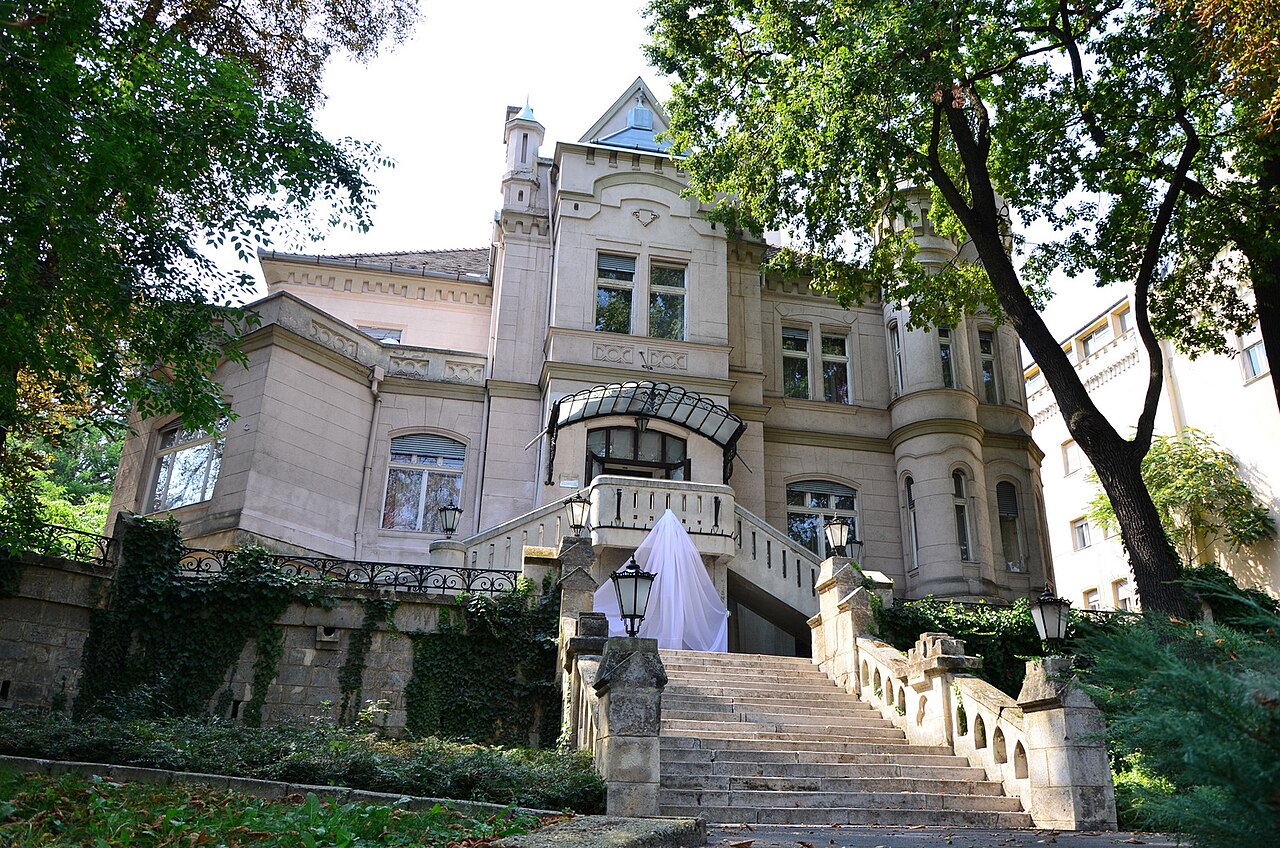
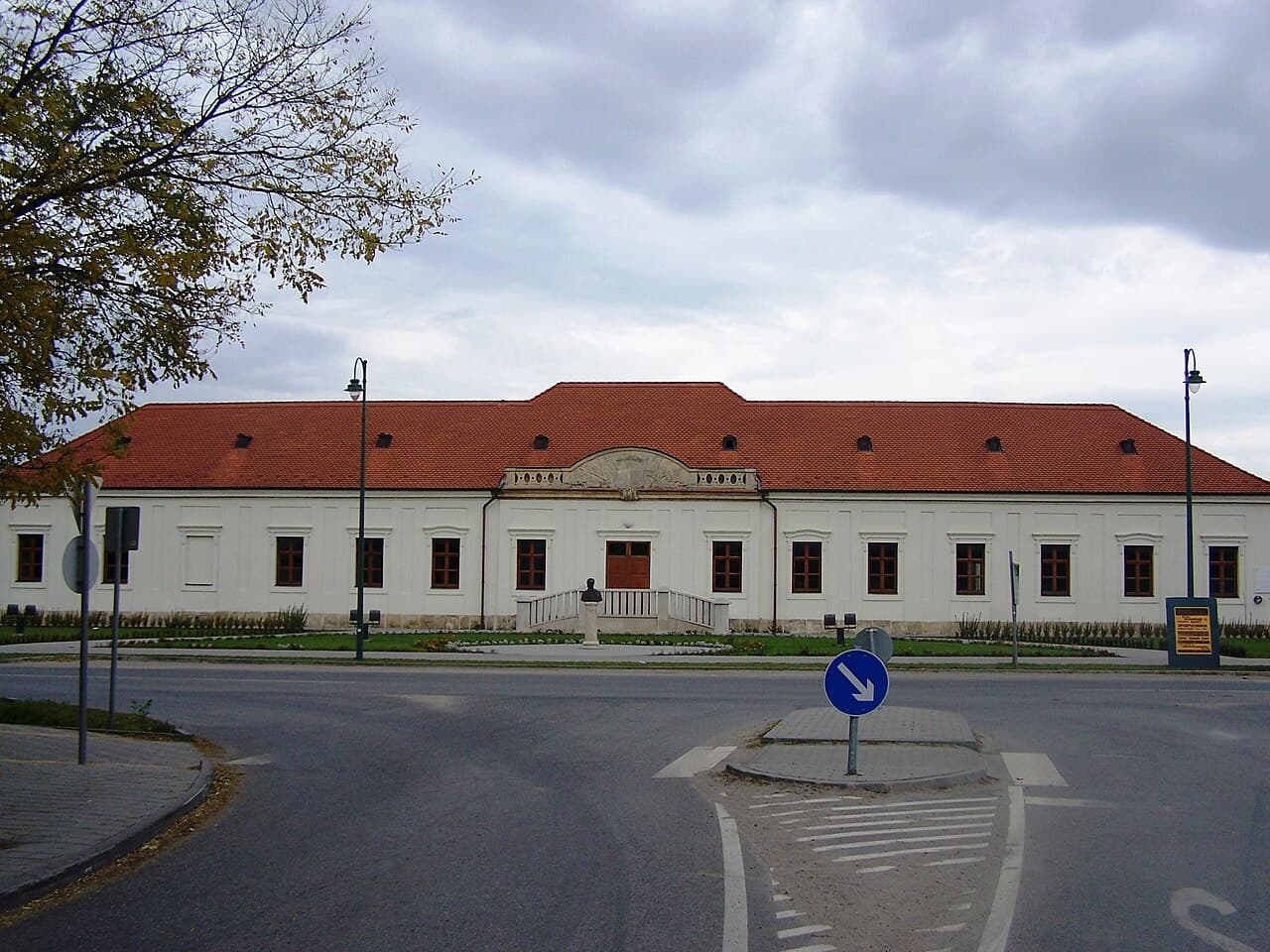
Beleznay Mansion is a notable historic estate located near the village of Bugyi in Hungary. This hill castle stands as an example of the region's architectural heritage, reflecting the styles and construction techniques prevalent in its era. Although less renowned internationally than some of Hungary's grand castles, Beleznay Mansion holds local significance due to its historical and architectural value.

Historical background and location

The mansion is situated on elevated terrain, characteristic of hill castles, which were often built for strategic defense and commanding views of the surrounding landscape. The exact date of construction is not precisely documented, but the mansion likely dates back to the post-medieval period, with architectural elements suggesting development in the 18th or 19th century. Its location near Bugyi places it within the Pest County region, an area with a rich history of noble estates and manorial residences.

Architectural features and style

Beleznay Mansion exhibits characteristics typical of Hungarian noble residences rather than a fortified medieval castle. The building likely features a rectangular or U-shaped floor plan with a central courtyard, common in manor houses of the period. Architectural details may include symmetrical facades, classical elements such as pilasters and cornices, and large windows to illuminate the interior spaces.

The mansion's style probably aligns with Baroque or Neoclassical influences, reflecting the tastes of Hungarian aristocracy during the 18th and 19th centuries. Interiors would traditionally include grand halls, reception rooms, and private chambers, decorated with period-appropriate furnishings and ornamental plasterwork.

Preservation and current condition

The current condition of Beleznay Mansion varies depending on conservation efforts. Many such estates in Hungary have suffered from neglect or partial ruin, but some have been restored or repurposed for cultural or public use. Without specific recent data, it is reasonable to consider the mansion as partially preserved or restored, maintaining key architectural features while possibly undergoing renovation to prevent further decay.

Cultural significance and visitor information

While Beleznay Mansion is not a major tourist destination like Hungary's famous castles, it holds cultural importance locally. It represents the lifestyle and architectural preferences of the Hungarian nobility in the post-medieval era. Visitors interested in Hungarian history and architecture may find the mansion and its surroundings worthwhile for exploration.

Access to the mansion may be limited, as many such properties are privately owned or used for specific events. Prospective visitors should seek local guidance or contact regional cultural heritage organizations for visiting hours and tour availability.

Nearby attractions

The village of Bugyi and the surrounding Pest County region offer additional historical sites and natural landscapes. Visitors can explore traditional Hungarian countryside settings, local churches, and other manor houses, enriching their understanding of the area's heritage.

Frequently asked questions (FAQ)

What is the historical significance of Beleznay Mansion?
Beleznay Mansion, located in Bugyi, Hungary, is a remarkable example of 19th-century architecture that reflects the grandeur of the era. It was built for the Beleznay family, who played a significant role in the region's history and economy. The mansion showcases the cultural heritage of Hungary, making it an important site for historical study.
When was Beleznay Mansion built?
The construction of Beleznay Mansion began in the late 1800s and was completed in the early 1900s. The building exhibits a mix of architectural styles, showcasing the evolving design trends of that period. Its completion marked a significant development in the local area, contributing to Bugyi's architectural landscape.
How do I get to Beleznay Mansion?
Beleznay Mansion is accessible by car and public transport from Budapest, which is approximately 30 kilometers away. Local buses run frequently from the city, offering a convenient way to reach Bugyi. Once in Bugyi, the mansion is clearly signposted, making it easy to find.
Is it possible to tour the interior of Beleznay Mansion?
Yes, visitors can take guided tours of the interior of Beleznay Mansion, which showcase its beautifully preserved rooms and historic artifacts. The tours provide insight into the mansion's history and the lives of its former inhabitants. It’s recommended to check the official website for current tour availability and any special events.
What are the opening hours for Beleznay Mansion?
Beleznay Mansion is typically open to visitors from Wednesday to Sunday, with varying hours depending on the season. During peak tourist months, extended hours may be available to accommodate more visitors. Always check the official website for the most up-to-date information regarding opening hours before planning your visit.
Can I take photographs inside Beleznay Mansion?
Photography policies at Beleznay Mansion may vary, so it's best to check with the staff upon arrival. Generally, photography is allowed in certain areas, while some spaces may have restrictions to protect the artwork and historical features. Respecting these guidelines helps preserve the mansion for future visitors.
What is the best time to visit Beleznay Mansion?
The best time to visit Beleznay Mansion is during the spring and early autumn when the weather is mild and the gardens are in full bloom. Additionally, visiting during weekdays can help avoid larger crowds. Special events and exhibitions may also occur during these seasons, enhancing your experience.
Are there any nearby attractions to visit along with Beleznay Mansion?
Yes, Bugyi offers several nearby attractions, including local parks and historical sites that reflect the area’s rich heritage. Visitors can also explore the charming village center, which features traditional Hungarian architecture and local eateries. Combining visits to these attractions can provide a fuller experience of the region.
What are the ticket prices for visiting Beleznay Mansion?
Ticket prices for Beleznay Mansion vary depending on age and type of tour selected. Discounts may be available for students, seniors, and groups, making it accessible to a wider audience. For the most accurate pricing, it's advisable to check the official website prior to your visit.

Photo gallery

Beleznay Mansion, Bugyi
Click to view

Photo by rlevente, Rlevente•CC BY-SA 2.5 hu

1 photo • Click any image to view in full screen

Information

Hill Castle

Loading map...

Visitor reviews

No reviews yet. Been here? Write the first review and help other travelers!

Write the first review

Visited this castle? Share your experience

Your review helps other travelers and adds first-hand knowledge to our encyclopedia.

Write a review

(5/5)

0/2000 characters

Your review will be visible after admin approval

Nearby castles

16.7 km

Savoy Castle

Ráckeve, Hungary

The Savoy Castle in Ráckeve, Hungary, is a notable example of 18th-century Baroque architecture, originally constructed as a luxurious palace and later transformed into a hotel. This grand residence was commissioned by Prince Eugene of Savoy, a prominent military leader and statesman, who acquired Csepel Island in 1698 and sought to create a refined maison de plaisance—a pleasure house for leisure and retreat. Construction began in 1702 and continued until approximately 1722. The design was entrusted to Johann Lucas von Hildebrandt, a distinguished architect and protégé of the renowned Roman architect Carlo Fontana. Hildebrandt's involvement is well documented through seven surviving letters addressed to Prince Eugene, preserved in the Gonzaga family archives in Mantua. These letters provide valuable insight into the planning and construction of the castle. Architectural design and features The Savoy Castle is characterized by its Baroque style, featuring a symmetrical layout with prominent side wings completed by 1714. The central section originally included a stately Baroque cupola that crowned the palace, enhancing its grandeur and visibility across the surrounding landscape. The castle's design reflects the typical Baroque emphasis on dramatic forms, bold ornamentation, and a harmonious relationship between the building and its natural surroundings. The spacious interiors were intended for comfort and display, with large halls and reception rooms suited for hosting guests and social events. Historical context and ownership Prince Eugene of Savoy, after acquiring the land, never resided permanently at the mansion, instead using it as a seasonal retreat. Following his death, the estate was appropriated by the Austrian Crown. During the reign of Maria Theresa of Austria, the mansion and its surrounding lands on Csepel Island were managed by the Hungarian Chancery, reflecting the castle's integration into the administrative framework of the Habsburg monarchy. Damage and restoration In 1814, a significant fire destroyed the middle part of the mansion, including the original Baroque cupola. The castle was subsequently rebuilt, though the current structure reflects the post-fire reconstruction rather than the original design. Over the following centuries, the building experienced periods of neglect and decline, particularly prior to the extensive renovation efforts in the late 20th century. The 1980s restoration revitalized the castle, preserving its architectural heritage while adapting it for modern use. Today, the Savoy Castle operates as the Savoyai Mansion Hotel, offering visitors a chance to experience its historic ambiance and Baroque elegance in a contemporary hospitality setting. Cultural and architectural significance The Savoy Castle stands as a significant example of Central European Baroque palatial architecture, showcasing the work of Johann Lucas von Hildebrandt, one of the era's leading architects. Its association with Prince Eugene of Savoy adds historical importance, linking it to a key figure in European military and political history. The castle's location on Csepel Island and its transformation from a noble residence to a hotel illustrate the adaptive reuse of historic buildings in Hungary. Its preservation contributes to understanding the region's architectural evolution and aristocratic lifestyle during the Post-Renaissance period.

Post-Renaissance (17th–18th c.)
Details
22.3 km

Nagytétény Castle

Budapest, Hungary

Nagytétény Castle stands as a significant example of Baroque architecture in Hungary, located in the historic district of Budapest. Originally built on the site of a Roman villa rustica and an earlier medieval fortress, the castle has evolved through centuries of Hungarian history. Today, it serves as the Furniture Museum of the Museum of Applied Arts, showcasing a rich collection of Hungarian and international furniture within a historic setting. The medieval origins and Ottoman period The site of Nagytétény Castle was first fortified in the 13th century when the Tétény family, related to the Árpád Dynasty, constructed a Gothic castle here. This original fortress played a crucial role in the region's medieval defenses. During the Ottoman occupation of Hungary (1541-1686), the castle became a residence for high-ranking Ottoman officers, reflecting its strategic importance. Baroque transformation under the Száraz-Rudnyánszky family Following the liberation of Buda in 1686, the castle was awarded to Captain Ferenc Buchingen for his role in the war against the Turks. Subsequently, the property was redeemed by György Száraz, who initiated significant reconstruction and expansion efforts. Between 1743 and 1751, the castle was rebuilt in the distinctive Grassalkovich Style of Baroque architecture, designed by the renowned architect András Mayerhoffer and commissioned by Baron József Rudnyánszky. This transformation replaced the medieval fortress with an elegant, symmetrical palace featuring characteristic Baroque elements such as ornate facades, grand staircases, and formal gardens. Architectural features and style The castle's design reflects the post-Renaissance Baroque style prevalent in Hungary during the 18th century. Mayerhoffer's work emphasized harmony and grandeur, with a layout that includes a central courtyard, balanced wings, and richly decorated interiors. The castle integrates earlier structural elements, including remnants of the Gothic fortress, into its Baroque framework, creating a layered architectural narrative. The use of stucco decoration, sculpted stonework, and expansive windows exemplifies the era's aesthetic. Later history and 20th-century challenges After the death of Julianna Száraz-Rudnyánszky in 1798, the castle was divided among heirs, leading to changes in ownership and use. In 1904, a devastating fire destroyed the castle's interior and its historic furniture collection. The building suffered further damage during World War II, when it was badly damaged by military action. In 1948, the Ministry of Agriculture transferred the castle to museum authorities. Reconstruction began in 1951, and the castle was repurposed as a museum dedicated to furniture and applied arts. The first exhibition opened that year, displaying a diverse collection of furniture, carpets, stoves, and ceramics in a historical context. However, by 1989, structural deterioration forced the castle's closure. Comprehensive restoration efforts commenced in 1997, leading to the castle's reopening in 2000. Today, it houses approximately 300 items across more than two dozen rooms, offering visitors an immersive experience of Hungarian furniture history and design. Collections and cultural significance The Furniture Museum at Nagytétény Castle presents a curated selection of artifacts that illustrate the evolution of furniture-making from Hungary and abroad. Exhibits include period furniture pieces, alongside complementary decorative arts such as carpets and ceramics, displayed in settings that evoke their original historical environments. This approach allows visitors to appreciate the craftsmanship and artistic trends spanning several centuries. The castle itself, as a preserved Baroque monument, contributes to Budapest's cultural heritage, offering insight into aristocratic life and architectural developments of the 18th century. Its layered history from medieval fortress to Ottoman residence and Baroque palace enriches its narrative, making it a valuable site for both architectural study and public education. Visiting Nagytétény Castle today Visitors to Nagytétény Castle can explore its extensive exhibition rooms, which provide a detailed overview of furniture styles and applied arts. The castle's restoration has preserved many original architectural features, including its facades, courtyards, and interior spaces. The museum offers a unique combination of historical architecture and curated collections, making it a notable destination for those interested in Hungarian history, art, and design.

Post-Renaissance (17th–18th c.)
Details
24.5 km
Sacelláry Castle — Hungary castle

Sacelláry Castle

, Hungary

Sacelláry Castle, located in Hungary, is a notable example of a hill castle that reflects the medieval military architecture prominent in the region. Though the exact city location is not widely documented, the castle’s position on elevated terrain underscores its strategic importance during its period of use. Hill castles like Sacelláry were typically constructed to leverage natural topography for defense, providing commanding views of the surrounding landscape and making assaults more difficult for attackers.Historical context and originsThe origins of Sacelláry Castle likely date back to the High Medieval period, a time when Hungary was consolidating its territories and fortifying key points against invasions. Castles from this era were often built by noble families or royal authorities to secure borders and control important routes. While specific records about Sacelláry Castle’s founders or initial construction are scarce, its classification as a hill castle aligns with common medieval defensive strategies employed in Central Europe.Architectural features and layoutSacelláry Castle’s design would have incorporated typical elements of hill castles, including stone curtain walls adapted to the contours of the hill, towers positioned for optimal surveillance, and a gatehouse controlling access. The use of natural rock formations may have been integrated into the fortifications to enhance strength and reduce construction effort. Internal structures likely included a keep or donjon serving as a last refuge and residence, along with courtyards and various service buildings.Defensive advantagesThe elevated location provided Sacelláry Castle with significant defensive advantages, including visibility over enemy movements and natural barriers against siege equipment. The steep slopes would have hindered direct assaults, while the castle’s walls and towers allowed defenders to repel attackers effectively. Such features were critical during the turbulent medieval period, characterized by frequent conflicts and territorial disputes.Role in regional historyWhile detailed historical events specifically linked to Sacelláry Castle are limited, castles of this type in Hungary often played roles in local defense, administration, and control of trade routes. They served as centers of power for noble families and as military strongholds during periods of conflict, including invasions by neighboring powers or internal feudal disputes.Current condition and preservationThe current condition of Sacelláry Castle is not extensively documented, but many hill castles in Hungary survive as ruins or partially preserved structures. Preservation efforts, if any, would focus on stabilizing remaining walls and protecting archaeological remains. Such sites are valuable for understanding medieval fortification techniques and regional history.Visiting Sacelláry CastleInformation on public access and visitor facilities at Sacelláry Castle is limited. Visitors interested in medieval architecture and Hungarian history may find the site intriguing, especially if it is accessible via hiking trails or local tours. Due to the castle’s hilltop location, visitors should be prepared for uneven terrain and limited amenities.

High Medieval (11th–13th c.)
Details