Hauszmann–Gschwindt Mansion, Velence
Historical context and significance
The mansion is associated with the prominent Hauszmann family, particularly Alajos Hauszmann, a distinguished Hungarian architect of the late 19th century. Hauszmann was renowned for his contributions to Hungarian architecture, including significant public buildings and noble residences. The Gschwindt family, also linked to the mansion, were notable patrons and figures in Hungarian society during that period.
The mansion's construction and use reflect the social and cultural dynamics of Hungary in the Austro-Hungarian Empire era, when aristocratic families built grand residences that combined comfort with elements of fortification and prestige. The Hauszmann–Gschwindt mansion served both as a private residence and a symbol of status.
Architectural features and style
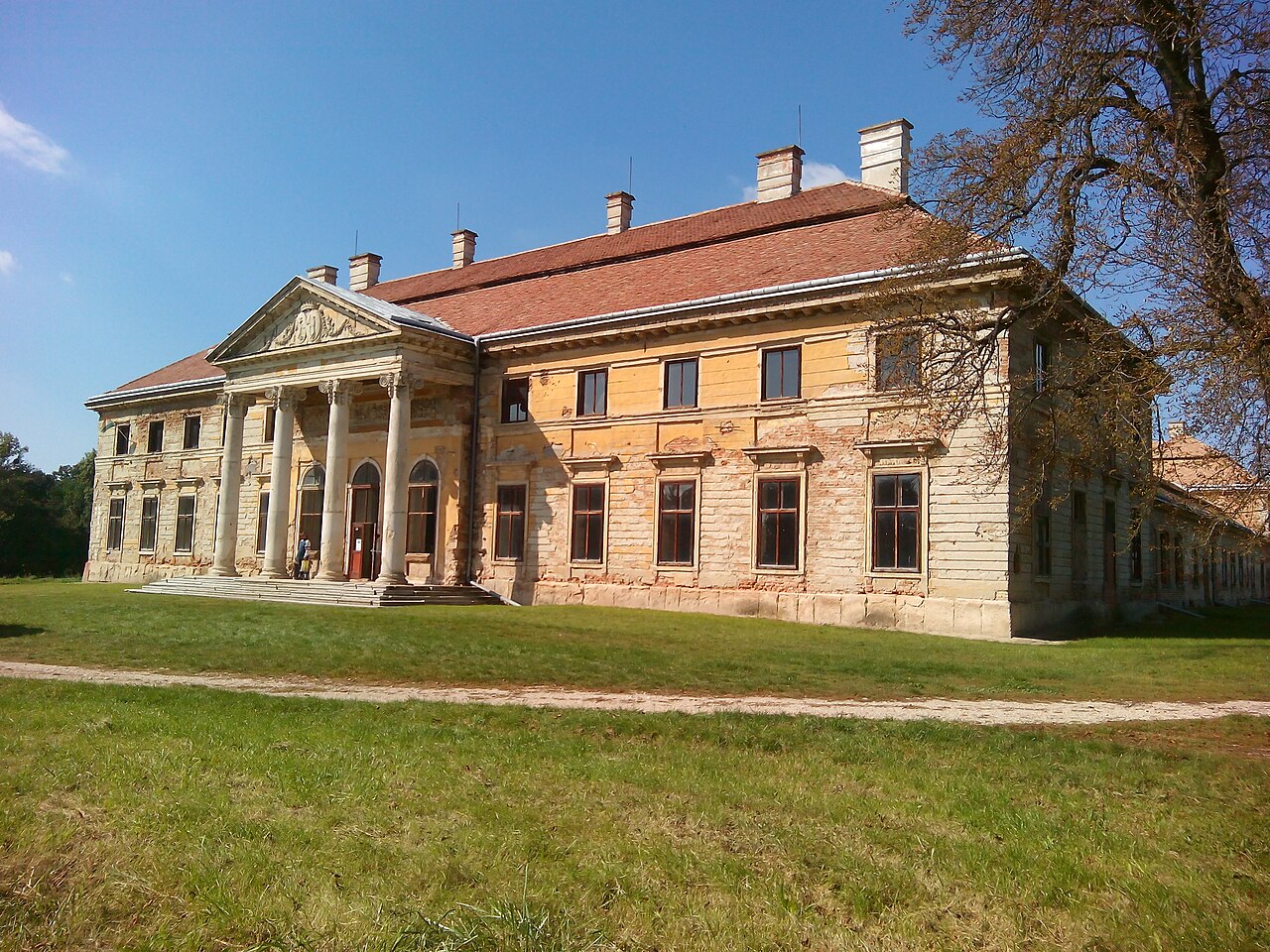
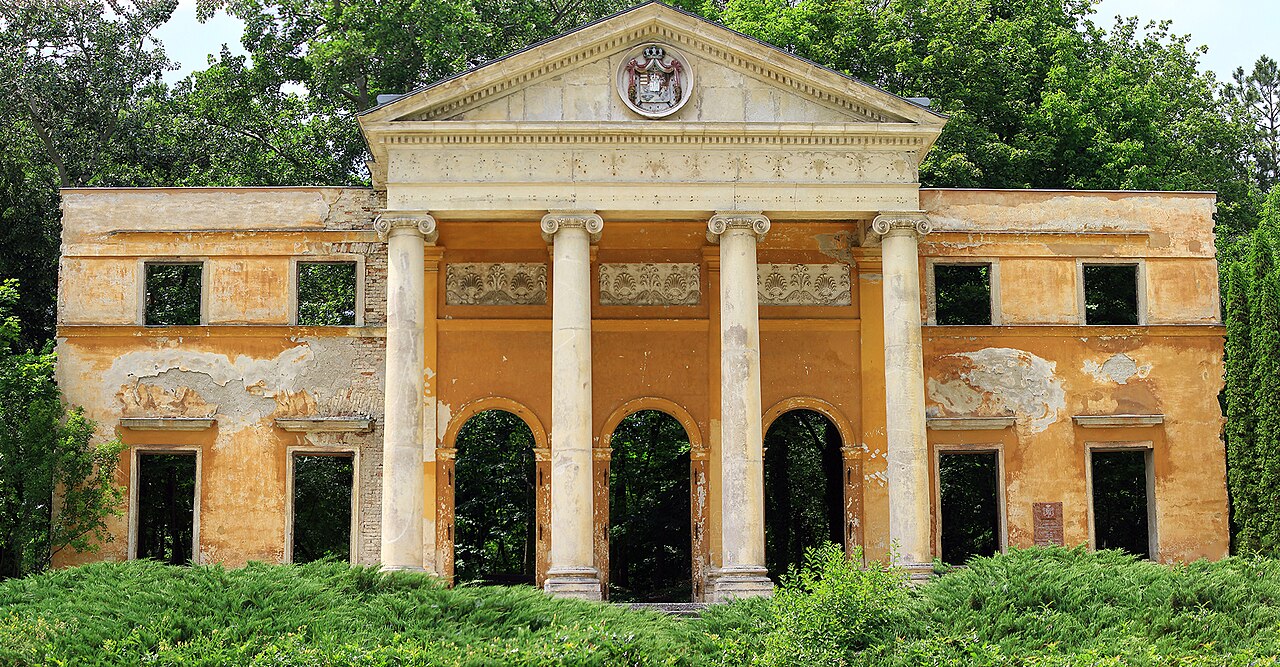
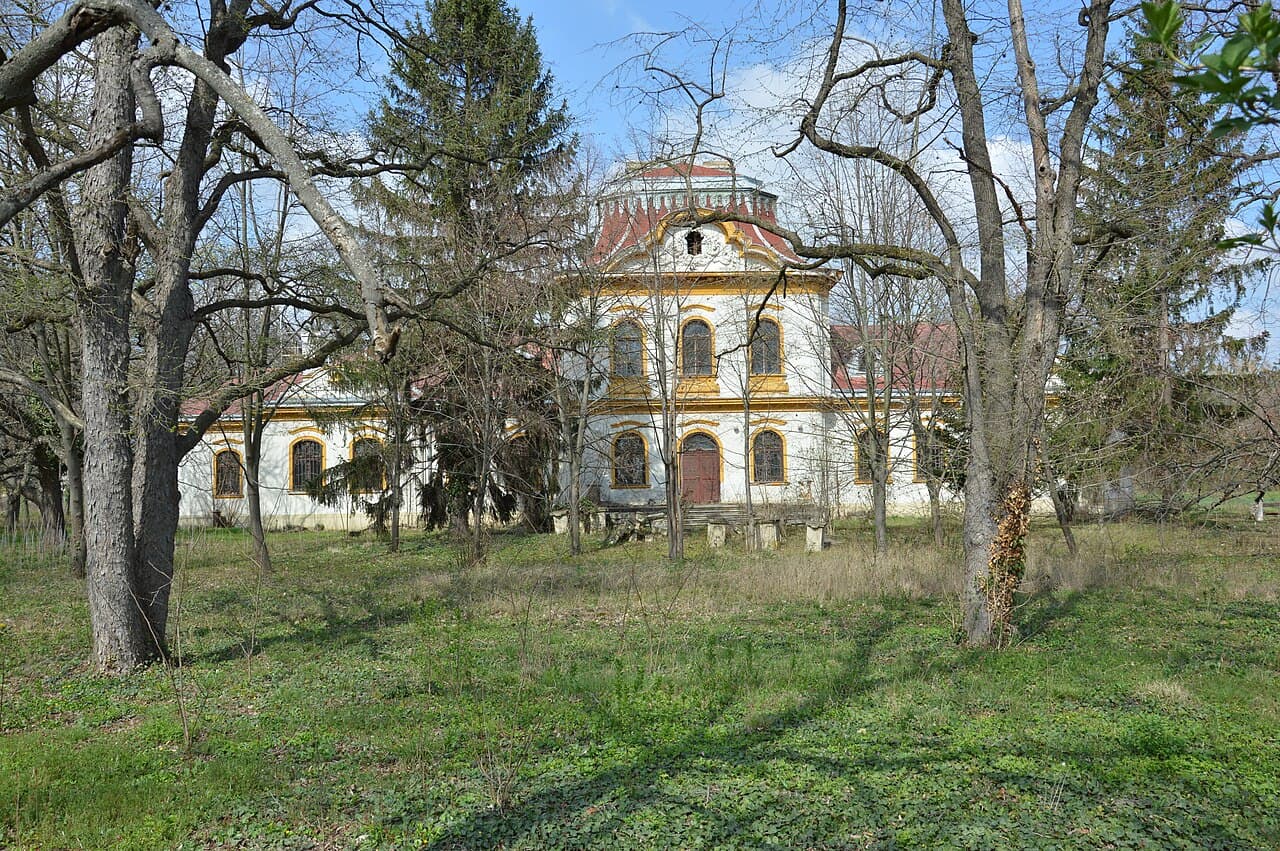
The mansion exhibits architectural characteristics typical of late 19th-century Hungarian noble residences, with influences from historicist styles that often incorporated elements of neo-Renaissance and neo-Baroque architecture. The building's design emphasizes symmetry, ornate detailing, and the use of traditional materials such as stone and brick.
Key architectural features include a prominent main façade with decorative elements, a complex roofline with dormers and chimneys, and a layout that integrates formal gardens and terraces. The mansion's elevated position on a hill enhances its visibility and prominence in the local landscape, consistent with the characteristics of a hill castle.
Interior and layout
Inside, the mansion likely contains richly decorated rooms with period-appropriate furnishings, including grand halls, reception rooms, and private chambers. The interior design would reflect the tastes and social customs of the Hungarian aristocracy during the late 19th and early 20th centuries.
Preservation and current status
The Hauszmann–Gschwindt mansion remains an important architectural and cultural landmark in Velence. Although detailed information on its current condition is limited, such historic mansions often undergo preservation efforts to maintain their structural integrity and historical character.
The mansion contributes to the understanding of Hungary's architectural evolution and the lifestyle of its nobility during a transformative period in the country's history.
Visiting and accessibility
Visitors interested in Hungarian architecture and history may find the Hauszmann–Gschwindt mansion a point of interest, especially within the context of Velence's cultural heritage. Information on public access, guided tours, or visiting hours is not widely documented, suggesting that access may be limited or require prior arrangement.
Velence itself is a popular destination known for its natural beauty and proximity to Lake Velence, offering additional attractions for visitors.
Frequently asked questions (FAQ)
- What is the historical significance of the Hauszmann–Gschwindt mansion?
- The mansion reflects the lifestyle and architectural tastes of Hungarian nobility in the late 19th and early 20th centuries, linked to the notable architect Alajos Hauszmann and the Gschwindt family.
- Can I visit the Hauszmann–Gschwindt mansion in Velence?
- Public access information is limited, so visiting may require prior arrangement or special permission. It is advisable to check locally for any tours or events.
- What architectural styles characterize the mansion?
- The mansion features a mix of historicist styles, including neo-Renaissance and neo-Baroque elements, typical of Hungarian noble residences from the Austro-Hungarian period.
- Where is the Hauszmann–Gschwindt mansion located?
- It is situated in Velence, Hungary, on an elevated site that classifies it as a hill castle, contributing to its prominence in the local landscape.
Photo gallery

Information
Architect
Alajos Hauszmann
Loading map...
Visitor reviews
No reviews yet. Been here? Write the first review and help other travelers!
Write the first reviewVisited this castle? Share your experience
Your review helps other travelers and adds first-hand knowledge to our encyclopedia.