Nagytétény Castle
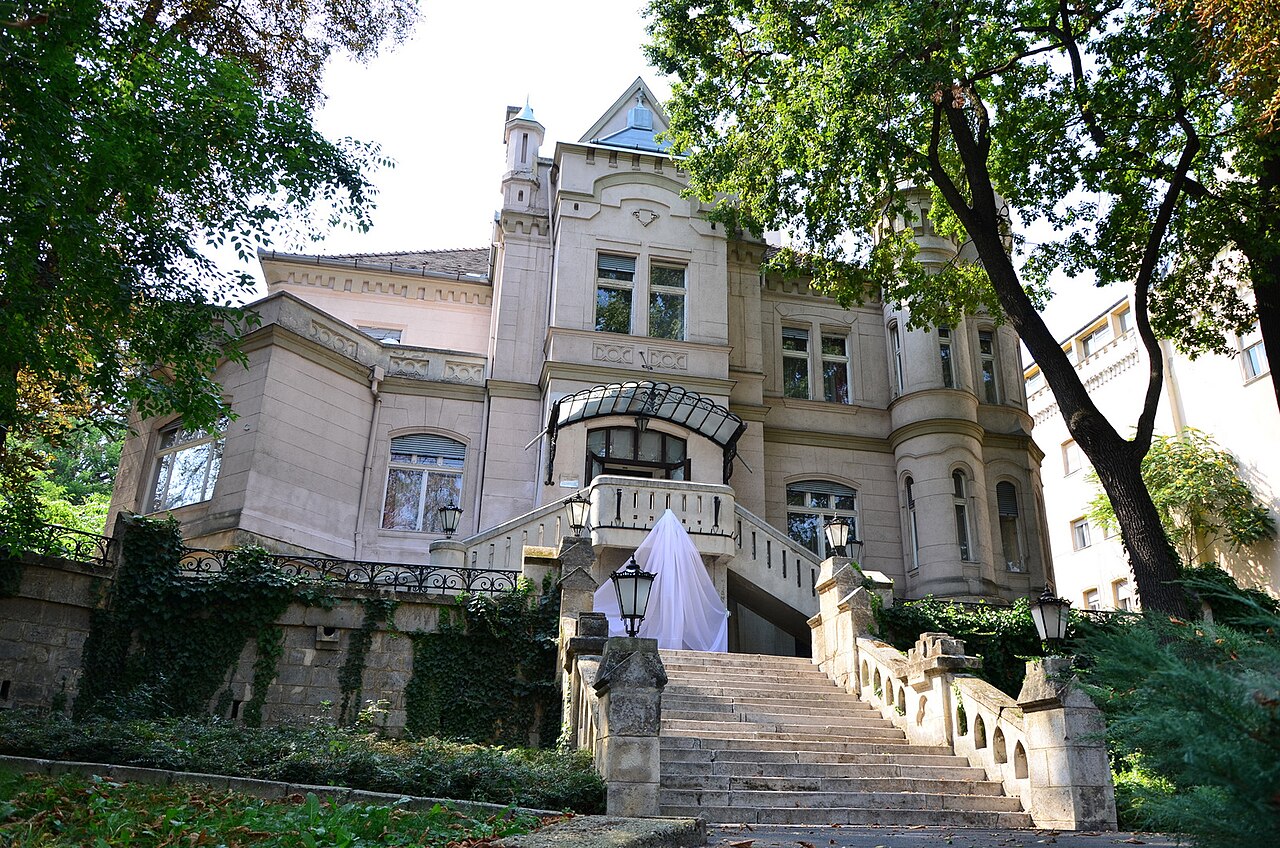
Nagytétény Castle stands as a significant example of Baroque architecture in Hungary, located in the historic district of Budapest. Originally built on the site of a Roman villa rustica and an earlier medieval fortress, the castle has evolved through centuries of Hungarian history. Today, it serves as the Furniture Museum of the Museum of Applied Arts, showcasing a rich collection of Hungarian and international furniture within a historic setting.
The medieval origins and Ottoman period
The site of Nagytétény Castle was first fortified in the 13th century when the Tétény family, related to the Árpád Dynasty, constructed a Gothic castle here. This original fortress played a crucial role in the region's medieval defenses. During the Ottoman occupation of Hungary (1541-1686), the castle became a residence for high-ranking Ottoman officers, reflecting its strategic importance.
Baroque transformation under the Száraz-Rudnyánszky family
Following the liberation of Buda in 1686, the castle was awarded to Captain Ferenc Buchingen for his role in the war against the Turks. Subsequently, the property was redeemed by György Száraz, who initiated significant reconstruction and expansion efforts. Between 1743 and 1751, the castle was rebuilt in the distinctive Grassalkovich Style of Baroque architecture, designed by the renowned architect András Mayerhoffer and commissioned by Baron József Rudnyánszky. This transformation replaced the medieval fortress with an elegant, symmetrical palace featuring characteristic Baroque elements such as ornate facades, grand staircases, and formal gardens.
Architectural features and style
The castle's design reflects the post-Renaissance Baroque style prevalent in Hungary during the 18th century. Mayerhoffer's work emphasized harmony and grandeur, with a layout that includes a central courtyard, balanced wings, and richly decorated interiors. The castle integrates earlier structural elements, including remnants of the Gothic fortress, into its Baroque framework, creating a layered architectural narrative. The use of stucco decoration, sculpted stonework, and expansive windows exemplifies the era's aesthetic.
Later history and 20th-century challenges
After the death of Julianna Száraz-Rudnyánszky in 1798, the castle was divided among heirs, leading to changes in ownership and use. In 1904, a devastating fire destroyed the castle's interior and its historic furniture collection. The building suffered further damage during World War II, when it was badly damaged by military action.
In 1948, the Ministry of Agriculture transferred the castle to museum authorities. Reconstruction began in 1951, and the castle was repurposed as a museum dedicated to furniture and applied arts. The first exhibition opened that year, displaying a diverse collection of furniture, carpets, stoves, and ceramics in a historical context. However, by 1989, structural deterioration forced the castle's closure.
Comprehensive restoration efforts commenced in 1997, leading to the castle's reopening in 2000. Today, it houses approximately 300 items across more than two dozen rooms, offering visitors an immersive experience of Hungarian furniture history and design.
Collections and cultural significance
The Furniture Museum at Nagytétény Castle presents a curated selection of artifacts that illustrate the evolution of furniture-making from Hungary and abroad. Exhibits include period furniture pieces, alongside complementary decorative arts such as carpets and ceramics, displayed in settings that evoke their original historical environments. This approach allows visitors to appreciate the craftsmanship and artistic trends spanning several centuries.
The castle itself, as a preserved Baroque monument, contributes to Budapest's cultural heritage, offering insight into aristocratic life and architectural developments of the 18th century. Its layered history from medieval fortress to Ottoman residence and Baroque palace enriches its narrative, making it a valuable site for both architectural study and public education.
Visiting Nagytétény Castle today
Visitors to Nagytétény Castle can explore its extensive exhibition rooms, which provide a detailed overview of furniture styles and applied arts. The castle's restoration has preserved many original architectural features, including its facades, courtyards, and interior spaces. The museum offers a unique combination of historical architecture and curated collections, making it a notable destination for those interested in Hungarian history, art, and design.
Frequently asked questions (FAQ)
- What is the historical significance of Nagytétény Castle?
- Nagytétény Castle, located in Budapest, Hungary, is a significant historical site that dates back to the 18th century. It showcases the Baroque architectural style and has been a witness to various cultural shifts in Hungarian history. The castle now serves as a museum, offering insights into the local heritage and the life of the aristocracy during its peak.
- When was Nagytétény Castle built?
- The construction of Nagytétény Castle began in the early 18th century and was completed in 1805. Initially built as a summer residence for the prominent Hungarian family, it reflects the grandeur and elegance of its time. Over the years, it has undergone various renovations to preserve its historical integrity.
- What are the opening hours for Nagytétény Castle?
- Nagytétény Castle is open to visitors from Tuesday to Sunday, with varying hours depending on the season. Typically, the castle opens at 10 AM and closes at 6 PM, providing ample time for exploration. It is advisable to check the official website for any seasonal changes or special events that may affect visiting hours.
- Can I visit Nagytétény Castle with children?
- Yes, Nagytétény Castle is family-friendly and welcomes visitors of all ages. The museum offers engaging exhibits and activities that are suitable for children, making it an educational experience for the whole family. There are also spacious gardens where children can play and explore.
- Is it possible to access Nagytétény Castle by public transportation?
- Yes, Nagytétény Castle is easily accessible by public transportation from central Budapest. Visitors can take the metro or local bus services, which provide convenient routes to the castle. It is recommended to check local transit schedules for the most efficient travel options.
- What is the best time to visit Nagytétény Castle?
- The best time to visit Nagytétény Castle is during the spring and early autumn when the weather is mild and the gardens are in bloom. These seasons offer a pleasant outdoor experience, enhancing your visit. Additionally, visiting during weekdays can help avoid larger crowds.
- Are there any nearby attractions to Nagytétény Castle?
- Yes, there are several nearby attractions that visitors can explore, including the picturesque Nagytétény Park and the local botanical gardens. The surrounding area offers charming cafes and shops, providing a perfect opportunity for a leisurely day out. Don't miss the chance to explore the historic architecture in the vicinity as well.
- What are the ticket prices for Nagytétény Castle?
- Ticket prices for Nagytétény Castle are quite reasonable, with discounts available for students and seniors. Typically, general admission is affordable, making it accessible for a wide range of visitors. Special rates may apply for group tours, so it’s best to inquire in advance if you’re planning a larger visit.
Information
Loading map...
Visitor reviews
No reviews yet. Been here? Write the first review and help other travelers!
Write the first reviewVisited this castle? Share your experience
Your review helps other travelers and adds first-hand knowledge to our encyclopedia.