Sassai Castle
Sassai Castle, also known as Orguglioso, is a medieval hill castle situated within the municipality of Silius in Sardinia, Italy. Constructed in the 12th century by the judges of Cagliari, it served as a strategic defensive outpost marking the border with the Giudicato of Arborea. Positioned at approximately 430 meters above sea level, the castle's location was chosen to dominate the surrounding valleys and oversee nearby settlements such as Silius, San Nicolò Gerrei, Goni, and Ballao, as well as parts of the Flumendosa river basin.
The earliest documented reference to Sassai Castle appears in a 1286 treaty, which records the transfer of the fortress from Mariano II of Arborea to the Comune of Pisa. Pisa had already controlled the castle since 1265, during which time Sassai functioned both as a military stronghold and likely as an administrative center overseeing local mining activities. By 1314, records highlight its considerable military importance, noting a garrison comprising 700 mounted troops and numerous infantrymen.
Historical context and military significance
During the Aragonese conquest of Sardinia beginning in 1323, Sassai Castle remained under Pisan control until at least 1345. In that year, it passed to Aragonese rule, and in 1350 King Peter of Aragon granted the fief of Orguglioso to Nicolò Carroz. The castle's military role was further tested during the Sardinian-Catalan war between 1353 and 1355, when forces loyal to Mariano IV of Arborea besieged and captured Sassai Castle. Unlike the nearby Quirra Castle, which resisted Arborean attacks, Sassai fell, possibly due to a lack of external reinforcements and a strategic decision to protect the adjacent village.
Following the peace treaty of 1355, Sassai Castle was abandoned and gradually fell into ruin. Its active military phase lasted approximately a century, including about 30 years under Spanish control. After abandonment, the castle was never rebuilt, and over the centuries, it deteriorated significantly.
Architectural features and layout
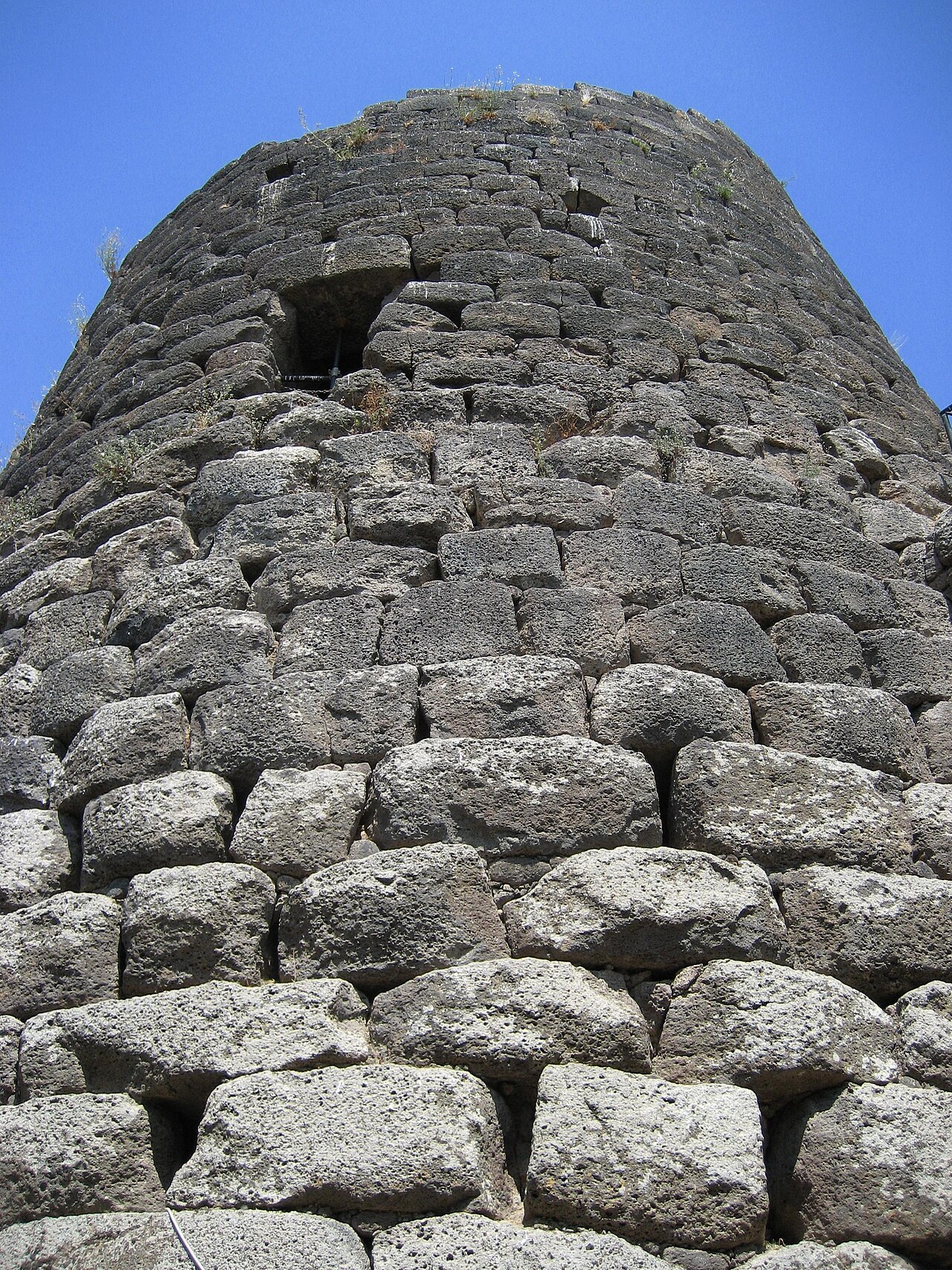
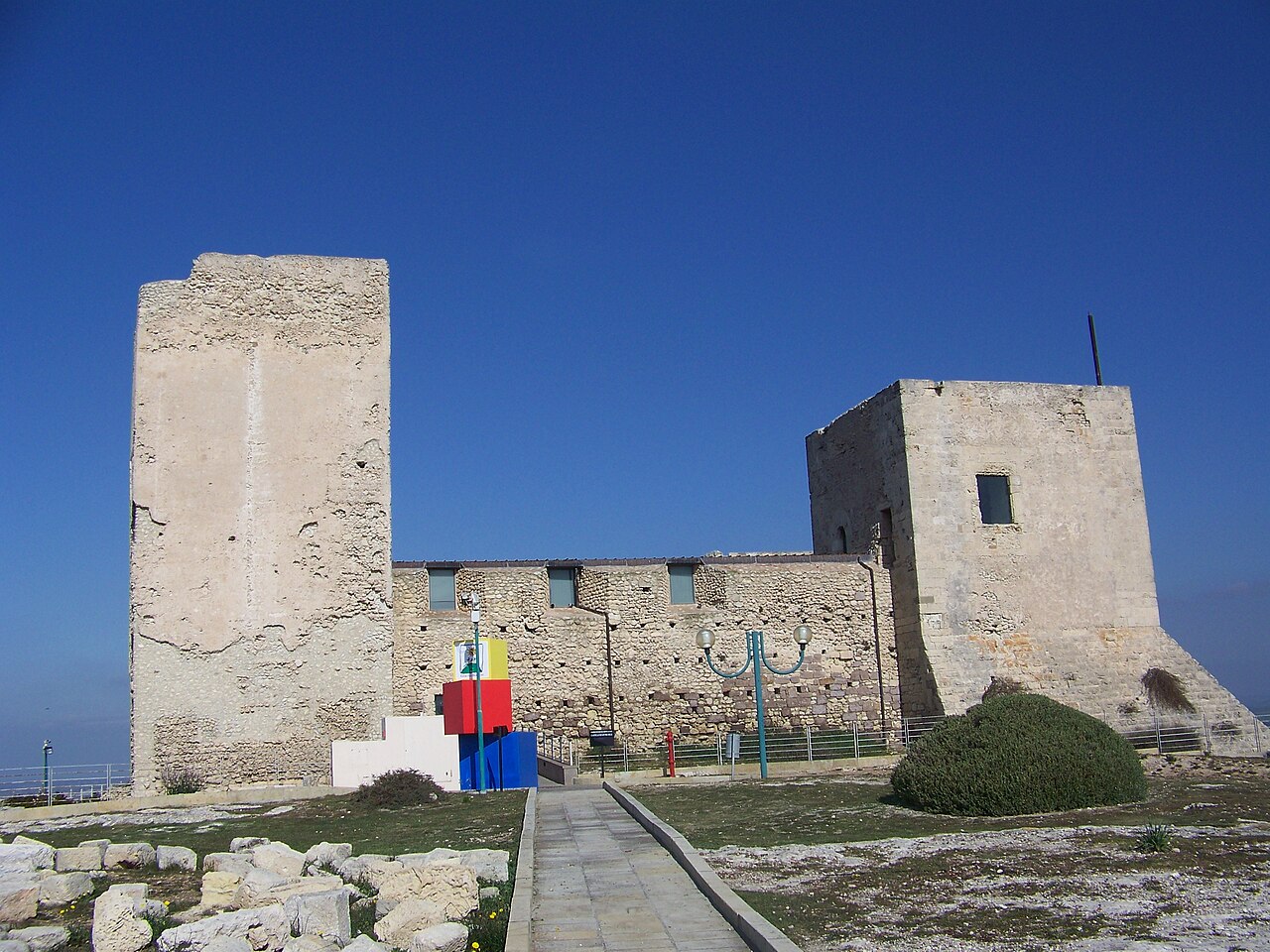
Sassai Castle is built atop a natural rocky outcrop, utilizing the uneven terrain as the foundation for its defensive walls, floors, and water cisterns. The fortress has an irregular trapezoidal shape anchored by a large quadrangular main tower or mastio on the north side, which housed the castle's sole entrance. Along the southwestern walls, a semicircular tower is attached, complemented by a second round tower positioned within the outer curtain wall on the same side.
The main gateway features a finely crafted stone arch leading into a paved corridor. Adjacent to the entrance, a small terrace served dual purposes as a stable and a waste disposal area. Archaeological excavations uncovered a built-in water jug and traces of burnt remains and cooking pots in the entry corridor, suggesting that visitors were offered water or warm beverages upon arrival.
At the heart of the castle lies a rectangular courtyard, which functioned as the central hub connecting various rooms and a raised platform beside the main tower. Access to this platform was via a series of stepped ramps, while entry to the tower itself was likely made by a wooden ladder rather than permanent stone stairs. The courtyard hosted daily activities including dining and leisure.
Kitchen and domestic spaces
One of the castle's notable rooms is the kitchen, which contains a hemispherical dome oven of medieval origin in excellent preservation—unique on the island of Sardinia. The kitchen also includes a cooking hearth and an underground pantry. The walls of the kitchen are decorated with rare red-painted frescoes depicting two human figures, one holding a bow, and a schematic building adorned with a heraldic shield and the letters L, M, and A. These secular medieval wall paintings are exceptional examples in Sardinia.
Adjacent to the kitchen is a vaulted chamber that may have served as storage or a prison, indicated by iron rings fixed to the walls. Another irregularly shaped room along the western outer wall, once thought to be a water cistern, has been identified as a grain storage area due to the absence of waterproof plaster and water management features. This room features a vaulted ceiling and an access hatch.
Construction phases and archaeological findings
Excavations revealed two distinct construction phases. The first phase exhibits a more residential character, with spacious rooms, finely mortared stones, and carefully shaped stone frames for doors and windows. The second phase reflects a shift toward fortification, with smaller rooms and walls built from irregular stones bonded with mud instead of lime, indicating reduced architectural refinement.
Archaeologists recovered a diverse array of artifacts including glazed tableware, ancient Pisan maiolica, an Iberian plate decorated with a star, amphorae, storage jars, work tools like nails and a basalt grain mill with pestle, and personal items such as metal buttons, bronze and iron belt buckles, and bronze rings. Leisure-related objects included a bone flute, dice, a rattle, and a shell containing red pigment likely used for makeup. Byzantine and medieval coins were also found, alongside animal bones primarily from cattle and goats.
A remarkable discovery was the skeleton of an adult male, aged approximately 30 to 40 years, found on the terrace near the entrance in an unusual position inconsistent with formal burial. Standing about 1.70 meters tall, the individual likely died from multiple injuries sustained during wartime, possibly a soldier involved in the castle's conflicts.
Preservation and archaeological research
Since the late 20th century, the ruins of Sassai Castle have undergone careful clearing of dense vegetation and debris. Restoration efforts have focused on consolidating the perimeter walls and interior rooms, enabling detailed study of the fortress's layout, construction techniques, and the daily lives of its occupants. Archaeological excavations conducted in 1995, 1998, 2000, and 2007 by local authorities and the Sardinian cultural heritage service have significantly contributed to understanding the castle's historical development and phases of occupation.
The nearby village of Sassai, likely established contemporaneously with the castle, featured a parish church dedicated to Santa Maria. This settlement remained inhabited until the late 17th century, declining in importance following the fortress's abandonment.
Today, Sassai Castle stands as a well-documented example of a medieval hill castle in Sardinia, offering valuable insights into the island's military architecture, feudal conflicts, and daily life during the High and Late Medieval periods. Its unique architectural features, such as the preserved dome oven and rare frescoes, contribute to its significance as a cultural heritage site in Italy.
Frequently asked questions (FAQ)
- What are the opening hours of Sassai Castle?
- Sassai Castle is open to visitors from 9 AM to 6 PM, Tuesday through Sunday. It is closed on Mondays and certain holidays, so it’s advisable to check the official website for any updates or changes to the schedule.
- How do I get to Sassai Castle?
- Sassai Castle is located in Silius, Italy, and can be accessed by car or public transportation. If you’re driving, there is parking available nearby, and if you prefer public transport, local buses connect Silius with nearby towns.
- What is the historical significance of Sassai Castle?
- Sassai Castle dates back to the medieval period and played a crucial role in the defense of the region. Its rich history reflects the architectural and cultural evolution of the area, making it a significant landmark in Sardinia.
- Can I take guided tours of Sassai Castle?
- Yes, guided tours are available for visitors who wish to learn more about the history and architecture of Sassai Castle. These tours are led by knowledgeable guides and typically last about an hour, providing an in-depth experience.
- Is it possible to visit Sassai Castle with limited mobility?
- Sassai Castle has made efforts to improve accessibility for visitors with limited mobility. While some areas may be challenging due to the castle's historic nature, there are paths and facilities designed to accommodate visitors with disabilities.
- When is the best time to visit Sassai Castle?
- The best time to visit Sassai Castle is during the spring and early autumn months when the weather is mild and pleasant. This allows for a comfortable exploration of the castle and its surrounding areas, enhancing your overall experience.
- What are the ticket prices for Sassai Castle?
- Ticket prices for Sassai Castle are generally affordable, with discounts available for students and seniors. Children under a certain age may enter for free, so it's recommended to check the official site for the latest pricing information.
- What nearby attractions can I visit while in Silius?
- While visiting Sassai Castle, you can also explore the beautiful natural landscapes surrounding Silius, including hiking trails and local parks. Additionally, the town itself offers charming cafes and shops that showcase the local culture and cuisine.
Information
Loading map...
Visitor reviews
No reviews yet. Been here? Write the first review and help other travelers!
Write the first reviewVisited this castle? Share your experience
Your review helps other travelers and adds first-hand knowledge to our encyclopedia.