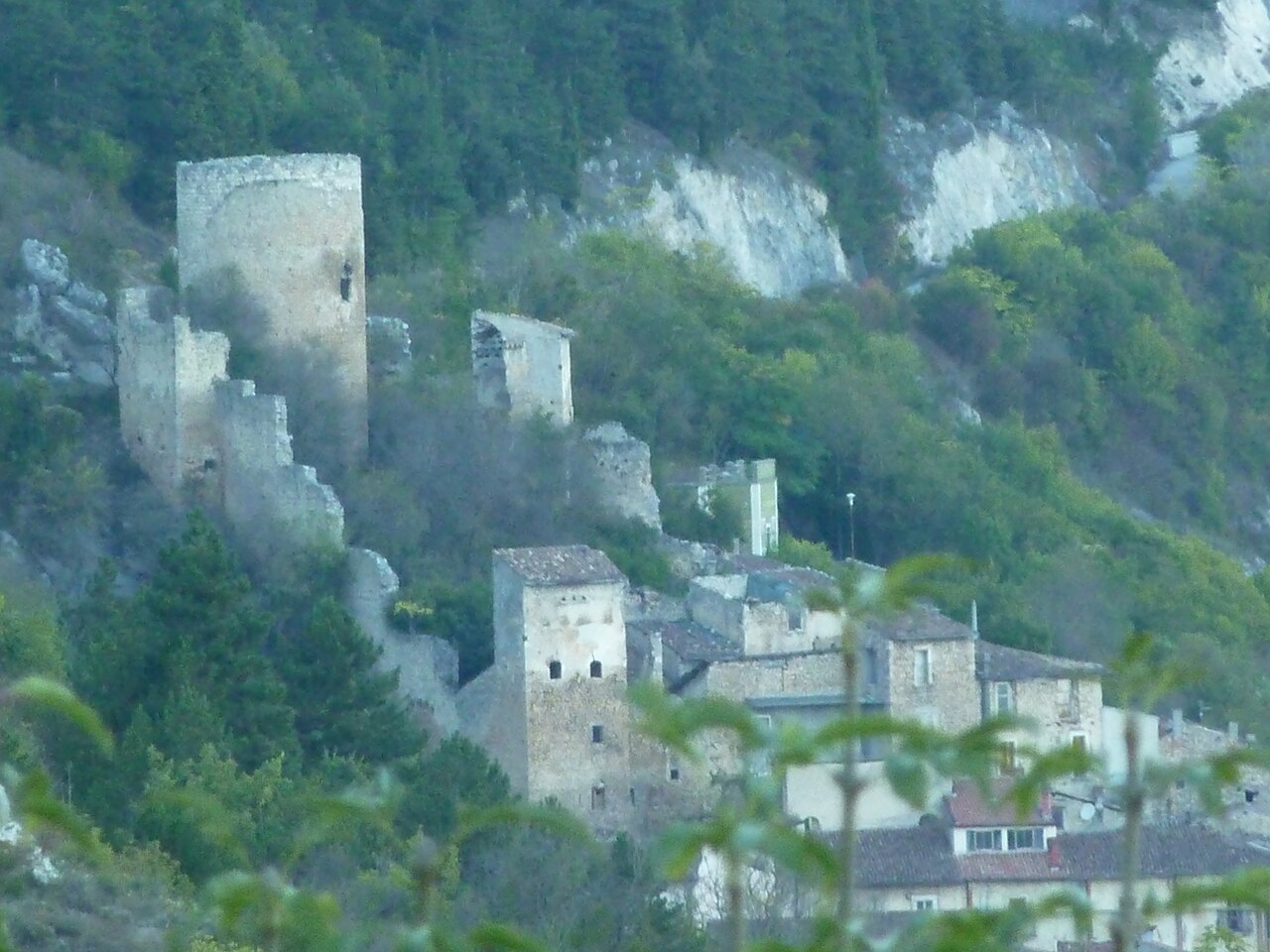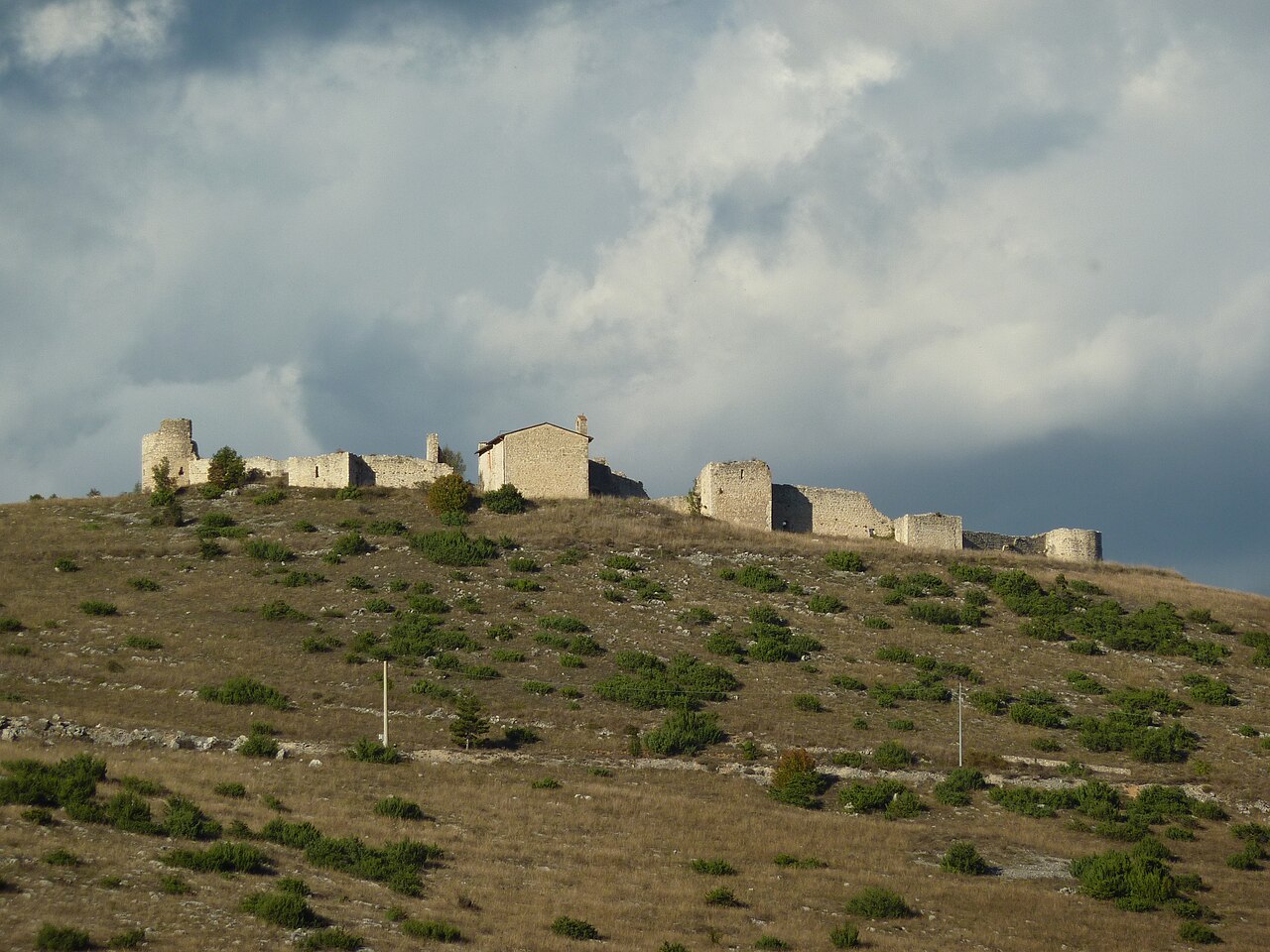
The Abbey of Santo Spirito d'Ocre, known in Italian as Monastero di Santo Spirito d'Ocre, is a 13th-century Cistercian monastery located near the village of Ocre in the Province of L'Aquila, Italy. This hill castle complex, now in a state of ruins, was originally established as a religious and defensive structure during the High Medieval period.
Constructed in the 13th century, the abbey was part of the widespread expansion of the Cistercian order in Italy, which emphasized austere architectural styles and monastic self-sufficiency. The location on a hillside provided natural defensive advantages, typical of hill castles of the era, combining monastic life with strategic military considerations.
Historical background and foundation
The Abbey was founded in a period marked by the growth of monasticism and the consolidation of religious orders such as the Cistercians, who sought to establish remote monasteries following the Rule of Saint Benedict. The abbey's establishment in the 13th century coincided with the broader movement of Cistercian expansion throughout Europe, aimed at creating centers of religious devotion, agriculture, and local governance.
Throughout its history, the Abbey of Santo Spirito d'Ocre played a role not only as a spiritual center but also as a local administrative and economic hub, managing surrounding lands and resources. Its location in the Abruzzo region placed it within a network of monastic sites that influenced the cultural and religious landscape of central Italy.
Architectural features and layout
The abbey complex reflects the Cistercian architectural style characterized by simplicity, functionality, and minimal decoration, aligning with the order’s ideals of austerity and humility. The surviving ruins indicate the presence of key monastic buildings such as the church, cloister, dormitories, refectory, and chapter house.
The church would have been the focal point of the abbey, constructed with stone walls and featuring a modest nave and choir area. The cloister, a central courtyard surrounded by covered walkways, connected the main buildings and provided a contemplative space for the monks.
Defensive elements typical of hill castles are evident in the site’s strategic positioning and remaining fortifications, which would have included walls and possibly towers to protect the monastery from external threats during turbulent medieval times.
Materials and construction techniques
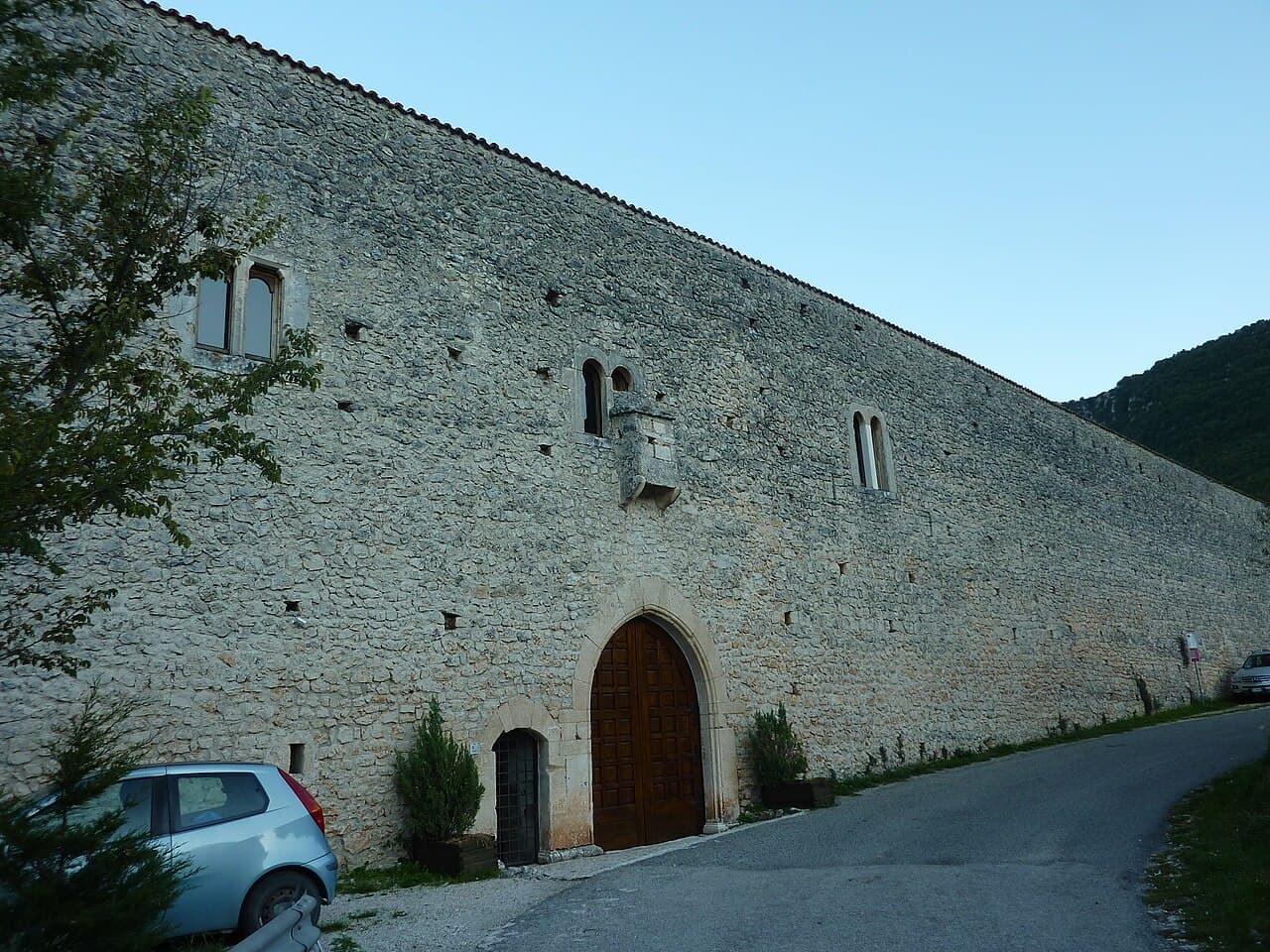
The construction utilized local stone and traditional medieval masonry techniques, ensuring durability and blending the abbey harmoniously with the surrounding landscape. The use of simple geometric forms and limited ornamentation reflects the Cistercian preference for architectural restraint.
Cultural and religious significance
The Abbey of Santo Spirito d'Ocre was a significant religious institution in the Abruzzo region during the Middle Ages. It served as a spiritual center for the Cistercian monks and the local population, promoting religious practices and community cohesion.
Monastic life at Santo Spirito was governed by the strict observance of the Rule of Saint Benedict, emphasizing prayer, manual labor, and self-sufficiency. The abbey also contributed to agricultural development and land management in the region, influencing local economies.
Decline and current condition
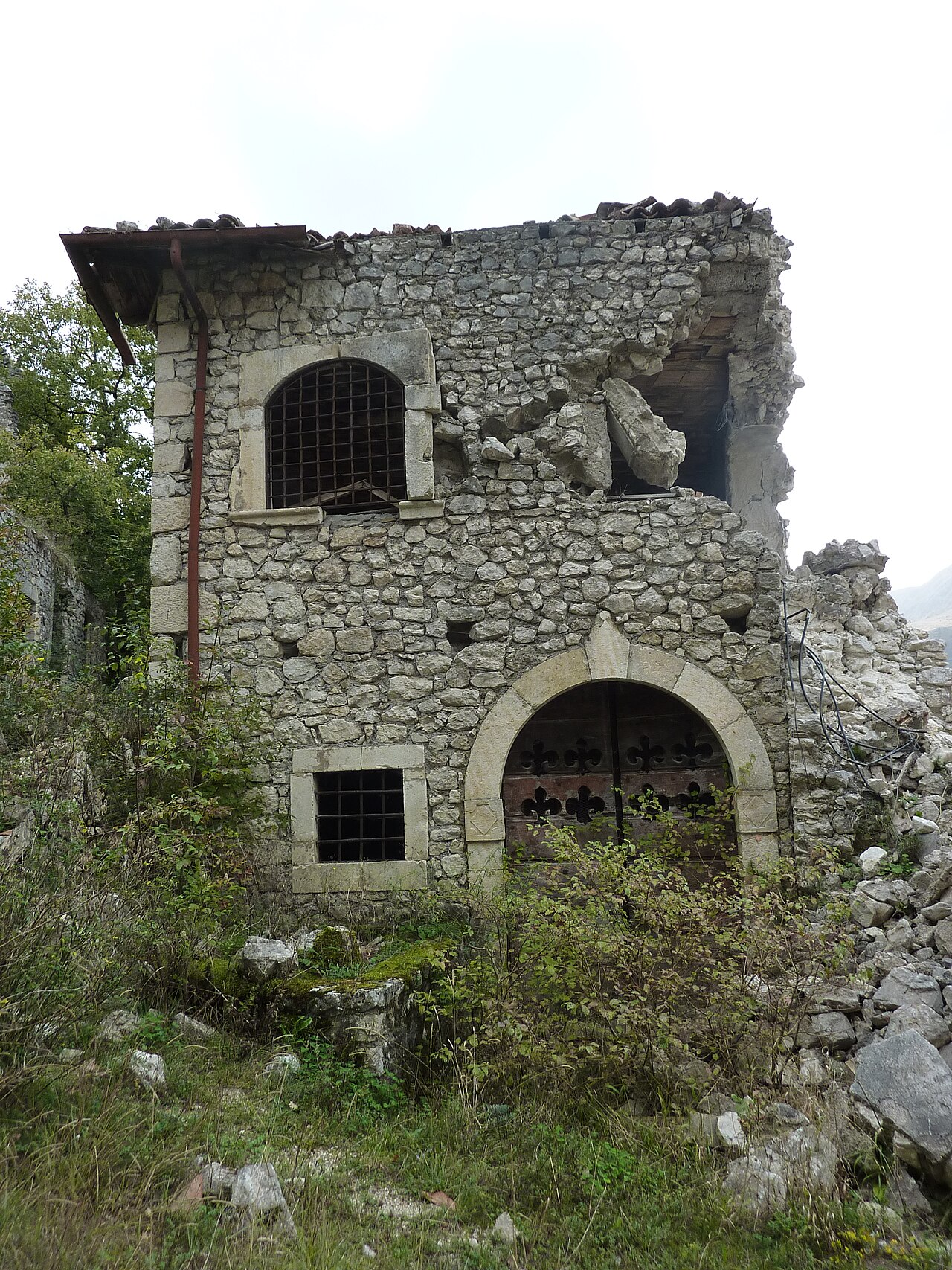
Over the centuries, the abbey experienced decline due to various factors including political changes, economic difficulties, and natural disasters. Earthquakes, common in the Abruzzo region, likely contributed to structural damage.
Today, the Abbey of Santo Spirito d'Ocre remains a ruined site, attracting visitors interested in medieval architecture, monastic history, and the cultural heritage of central Italy. The ruins offer valuable insights into High Medieval monastic architecture and the role of religious orders in shaping the medieval landscape.
Preservation and tourism
The site is managed as a cultural heritage location, with efforts focused on preserving the remaining structures and promoting awareness of its historical importance. Visitors can explore the ruins and appreciate the architectural remnants set against the scenic backdrop of the Abruzzo hills.
Photo gallery

Information
Loading map...
Visitor reviews
No reviews yet. Been here? Write the first review and help other travelers!
Write the first reviewVisited this castle? Share your experience
Your review helps other travelers and adds first-hand knowledge to our encyclopedia.