Castle of Fossa
The Castle of Fossa stands as a remarkable example of medieval fortification in Italy, located in the municipality of Fossa atop the eastern slope of Monte Circolo. Established in the early 12th century during the widespread medieval phenomenon known as incastellamento, this castle exemplifies the strategic shift from ancient settlements to fortified hilltop refuges. The castle's origins are closely linked to the decline of the ancient city of Aveia, a settlement of Vestine and later Roman heritage, whose inhabitants relocated to this more defensible site. This transition reflects broader socio-political changes in medieval Italy, where communities sought protection against invasions and local conflicts by consolidating into fortified villages.
Historical context and development
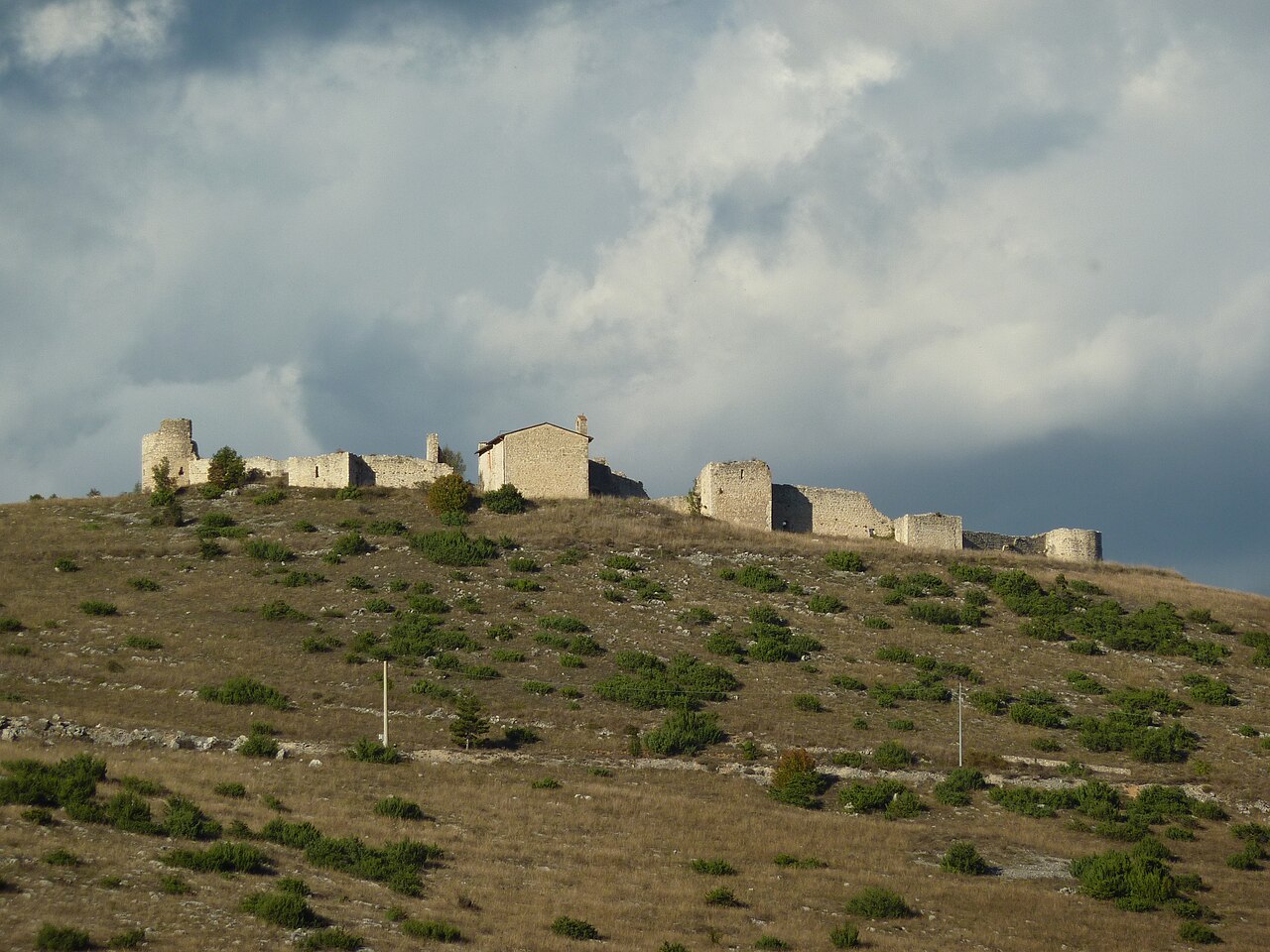
The Castle of Fossa was initially constructed as a hill castle featuring a tall keep or mastio at its summit, serving both as a last refuge and a symbol of lordly power. This keep, dating from the 12th or 13th century, was surrounded by a trapezoidal fortified enclosure that contained the earliest residential structures, marking the nucleus of the medieval village. Over subsequent centuries, the settlement expanded beyond these walls, but the castle remained the focal point of defense and administration.
The castle's development is representative of the defensive architectural trends in the Abruzzo region during the High to Late Medieval periods. Similar fortified sites such as San Pio delle Camere, Barisciano, and Bominaco illustrate this regional pattern of combining residential and military functions within compact, well-defended enclosures.
Architectural features and fortifications
The keep and enclosure walls
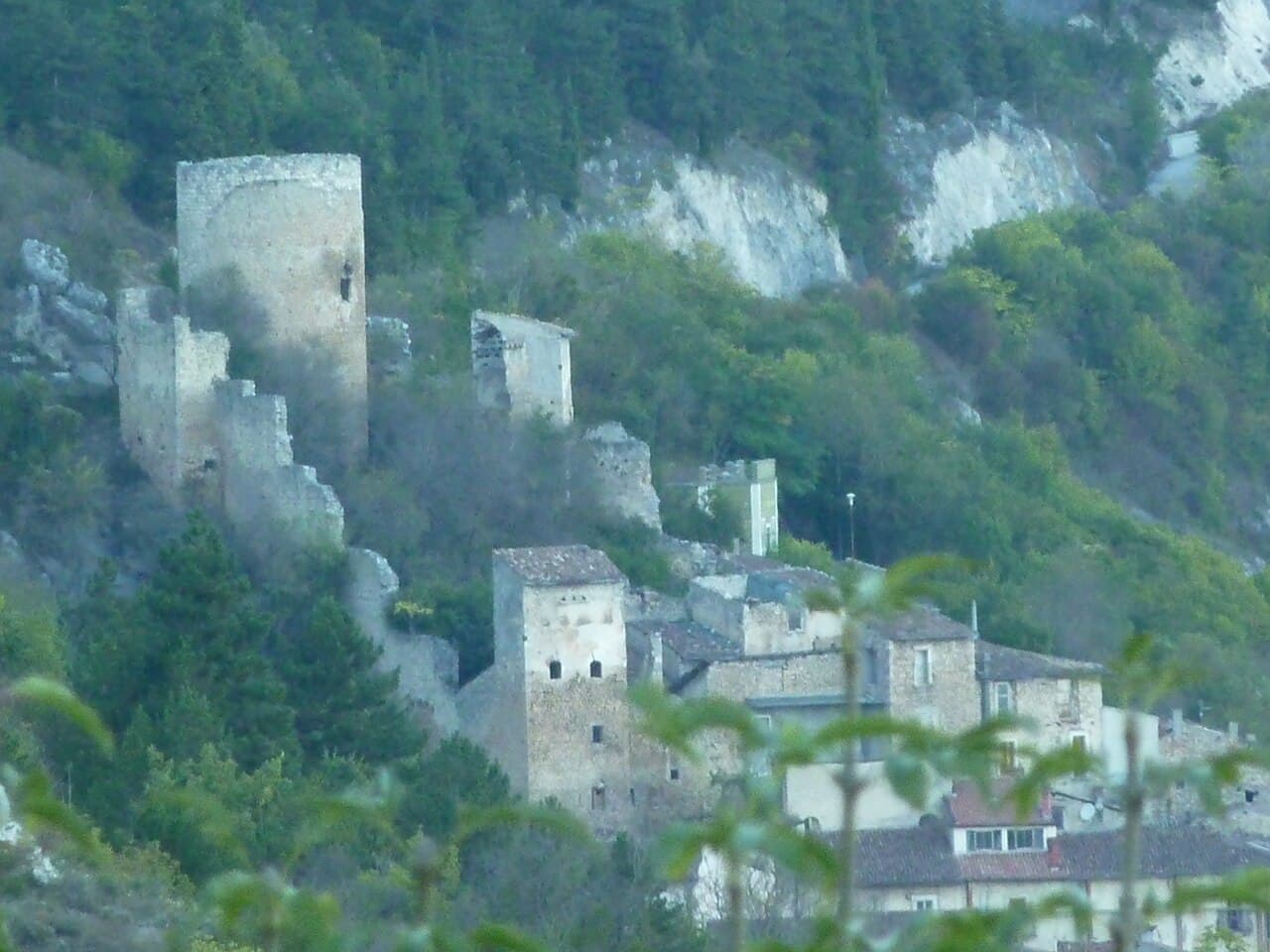
The most striking feature of the castle is its circular keep, which rises approximately 17 meters high and measures about 8 meters in diameter. Unusually, this keep lacks an external entrance; access was gained via a retractable internal staircase, enhancing its defensibility by preventing easy enemy access. The keep was connected to the surrounding walls by a drawbridge leading to an adarve—a walkway along the top of the walls used for patrol and defense.
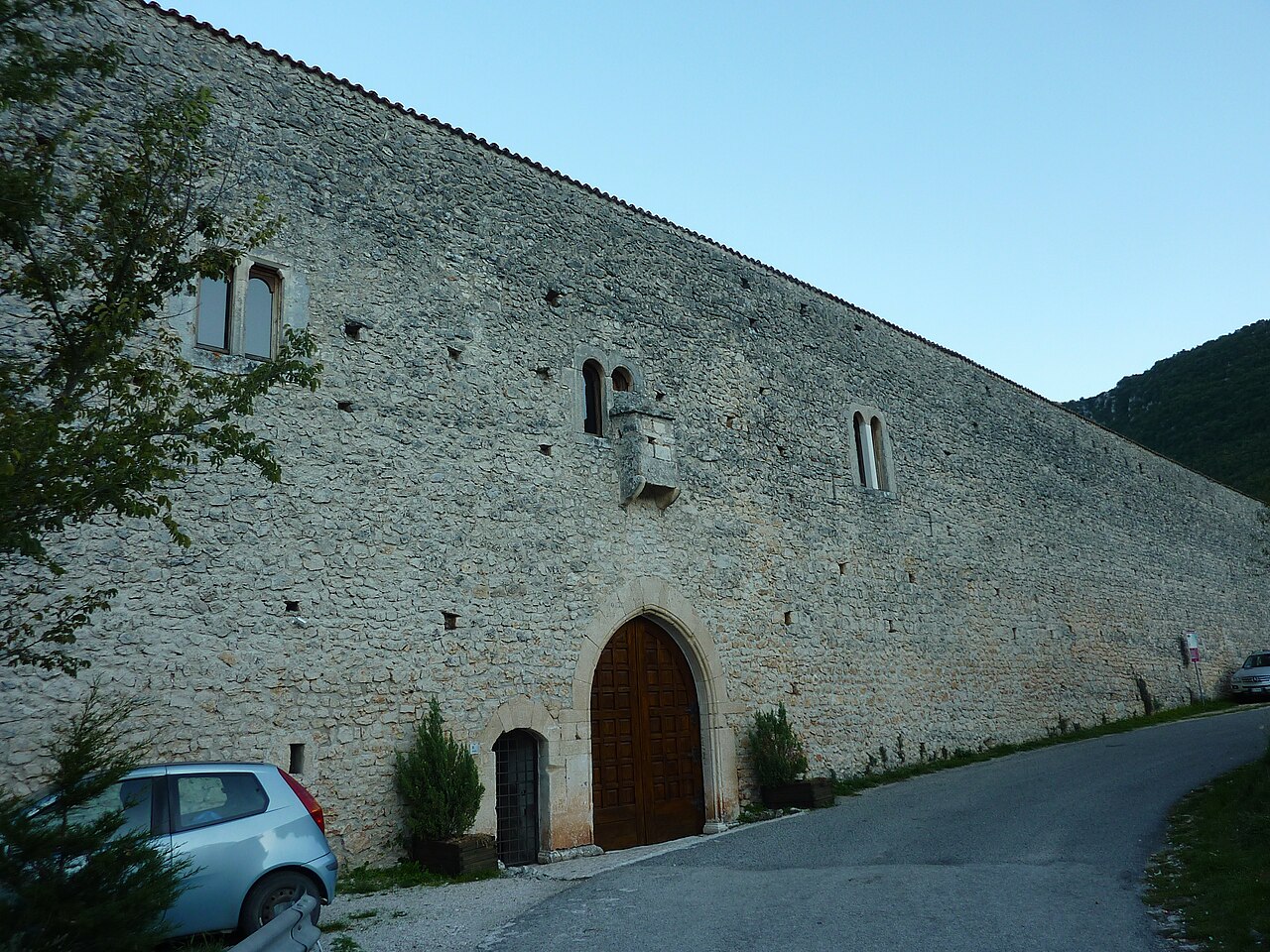
The enclosure walls themselves are formidable, standing between 8 and 10 meters high with a thickness exceeding one meter. Constructed from locally sourced stone, the walls are topped with a battlemented walkway designed for archers and guards to defend the castle effectively. This battlemented parapet allowed defenders to observe the surrounding landscape and repel attackers while remaining protected.
Towers and gates
The trapezoidal layout of the enclosure is reinforced by four square towers positioned at the corners, two of which are situated at the lower corners and served dual defensive and residential roles. Additional towers are strategically placed along the northern wall and on the eastern side adjacent to the southeast tower, further strengthening the castle's defenses and providing vantage points for surveillance.
Access to the castle was controlled through two entrances. The main gate, located on the northeast side, features a pointed stone arch typical of medieval military architecture, designed to be both imposing and defensible. A smaller secondary entrance near the southwest tower allowed for controlled movement into the enclosure, likely used for daily access or as an emergency exit.
The castle's role in medieval society
The Castle of Fossa functioned not only as a military fortress but also as a center of community life. It provided refuge for the local population during times of conflict and served as a symbol of feudal authority. The integration of residential spaces within the fortified enclosure reflects the medieval need to balance defense with everyday living requirements.
Its elevated position on Monte Circolo offered strategic advantages, allowing inhabitants to monitor the surrounding valleys and control key routes. This location was crucial during the turbulent medieval period marked by frequent skirmishes and power struggles among local lords and external forces.
Archaeological significance and preservation
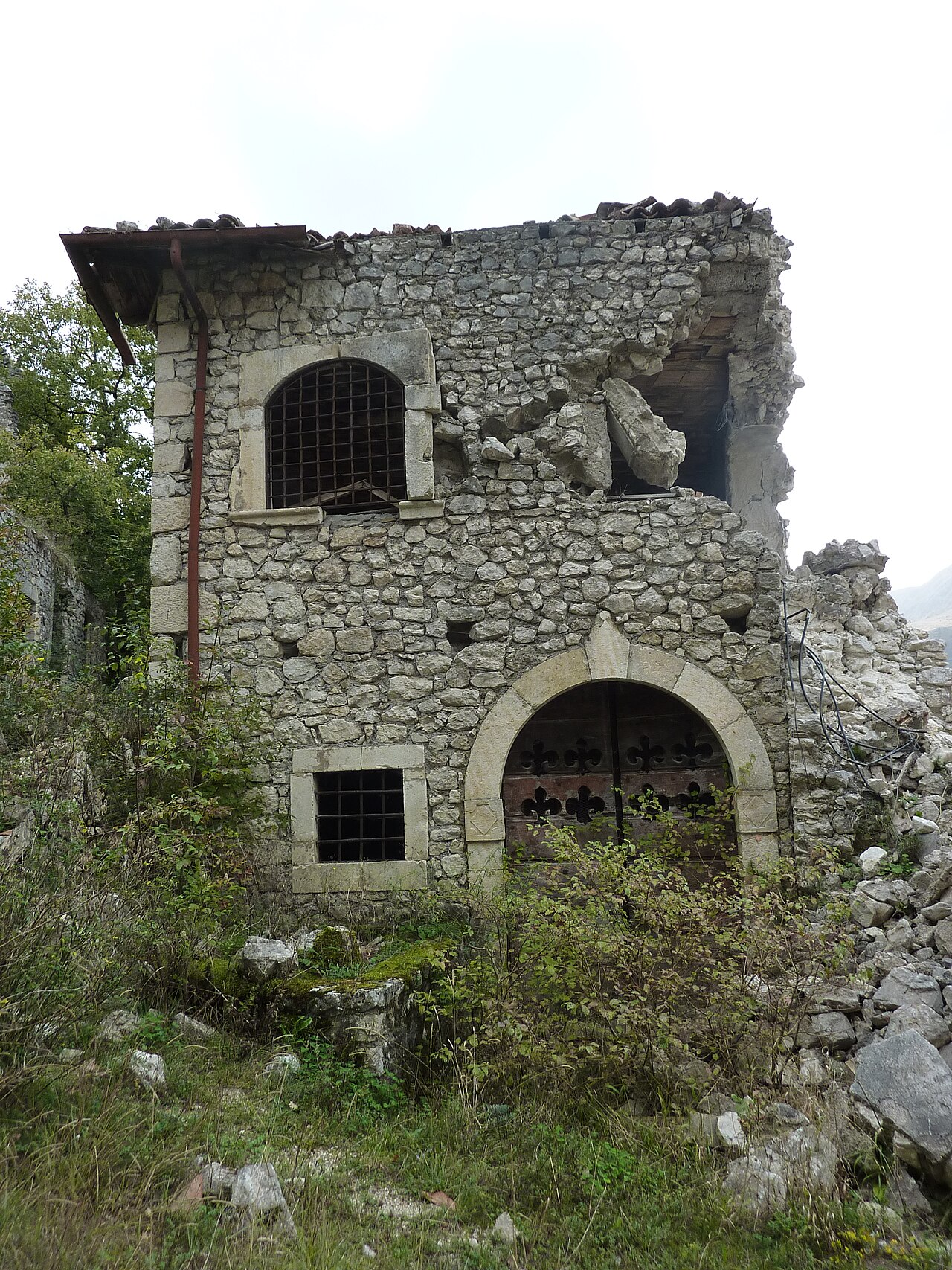
Today, the Castle of Fossa remains a well-preserved example of medieval hill castle architecture in the Abruzzo region. The compact, trapezoidal layout, the imposing circular keep, and the robust enclosure walls with their battlements and towers provide valuable insights into the defensive strategies and living conditions of the period.
Archaeological studies have highlighted the castle's evolution from a simple keep to a complex fortified settlement, illustrating the adaptive nature of medieval fortifications in response to changing military and social needs. The castle's preservation allows visitors and scholars alike to appreciate the craftsmanship and strategic planning characteristic of medieval Italian fortresses.
Visitor experience and cultural heritage
Visitors to the Castle of Fossa can explore the remains of the walls, towers, and keep, gaining a tangible sense of medieval life and defense. The castle's location offers panoramic views of the surrounding landscape, enhancing its appeal as a cultural and historical landmark.
The castle is an important part of the region's heritage, contributing to the understanding of medieval settlement patterns and fortification techniques in central Italy. Its enduring presence underscores the historical significance of hill castles in shaping the social and political landscape of the Middle Ages.
Frequently asked questions (FAQ)
- When was the Castle of Fossa built?
- The Castle of Fossa was established in the early 12th century during the medieval period known as incastellamento.
- What are the main architectural features of the Castle of Fossa?
- The castle features a tall circular keep with no external entrance, trapezoidal enclosure walls with battlements, and several defensive towers.
- Where is the Castle of Fossa located?
- It is located in the municipality of Fossa, on the eastern slope of Monte Circolo in the Abruzzo region of Italy.
- Can visitors explore the Castle of Fossa?
- Yes, visitors can explore the remains of the walls, towers, and keep, experiencing the medieval architecture and panoramic views.
- What was the purpose of the Castle of Fossa?
- The castle served as both a defensive fortress and a residential center, providing refuge and control for the local population during medieval times.
Photo gallery

Information
Loading map...
Visitor reviews
No reviews yet. Been here? Write the first review and help other travelers!
Write the first reviewVisited this castle? Share your experience
Your review helps other travelers and adds first-hand knowledge to our encyclopedia.