Santiago Castle
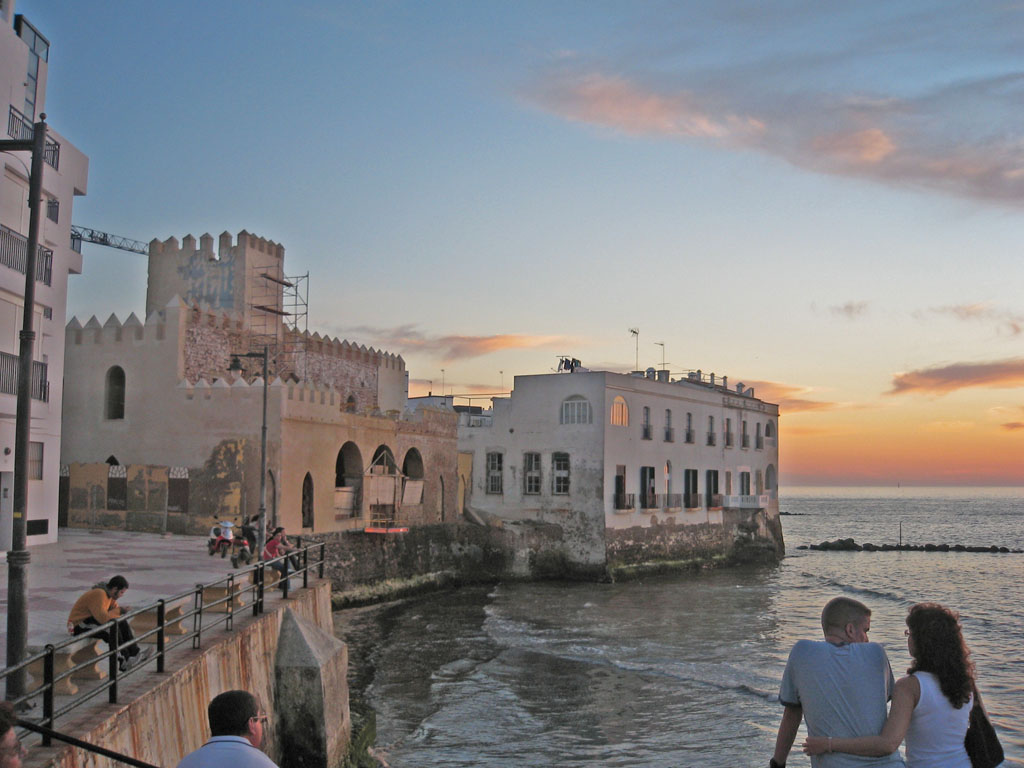
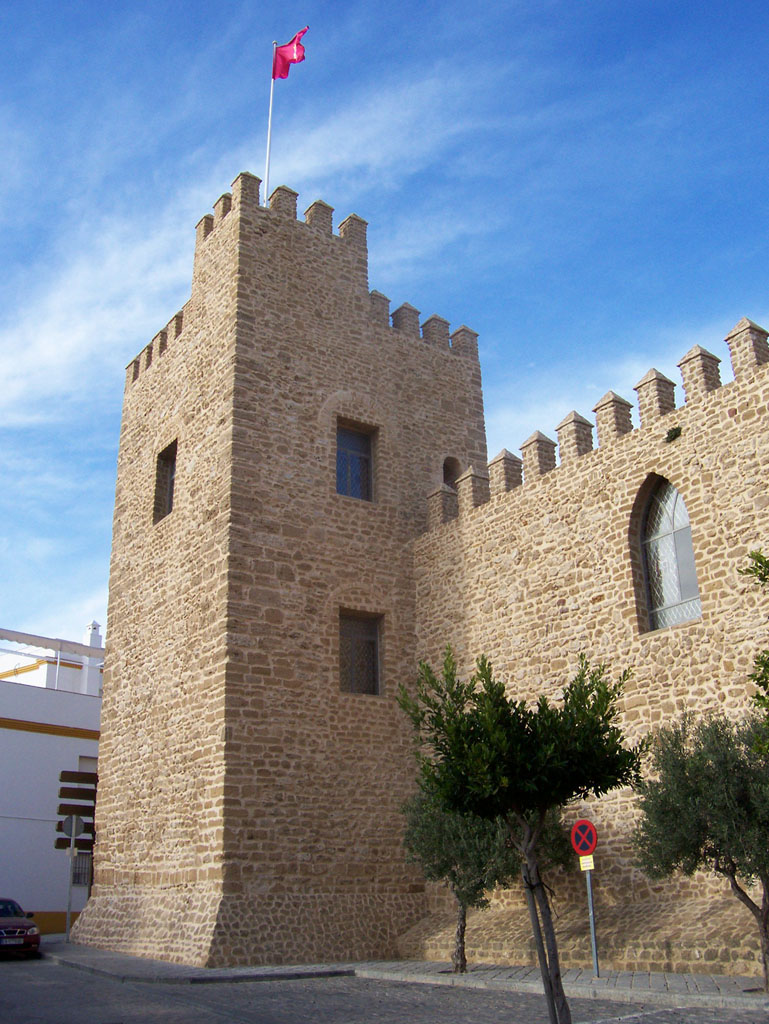
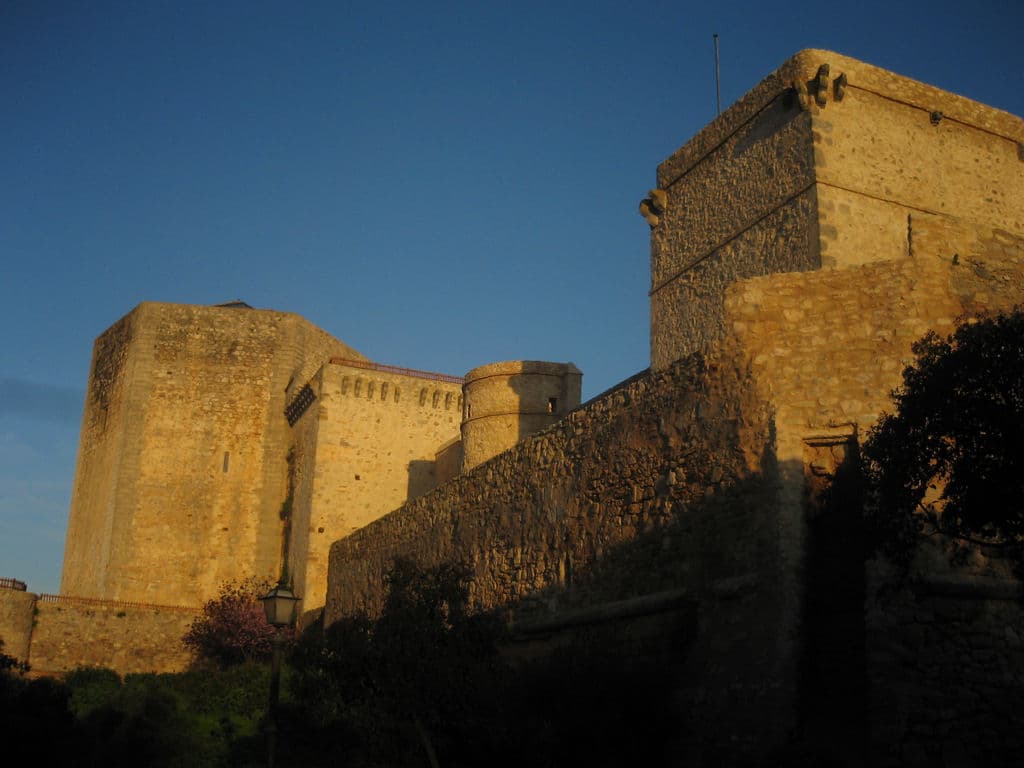
Castillo de Santiago is a prominent late medieval hill castle located in Sanlúcar de Barrameda, Spain. Constructed in the second half of the 15th century under the direction of Enrique Pérez de Guzmán y Meneses, the 2nd Duke of Medina Sidonia, this castle stands as a powerful symbol of the Medina Sidonia family's influence and noble prestige during the late Gothic period. Unlike typical fortresses designed primarily for military defense, Castillo de Santiago was conceived more as a demonstration of ducal authority and status, blending residential and defensive architectural elements.
Historical context and origins
The castle occupies a strategic position on the northeast corner of an earlier fortress originally established by Guzmán el Bueno, the first Lord of Sanlúcar. This earlier stronghold was built along a ravine that divided the town into two distinct levels, influencing both the town's defensive layout and urban development. The construction of the Castillo de Santiago between 1477 and 1478 marked a continuation and enhancement of this site’s historical military and noble functions, firmly tying the castle to the House of Medina Sidonia.
Throughout its history, the castle has served various roles, including as a ducal fortress and later as barracks. Despite its defensive features, its primary function was not military surveillance but rather to assert the power and prestige of the dukes who ruled the region.
Architectural design and materials
The castle is laid out around a central courtyard or patio de armas, enclosed by a quadrangular arrangement of walls, towers, and other defensive structures typical of late Gothic architecture. The construction employs a mixture of traditional materials, including rammed earth (tapial), rubble masonry (mampostería), and finely cut ashlar stonework (sillería). This combination reflects the building practices of the period and the castle’s dual function as a fortified residence.
Main hall and keep tower
A notable feature is the main hall (aula maior) situated at the northeast corner, a square chamber crowned with a brick vault decorated with wall paintings displaying the duke’s emblem, known as a segur. Adjacent to this hall is the keep tower (torre del homenaje), distinctive for its hexagonal plan. This tower’s design draws inspiration from the Guzmán tower of the castle of Tarifa, linking it architecturally to other noble fortifications associated with the Medina Sidonia family.
Defensive features and decorative elements
The castle’s parapets originally featured late Gothic openwork crenellations, decorative battlements pierced with ornamental openings. Although parts of these crenellations have been partially restored, many original merlons have been lost or altered due to restoration. The lower walls of the castle preserve ancient graffiti and mason’s marks, engraved by the medieval builders, offering valuable insights into the construction techniques and craftsmanship of the era.
The northern barbican gate is among the castle’s most remarkable sculptural features. This entrance, leading from the outer defenses into the central courtyard, is topped by a semicircular arch with a half-relief sculpture of a double-tailed triton, a mythological sea figure. Flanking this relief are the coats of arms of the Pérez de Guzmán and Mendoza families, symbolizing the noble lineage connected to the castle. The gate, traditionally called the "door of the Siren," bears the signature "Marinu de Nea," likely the Neapolitan sculptor responsible for this blend of late Gothic and early Renaissance stylistic elements.
Archaeological investigations and restoration
Between 1989 and 1991, archaeological excavations uncovered significant medieval architectural features, including a vaulted passageway linking the castle’s fortifications to adjacent houses and providing direct access to the Ducal Palace. This discovery highlighted the castle’s integration within the urban fabric of Sanlúcar and its role as a noble residence rather than merely a military installation.
After a damaging fire in the late 1980s affected part of the castle courtyard, a comprehensive restoration project commenced in 2003, led by the company OFFICIA. This project aimed to respect the castle’s multiple historical phases and preserve its architectural integrity, ensuring the survival of its diverse stylistic features and structural elements.
Significance and current status
Today, Castillo de Santiago stands as a well-preserved monument reflecting the historical presence and influence of the Medina Sidonia lineage in Sanlúcar de Barrameda. Its architectural complexity, combining Gothic defensive structures with noble residential elements, offers valuable insights into the social and political dynamics of late medieval Spain.
The castle’s blend of functional fortification and symbolic architecture illustrates the evolving role of noble residences during the transition from the medieval period to the Renaissance. It remains a significant cultural and heritage site, attracting visitors interested in Spanish history, medieval architecture, and the legacy of one of Andalusia’s most powerful noble families.
Frequently asked questions (FAQ)
- What is the historical significance of Santiago Castle?
- Santiago Castle, located in Sanlúcar de Barrameda, is a prominent example of medieval military architecture. Built in the 15th century, it played a crucial role in the defense against invasions and served as a royal residence, reflecting the rich history of the region.
- When was Santiago Castle built?
- Santiago Castle was constructed in the late 15th century, around 1480. It was built under the reign of the Catholic Monarchs and has since been an important landmark in the history of Sanlúcar de Barrameda.
- Can I visit Santiago Castle?
- Yes, Santiago Castle is open to visitors, allowing you to explore its impressive architecture and learn about its history. Guided tours are available, providing insights into the castle's past and its significance in Spanish history.
- What are the opening hours for Santiago Castle?
- Santiago Castle is typically open from 10 AM to 7 PM during the summer months and 10 AM to 5 PM in the winter. It’s advisable to check the official website or contact local tourism for any seasonal changes or holiday hours.
- Is it possible to access Santiago Castle with a wheelchair?
- Santiago Castle strives to be accessible to all visitors. However, due to its historic nature and uneven terrain, some areas may present challenges for wheelchair users. It’s best to contact the castle administration for specific accessibility information.
- What are the ticket prices for visiting Santiago Castle?
- Ticket prices for Santiago Castle are generally affordable, with discounts available for students, seniors, and children. Admission fees may vary based on special exhibitions or events, so checking the official site for the latest pricing is recommended.
- When is the best time to visit Santiago Castle?
- The best time to visit Santiago Castle is during the spring and fall when the weather is pleasant and crowds are smaller. Visiting during these seasons allows for a more enjoyable experience as you explore the castle and its surroundings.
- What nearby attractions can I explore after visiting Santiago Castle?
- After visiting Santiago Castle, you can explore the beautiful beaches of Sanlúcar de Barrameda, the picturesque historic center, and other landmarks such as the Doñana National Park. The area is rich in culture and history, making it an ideal destination for a full day of exploration.
Photo gallery

Photo by José Manuel Lira Vidal•Public domain
Information
Website
Visit websiteSources & official resources
Verify the information above using these authoritative references.
Loading map...
Visitor reviews
No reviews yet. Been here? Write the first review and help other travelers!
Write the first reviewVisited this castle? Share your experience
Your review helps other travelers and adds first-hand knowledge to our encyclopedia.