Castillo de Trebujena
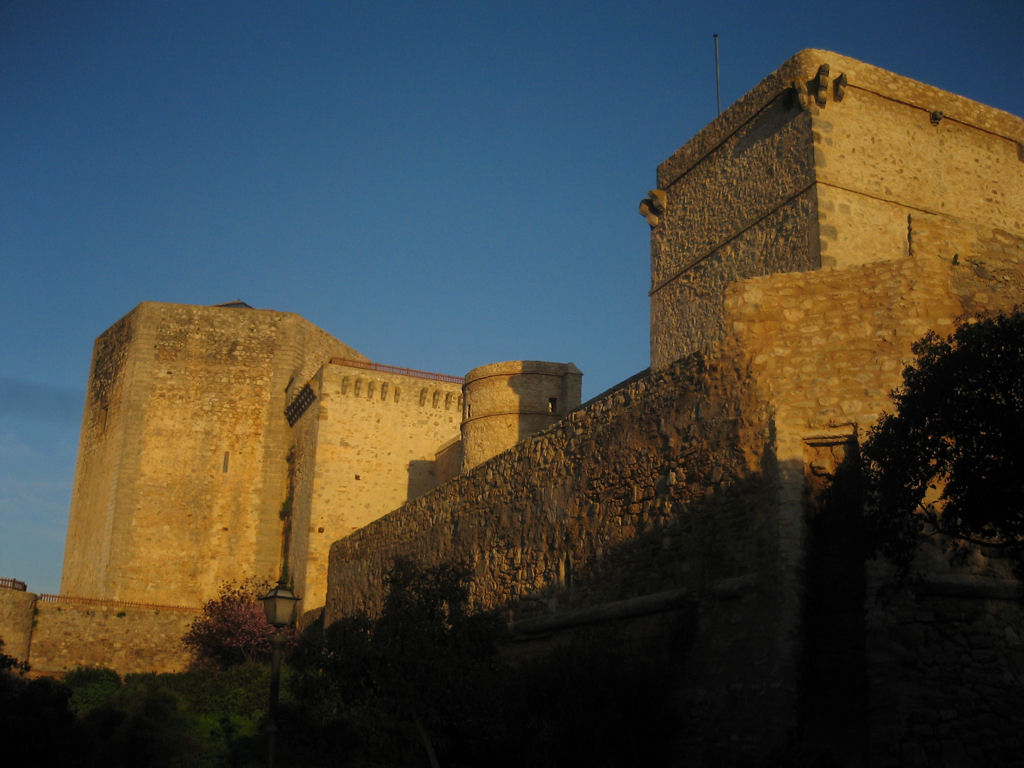
The Castillo de Trebujena is a notable hill castle located in the municipality of Trebujena, within the province of Cádiz, Andalusia, Spain. This fortress, originally constructed during the transition from the 13th to the 14th century by the Arabic civilization, stands as a testament to the region's strategic military importance during the Late Medieval period. Its primary function was defensive, designed to protect local inhabitants from enemy incursions and to maintain control over the surrounding territory.
Historical origins and medieval significance
The castle’s initial construction reflects the typical military architecture of the Islamic period in the Iberian Peninsula, featuring a compact, fortified layout with robust ashlar masonry walls. The fortress was strategically positioned on a hill, providing commanding views of the surrounding landscape, which was critical for early detection of approaching forces. Integral to its design was a network of watchtowers that enabled communication across distances, facilitating rapid transmission of warnings and enhancing the security of the region.
Following the Reconquista, the castle came under Christian control and experienced several changes in ownership and function. A prominent figure associated with the castle is Alonso Pérez de Guzmán el Bueno (1550–1615), a nobleman who acquired the fortress and is believed to have overseen significant reconstruction efforts. Under his stewardship, the castle's military role diminished as it adapted to new civic and economic functions.
Architectural features and structural evolution
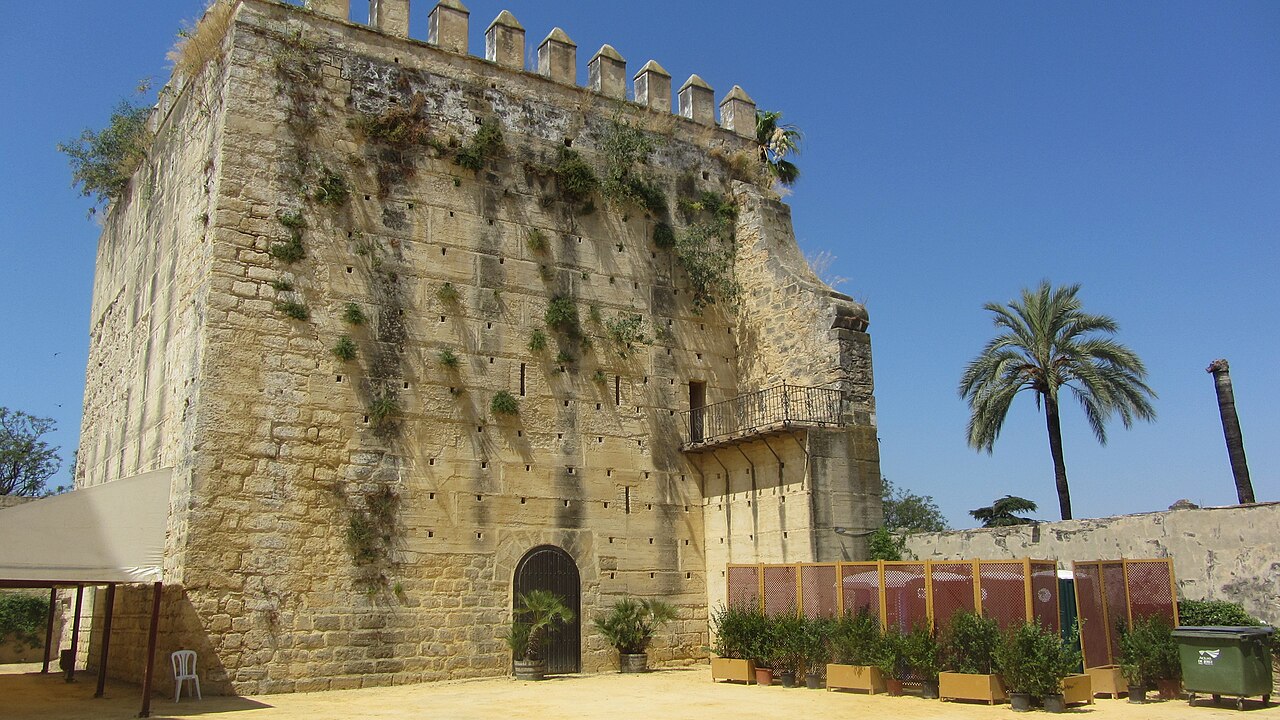
The surviving structure of the Castillo de Trebujena reveals a medieval layout defined by four main sections of fortified walls, or lienzos de muralla, enclosing an internal courtyard approximately 17 by 16 meters. These walls were built using finely cut ashlar masonry, a technique that provided both structural strength and a refined aesthetic. The fortress’s defensive perimeter is further emphasized by the presence of a watchtower at the southwest corner, which remains integrated into the current building fabric. This tower was essential for surveillance and communication during the castle's operational period.
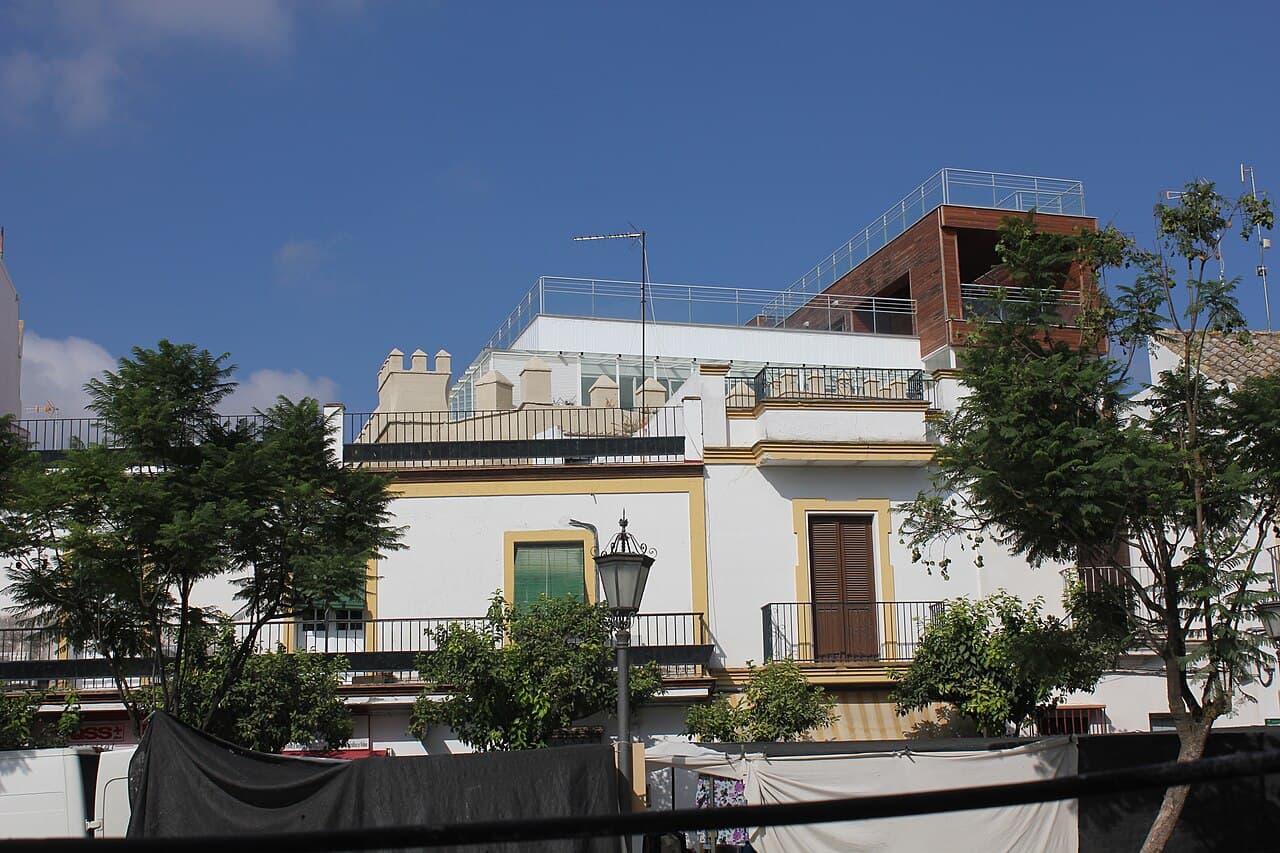
The castle's walls are partially supported by adjacent modern constructions, which have contributed to their preservation. Some wall segments are exposed in the rear courtyards of neighboring houses, offering valuable insights into the original defensive boundaries. The battlements crowning the walls, characterized by crenellations, were added during restoration efforts in the 1980s to enhance the fortress’s historical appearance, although they are not original medieval features.
Adaptive reuse and cultural heritage status
Over the centuries, the Castillo de Trebujena adapted to various civilian roles. In the 17th century, it housed a well that served as a vital water source for the local community. Later, it functioned as a marketplace known as the Plaza de abastos, reflecting its integration into the social and economic life of Trebujena. During the 19th and 20th centuries, parts of the castle were converted for residential use, marking a significant shift from its original military purpose.
The castle’s preservation became a priority in the mid-20th century when the local city council acquired it in 1966. It was subsequently recognized for its cultural significance by inclusion in the Inventory of Protection of European Cultural Heritage in 1968 and was declared a Bien de Interés Cultural (BIC) by the Spanish government, with official designation dates cited as 1983 and 1993 in various records.
In 2006, an archaeological and restoration project led by Diego Bejarano Gueimundez aimed to conserve the historic fabric of the castle and adapt it for cultural and educational purposes. Locally, the fortress is also known as Castillo de los Guzmanes or Castillo de Guzmán el Bueno, honoring its notable owner, as well as Castillo del Altozano, named after the plaza where it stands.
Location and urban context
The castle occupies a prominent position within the urban fabric of Trebujena, bordered by several plazas: Federico García Lorca, Antonio Cañadas, and Altozano, as well as Antonio Machado street. The main access point is through Plaza del Altozano, with a secondary entrance on Antonio Machado street. This integration into the modern town highlights the castle's continued relevance as a cultural landmark.
Preservation and current condition
Today, the Castillo de Trebujena is classified as partially preserved. While much of its original medieval fabric remains, the castle has undergone various phases of alteration and restoration. The addition of decorative crenellations in the 1980s and the archaeological interventions of 2006 have helped stabilize and highlight its historical features. The fortress stands as a visible reminder of Trebujena's medieval past and its evolution through centuries of social, economic, and architectural change.
Architectural significance
The castle exemplifies the transition from Islamic to Christian military architecture in southern Spain, showcasing ashlar masonry techniques and defensive strategies typical of the Late Medieval period. Its compact footprint and strategic hilltop location reflect the practical needs of fortification in a contested border region. The surviving watchtower and wall sections provide valuable examples of medieval military design adapted over time for civilian uses.
Cultural importance and tourism
As a protected cultural landmark, the Castillo de Trebujena attracts visitors interested in medieval history and Andalusian heritage. Its proximity to other historic sites in the Cádiz province enhances its appeal. Efforts to maintain and restore the castle contribute to local identity and provide educational opportunities about the region's complex past.
Frequently asked questions (FAQ)
- What is the historical significance of Castillo de Trebujena?
- Castillo de Trebujena, dating back to the 13th century, played a crucial role in the defense against invasions during the Reconquista. It showcases the strategic importance of the region and reflects the architectural styles of that era, making it a significant landmark in Spanish history.
- When is the best time to visit Castillo de Trebujena?
- The best time to visit Castillo de Trebujena is during the spring and fall months when the weather is mild and pleasant. This allows visitors to enjoy the beautiful surroundings and explore the castle comfortably without the extreme heat of summer.
- Can I access Castillo de Trebujena with a wheelchair?
- Yes, Castillo de Trebujena is committed to accessibility, and there are facilities in place to assist visitors with mobility challenges. However, some areas may have uneven surfaces, so it is advisable to check in advance for specific accessibility options.
- What are the opening hours for Castillo de Trebujena?
- Castillo de Trebujena is typically open from 10 AM to 6 PM, but hours may vary depending on the season and special events. It is recommended to check the official website or contact the visitor center for the most current information before planning your visit.
- How much are the ticket prices for Castillo de Trebujena?
- Ticket prices for Castillo de Trebujena are generally affordable, with discounts available for students and seniors. Children under a certain age can often enter for free, making it a great family-friendly destination.
- Is it possible to take guided tours of Castillo de Trebujena?
- Yes, guided tours are available at Castillo de Trebujena, providing visitors with an in-depth understanding of its history and architecture. These tours are typically offered in multiple languages and can enhance your experience by sharing fascinating stories about the castle.
- What nearby attractions can I visit while in Trebujena?
- While visiting Castillo de Trebujena, you can explore other nearby attractions such as the picturesque village of Trebujena itself, known for its local cuisine and charming streets. Additionally, the surrounding natural parks offer beautiful landscapes and hiking opportunities for nature enthusiasts.
Photo gallery

Information
Website
Visit websiteSources & official resources
Verify the information above using these authoritative references.
Loading map...
Visitor reviews
No reviews yet. Been here? Write the first review and help other travelers!
Write the first reviewVisited this castle? Share your experience
Your review helps other travelers and adds first-hand knowledge to our encyclopedia.