Sangdang Sanseong
Sangdang Sanseong is a historic bastioned fortress located in the mountainous region of Korea, reflecting the military architectural practices used to defend strategic points during the Joseon Dynasty. This fortress exemplifies the adaptation of traditional Korean fortification techniques combined with bastion-style elements that were influenced by the need to counter artillery advancements.
Historical context and strategic importance
The fortress was constructed primarily to serve as a defensive stronghold protecting key routes and local settlements from invasions and raids. Situated on elevated terrain, it provided commanding views of the surrounding landscape, allowing early detection of enemy movements. Its location within Korea's rugged topography made it a critical military asset during times of conflict.
Architectural features and design
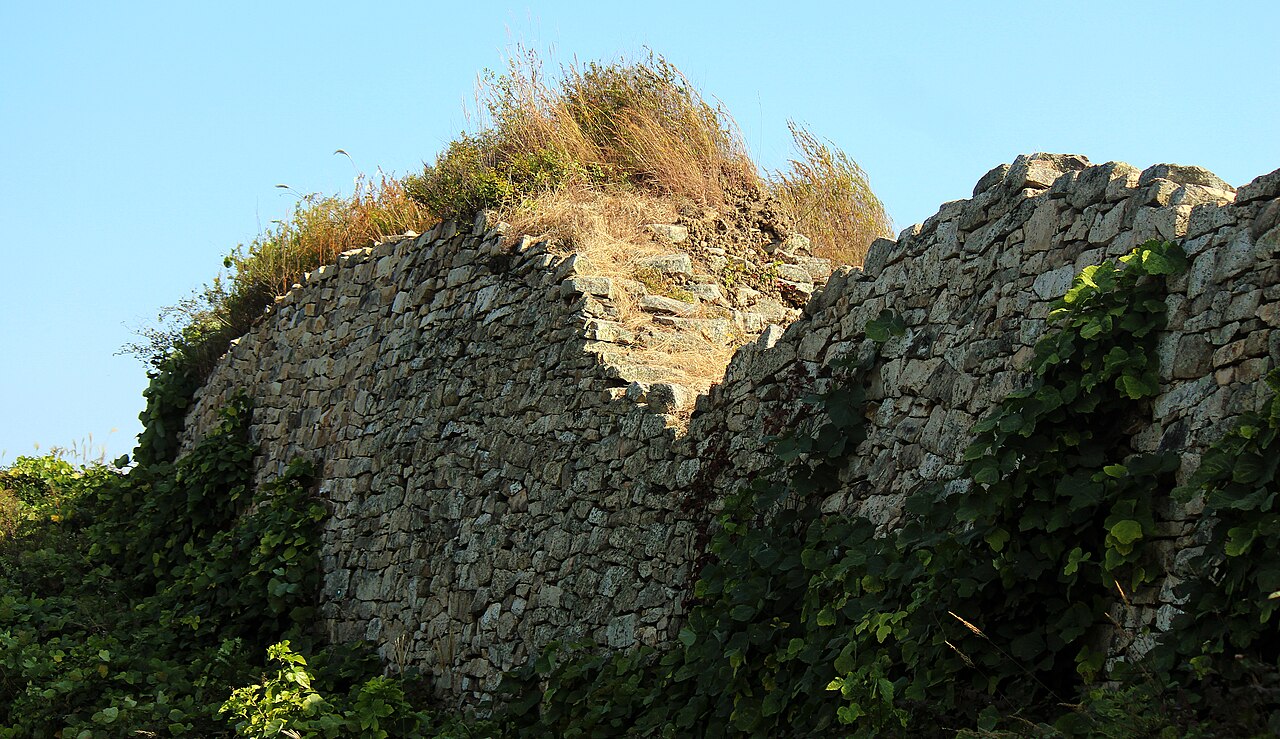
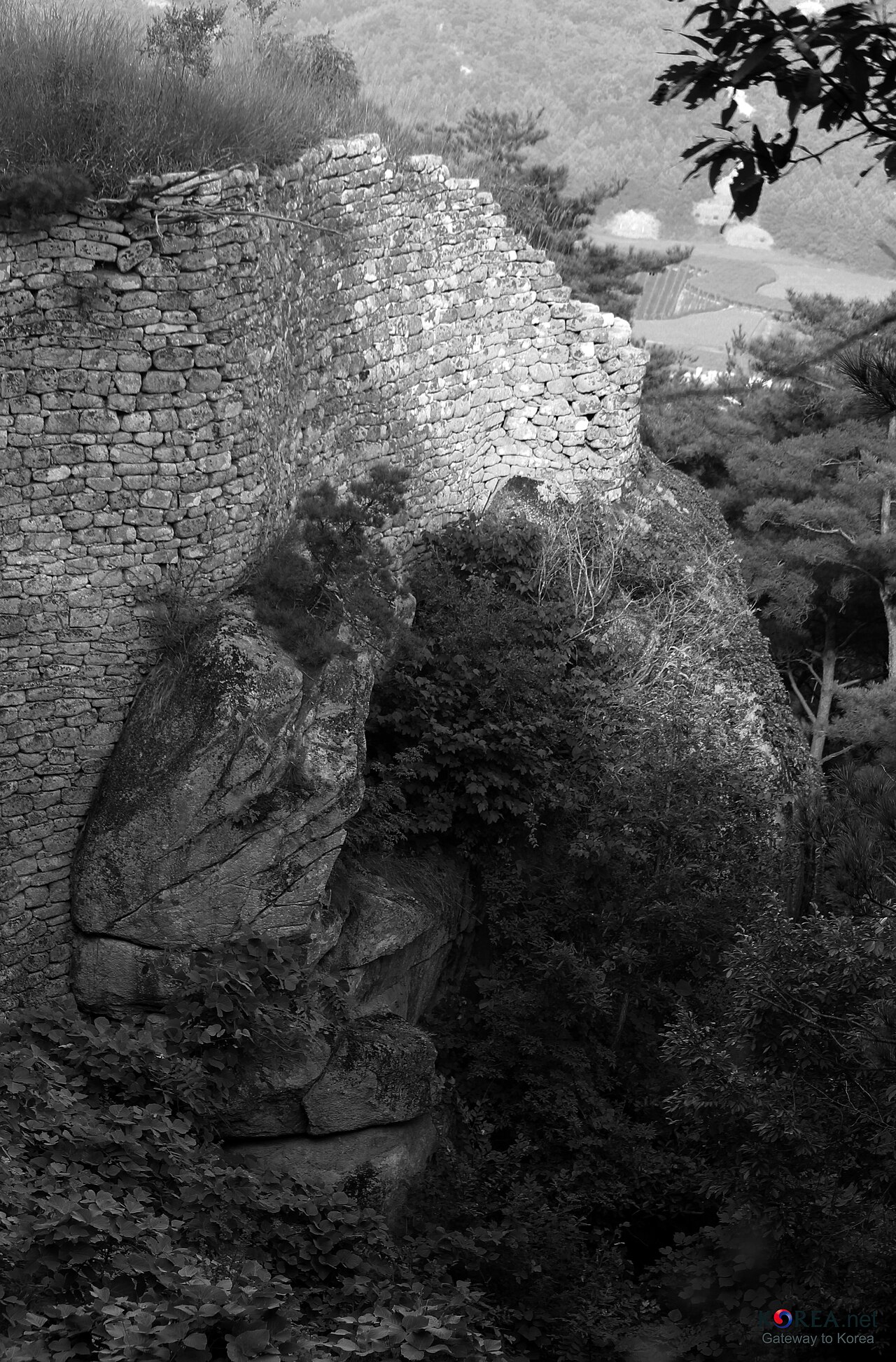
Sangdang Sanseong is characterized by its massive stone walls reinforced with bastions—projecting structures that allowed defenders to cover adjacent walls with defensive fire, minimizing blind spots. The walls are constructed from large, carefully fitted stones, typical of Korean fortress construction, designed to withstand both siege weaponry and natural erosion.
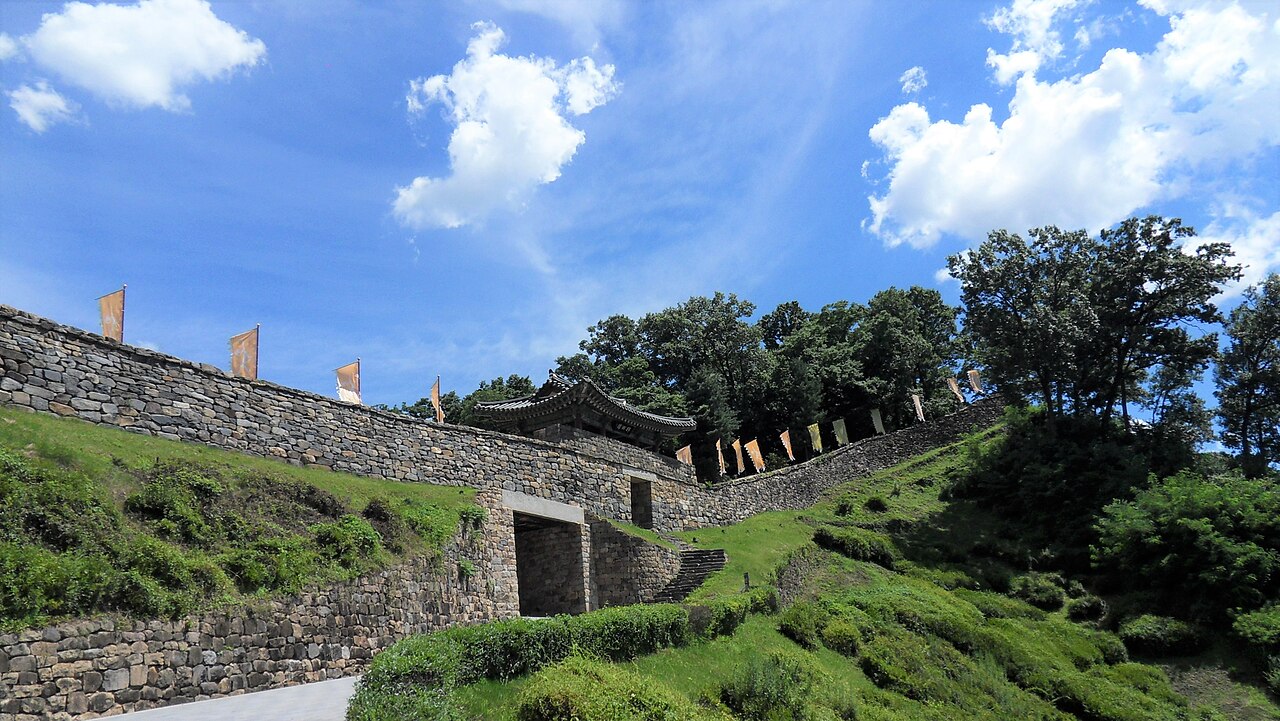
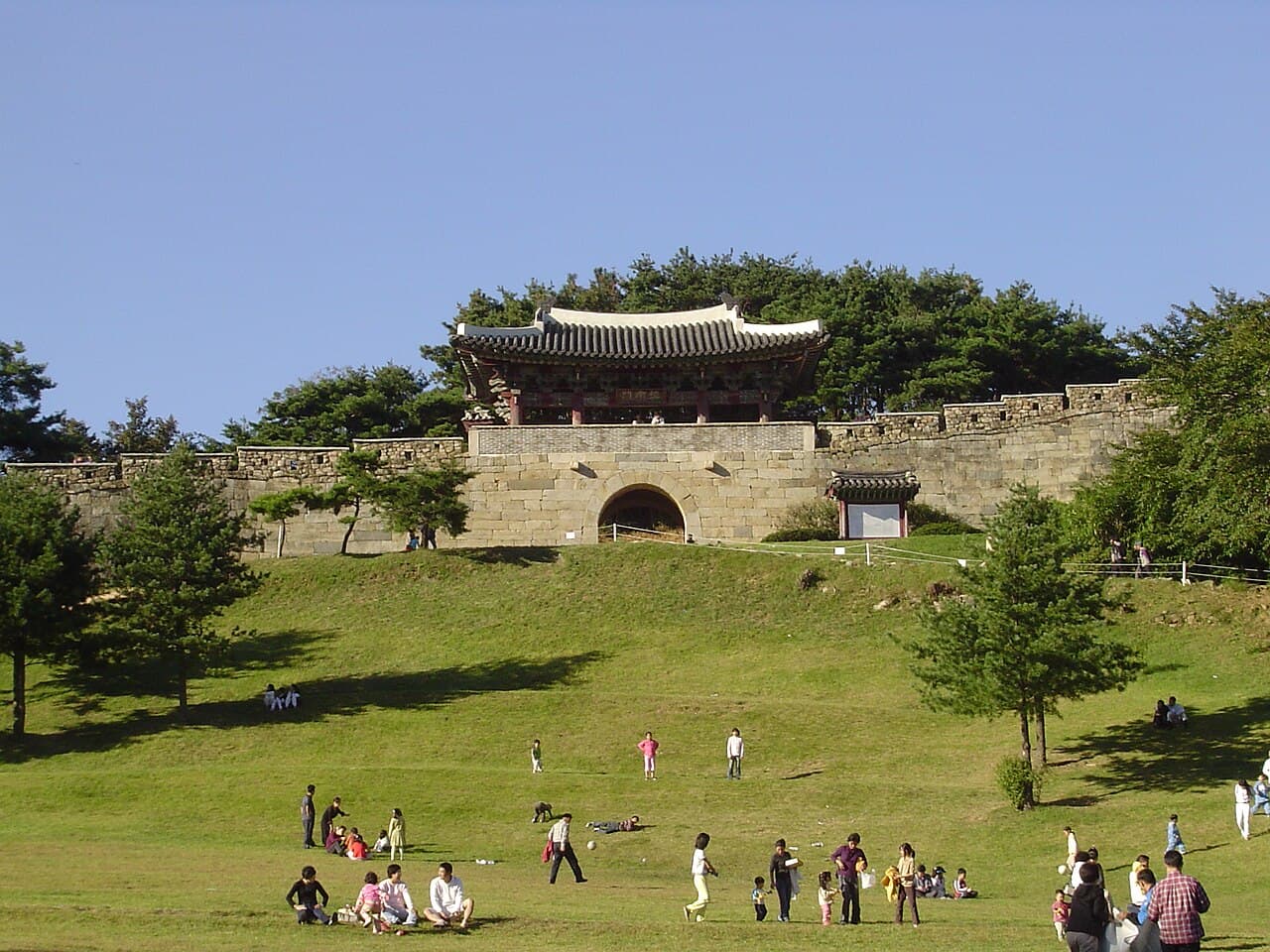
The fortress includes multiple gates fortified with guardhouses and defensive mechanisms. These gates controlled access and were often the focal points of assaults, thus built robustly with layered defenses. Inside, the fortress contained courtyards and military quarters to house troops and supplies.
Bastions and defensive innovations
The bastioned design of Sangdang Sanseong reflects an evolution in Korean military architecture, incorporating angled bastions that allowed crossfire coverage, a technique influenced by the introduction of gunpowder weapons. This design helped improve the fortress's ability to repel attackers using cannon and musket fire, which were becoming more prevalent in the region during the later medieval period.
Preservation and current condition
Today, Sangdang Sanseong remains partially preserved, with significant sections of its walls and bastions intact. Restoration efforts have focused on stabilizing the stone structures and maintaining the historical integrity of the site. Visitors can explore the fortress grounds and witness the enduring strength of traditional Korean fortress construction.
Cultural significance and tourism
The fortress is recognized as an important cultural heritage site, representing Korea's military history and architectural ingenuity. It attracts scholars, history enthusiasts, and tourists interested in Korea's defensive architecture and mountain fortresses. The site offers educational opportunities through guided tours and informational displays about its construction, historical role, and preservation.
Visiting Sangdang Sanseong
Visitors to Sangdang Sanseong can experience hiking trails that lead to various vantage points along the fortress walls. The combination of natural scenery and historical architecture provides a unique insight into Korea's past defensive strategies. The site is accessible year-round, with best visits during spring and autumn when the weather is mild and the landscape is particularly scenic.
Frequently asked questions (FAQ)
- What is Sangdang Sanseong?
- Sangdang Sanseong is a bastioned fortress in Korea built to defend strategic mountain routes during the Joseon Dynasty.
- When was Sangdang Sanseong constructed?
- The fortress dates back to the late medieval period, reflecting military architectural adaptations to gunpowder weaponry.
- Can visitors explore the fortress today?
- Yes, Sangdang Sanseong is partially preserved and open to visitors who can walk along the walls and explore the site.
- What are the key architectural features of Sangdang Sanseong?
- The fortress features massive stone walls, bastions for crossfire defense, fortified gates, and internal courtyards.
- Why was the bastioned design important?
- The bastioned design allowed defenders to cover adjacent walls with fire, improving defense against artillery and musket attacks.
Photo gallery

Photo by Hutch1225•Public domain
Information
Loading map...
Visitor reviews
No reviews yet. Been here? Write the first review and help other travelers!
Write the first reviewVisited this castle? Share your experience
Your review helps other travelers and adds first-hand knowledge to our encyclopedia.