Samnyeonsanseong
Samnyeonsanseong fortress, also known as the Samnyeon Sanseong Fortress, represents a significant example of early Korean military architecture from the 5th century. Located in Boeun County, North Chungcheong Province of South Korea, this archaeological ruin stands as a testament to the defensive strategies employed during the Silla period.
Historical background and construction
The fortress was constructed beginning in the year 470, during the reign of the Silla Kingdom, one of the Three Kingdoms of Korea. Its name, which translates to "three-year mountain fortress," is believed to reference either the length of its construction or a significant event related to its establishment. The fortress was strategically built on a mountainous terrain, utilizing the natural topography to enhance its defensive capabilities.
Architectural features and layout
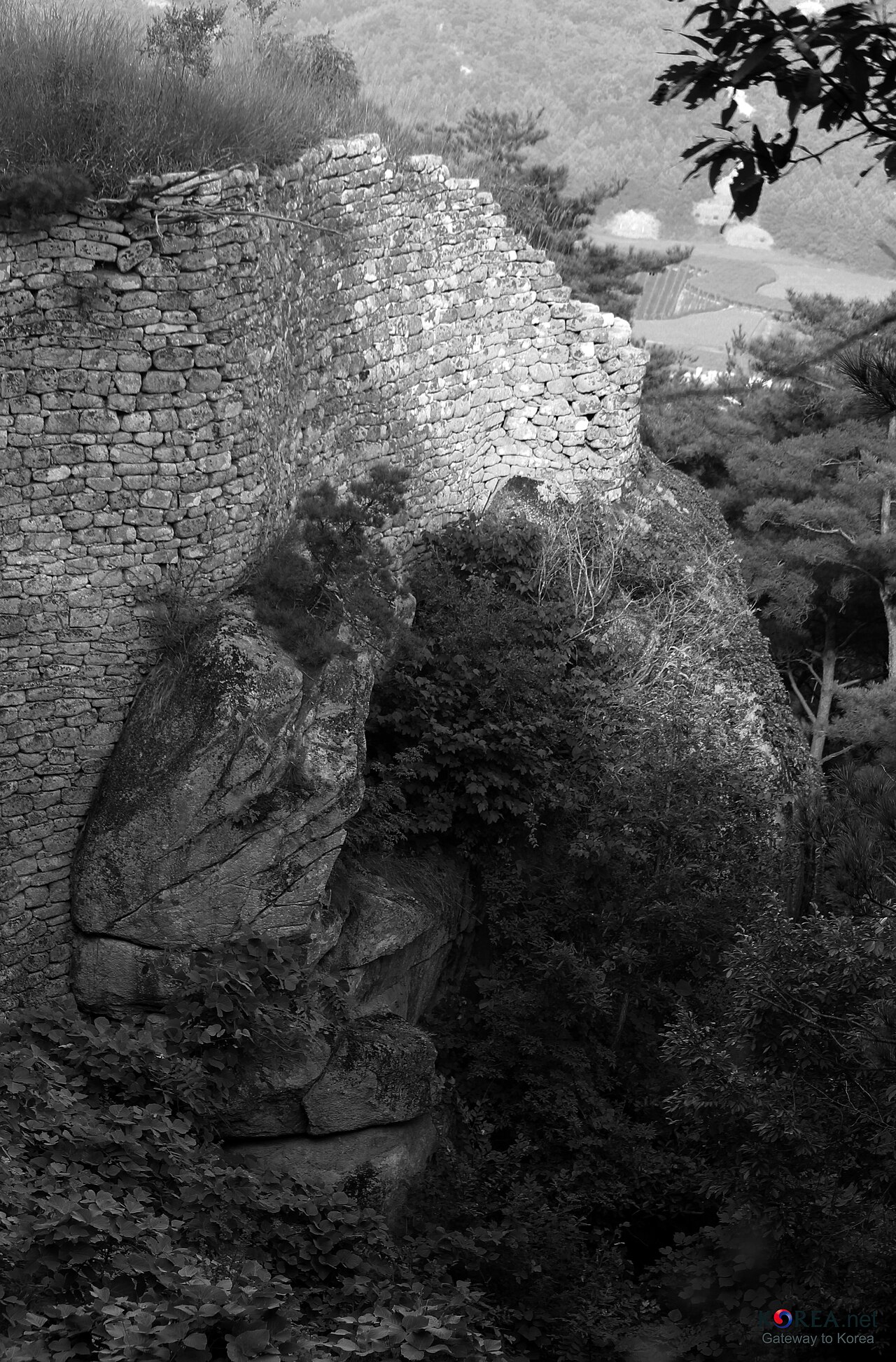
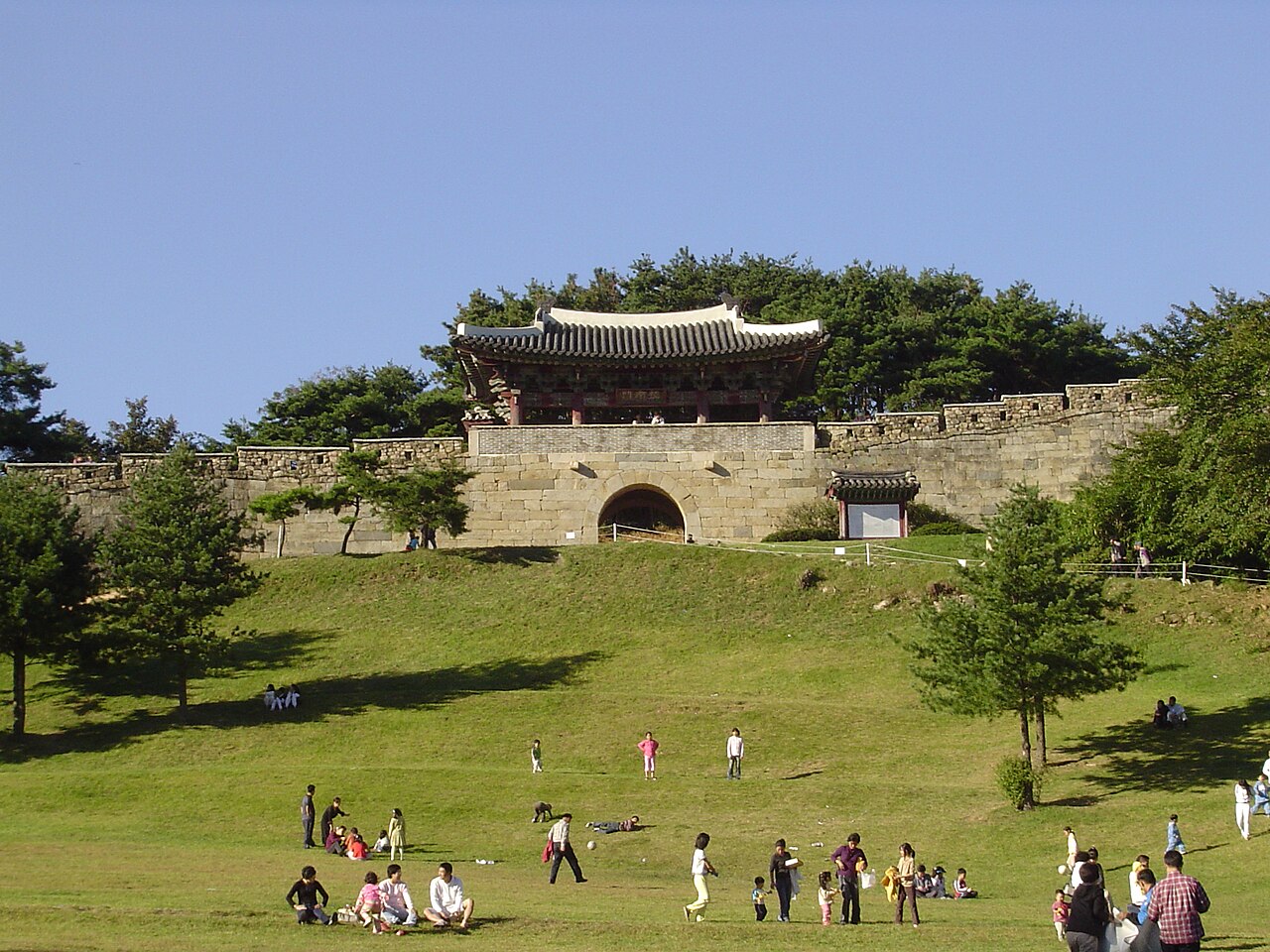
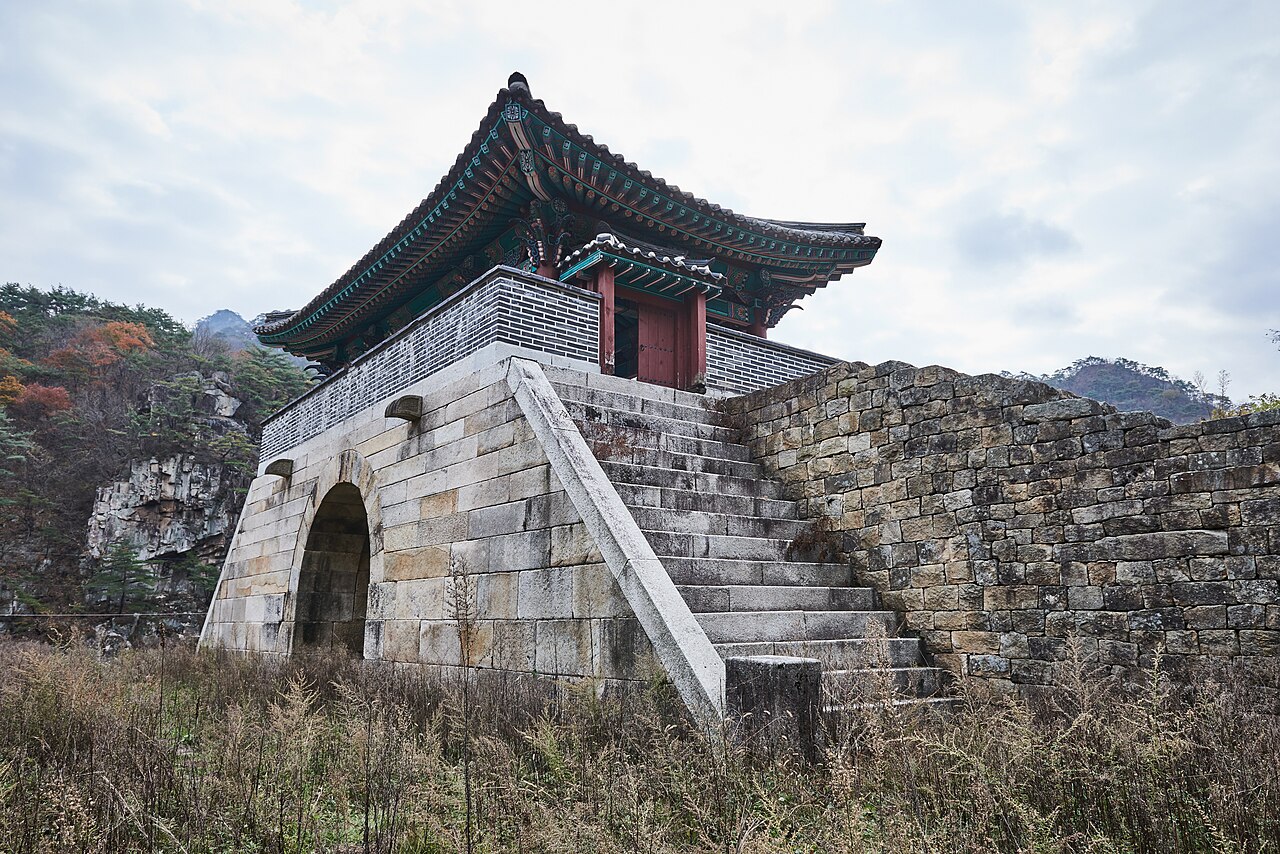
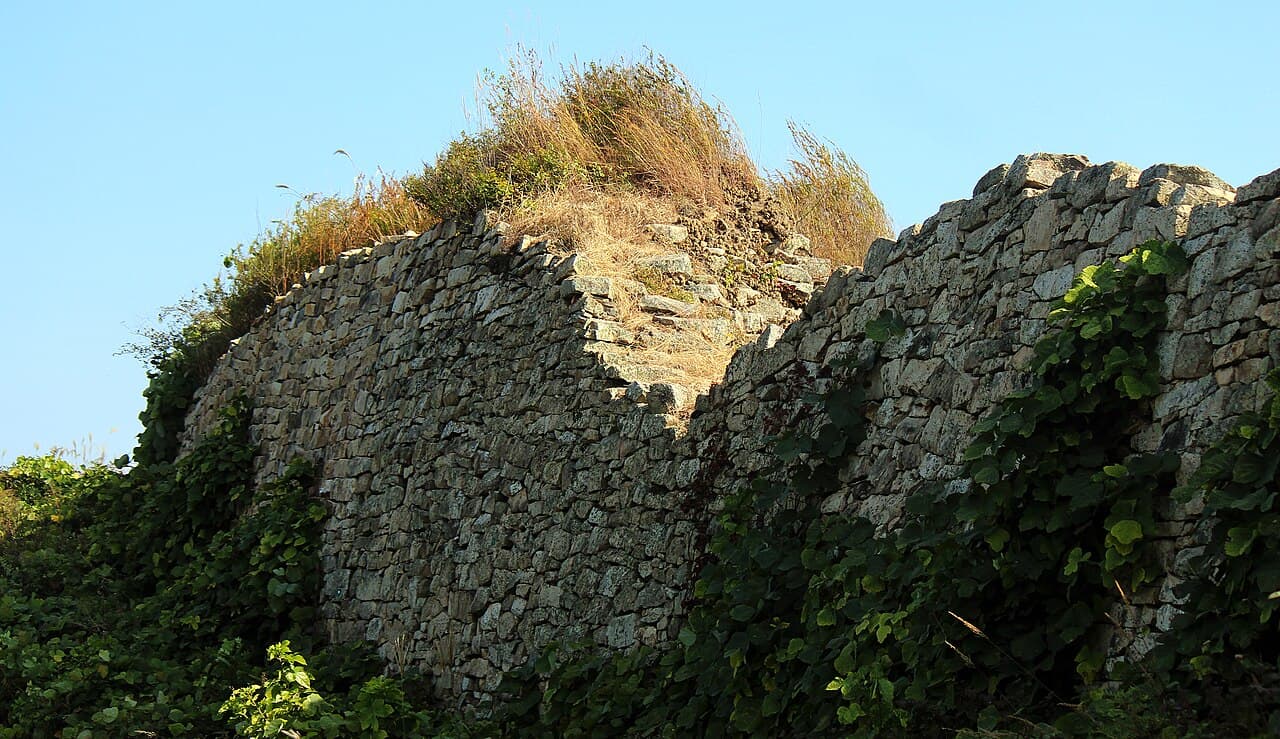
Samnyeonsanseong is characterized by its extensive stone walls that follow the contours of the mountain ridges, enclosing a sizable area. The walls are constructed primarily of locally sourced stone, carefully fitted without mortar, typical of early Korean fortress building techniques. The fortress includes multiple gates and watchtowers positioned to maximize surveillance and defense against invaders.
The fortress's layout is irregular, adapting to the mountainous landscape rather than imposing a geometric plan. This organic design reflects the practical military engineering of the time, prioritizing natural barriers and elevation advantages.
Military significance and use
During the early medieval period, Samnyeonsanseong served as a critical defensive stronghold for the Silla Kingdom, protecting the region against incursions by rival kingdoms and nomadic groups. Its elevated position allowed for early detection of enemy movements and provided a formidable obstacle to attackers.
The fortress likely housed a garrison of soldiers and included facilities for long-term defense, such as storage areas for provisions and water. Although much of the internal structures have not survived, archaeological findings suggest a well-organized military installation.
Preservation and cultural importance
Today, Samnyeonsanseong remains in a state of ruins, with its stone walls partially preserved. It was designated as Historic Site No. 235 by the South Korean government on May 25, 1973, recognizing its historical and cultural value.
The fortress is also on the tentative list for UNESCO World Heritage designation, highlighting its importance as part of Korea's cultural heritage and early military architecture. Visitors to the site can explore the remnants of the walls and gain insight into the defensive strategies of the Silla period.
Visiting and accessibility
Located in a mountainous area, access to Samnyeonsanseong fortress involves hiking along trails that traverse the rugged terrain. The site offers scenic views of the surrounding landscape, making it a destination for both history enthusiasts and nature lovers.
Facilities at the site are minimal, reflecting its status as an archaeological ruin rather than a fully restored castle. Visitors are encouraged to respect the preservation efforts and natural environment while exploring the fortress remains.
Frequently asked questions (FAQ)
- What is the historical significance of Samnyeonsanseong?
- Samnyeonsanseong is a historic mountain fortress located in Boeun County, South Korea. It played a crucial role during the Three Kingdoms period and showcases the strategic military architecture of that era.
- When was Samnyeonsanseong built?
- Samnyeonsanseong was constructed during the 7th century, specifically in the period of the Silla Kingdom. It served as a defensive structure against invasions and has been preserved as a significant cultural heritage site.
- Can I visit Samnyeonsanseong year-round?
- Yes, Samnyeonsanseong is open to visitors throughout the year. However, the best time to visit is during the spring and autumn months when the weather is mild and the surrounding landscapes are particularly beautiful.
- What are the opening hours of Samnyeonsanseong?
- Samnyeonsanseong is typically open from 9:00 AM to 6:00 PM. It is advisable to check for any seasonal changes in opening hours before planning your visit.
- Is it possible to access Samnyeonsanseong by public transport?
- Yes, Samnyeonsanseong can be accessed by public transport, including buses that run regularly from nearby cities. However, visitors may need to walk or take a short taxi ride from the nearest bus stop to reach the castle.
- What are the ticket prices for visiting Samnyeonsanseong?
- Admission to Samnyeonsanseong is generally free, allowing visitors to explore its historical grounds without any cost. However, guided tours or special events may have separate fees.
- What nearby attractions should I visit while in Boeun County?
- While in Boeun County, visitors can explore the scenic Songnisan National Park and the famous Beopjusa Temple, which is known for its beautiful architecture and historical significance. These attractions complement the visit to Samnyeonsanseong and offer a deeper insight into the region's culture.
- Why is the architecture of Samnyeonsanseong noteworthy?
- The architecture of Samnyeonsanseong is noteworthy due to its strategic design, which includes stone walls and watchtowers that highlight the military ingenuity of the time. The fortress's construction reflects the techniques and styles of the era, making it an important example of ancient Korean architecture.
Photo gallery

Information
Loading map...
Visitor reviews
No reviews yet. Been here? Write the first review and help other travelers!
Write the first reviewVisited this castle? Share your experience
Your review helps other travelers and adds first-hand knowledge to our encyclopedia.