Gyeonhwonsanseong Fortress
Gyeonhwonsanseong Fortress is a significant example of a bastioned fortress located in Korea, reflecting the military architectural advancements of its period. This fortress is notable for its strategic design that incorporates bastions—projecting parts of the fortification walls used to provide defensive fire in multiple directions, enhancing the fortress's ability to repel attackers.
Historical context and significance
The fortress was constructed during a period when Korea faced various military threats, necessitating the development of robust defensive structures. While the exact date of construction is not definitively recorded, the design elements suggest influences from the late medieval to early modern periods, when bastioned fortifications became more common due to the introduction of gunpowder and artillery in warfare.
Gyeonhwonsanseong Fortress served as a critical military stronghold, providing protection for the surrounding region against invasions. Its location was chosen for strategic advantage, likely positioned on elevated terrain to maximize defensive capabilities and surveillance over the surrounding landscape.
Architectural features
Bastioned walls
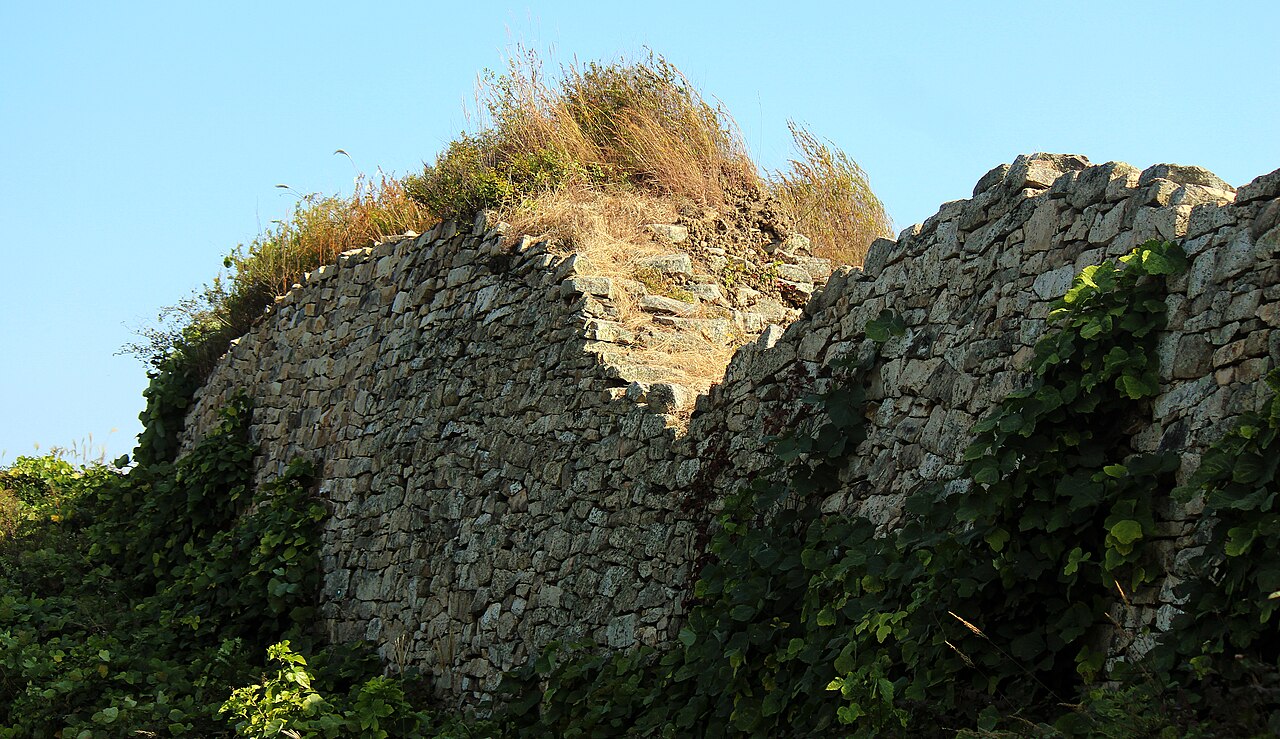
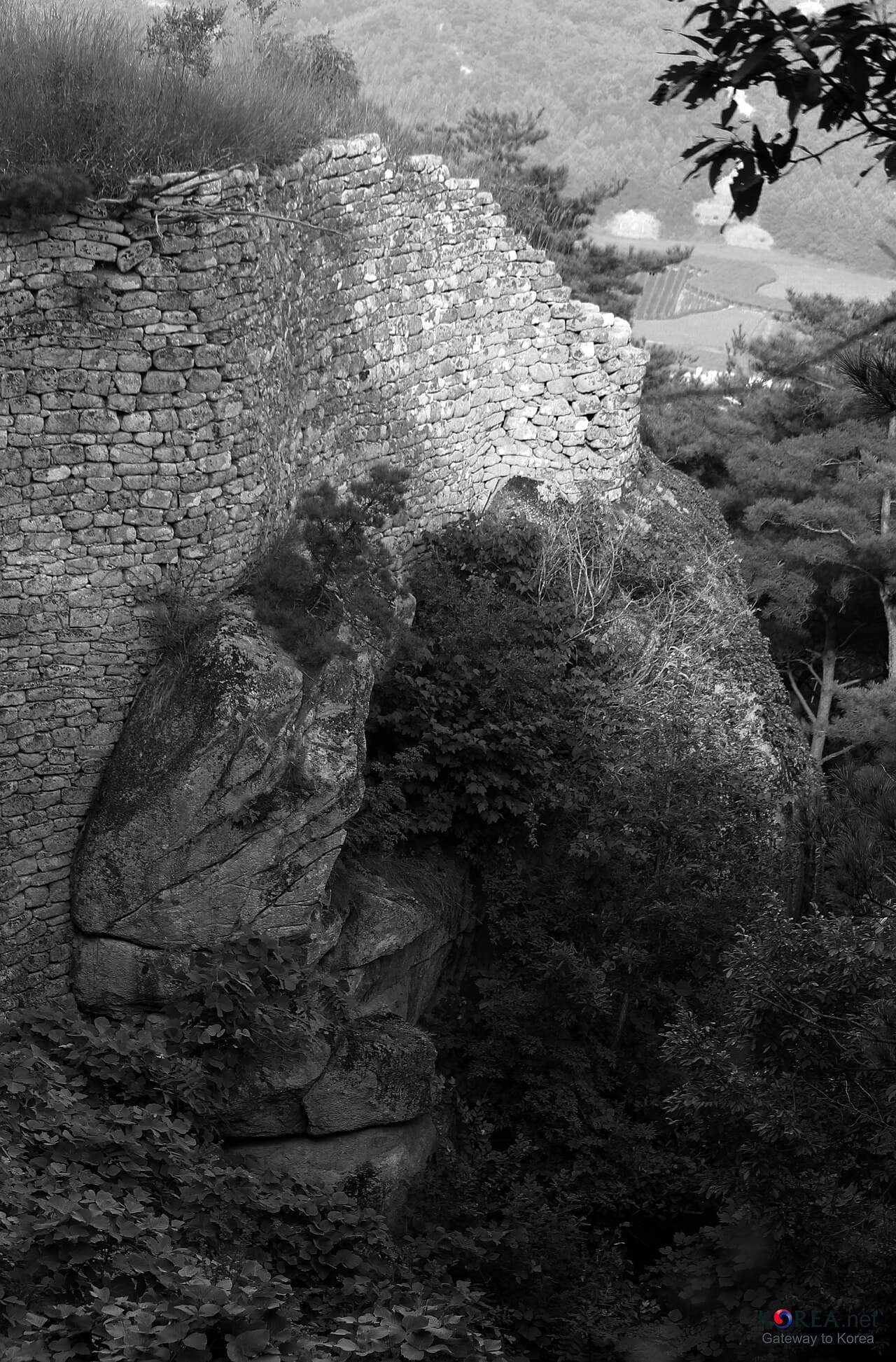
The defining characteristic of Gyeonhwonsanseong Fortress is its bastioned walls. These bastions allowed defenders to cover the walls with overlapping fields of fire, reducing blind spots and making direct assaults more difficult. The walls themselves were constructed from stone and earth, materials chosen for their durability and ability to absorb cannon fire.
Gateways and access points
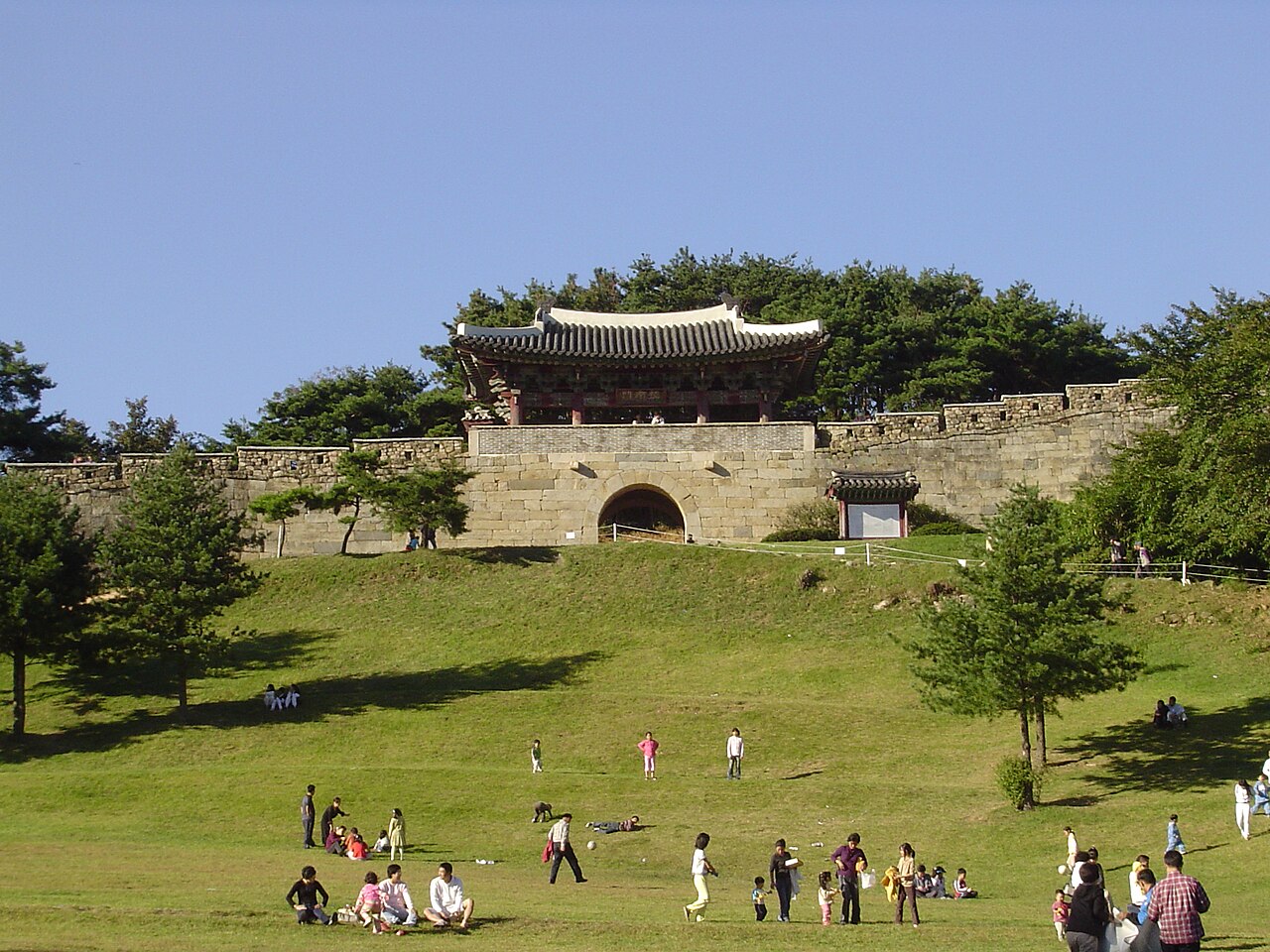
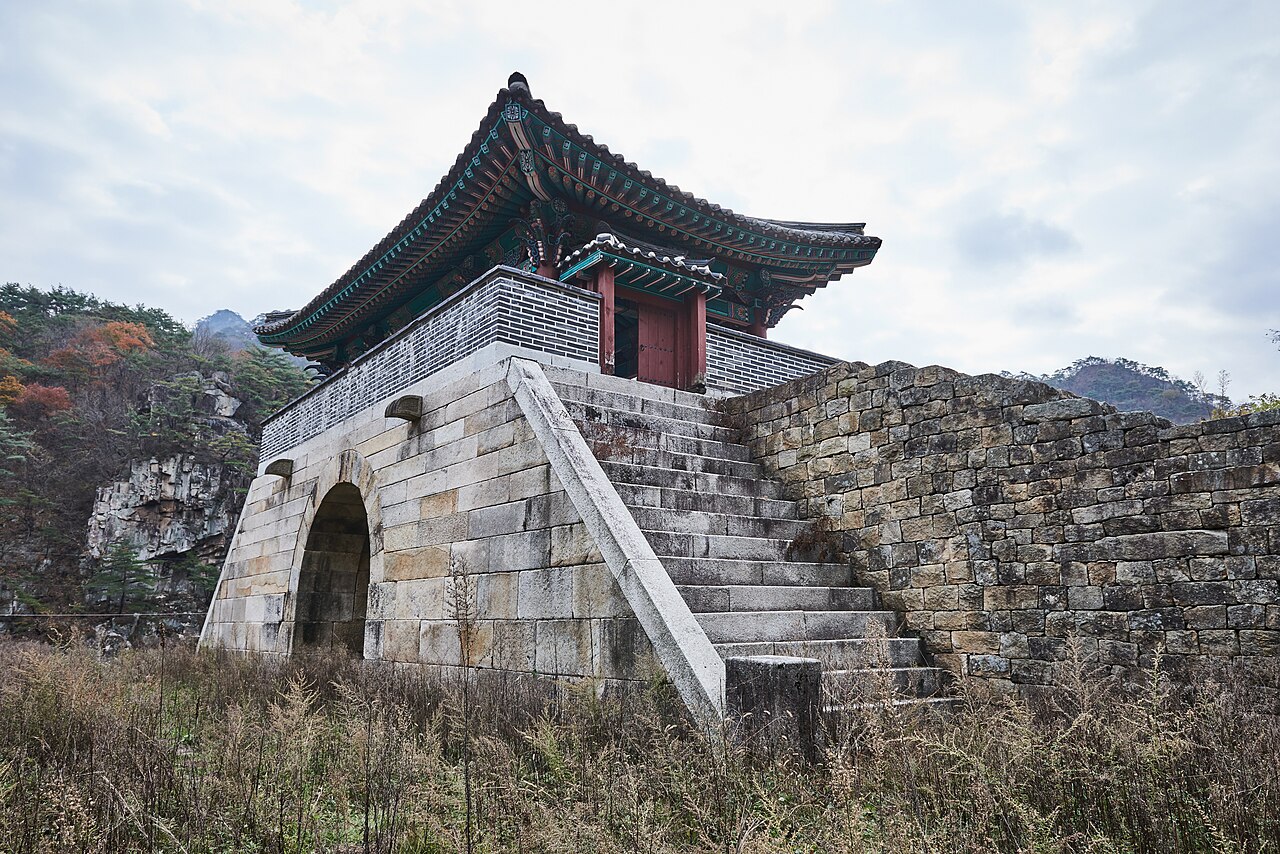
The fortress likely included fortified gateways designed to control access and provide additional layers of defense. These gates would have been reinforced and possibly equipped with features such as portcullises and murder holes to defend against attackers attempting to breach the entrance.
Internal structures
Inside the fortress, there would have been barracks, armories, and storage facilities to support the garrison stationed there. The layout would have been planned to facilitate efficient movement of troops and supplies during times of siege or conflict.
Military role and legacy
Throughout its history, Gyeonhwonsanseong Fortress played a vital role in regional defense. Its bastioned design reflects the adaptation of Korean military architecture to evolving warfare technologies, particularly the use of firearms and artillery. The fortress stands as a testament to the strategic and engineering skills of its builders.
Today, the fortress is recognized for its historical and cultural significance. Although the current condition of the fortress may vary, it remains an important site for understanding Korea's military history and architectural heritage.
Visiting and preservation
Visitors to Gyeonhwonsanseong Fortress can explore the remnants of its bastioned walls and gain insight into the military strategies employed during its operational period. Preservation efforts aim to maintain the structural integrity of the fortress and promote awareness of its historical importance.
The fortress's location and accessibility may influence visiting hours and facilities available to tourists. Those interested in Korean military architecture and history will find Gyeonhwonsanseong Fortress a valuable site for study and exploration.
Frequently asked questions (FAQ)
- What is Gyeonhwonsanseong Fortress?
- Gyeonhwonsanseong Fortress is a historic bastioned fortress in Korea known for its strategic military architecture and defensive design.
- When was Gyeonhwonsanseong Fortress built?
- The exact construction date is uncertain, but the fortress likely dates to the late medieval or early modern period, reflecting the era of bastioned fortifications.
- What are bastioned fortresses?
- Bastioned fortresses feature projecting bastions on their walls that allow defenders to cover multiple angles with gunfire, improving defense against attackers.
- Can visitors explore the fortress today?
- Visitors can explore the remains of Gyeonhwonsanseong Fortress, learning about its military history and architectural features, though facilities and accessibility may vary.
Photo gallery

Photo by Korea.net / Korean Culture and Information Service (Wi Tack-whan)•CC BY-SA 2.0
Information
Loading map...
Visitor reviews
No reviews yet. Been here? Write the first review and help other travelers!
Write the first reviewVisited this castle? Share your experience
Your review helps other travelers and adds first-hand knowledge to our encyclopedia.