San Vicente de la Barquera Castle
San Vicente de la Barquera castle stands as a remarkable example of high medieval military architecture in northern Spain. Its origins date back to the 8th century, when it was initially constructed under the reign of Alfonso I of Asturias as part of the early Christian kingdom's efforts during the Reconquista. Although the present structure largely reflects the 13th-century expansions and fortifications, the castle's history encompasses centuries of strategic importance and architectural evolution.
Historical significance and origins
The castle's foundation was closely linked to the turbulent frontier between the Christian kingdoms of northern Spain and the Muslim-controlled territories to the south. Alfonso I initiated repopulation and fortification campaigns to secure reclaimed lands, and the original fortress at San Vicente de la Barquera was a crucial element of this defensive network. The site was chosen for its commanding position on a hilltop overlooking the coast and estuary, providing strategic oversight of maritime and land routes.
Throughout the Middle Ages, the castle served both military and administrative roles within the town. By the 13th century, the fortress was substantially rebuilt and expanded, incorporating robust stone walls, towers, and integration with the town's defensive walls. This period marked the castle's transformation into a more complex and formidable stronghold, essential to controlling the surrounding territory and protecting the local population from invasions or pirate raids.
In recognition of its cultural and historical value, the castle was declared a Monument of Cultural Interest in 2002. The late 20th-century restoration efforts have preserved the castle as a museum and venue for cultural events, allowing visitors to engage with its rich heritage.
Architectural features and layout
Built atop a rugged rocky outcrop, the castle's elongated footprint measures approximately 50 meters in length and 20 meters in width. Its design was heavily influenced by the natural contours of the hill, resulting in an irregular but strategically advantageous shape.
The castle's walls are constructed primarily from rough-hewn stone, with corners, doorways, and window frames reinforced by finely cut ashlar blocks. This combination of sturdy masonry and detailed stonework reflects the dual priorities of defense and architectural refinement.
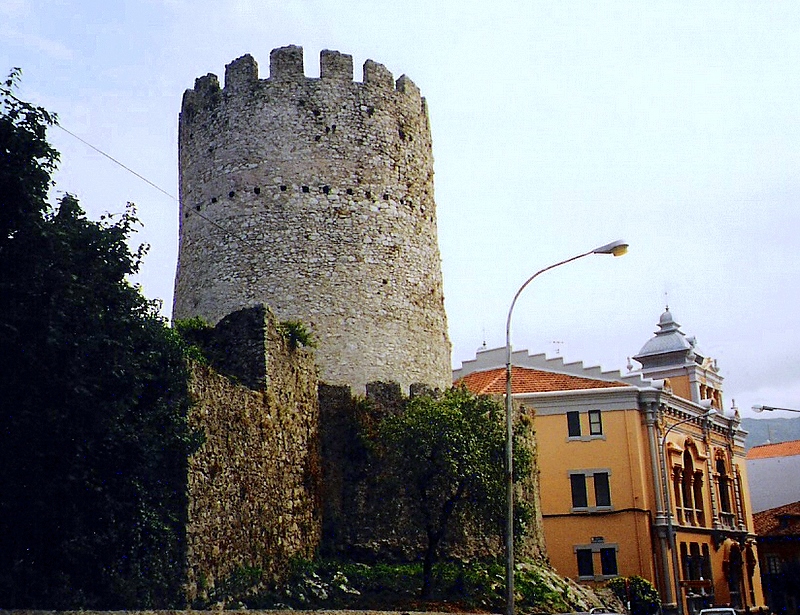
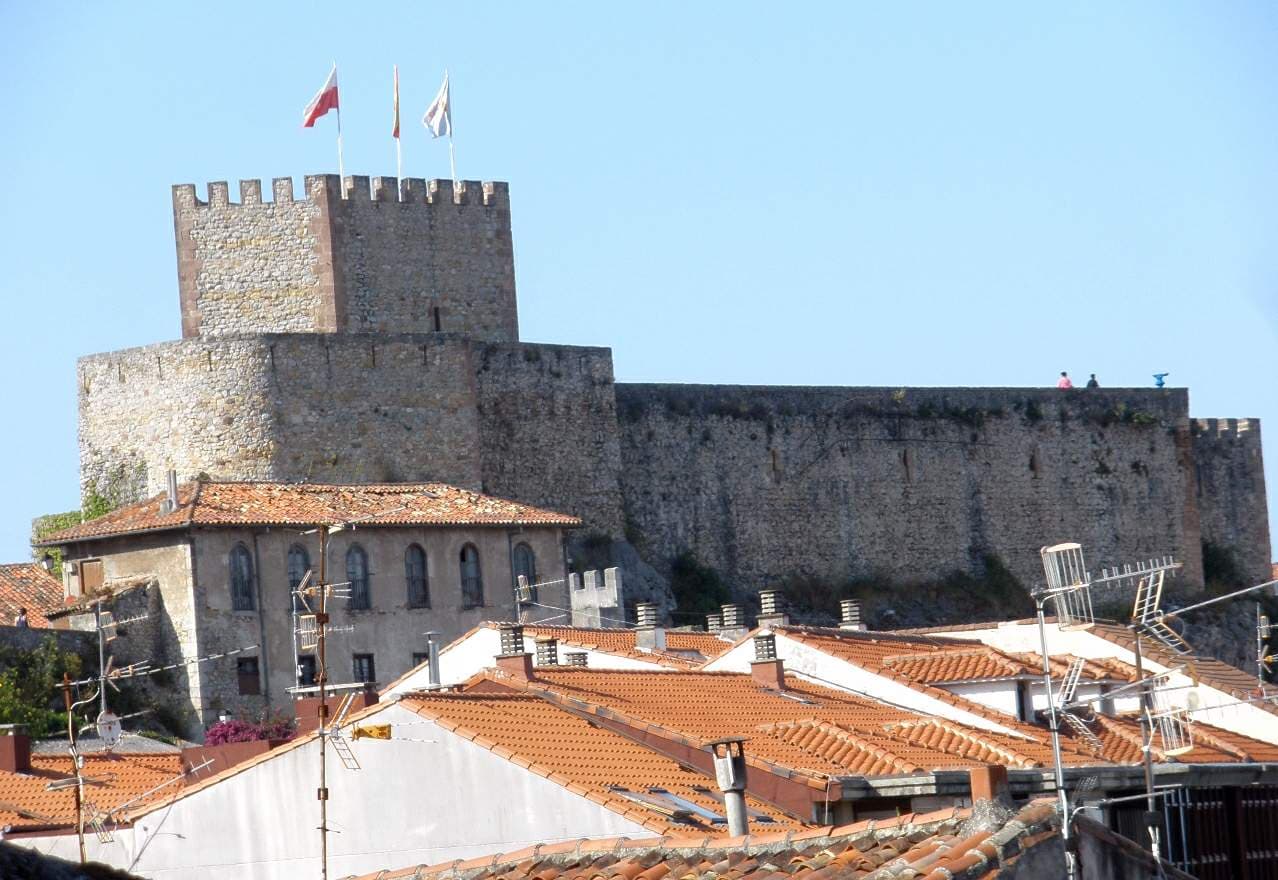
Two prominent towers dominate the structure: the eastern tower features a square floor plan, while the western tower is notable for its pentagonal shape. These towers were key defensive points, providing vantage positions for surveillance and archery. Originally, the central connecting building between the towers had vaulted ceilings, a hallmark of medieval construction techniques, although these have not survived to the present day.
The castle's position within the town's fortifications made it a critical element of the broader defensive system. It complemented the adjacent city walls and gates, forming a cohesive barrier against attackers from both land and sea.
Restoration and current use
Today, the castle is well preserved thanks to careful restoration that respects its historical fabric. The stone walls, towers, and structural elements remain largely intact, providing visitors with a clear understanding of the castle's medieval military function and architectural development.
The castle now functions as a museum and cultural venue, hosting exhibitions and events that celebrate the region's heritage. Its elevated position offers panoramic views of the town, the Cantabrian Sea, and the surrounding landscape, enhancing its appeal as a tourist destination.
San Vicente de la Barquera castle in the context of Spanish medieval fortifications
This castle exemplifies the typical characteristics of hill castles built during the high medieval period in Spain. Its combination of natural defensive advantages, stone masonry, and integration with urban fortifications illustrates the strategic military thinking of the time.
Unlike larger royal palaces or concentric castles, San Vicente de la Barquera castle served primarily as a fortified residence and stronghold within a coastal town. Its architectural features reflect a balance between residential needs and defensive requirements, common in frontier fortresses during the Reconquista era.
Architectural style and influences
The castle's style is predominantly Gothic, typical of 13th-century military architecture in the region. The use of vaulted ceilings and ashlar masonry demonstrates the influence of contemporary construction techniques. The towers' differing shapes—square and pentagonal—may indicate adaptations to the terrain or evolving defensive strategies.
Strategic location and natural defenses
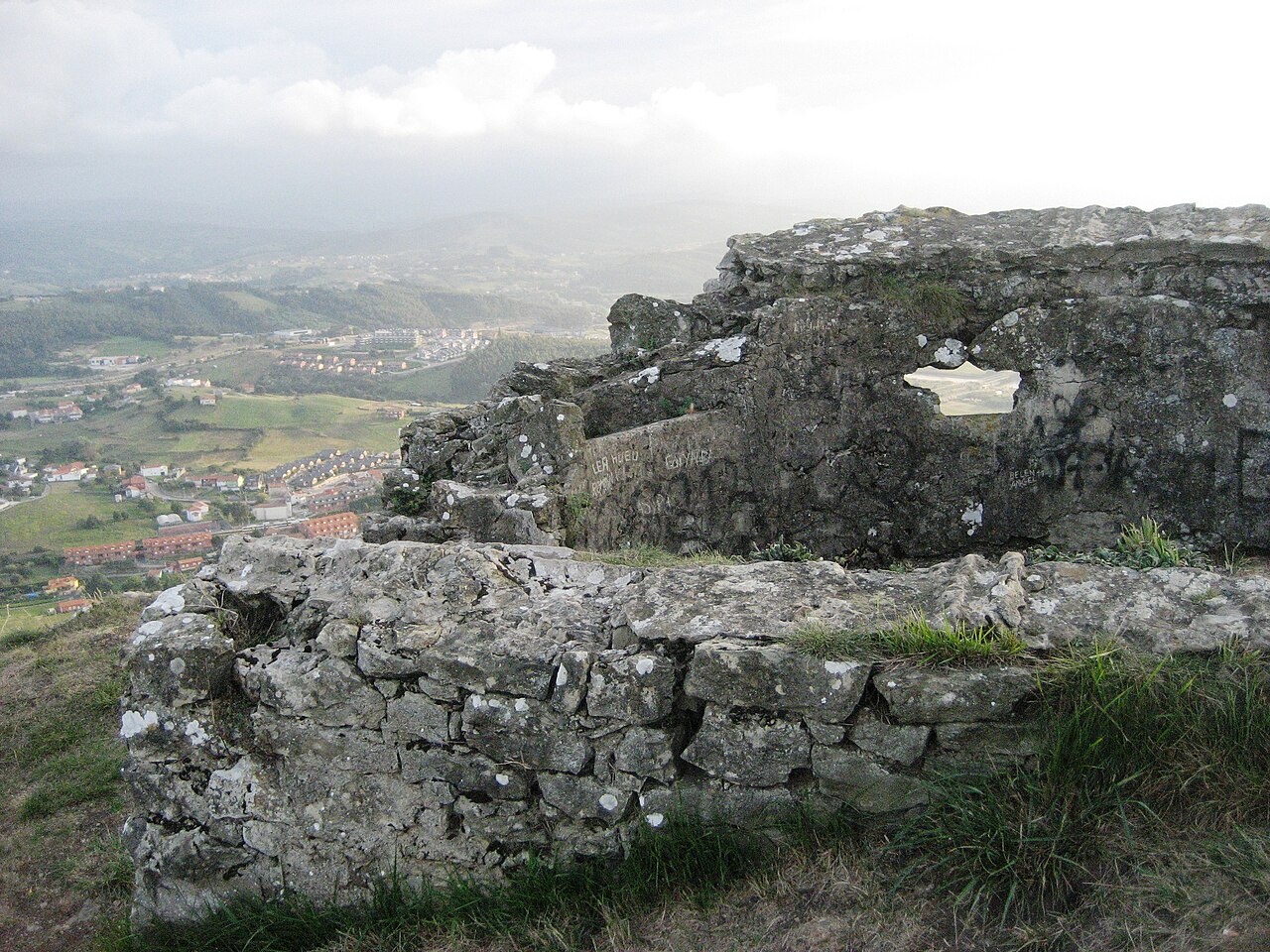
Perched on a hill overlooking the estuary and coastline, the castle leveraged natural topography for defense. The rocky outcrop provided a formidable barrier against assault, while the elevated position allowed defenders to spot approaching enemies from a distance.
Visitor experience and accessibility
Visitors to San Vicente de la Barquera castle can explore the restored walls, towers, and courtyards, gaining insight into medieval military life. The site includes informative displays about its history and architecture, enhancing the educational value of the visit.
The castle's location within the historic town center makes it easily accessible, and its panoramic views are a highlight for tourists and photographers alike. The museum and event spaces host cultural activities that connect the community with its medieval past.
Visiting information
The castle is generally open to the public during regular museum hours, with occasional special events. Visitors are advised to check local schedules for opening times and ticket prices. The site is suitable for most visitors, though some areas may have limited accessibility due to the medieval structure.
Frequently asked questions (FAQ)
- What is the historical significance of San Vicente de la Barquera Castle?
- San Vicente de la Barquera Castle, built in the 13th century, played a crucial role in defending the region against invasions and controlling maritime trade. Its strategic location allowed it to oversee important sea routes, making it an essential fortification during medieval times.
- When was San Vicente de la Barquera Castle built?
- Construction of San Vicente de la Barquera Castle began in the 13th century, with significant developments occurring throughout the following centuries. The castle has undergone various renovations and restorations, reflecting the architectural styles of different periods.
- Can I visit San Vicente de la Barquera Castle year-round?
- Yes, San Vicente de la Barquera Castle is open to visitors year-round, although specific opening hours may vary seasonally. It's advisable to check the official website or local tourist information for the most current visiting hours before planning your trip.
- What are the opening hours for San Vicente de la Barquera Castle?
- The castle typically opens at 10 AM and closes at 8 PM during the summer months, while winter hours may be shorter. Please verify current hours as they can change based on the time of year and special events.
- Is it possible to access San Vicente de la Barquera Castle with a wheelchair?
- San Vicente de la Barquera Castle has some accessibility features, but certain areas may pose challenges due to uneven terrain and historic architecture. It's best to contact the castle's administration for detailed information on accessibility options before your visit.
- What is the best time to visit San Vicente de la Barquera Castle?
- The best time to visit San Vicente de la Barquera Castle is during the spring and early fall when the weather is mild and pleasant. These seasons also tend to attract fewer tourists, allowing for a more enjoyable and relaxed experience.
- Can I find nearby attractions when visiting San Vicente de la Barquera Castle?
- Yes, the castle is located near several attractions, including the picturesque town of San Vicente de la Barquera, beautiful beaches, and the stunning Picos de Europa National Park. Visitors can easily explore these sites to enhance their experience.
- What are the ticket prices for San Vicente de la Barquera Castle?
- Ticket prices for San Vicente de la Barquera Castle are generally affordable, with discounts available for students and seniors. It's recommended to check the official website for the most up-to-date pricing and any special offers before your visit.
Photo gallery

Information
Website
Visit websiteSources & official resources
Verify the information above using these authoritative references.
Loading map...
Visitor reviews
No reviews yet. Been here? Write the first review and help other travelers!
Write the first reviewVisited this castle? Share your experience
Your review helps other travelers and adds first-hand knowledge to our encyclopedia.