Castillo de Vispieres
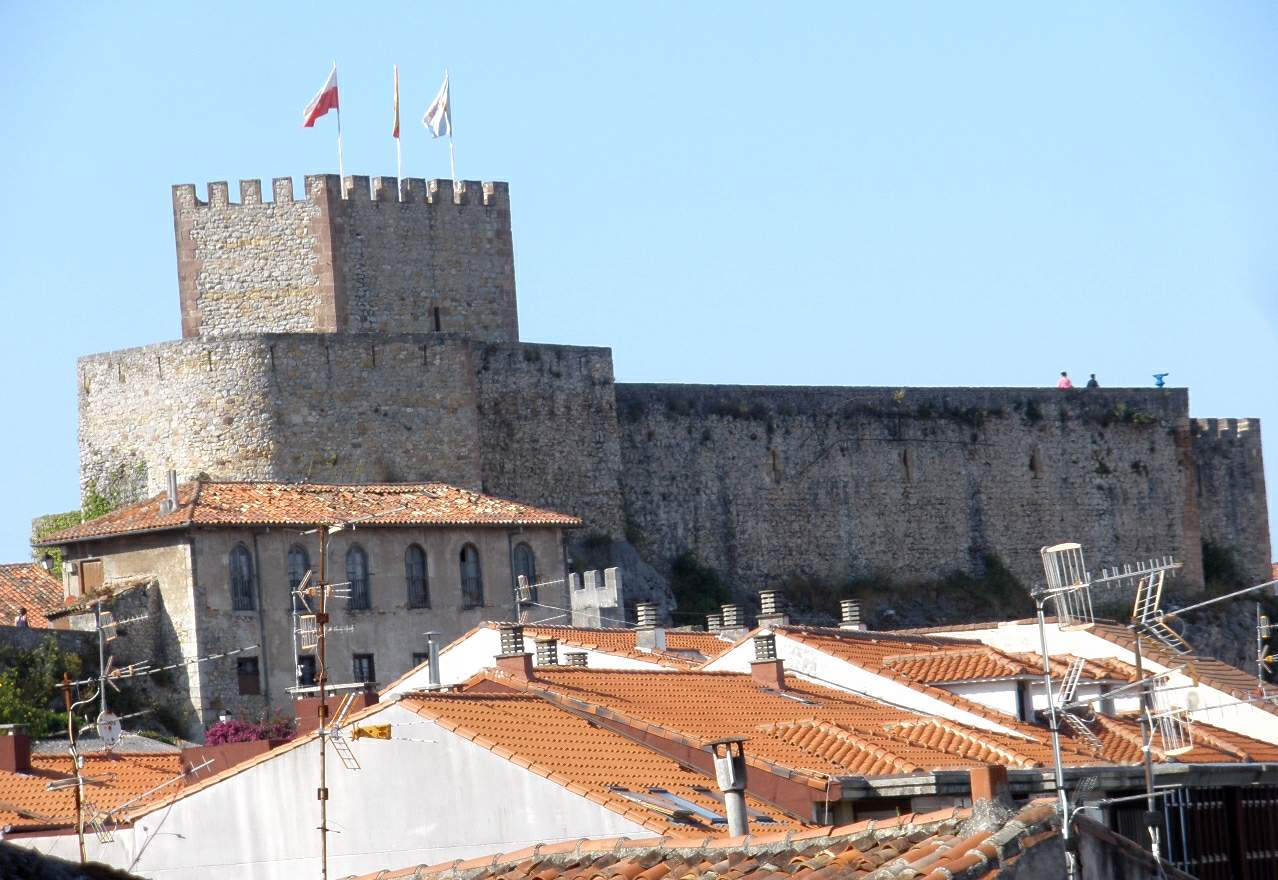
The Castillo de Vispieres stands prominently on the Vispieres peak within the municipality of Santillana del Mar, Spain. This historic hill castle traces its origins back to the Roman era, when a fortress was first established on this strategic elevation to serve as a watchtower. The castle's location was of great military and commercial importance due to its oversight of the Via de Agrippa, a crucial Roman road facilitating troop movements and trade across the region.
Ancient sources such as Pliny the Elder mention a Cantabrian castro in his Naturalis Historia, which scholars associate with the site of Castillo de Vispieres, underscoring its longstanding significance as a fortified settlement. The initial Roman fortification was primarily a military installation designed for surveillance and control over the surrounding landscape.
Transformation through the early medieval period
Following the decline of Roman influence, the fortress evolved during the early medieval period into what became known as the Castillo de Vispieres. This transformation involved adapting the original Roman military structure into a medieval tower, which served both defensive and residential functions. The castle's strategic location continued to be valued, and it was incorporated into the holdings of the Castilian royal family.
During the Middle Ages, the castle remained under royal custody until the 14th century. King Alfonso XI of Castile transferred ownership of the castle to his son, Tello, marking a shift from royal to noble possession. Subsequently, the castle became part of the estates of the Marquises of Santillana, who later held the title of Dukes of the Infantado. This noble lineage highlights the castle's continued importance within the aristocratic power structures of medieval Spain.
Decline and ruin
By the 16th century, the active use of Castillo de Vispieres appears to have diminished significantly, likely due to changes in military technology and political shifts that rendered such hilltop fortifications less critical. The castle was eventually abandoned, leading to its gradual decay over the following centuries.
By the early 19th century, historical records such as the 1827 Diccionario geográfico-estadístico de España y Portugal documented that only the walls of the castle remained intact. These ruins serve as a tangible reminder of the site's layered history, from its Roman military origins to its role as a medieval noble stronghold and eventual decline into ruin.
Architectural features and remains
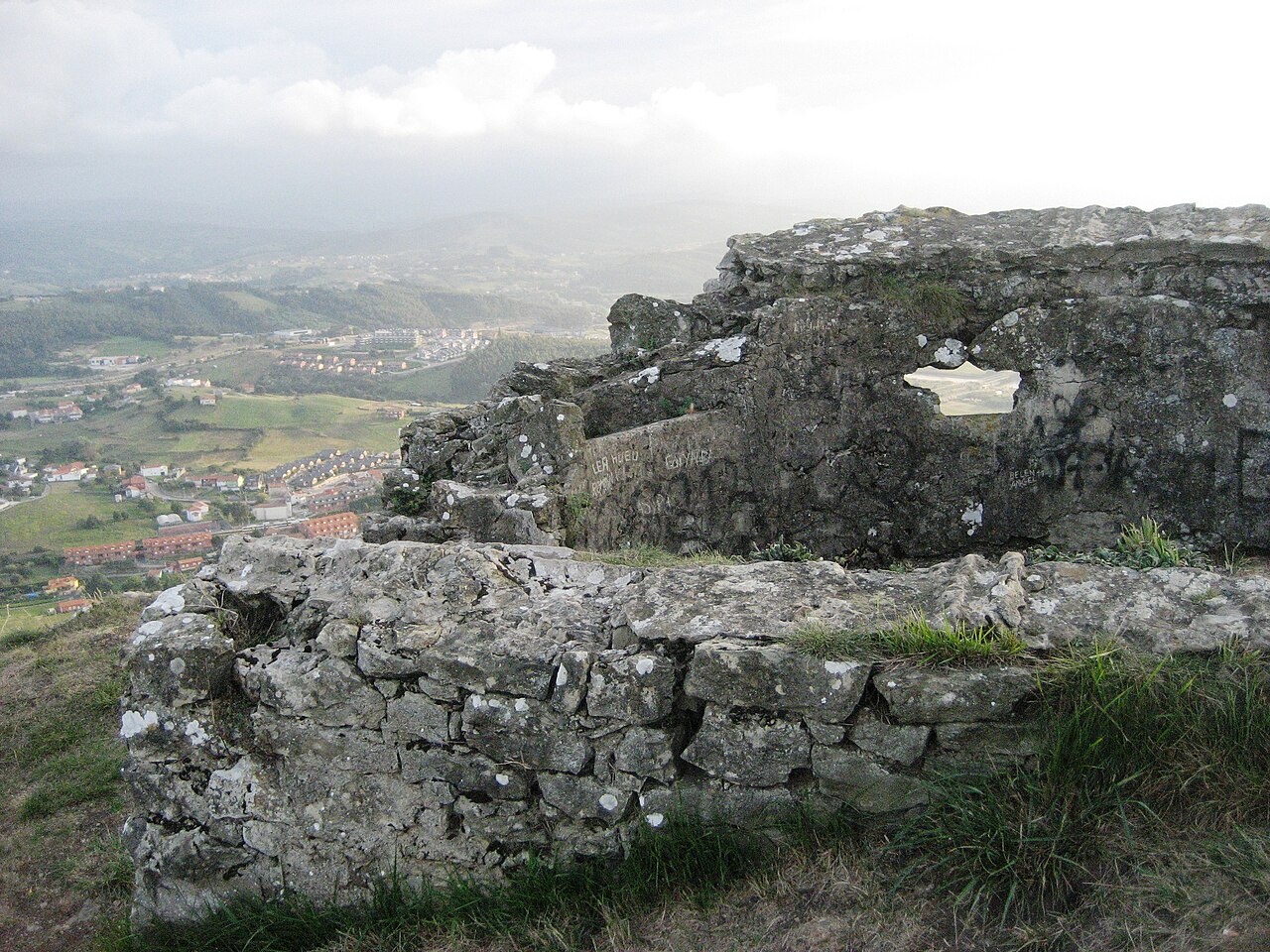
The surviving structure at Castillo de Vispieres is best described as a fortified enclosure rather than a large castle complex. The ruins measure approximately 11 by 12 meters, defined by sturdy walls that still stand on the site today. These walls were constructed using masonry techniques typical of early medieval fortifications, consisting of stone blocks bonded by mortar. This method provided resilience against both natural erosion and military assaults.
The castle's location atop the Vispieres peak reflects its historical role as a watchtower, offering commanding views of the surrounding landscape. The remaining wall fragments clearly delineate the original footprint and enclosure of the tower, providing valuable insights into its defensive design.
While there is limited documentation of any additional structures or modifications, the existing masonry remains stand as key evidence of the site's historical importance. These ruins allow visitors and scholars to connect with the strategic and architectural significance that made this site valuable across both the Roman and medieval periods.
Historical significance and cultural heritage
The Castillo de Vispieres embodies a rich historical narrative that spans from Roman military strategy to medieval aristocratic power. Its position overlooking the Via de Agrippa highlights the importance of controlling key transportation routes in ancient times. The castle's transition from a Roman fortification to a medieval noble residence illustrates the continuity and adaptation of defensive architecture in northern Spain.
Today, the ruins of Castillo de Vispieres serve as an important cultural heritage site within the region of Cantabria. They offer a tangible link to the area's past, attracting historians, archaeologists, and visitors interested in the evolution of military architecture and the history of Spanish nobility.
Visiting Castillo de Vispieres
Though the castle remains are modest, the site offers visitors the opportunity to explore a historically significant hilltop fortress with panoramic views. The rugged terrain and preserved wall fragments provide a glimpse into the strategic considerations that shaped its construction and use. Visitors can appreciate the castle's commanding position and its role in the broader historical landscape of Santillana del Mar and Cantabria.
Access to the site may require a hike to the peak, making it a rewarding destination for those interested in history, architecture, and scenic vistas. The castle's ruins stand as a testament to centuries of military and noble presence, inviting reflection on the region's complex past.
Frequently asked questions (FAQ)
- How do I get to Castillo de Vispieres?
- Castillo de Vispieres is located in the picturesque town of Santillana del Mar, Spain. You can reach the castle by car, and there is parking available nearby. Public transport options include buses from major cities in the region, making it accessible for visitors without a vehicle.
- What is the historical significance of Castillo de Vispieres?
- Castillo de Vispieres dates back to the 14th century and played a significant role in the medieval history of the region. It served as a defensive structure during conflicts and has been a symbol of local heritage. The castle's architecture reflects the historical styles of the period, making it a fascinating site for history enthusiasts.
- When was Castillo de Vispieres built?
- Construction of Castillo de Vispieres began in the late 1300s and was completed in the following decades. It has undergone various renovations and restorations over the centuries, preserving its historical essence. The castle stands as a testament to the architectural advancements of its time.
- Can I take guided tours of Castillo de Vispieres?
- Yes, guided tours are available for visitors who wish to learn more about the castle's history and architecture. These tours are typically led by knowledgeable guides who provide insights into the castle's significance and interesting anecdotes. It's advisable to check the schedule and book in advance during peak tourist seasons.
- Why is Castillo de Vispieres a popular tourist destination?
- Castillo de Vispieres is popular due to its rich history, stunning architecture, and picturesque location in Santillana del Mar. Visitors are drawn to its medieval charm, beautiful views, and the opportunity to explore a well-preserved historical site. Additionally, its proximity to other attractions in the area enhances its appeal.
- Is it possible to visit Castillo de Vispieres with children?
- Absolutely! Castillo de Vispieres is family-friendly and offers a unique experience for children to learn about history in an engaging environment. The castle grounds provide ample space for exploration, and many families enjoy taking guided tours that cater to younger visitors.
- What are the opening hours for Castillo de Vispieres?
- Castillo de Vispieres typically opens to visitors from 10 AM to 6 PM, but hours may vary depending on the season. It's recommended to check the official website or contact the castle directly for the most up-to-date information on opening times before your visit. Special events may also affect regular hours.
- What are the ticket prices for Castillo de Vispieres?
- Tickets for Castillo de Vispieres are reasonably priced, with discounts available for students, seniors, and children. Family packages may also be offered, making it affordable for larger groups. Always check for any special promotions or events that may affect ticket pricing.
- What are some nearby attractions to visit along with Castillo de Vispieres?
- Nearby attractions include the charming village of Santillana del Mar, known for its medieval architecture and cobblestone streets. Additionally, the Altamira Caves, a UNESCO World Heritage site, are just a short drive away and offer fascinating prehistoric art. These sites make for a perfect day of exploration in the region.
Information
Website
Visit websiteSources & official resources
Verify the information above using these authoritative references.
Loading map...
Visitor reviews
No reviews yet. Been here? Write the first review and help other travelers!
Write the first reviewVisited this castle? Share your experience
Your review helps other travelers and adds first-hand knowledge to our encyclopedia.