San Paio de Narla Castle
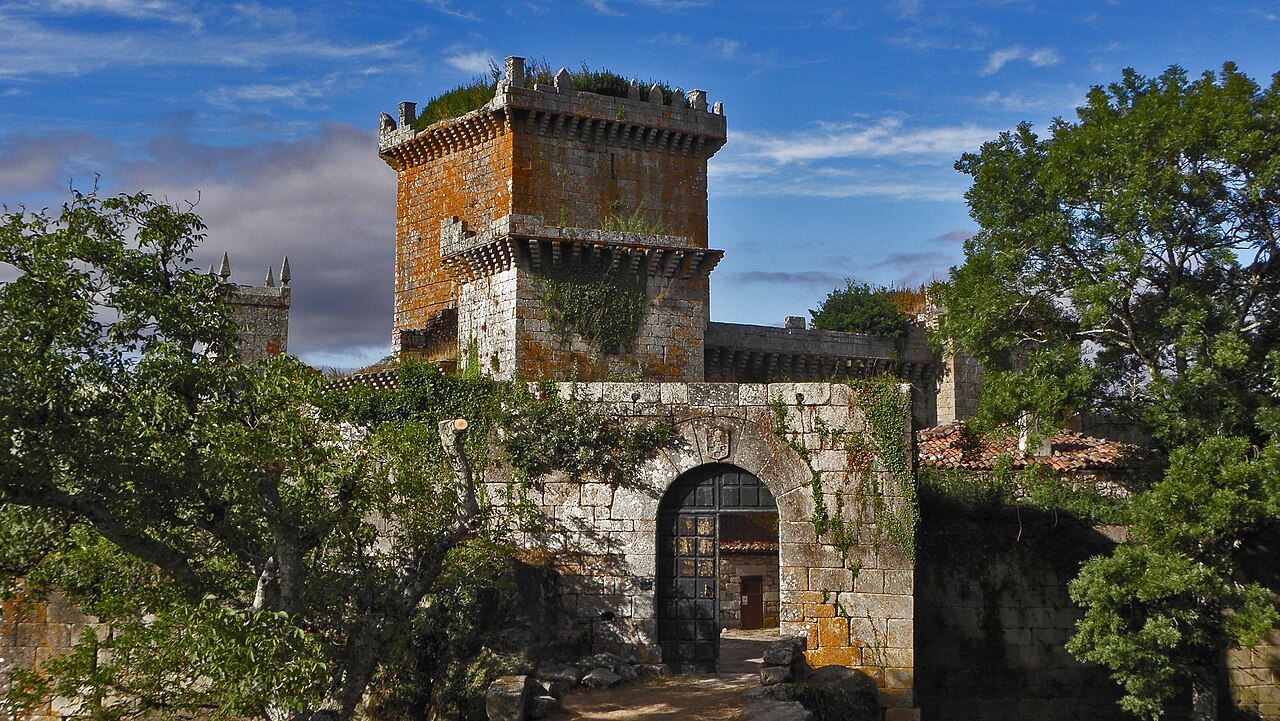
San Paio de Narla Castle, located in Friol, Spain, is a significant example of a 16th-century Renaissance fortress with a rich history that reflects the architectural and cultural heritage of the region. Though its original foundation date remains uncertain, the castle was extensively rebuilt in the 16th century by Don Vasco Seixas, the lord of the Solar House and Castro Seixas, and the Pazo de San Paio de Narla. This reconstruction established the castle's current Renaissance character, blending defensive features with residential and agricultural functions.
Architectural features and layout
The castle's design centers around a robust central structure flanked by the imposing Homenaxe Tower (also known as the Homenage Tour) and a large turret, which together enhance the fortress's defensive capabilities. The ground floor includes essential functional spaces such as the courtyard, stables, and a cellar, indicating the castle's role not only as a residence but also as a hub of agricultural management.
The first floor contains a collection of farming tools, riding equipment, and weaving instruments used for processing linen and wool, reflecting the economic activities historically associated with the estate. This floor also houses a kitchen, a function room, and several halls furnished with artistic objects and period furniture, providing insight into the domestic life and social functions of the castle's inhabitants.
On the top floor, visitors can find a notable Renaissance fireplace and access to the battlemented terrace, which offers views of the surrounding landscape and emphasizes the castle's defensive role during its active use.
The chapel and religious heritage
Separated from the main building, the castle's 18th-century chapel features a simple square ground plan and a hip roof. Inside, it houses a 19th-century altarpiece, underscoring the ongoing religious and cultural significance of the site through successive centuries.
Historical context and ownership
The castle's history is closely tied to the Seixas family, particularly Don Vasco Seixas, who was instrumental in its 16th-century rebuilding. In 1939, the castle was acquired by the Provincial Council of Lugo, marking a new chapter in its preservation and public accessibility.
By 1983, San Paio de Narla Castle was transformed into an ethnographic and history museum, relocating many collections from the Museum of Lugo. The museum's exhibits focus on the traditional rural life of the region, showcasing tools, textiles, and household items that illustrate the cultural heritage of Galicia.
Significance and visitor experience
Today, the castle stands as a well-preserved example of Renaissance military and residential architecture in Galicia. Its combination of defensive towers, agricultural facilities, and domestic interiors provides visitors with a comprehensive understanding of the multifaceted role castles played in early modern Spain.
The museum's ethnographic collections enrich the visitor experience by connecting the architectural space with the everyday lives of the people who lived and worked there. The castle's battlemented terraces and well-maintained grounds offer scenic views and a tangible link to the past.
Information
Loading map...
Visitor reviews
No reviews yet. Been here? Write the first review and help other travelers!
Write the first reviewVisited this castle? Share your experience
Your review helps other travelers and adds first-hand knowledge to our encyclopedia.