San Marcos Castle
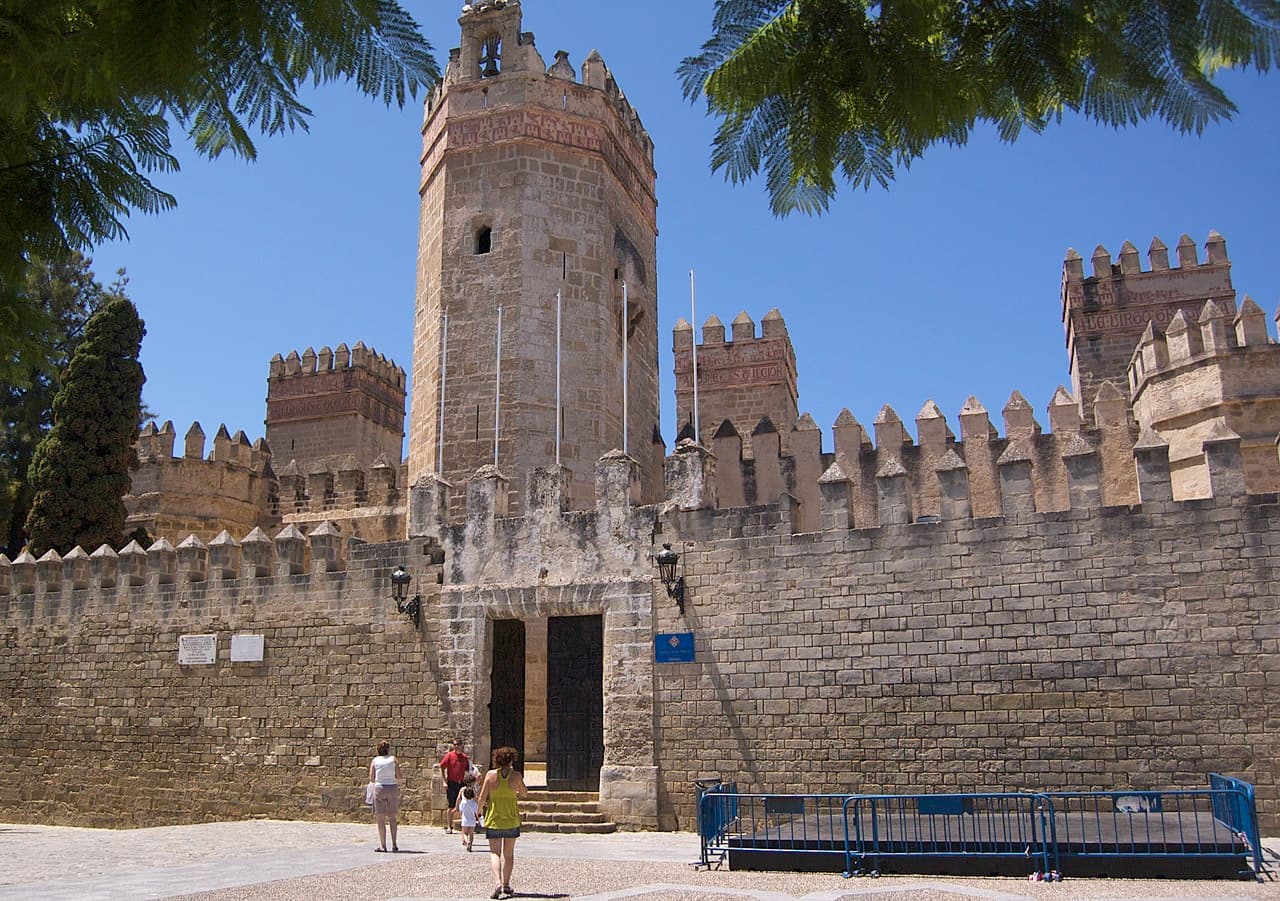
San Marcos Castle stands as a remarkable example of medieval military architecture in El Puerto de Santa María, Spain. Founded in the 12th century and commissioned by King Alfonso X 'The Wise', the fortress was built upon the remains of a Moorish mosque on the banks of the Guadalete River. This strategic location near the southwestern coast of Spain allowed the castle to serve as both a defensive stronghold and a symbol of the shifting religious and political powers during the High Medieval period.
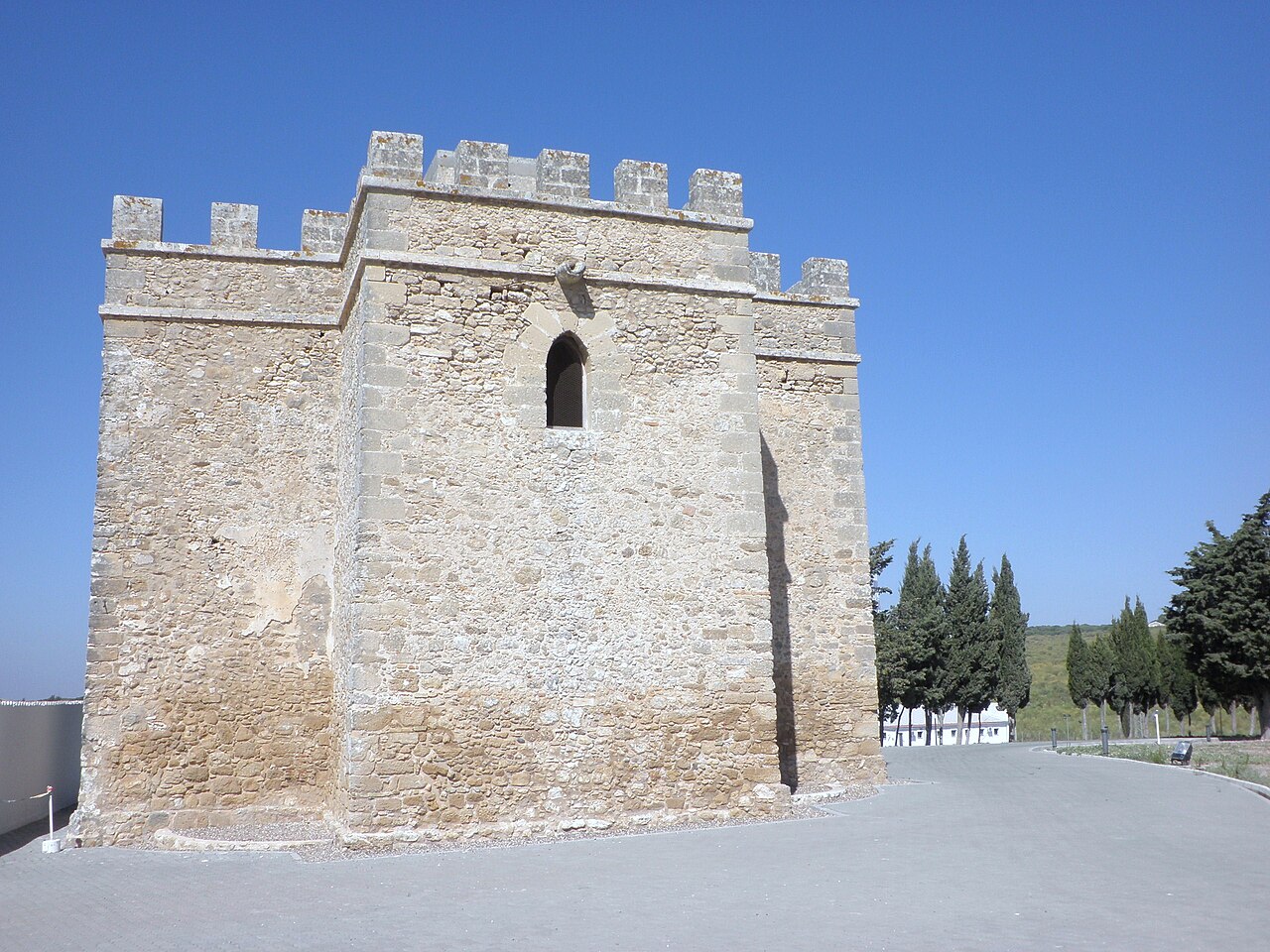
The castle’s architecture reflects a unique blend of cultural influences. Incorporating elements from the original Almohad mosque, such as the qibla wall and the mihrab niche, the fortress preserves traces of Islamic religious architecture alongside its later Christian fortifications. The castle’s four towers, two with hexagonal bases and two with square foundations, were constructed using Roman masonry salvaged from nearby ruins, illustrating the reuse of materials and the layering of history within the structure.
The historical foundation and construction
The origins of San Marcos Castle are closely tied to the Christian reconquest of southern Spain. Following the capture of El Puerto de Santa María in the mid-13th century, King Alfonso X ordered the construction of the fortress around 1264. The castle was erected on the site of a former mosque, symbolizing the transition from Islamic to Christian dominance in the region. This transformation was not only military but also religious, as the fortress was dedicated to the Virgin Mary and incorporated chapels within the towers honoring the Virgin of the Miracles.
Alfonso X also founded the military Order of Santa María de España within the castle, an order intended to defend Christian territories against North African incursions. This order was later merged with the Order of Santiago, reflecting the complex military and religious alliances of medieval Spain. The castle’s strategic importance was underscored by its role in guarding the town and controlling access to the Guadalete River.
Architectural features and expansions
Medieval military design
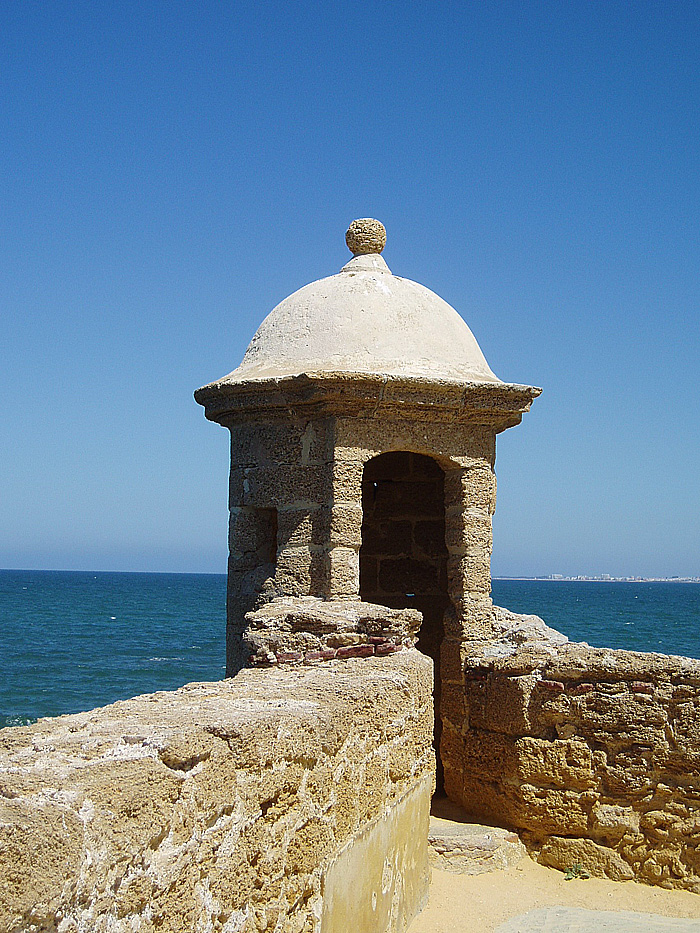
The fortress is characterized by its robust defensive elements typical of High Medieval military architecture. The four towers provided vantage points for surveillance and defense, with the hexagonal towers uniquely designed to house chapels on their ground floors. The castle’s walls and battlements were constructed to withstand sieges and attacks, reflecting the turbulent nature of the period.
15th-century Gothic additions
During the 15th century, the castle underwent significant expansions under the ownership of the House of Medinaceli. A notable addition was the sacristy with three bays, each covered by Gothic vaults featuring pointed arches and ribbed stonework. Above the church vaults, new rooms were constructed accessible from the patio de armas, or courtyard of arms, emphasizing the castle’s dual role as a military fortress and noble residence.
Notable historical figures and ownership
The castle passed through the hands of several prominent figures. Admiral Benedetto Zaccaria, a Genoese noble, once held the fortress, followed by Alonso Pérez de Guzmán El Bueno, who in 1306 donated it to his daughter Leonor de Guzmán. This donation marked the beginning of the House of Medinaceli's long association with the castle and the town.
During the late medieval period, the castle was frequented by notable mariners such as Christopher Columbus and Juan de la Cosa. Juan de la Cosa, famed for his cartographic work during the Age of Exploration, is commemorated within the castle by a bust and a replica of his 1500 nautical map, linking the fortress to Spain’s maritime heritage.
Decline and restoration
As El Puerto de Santa María expanded and newer religious buildings were constructed, the castle’s role as a sanctuary and defensive bastion diminished. The fortress was eventually closed in 1868 and left abandoned for several decades. Restoration efforts in the 1940s helped preserve the castle’s structure and historical significance, allowing it to survive into the modern era in a well-preserved state.
Current use and cultural significance
Today, San Marcos Castle is not only a historical monument but also a vibrant cultural venue. Its well-maintained interiors and gardens host conferences, cultural events, and private functions for up to 300 people. The preserved mosque interior offers a unique atmosphere for gatherings, while the surrounding gardens provide an exceptional open-air setting during the summer months.
The castle’s layered history, architectural diversity, and connection to significant historical figures make it a valuable heritage site. It embodies the complex cultural and religious transformations of medieval Spain and serves as a testament to the enduring legacy of Alfonso X and the military orders that shaped the region.
Frequently asked questions (FAQ)
- What is the historical significance of San Marcos Castle?
- San Marcos Castle, originally built in the 13th century, served as a fortification during the Reconquista. It has witnessed numerous historical events and changes in power, making it a significant landmark in El Puerto de Santa María.
- When was San Marcos Castle built?
- Construction of San Marcos Castle began in the 13th century under the rule of the Almohads. Over the centuries, it underwent several renovations and expansions, reflecting various architectural styles influenced by its tumultuous history.
- What are the opening hours for visiting San Marcos Castle?
- San Marcos Castle is typically open to visitors from 10 AM to 6 PM, with extended hours during the summer months. It is advisable to check the official website for any seasonal changes or special closures before planning your visit.
- Can I purchase tickets in advance for San Marcos Castle?
- Yes, visitors can purchase tickets in advance through the official website or at the onsite ticket office. Booking ahead is recommended, especially during peak tourist seasons, to ensure availability and avoid long wait times.
- Is San Marcos Castle accessible for visitors with mobility challenges?
- Yes, San Marcos Castle is equipped with facilities to assist visitors with mobility challenges. However, some areas may have uneven surfaces due to the historical nature of the site, so it is best to check with staff for specific accommodations.
- What is the best time to visit San Marcos Castle?
- The best time to visit San Marcos Castle is during the spring and fall when the weather is mild and pleasant. Additionally, visiting during weekdays can help you avoid larger crowds and allow for a more enjoyable experience.
- What nearby attractions should I visit after San Marcos Castle?
- After exploring San Marcos Castle, consider visiting the nearby beaches of El Puerto de Santa María or the picturesque historic center of the town. The local wine cellars and the stunning views of the Bay of Cádiz are also worth experiencing.
Photo gallery

Information
Website
Visit websiteSources & official resources
Verify the information above using these authoritative references.
Loading map...
Visitor reviews
No reviews yet. Been here? Write the first review and help other travelers!
Write the first reviewVisited this castle? Share your experience
Your review helps other travelers and adds first-hand knowledge to our encyclopedia.