Doña Blanca Castle
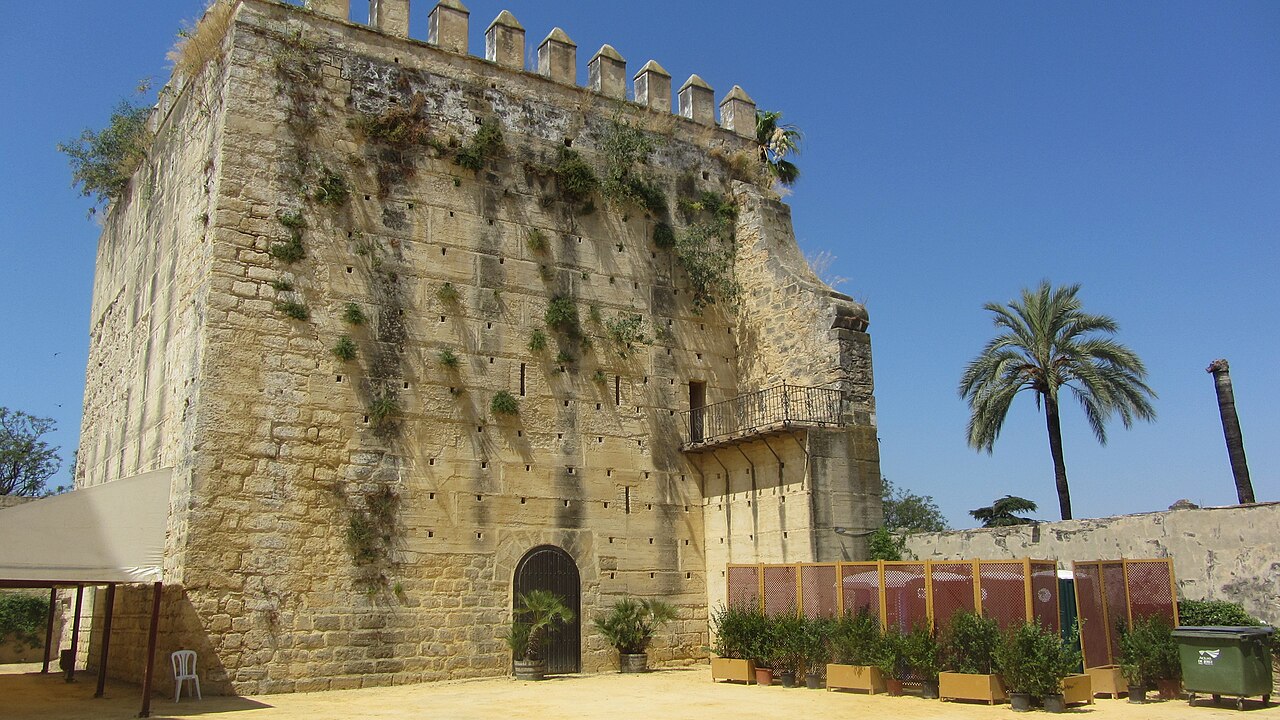
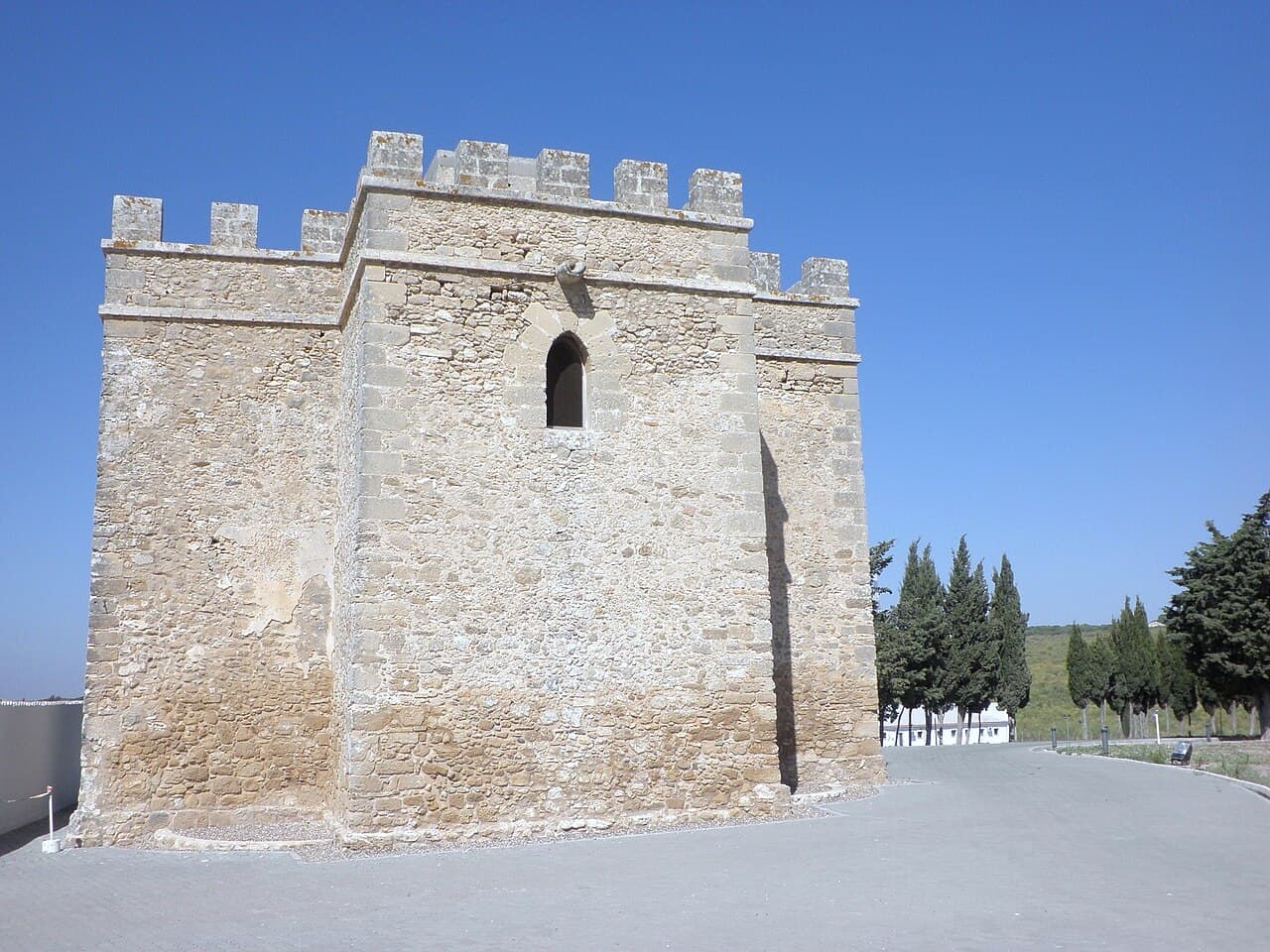
Doña Blanca Castle, located in El Puerto de Santa María, Spain, is a historic hill castle dating back to the 15th century. This castle was primarily constructed as a watchtower to oversee the strategic Cádiz bay, playing a defensive role during the Late Medieval period. It is named after Lady Blanca de Borbón, a notable figure who was imprisoned within its walls, lending the castle both historical and cultural significance.
Historical background and significance
The site of Doña Blanca Castle is layered with a rich history that predates the castle itself. Archaeological excavations have revealed that the area was once home to a significant Phoenician settlement. The remains of walls, necropolises, and housing structures date from between the 8th and 3rd centuries BC, indicating a well-developed urban center with sophisticated urban planning. This ancient city was a powerful port, underscoring the long-standing strategic importance of the location.
The earliest traces of human occupation in the surrounding mountains and plains date back to the Copper Age, showing continuous settlement and use of the region over millennia. The castle itself was built in the 15th century, during a period of increased fortification in Spain, when controlling access to important maritime routes was essential.
Architectural features and construction
Doña Blanca Castle is characterized by its robust tower structure, which was designed primarily for surveillance and defense. The tower overlooks the bay, providing a vantage point to monitor naval activity and potential threats. The castle's construction reflects typical Late Medieval military architecture, with thick stone walls and limited openings to withstand attacks.
The castle is integrated into an archaeological site that includes the ancient Phoenician remains, making it a unique blend of medieval and ancient heritage. The castle's walls and foundations may incorporate or overlay earlier structures, reflecting the continuous strategic use of the site.
Archaeological importance and preservation
The area surrounding Doña Blanca Castle is of considerable archaeological importance. Excavations have uncovered Phoenician necropolises and residential areas, which have provided valuable insights into the region's ancient history and its role as a thriving port city in antiquity. These findings highlight the continuity of settlement from the Copper Age through to the medieval period.
Declared a Bien de Interés Cultural in 1993, the castle and its surrounding archaeological site are protected under Spanish heritage laws. Preservation efforts focus on maintaining both the medieval castle and the ancient ruins, ensuring that visitors can appreciate the full historical context of the site.
Visitor information and cultural context
Today, Doña Blanca Castle is accessible to visitors interested in both medieval fortifications and ancient archaeology. The castle's location in El Puerto de Santa María places it within a region rich in historical landmarks and cultural heritage, making it a valuable destination for those exploring Andalusia's past.
The castle's association with Lady Blanca de Borbón adds a layer of historical narrative, connecting the physical structure to notable figures and events in Spanish history. This connection enhances the castle's appeal as a site of both architectural and historical interest.
Frequently asked questions (FAQ)
- What is the historical significance of Doña Blanca Castle?
- Doña Blanca Castle was built in the 15th century as a watchtower overlooking Cádiz bay and is named after Lady Blanca de Borbón, who was imprisoned there. The site also contains important Phoenician archaeological remains, highlighting its long history as a strategic port.
- Can I visit the archaeological remains near Doña Blanca Castle?
- Yes, visitors can explore the archaeological site around the castle, which includes Phoenician walls, necropolises, and ancient housing remains dating from the 8th to 3rd centuries BC. These ruins provide insight into the ancient urban development of the area.
- When is the best time to visit Doña Blanca Castle?
- The castle is best visited in spring and autumn when the weather is mild. These seasons offer comfortable conditions for exploring both the castle and the surrounding archaeological site.
- Is Doña Blanca Castle accessible to visitors with mobility issues?
- The castle and archaeological site have uneven terrain and some areas with limited accessibility. Visitors with mobility issues should check with the local tourist office for specific information on access and available assistance.
- Are there guided tours available at Doña Blanca Castle?
- Guided tours may be offered by the local municipality or cultural organizations. These tours provide detailed historical and architectural information, enriching the visitor experience.
Photo gallery

Information
Current owner
Municipality
Loading map...
Visitor reviews
No reviews yet. Been here? Write the first review and help other travelers!
Write the first reviewVisited this castle? Share your experience
Your review helps other travelers and adds first-hand knowledge to our encyclopedia.