San Giovanni Castle
San Giovanni Castle, also known as St. John’s Castle, majestically overlooks the town of Kotor from its perch 1200 meters above sea level on the hill of St. John. This ancient fortress is a remarkable example of military architecture that has evolved through centuries, reflecting the diverse influences of Byzantine, Venetian, Russian, and French rule. Originally constructed in 532 AD under the reign of Byzantine Emperor Justinian I, the fortifications were designed to protect the strategic bay and the medieval town below.
Historical significance and evolution
The fortress's roots lie deep in the Early Medieval period, marking it as one of the oldest fortifications in the region. Over the centuries, San Giovanni Castle witnessed numerous battles and sieges, reflecting the turbulent history of the Adriatic coast. The castle was a vital defensive stronghold during the Venetian Republic's control, which lasted several centuries, and later under Russian and French occupations. Notably, it endured bombardments by the British Navy and occupation during World War II, demonstrating its continued military relevance well into the 20th century.
Architectural features and fortifications
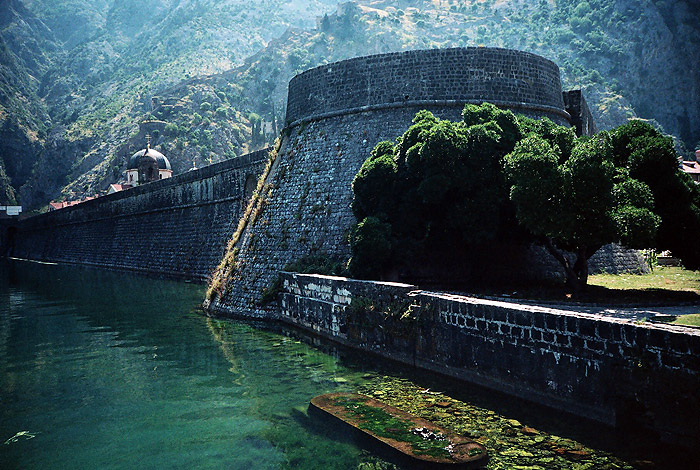
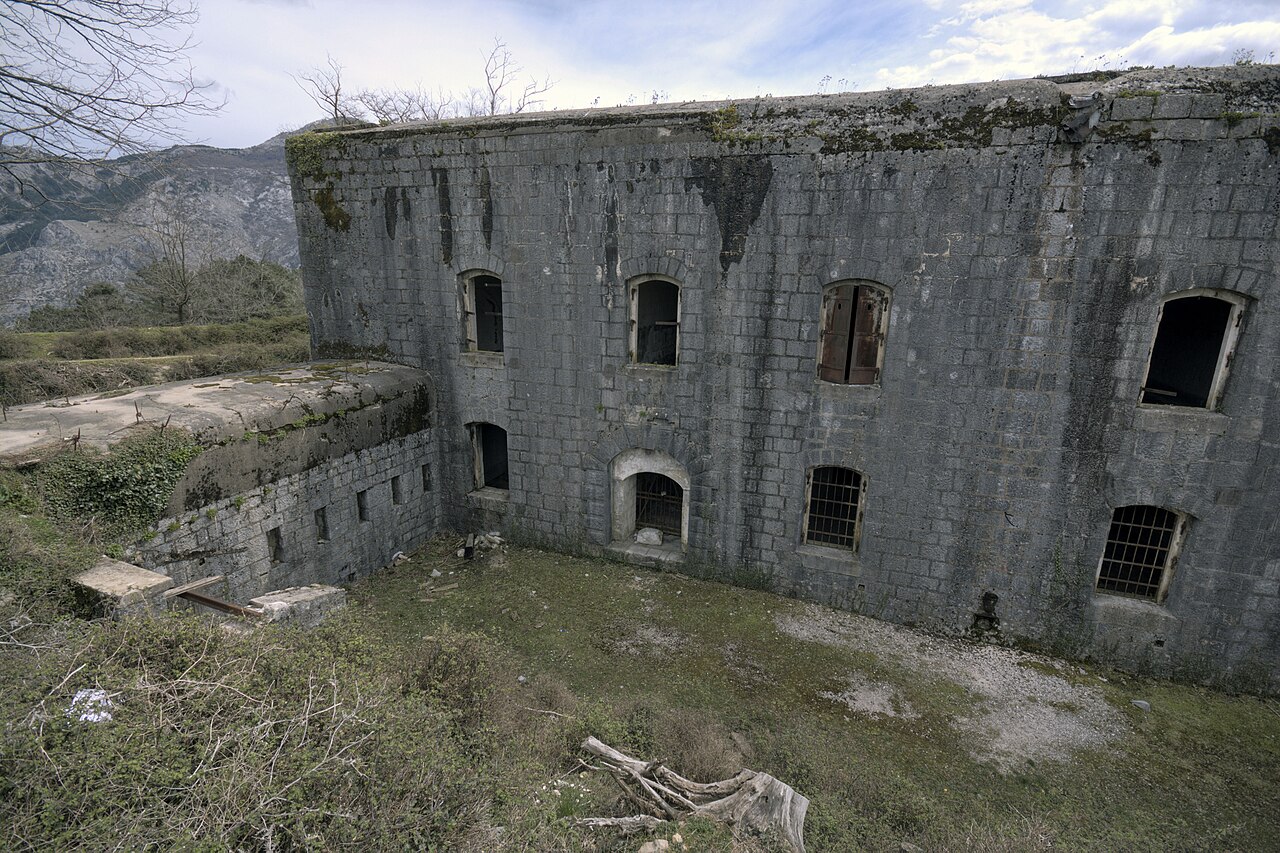
San Giovanni Castle is an integral part of the extensive fortifications of Kotor, a complex defensive system that includes ramparts, towers, citadels, gates, bastions, forts, cisterns, and various ancillary buildings. These fortifications collectively showcase the military architectural traditions of Illyria, Byzantium, Venice, and Austria. The castle itself features robust stone walls adapted to the rugged terrain of the hill, with defensive battlements and lookout points that command panoramic views over the Boka Kotorska Bay.
The ascent and visitor experience
The approach to San Giovanni Castle is a challenging but rewarding journey. Visitors must ascend approximately 1,350 stone steps carved into the hillside, requiring sturdy footwear and a moderate level of fitness. This steep climb culminates in breathtaking vistas over the bay and the old town of Kotor, offering one of the most spectacular viewpoints in Montenegro. The castle's elevated position not only served strategic military purposes but now provides a unique cultural and natural experience for visitors.
Resilience through natural disasters and preservation
San Giovanni Castle has survived multiple natural calamities, including three significant earthquakes that have struck the region. Despite these challenges, the fortress remains partially preserved, with ongoing efforts to maintain and protect its structural integrity. Its inclusion as part of the UNESCO World Heritage Site designation in 1979 under the label "Natural and Culturo-Historical Region of Kotor" underscores its cultural and historical value. This status helps ensure continued conservation and promotes awareness of the castle's importance.
Military architecture influences and construction details
The construction of San Giovanni Castle reflects the Byzantine military architectural style of the 6th century, characterized by thick defensive walls and strategic placement on elevated terrain. Over time, Venetian modifications introduced Renaissance-era bastions and artillery platforms to adapt to evolving warfare technologies. The castle's layout is irregular, conforming to the natural contours of the hill, which enhanced its defensive capabilities by making it difficult for attackers to find weak points.
Structural components
- Ramparts and walls: Built from local limestone, these fortifications are thick and robust, designed to withstand artillery fire.
- Towers and bastions: Strategically positioned for optimal surveillance and defense, these structures allowed defenders to cover all approaches.
- Gates and entrances: Access points were heavily fortified and often included drawbridges or portcullises during Venetian enhancements.
- Cisterns: Water storage facilities ensured the garrison could endure prolonged sieges.
Cultural and heritage importance
San Giovanni Castle is not only a military relic but also a symbol of the cultural synthesis that defines Kotor and the wider Adriatic region. The castle and the surrounding fortifications embody the layered history of conquest, trade, and cultural exchange between East and West. Today, it stands as a testament to the resilience and strategic ingenuity of its builders and the communities that have preserved it through centuries.
Tourism and accessibility
The castle is a popular destination for tourists seeking historical insight and natural beauty. While the climb is physically demanding, the reward is an unparalleled view and a deep connection to the region's rich past. Visitor facilities are modest, emphasizing the preservation of the site's authenticity. The best times to visit are during the spring and autumn months when the weather is mild, and the crowds are smaller.
Overall, San Giovanni Castle offers a profound glimpse into the Early Medieval fortifications of the Adriatic, enriched by layers of Venetian and later influences, making it a must-see for enthusiasts of history, architecture, and breathtaking landscapes.
Frequently asked questions (FAQ)
- How do I get to San Giovanni Castle?
- San Giovanni Castle is located in Kotor, Montenegro, and can be reached by foot from the Old Town. A steep hike up the fortress steps offers stunning views of the Bay of Kotor, making the journey worthwhile.
- What is the historical significance of San Giovanni Castle?
- San Giovanni Castle dates back to the 14th century and was built to protect the city from invaders. Its strategic location on the hilltop allowed it to serve as a watchtower and military fortress throughout various historical conflicts.
- When was San Giovanni Castle built?
- Construction of San Giovanni Castle began in the 14th century, with significant expansions and renovations occurring in the following centuries. The castle's architecture reflects various styles influenced by the different rulers of Kotor.
- Can I visit San Giovanni Castle year-round?
- Yes, San Giovanni Castle is open to visitors year-round. However, the best time to visit is during the spring and early autumn when the weather is mild and the views of the surrounding landscape are at their best.
- Why is San Giovanni Castle a popular tourist attraction?
- San Giovanni Castle is popular for its breathtaking views of Kotor and the bay, as well as its rich history. Visitors are drawn to its impressive fortifications and the opportunity to explore its ancient walls and pathways.
- Is it possible to access San Giovanni Castle with a disability?
- Accessing San Giovanni Castle can be challenging, as the main route involves a steep climb up hundreds of steps. Currently, there are limited facilities for individuals with mobility issues, so it is advisable to plan accordingly.
- What are the opening hours for San Giovanni Castle?
- San Giovanni Castle typically opens at 8:00 AM and closes at dusk, but hours may vary by season. It is best to check the local schedule before your visit to ensure you have enough time to explore.
- How much does it cost to enter San Giovanni Castle?
- The entrance fee for San Giovanni Castle is relatively low, making it an affordable attraction for most visitors. Tickets can be purchased on-site, and the funds help with the maintenance and preservation of this historic site.
- What nearby attractions should I visit while in Kotor?
- While in Kotor, consider visiting the charming Old Town, the Maritime Museum, and the Cathedral of Saint Tryphon. The scenic Bay of Kotor offers opportunities for boat tours and hiking in the surrounding mountains.
Information
Loading map...
Visitor reviews
No reviews yet. Been here? Write the first review and help other travelers!
Write the first reviewVisited this castle? Share your experience
Your review helps other travelers and adds first-hand knowledge to our encyclopedia.