Fortifications of Kotor
The fortifications of Kotor stand as a remarkable testament to the city's rich history and strategic importance on the Adriatic coast. Located on the Bay of Kotor (Boka kotorska), a natural fjord near Montenegro's coastline, Kotor is renowned as the oldest town in Montenegro with origins tracing back to antiquity. Archaeological evidence suggests that the site may have been inhabited as early as between 700 and 400 BCE, possibly built over an earlier settlement, though the exact details remain uncertain.
The earliest well-documented period of Kotor's development began with the Greek colonization in the 3rd century BCE. The natural geography of the area, characterized by steep hills and natural terraces, provided an ideal defensive setting that was utilized by successive inhabitants. However, it is the extensive and imposing medieval fortifications that define Kotor's historic skyline today. These walls, primarily of Venetian defensive design, were constructed and enhanced over centuries, reflecting the city's evolving military and political significance.
Historical background and strategic importance
Kotor's position on the Adriatic Sea made it a coveted maritime and commercial hub, drawing the attention of numerous empires and powers throughout history. The city's fortifications bear witness to a long history of conflict and occupation. Among the many groups that have controlled or attacked Kotor are the Illyrians, Romans, Byzantines, Venetians, Ottomans, and Austrians. Additionally, forces from Russia, Serbia, Britain, and Hungary have influenced the region at various times.
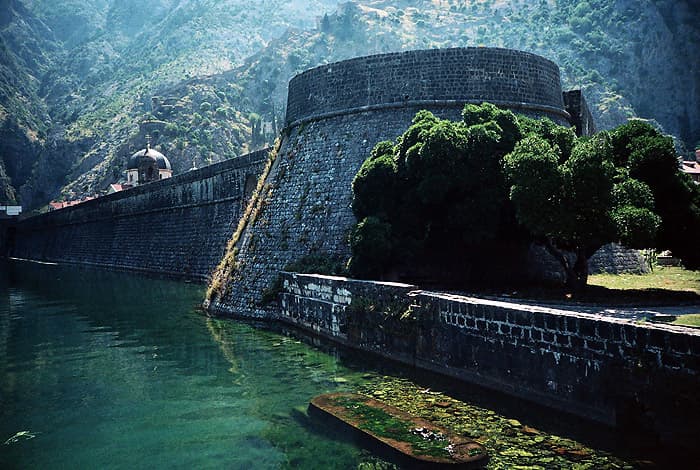
The city's walls and defensive structures were repeatedly tested in battle and sieges, necessitating continual repairs and upgrades. The Venetian Republic played a crucial role in shaping the fortifications during the medieval period, leaving behind the most visible and architecturally significant elements of the walls that encircle the old town. These fortifications include massive stone walls, bastions, towers, gates, and other defensive works designed to protect against both land and sea attacks.
Architectural features and structure
The fortifications of Kotor extend approximately 4.5 kilometers, encompassing the old town and climbing the adjacent hills to a height of about 260 meters above sea level. This extensive defensive system includes thick stone walls that vary in height and thickness, numerous bastions and towers, and fortified gates that controlled access to the city.
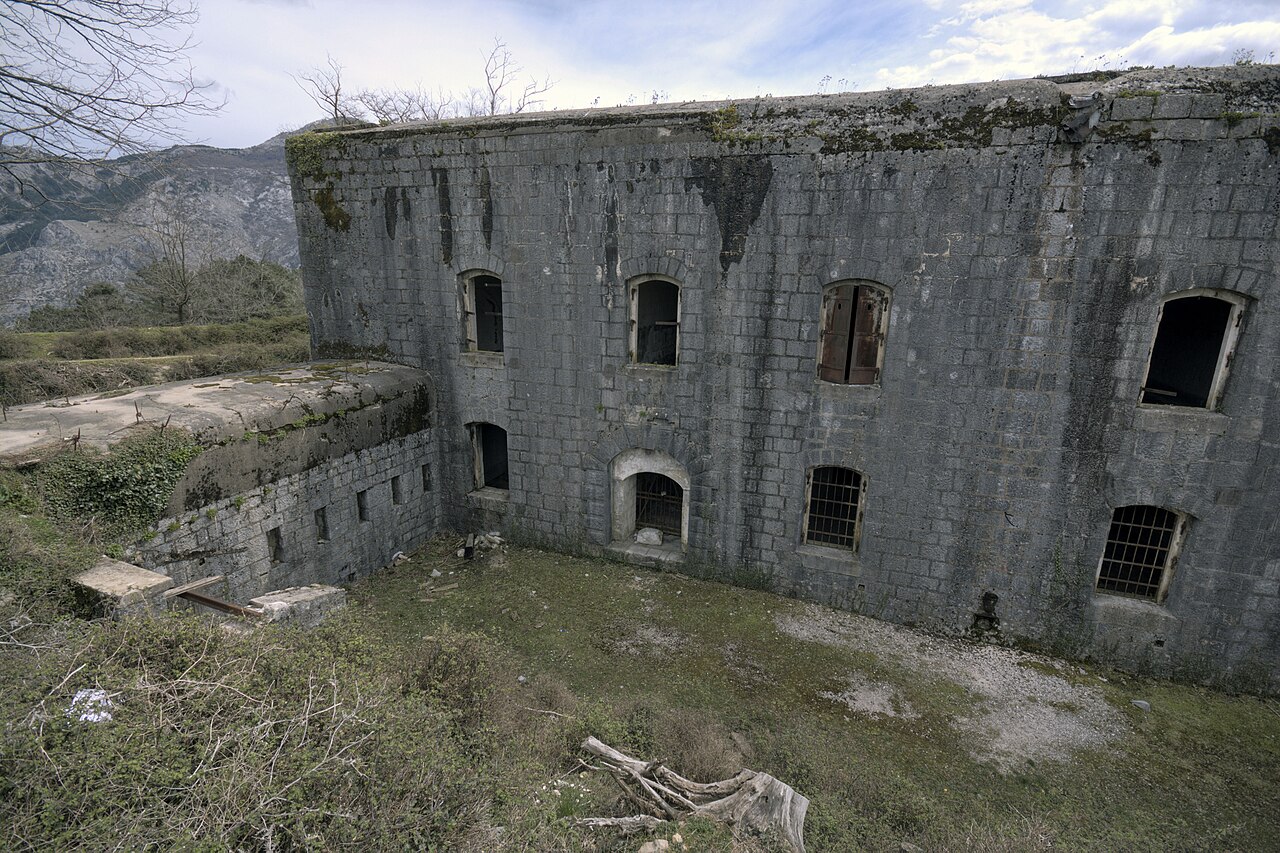
The walls follow the natural contours of the terrain, creating a formidable barrier that integrates the natural landscape with human engineering. The upper fortress, known as St. John's Fortress (San Giovanni), sits atop the hill and served as the final defensive stronghold. It offers commanding views of the bay and surrounding area, underscoring its strategic military importance.
The design of the fortifications reflects Venetian military architecture of the late medieval and early Renaissance periods, with adaptations to the rugged terrain. The walls are constructed primarily of local limestone, featuring crenellations, arrow slits, and artillery bastions that were added as warfare evolved.
Notable gates and bastions
- Main Gate (Sea Gate): The primary entrance to the old town, fortified and decorated with the Venetian lion of St. Mark.
- South Gate: Another key access point, heavily fortified to repel attackers approaching from the landward side.
- Bastion of the Dead: A distinctive bastion named for its role in defending the city during various sieges.
Impact of natural disasters and restoration efforts
Kotor's fortifications have endured numerous natural challenges, most notably earthquakes. A significant earthquake in 1979 caused extensive damage to the walls and buildings within the old town. This event prompted large-scale restoration and conservation efforts to preserve the historical and architectural integrity of the site.
Restoration work has focused on stabilizing the walls, repairing damaged sections, and maintaining the visual and structural authenticity of the fortifications. These efforts have been essential in safeguarding Kotor's cultural heritage and ensuring its status as a UNESCO World Heritage Site.
Cultural significance and tourism
Today, the fortifications of Kotor are a major tourist attraction, drawing visitors interested in history, architecture, and breathtaking views. The walls offer a unique opportunity to explore centuries of military architecture while enjoying panoramic vistas of the Bay of Kotor and surrounding mountains.
Walking the ramparts provides insight into the city's complex history of defense, trade, and cultural exchange. The preservation of these fortifications allows Kotor to stand as a vivid example of Mediterranean medieval military architecture and the enduring legacy of the Venetian Republic in this region.
Visitors can access the walls via several entry points and enjoy guided tours that explain the historical context and architectural features. The site also hosts cultural events and exhibitions that celebrate Kotor's rich heritage.
Frequently asked questions (FAQ)
- How do I get to the fortifications of Kotor?
- The fortifications are located in the old town of Kotor, Montenegro. Visitors can reach the site by walking from the town center or by local transport options. The main access is through the Sea Gate.
- What is the best time to visit the fortifications?
- The best time to visit is during the spring and autumn months when the weather is mild and crowds are smaller. Early mornings and late afternoons offer pleasant temperatures and beautiful lighting for photography.
- Can I walk along the entire length of the walls?
- Yes, visitors can walk much of the 4.5-kilometer-long walls, including climbing to St. John's Fortress. However, some sections may be steep and require a moderate level of fitness.
- Are there guided tours available?
- Yes, guided tours are offered by local operators and provide detailed historical and architectural insights. They are recommended for a fuller understanding of the site's significance.
- Is the site accessible for people with mobility issues?
- Due to the steep terrain and uneven surfaces, the fortifications are not fully accessible to visitors with mobility impairments. Some areas may be challenging to navigate.
Photo gallery

Photo by Asta•Public domain
Information
Opening hours
09:00-18:00, daily
Ticket prices
€8 adult, €4 child
Current owner
Municipality of Kotor
Website
Visit websiteSources & official resources
Verify the information above using these authoritative references.
Loading map...
Visitor reviews
No reviews yet. Been here? Write the first review and help other travelers!
Write the first reviewVisited this castle? Share your experience
Your review helps other travelers and adds first-hand knowledge to our encyclopedia.