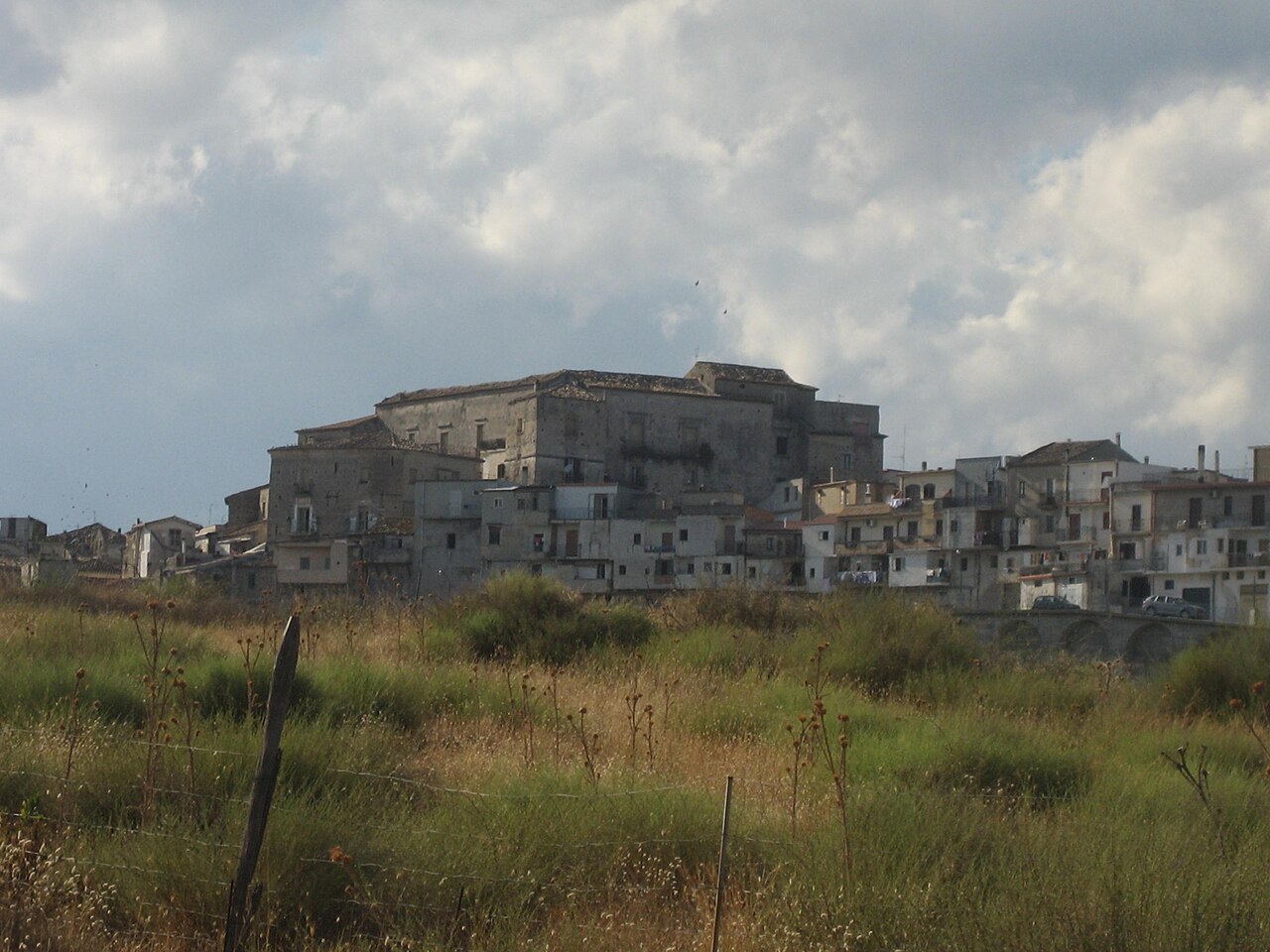
San Fili Castle is a notable example of post-Renaissance military architecture located in the town of Stignano, Italy. Constructed between 1711 and 1720, the castle was commissioned and built under the direction of Giuseppe Lambert, a figure whose involvement reflects the architectural and defensive needs of the early 18th century in southern Italy.
Historical context and construction
The early 18th century was a period marked by shifting political powers and frequent conflicts in Italy, particularly in regions like Calabria where Stignano is situated. The construction of San Fili Castle during this time reflects the strategic importance of fortifications in protecting local populations and asserting control over territory. The castle was designed primarily as a defensive stronghold, incorporating the latest military architectural principles of the post-Renaissance period, which emphasized bastioned fortifications and improved artillery defenses.
Architectural features and design
San Fili Castle exhibits characteristics typical of post-Renaissance fortress design. Its layout likely features bastions or angled walls to deflect cannon fire, a departure from the high walls and towers of medieval castles. The structure was built to withstand artillery sieges and to provide a strong defensive position overseeing the surrounding landscape. While specific detailed plans of the castle are scarce, the design would have included thick walls, limited points of entry, and provisions for garrison troops.
Materials and construction techniques
The castle was constructed using local stone and masonry techniques common in Calabria during the early 1700s. The use of durable materials was essential for both defense and longevity. The construction overseen by Giuseppe Lambert ensured that the castle met contemporary standards for fortifications, balancing functionality with the architectural styles of the time.
Role and significance in regional defense
During the 18th century, southern Italy faced threats from various external forces, including pirate raids and military incursions. San Fili Castle played a role in the network of fortifications designed to protect the coastline and inland areas of Calabria. Its strategic position in Stignano allowed it to serve as a lookout point and deterrent against invasions, helping to safeguard the local population and maintain regional stability.
Current condition and cultural importance
Today, San Fili Castle stands as a historical monument representing the military architecture of the post-Renaissance period in Italy. While detailed information about its current preservation status is limited, it remains an important cultural landmark within the region. The castle attracts visitors interested in early modern fortifications and Italian history, contributing to the local heritage and tourism.
Visiting San Fili Castle
Visitors to San Fili Castle can appreciate its historical significance and architectural features within the context of Stignano and the wider Calabria region. The castle's location offers insights into the defensive strategies employed in southern Italy during the early 18th century. While access details are not widely documented, the castle is part of the cultural landscape that enriches the experience of exploring historic sites in this part of Italy.
Loading map...
Visitor reviews
No reviews yet. Been here? Write the first review and help other travelers!
Write the first reviewVisited this castle? Share your experience
Your review helps other travelers and adds first-hand knowledge to our encyclopedia.