Monasterace Castle
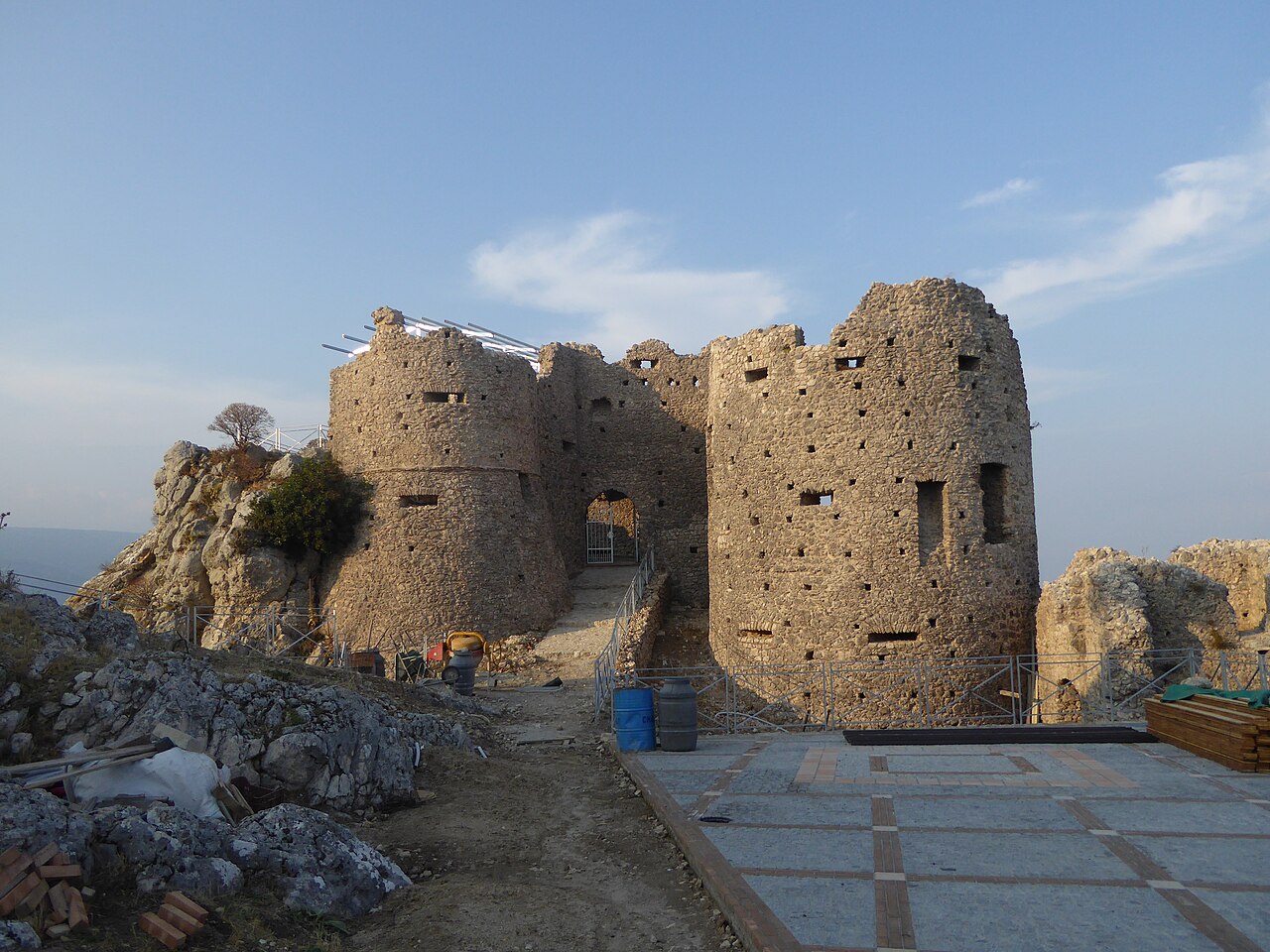
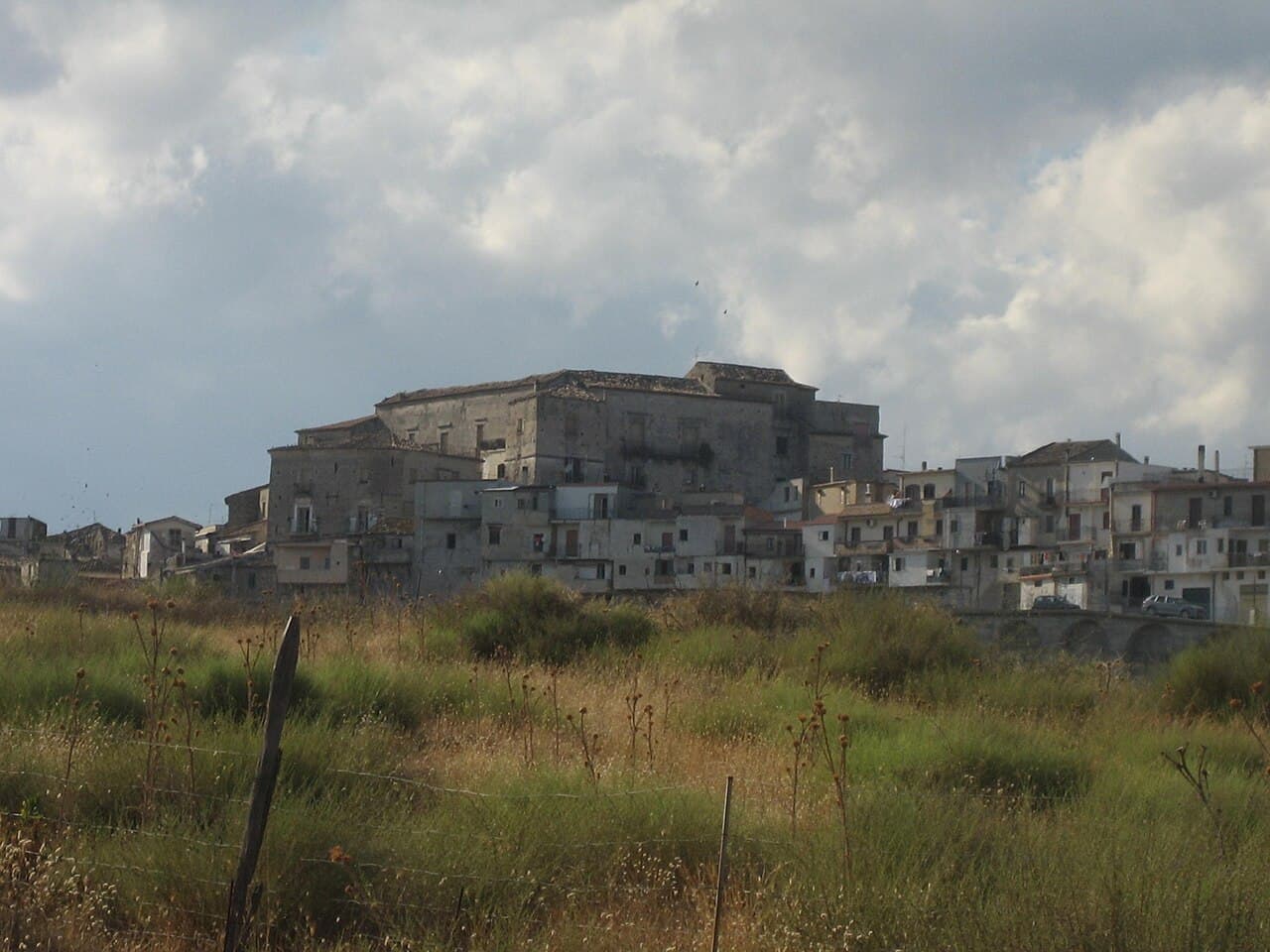
Monasterace Castle stands prominently on the highest points of the historical centre of Monasterace, in the Calabria region of southern Italy. This hill castle traces its origins to the 11th century, constructed during the High Medieval period. It represents a significant example of Norman-Byzantine military architecture, reflecting the cultural and political influences that shaped southern Italy during this era.
Historical background and strategic importance
The castle was initially established by the Normans, who had recently gained control over large parts of southern Italy. Its location on a hilltop provided a commanding view of the surrounding landscape, enabling control over key routes and serving as a defensive stronghold against both local and foreign threats. The castle's position was strategic for overseeing the Ionian coast and protecting the inland territories.
Monasterace Castle's early history is intertwined with the complex interactions between the Norman conquerors and the Byzantine Empire, which had previously dominated the region. This blend of influences is evident in the castle's architectural features and construction techniques.
Architectural features and construction phases
The original 11th-century structure was built with typical Norman defensive elements, including thick stone walls and a compact layout designed for defense. Over the centuries, the castle underwent significant modifications, particularly during the 15th and 16th centuries, when it was renovated to adapt to evolving military technologies and aesthetic preferences.
Norman-Byzantine elements
The castle exhibits a fusion of Norman robustness and Byzantine stylistic details. The masonry work shows influences from Byzantine construction methods, including the use of local stone and mortar techniques. The castle's plan includes a central keep or stronghold, surrounded by curtain walls and towers that enhanced its defensive capabilities.
Later modifications
During the 15th and 16th centuries, the castle was updated to better withstand artillery attacks, which were becoming more common in warfare. These renovations included the reinforcement of walls, the addition of bastions or angular towers, and the enlargement of living quarters to accommodate a garrison and administrative functions. The castle's current appearance largely dates from this period, reflecting Renaissance military architectural trends while retaining its medieval character.
Role and function through history
Throughout its history, Monasterace Castle served multiple roles. Initially a military fortress, it later became a noble residence and administrative center. Its strategic location made it a focal point during regional conflicts and power struggles. The castle also played a part in controlling local populations and safeguarding trade routes along the coast.
In later centuries, as the military importance of such fortifications declined, the castle's function shifted more toward governance and residence. Despite this, it remained a symbol of authority and power in the region.
Current condition and preservation
Today, Monasterace Castle is partially preserved. While some sections remain intact and showcase the blend of Norman and Renaissance architectural features, other parts have suffered from neglect and natural decay. Preservation efforts have focused on stabilizing the structure and promoting its historical significance as a cultural landmark in Calabria.
The castle attracts visitors interested in medieval architecture, Norman history, and the cultural heritage of southern Italy. Its hilltop location offers panoramic views of the surrounding landscape, enhancing its appeal as a historical site.
Visiting Monasterace Castle
Visitors to Monasterace Castle can explore the remaining walls, towers, and courtyards, gaining insight into its architectural evolution and historical context. The site provides an opportunity to understand the military and cultural dynamics of the High Medieval period in Calabria.
Nearby attractions include the archaeological site of the ancient city of Kaulon, which offers additional historical perspective on the region's long-standing significance.
Frequently asked questions (FAQ)
- When was Monasterace Castle originally built?
- Monasterace Castle was originally constructed in the 11th century during the High Medieval period by the Normans.
- What architectural styles are evident in Monasterace Castle?
- The castle features a blend of Norman and Byzantine architectural elements, with later modifications from the 15th and 16th centuries reflecting Renaissance military architecture.
- Is Monasterace Castle open to visitors?
- Yes, visitors can explore the partially preserved remains of Monasterace Castle and enjoy panoramic views from its hilltop location.
- What was the strategic importance of Monasterace Castle?
- The castle's hilltop position allowed control over key routes and the Ionian coast, serving as a defensive stronghold in southern Italy.
- Are there any nearby historical sites to visit along with Monasterace Castle?
- The ancient archaeological site of Kaulon is nearby, offering additional insight into the region's historical significance.
Photo gallery

Information
Loading map...
Visitor reviews
No reviews yet. Been here? Write the first review and help other travelers!
Write the first reviewVisited this castle? Share your experience
Your review helps other travelers and adds first-hand knowledge to our encyclopedia.