San Esteban de Deyo Castle
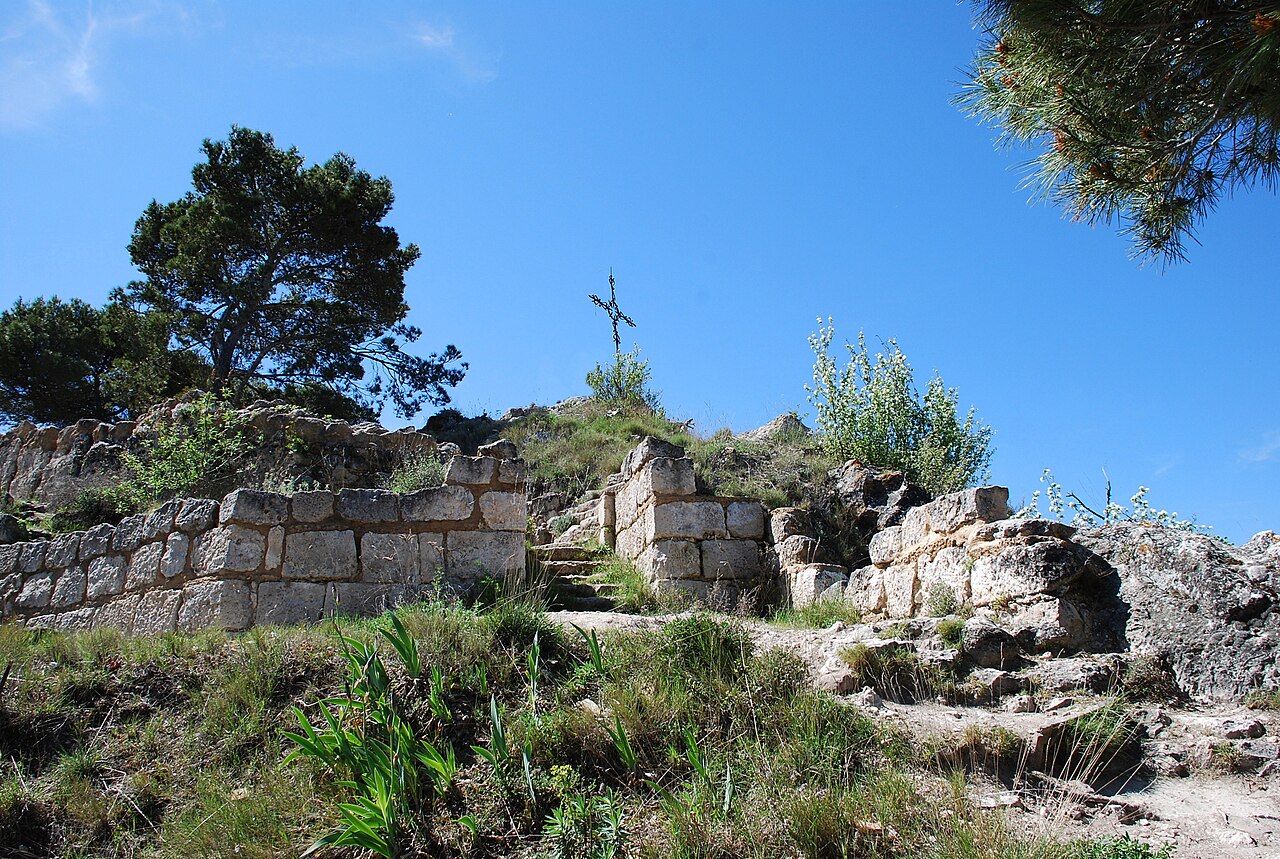
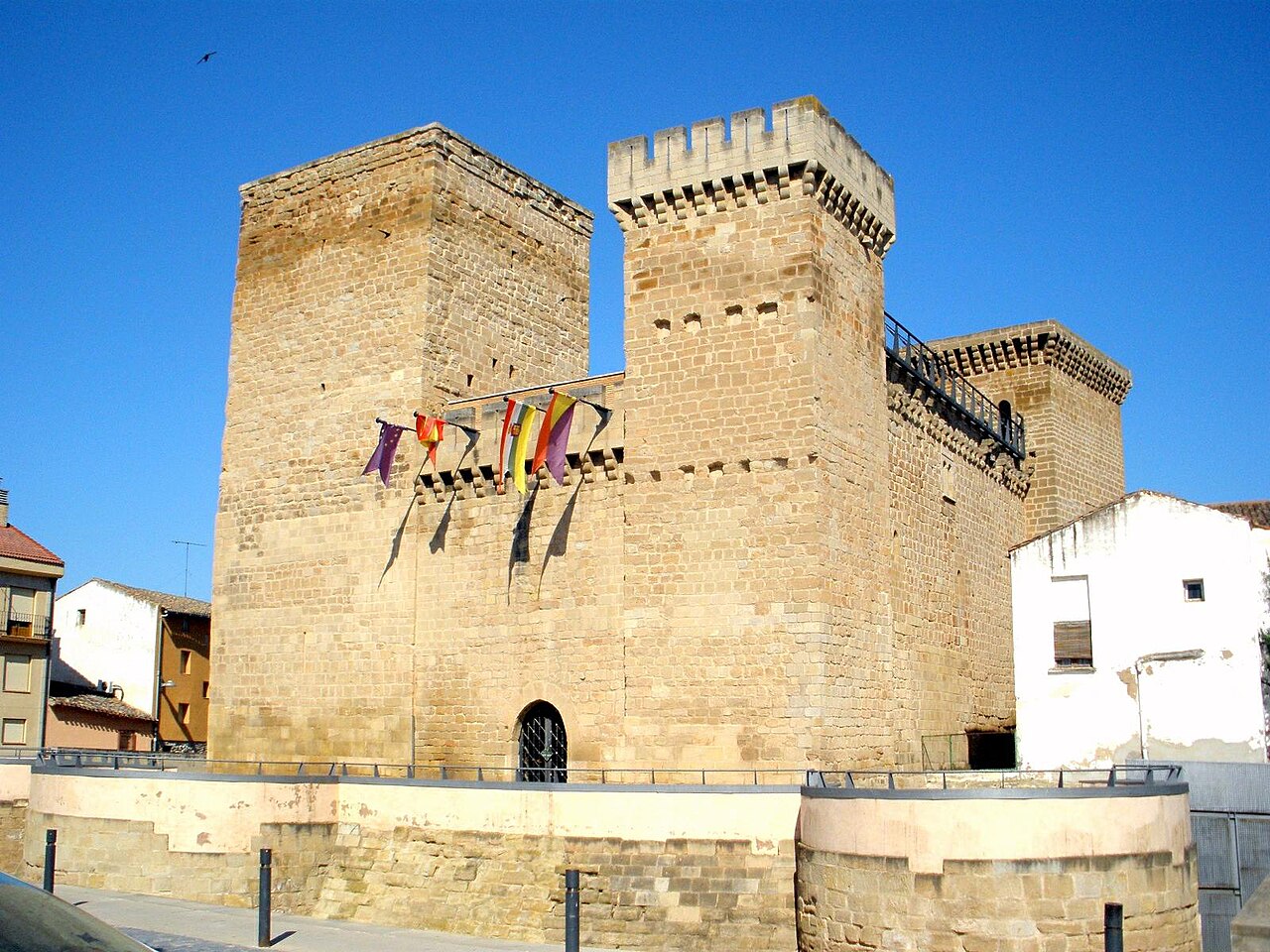
San Esteban de Deyo castle, also known as Castillo de Monjardín, stands as a striking ruin atop a hill overlooking the town of Villamayor de Monjardín in the autonomous community of Navarre, Spain. Situated at an elevation of approximately 890 metres, this hill castle occupies a commanding position in the landscape, reflecting its historical role as a strategic fortress controlling access to the surrounding valleys. The site offers a fascinating glimpse into the early medieval period of the Iberian Peninsula, marked by the complex interactions between Muslim and Christian powers during the 9th and 10th centuries.
The castle's origins trace back to a Roman foundation, evidence of the site's long-standing military significance. Over the centuries, it was rebuilt and expanded, primarily during the 9th century AD when the fortress was established by the Banu Qasi, a powerful local Muslim dynasty that governed parts of the Kingdom of Pamplona (later Navarre). This dynasty used San Esteban de Deyo as one of their last strongholds before it was captured by King Sancho I of Navarre between 909 and 914, marking a pivotal moment in the Christian Reconquista efforts in northern Spain.
Historical significance and early conflicts
The castle played a crucial role in the shifting political landscape of the Iberian Peninsula during the early medieval period. The capture of San Esteban de Deyo by Sancho Garcés I secured Christian control over the Ebro valley, a vital corridor for trade and military movements. This conquest is well documented in historical records, although later medieval sources, such as the 12th-century Codex Calixtinus, romanticize the event by attributing the castle's capture to Charlemagne from a Navarrese prince named Furré. While this legend adds to the castle's mystique, the factual account credits Sancho I's military campaign as the decisive factor in the fortress's transition from Muslim to Christian hands.
Following its capture, the castle became a key defensive and administrative center for the Kingdom of Navarre. It was entrusted to noble families who served as alcaides (castle governors), most notably the Medrano family, who managed the fortress and surrounding lands from the 11th to the 15th centuries. The Medranos were influential in maintaining the castle's defenses and overseeing local governance, reflecting the feudal structure of medieval Spain.
Medieval governance and religious influence
In addition to noble oversight, the castle's administration involved significant ecclesiastical authorities. Church officials such as sacristans and archdeacons from Pamplona held jurisdictional claims over the fortress and its lands at various points in its history. This dual control between secular and religious powers culminated in a 1319 agreement where the bishopric relinquished its claims in favor of the crown, consolidating royal authority over San Esteban de Deyo.
The intertwining of secular and religious influence is further evidenced by the construction of the Ermita de San Esteban, a Baroque hermitage built in the 17th century within the castle's courtyard. This chapel was constructed using many stones taken from the castle ruins, symbolizing the site's transformation from a military fortress to a place of spiritual significance. The hermitage contains a bell donated in 1965 by a local society from Pamplona, underscoring the enduring community connection to the site.
Architectural features and ruins
The castle's remains outline a roughly rectangular enclosure measuring approximately 62 to 72 meters in length and about 30 meters wide at its broadest point. The terrain inside the walls is relatively flat, accommodating both defensive structures and open spaces. The surviving walls, primarily constructed from sandstone, reveal the medieval building techniques used to fortify the hilltop position.
Among the most notable architectural features is the partial tower of homage or keep, which served as the fortress's central stronghold. This tower would have been the last line of defense during sieges and housed important facilities for the castle's inhabitants. Additionally, an ancient cistern with a vaulted roof remains within the enclosure, highlighting the importance of water storage for sustaining the castle during prolonged conflicts.
The castle's defensive design would have included thick walls, battlements, and possibly other fortifications adapted to the natural contours of the hill. Although much of the original structure has been lost, the remaining walls and architectural elements provide valuable insights into early medieval military architecture in northern Spain.
Later history and preservation
Despite orders for demolition in the early 16th century, San Esteban de Deyo remained standing and continued to play a military role during the 19th century, particularly during the Carlist Wars. The castle was strengthened during these conflicts, reflecting its ongoing strategic importance even as warfare evolved.
Ownership of the castle passed through various hands, including the constable count of Lerín and the influential House of Alba. The castle's military significance declined over time, and much of its stone was repurposed for other constructions, notably the Baroque hermitage within its walls.
In recognition of its historical and cultural value, San Esteban de Deyo was officially designated a protected cultural site in 1985. Today, it stands as a testament to the layered history of Navarre, embodying the region's complex past from Roman times through the medieval Reconquista and into modern heritage preservation efforts.
Local legends and cultural heritage
Local tradition holds a special place for the Medrano family and a miraculous cross housed in the hermitage, dating from the 13th century. This cross is linked to stories about Sancho Garcés I and is said to possess divine origins. Such legends reflect the deep cultural and spiritual connections that the community maintains with the castle site, blending history and folklore.
Visitors to San Esteban de Deyo today can explore the evocative ruins, appreciate the panoramic views from the hilltop, and reflect on the castle's enduring legacy as a symbol of Navarre's medieval past and cultural identity.
Frequently asked questions (FAQ)
- How do I get to San Esteban de Deyo castle?
- San Esteban de Deyo castle is located near Villamayor de Monjardín in Navarre, Spain. Visitors can reach the site by car or on foot via local roads and hiking trails leading up to the hilltop.
- What is the historical significance of San Esteban de Deyo castle?
- San Esteban de Deyo was a key early medieval fortress originally built by the Banu Qasi dynasty and later captured by King Sancho I of Navarre, marking an important moment in the Christian Reconquista.
- Can I visit the ruins of San Esteban de Deyo?
- Yes, the ruins of San Esteban de Deyo are accessible to the public. Visitors can explore the remaining walls, tower of homage, and the Baroque hermitage within the castle grounds.
- When is the best time to visit San Esteban de Deyo castle?
- The best time to visit San Esteban de Deyo is during the spring and autumn months when the weather is mild and the surrounding landscape is particularly scenic.
- Is there an entrance fee to visit San Esteban de Deyo castle?
- There is typically no entrance fee to visit the ruins of San Esteban de Deyo, making it an accessible historical site for all visitors.
Information
Website
Visit websiteSources & official resources
Verify the information above using these authoritative references.
Loading map...
Visitor reviews
No reviews yet. Been here? Write the first review and help other travelers!
Write the first reviewVisited this castle? Share your experience
Your review helps other travelers and adds first-hand knowledge to our encyclopedia.