Samuel's Fortress

Samuel's fortress in Ohrid, North Macedonia
Ohrid, Ohrid, North Macedonia
High Medieval (11th–13th c.)
Restored

Samuel's Fortress stands as a prominent high medieval stronghold in the old town of Ohrid, North Macedonia. Constructed during the reign of Tsar Samuel at the turn of the 11th century, this fortress played a crucial role in the defense and administration of the region. Its strategic position atop a hill overlooking the town and the expansive Lake Ohrid offers commanding views, making it an ideal vantage point for monitoring the surrounding landscape.

Historical significance and origins

The fortress is named after Tsar Samuel, the ruler of the First Bulgarian Empire from 997 to 1014, who fortified and expanded the site to protect his capital and consolidate his power in the Balkans. While the current structure dates primarily to the 11th century, archaeological excavations have revealed that the fortress was built upon the foundations of an earlier fortification. Evidence suggests that a predecessor fortification existed on this site as early as the 4th century BC, possibly constructed under the orders of King Philip II of Macedon. This highlights the long-standing strategic importance of the location through multiple historical periods.

Architectural features and layout

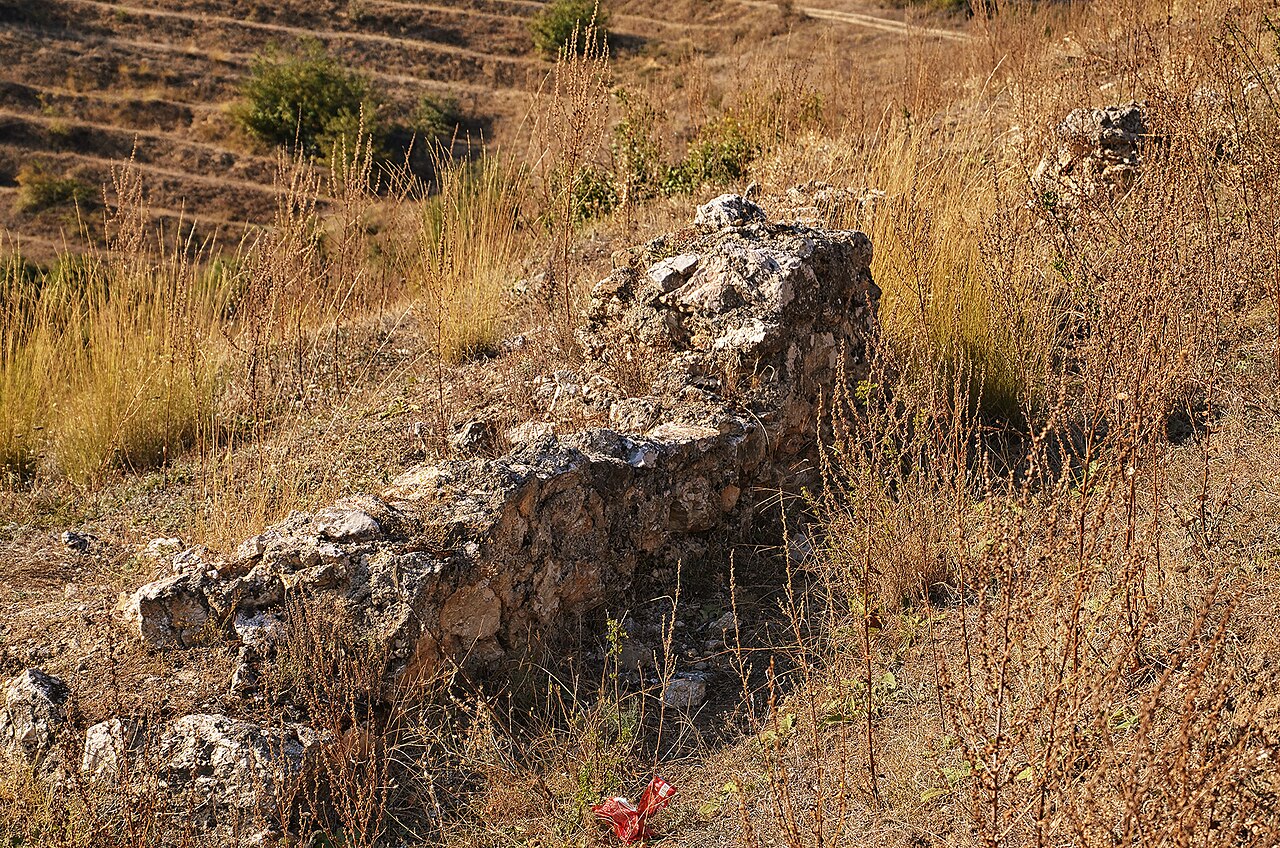
The fortress complex originally encompassed a large fortified area, with 18 towers and four gates still surviving today, testifying to its formidable defensive capabilities. The towers were arranged to provide overlapping fields of fire, protecting the fortress from invaders. The walls were constructed primarily of local stone, with thick fortifications designed to withstand sieges and attacks common in the medieval period.

The fortress includes a variety of defensive elements such as battlements, parapets, and walkways along the walls, enabling defenders to patrol and defend effectively. The four gates served as controlled access points, each likely fortified with additional defensive structures like gatehouses or barbicans to impede enemy entry.

Restoration and preservation

Samuel's Fortress underwent significant restoration in 2003, during which new battlements were added in areas where the original structures had deteriorated or were missing. This restoration effort aimed to preserve the fortress's historical integrity while enhancing its visual and educational appeal for visitors. The restoration was carried out with respect for the original medieval construction techniques and materials, ensuring the fortress remains a well-preserved example of high medieval fortification architecture.

Strategic location and panoramic views

Perched on a hill overlooking the town of Ohrid and the vast waters of Lake Ohrid, the fortress commands a panoramic view of the surrounding area. This vantage point was essential for early warning against invaders and for controlling the trade routes and communication lines in the region. Today, visitors to Samuel's Fortress can enjoy breathtaking views of the historic town center, the shimmering lake, and the rugged landscape that has shaped the area's history.

Samuel's fortress in cultural heritage

As one of the most significant medieval monuments in North Macedonia, Samuel's Fortress is a symbol of the region's rich history and cultural heritage. It attracts historians, archaeologists, and tourists alike, eager to explore its walls and learn about the turbulent medieval period during which it was a key defensive bastion. The fortress also hosts cultural events and exhibitions that celebrate the legacy of Tsar Samuel and the medieval history of the Balkans.

Visitor information and accessibility

The fortress is accessible to the public and is a popular tourist destination in Ohrid. Visitors can explore the towers, walk along the battlements, and enjoy the extensive views. The site is equipped with informational signage that provides historical context and architectural details, enhancing the visitor experience.

Visiting hours and ticket prices vary seasonally, with guided tours available to provide deeper insights into the fortress's history and architecture. The site is suitable for visitors interested in medieval history, architecture, and scenic landscapes.

Frequently asked questions (FAQ)

What is the historical significance of Samuel's Fortress?
Samuel's Fortress, built in the 10th century, served as a critical stronghold for the First Bulgarian Empire. It played a pivotal role in the region's defense and political landscape, especially during the reign of Tsar Samuel, who made Ohrid his capital. Today, it symbolizes the rich cultural heritage and tumultuous history of North Macedonia.
When was Samuel's Fortress constructed?
The construction of Samuel's Fortress began in the late 10th century, with significant enhancements made over the following centuries. The fortress was strategically positioned to oversee the city of Ohrid and protect it from invasions. Its architecture reflects the military needs of the era, showcasing impressive stone walls and towers.
Can I visit Samuel's Fortress year-round?
Yes, Samuel's Fortress is open to visitors year-round, allowing guests to explore its historical grounds and enjoy stunning views of Lake Ohrid. However, it's advisable to check local weather conditions and any seasonal hours that may apply. The best time to visit is during the spring and early autumn when the weather is pleasant.
What are the opening hours for Samuel's Fortress?
Samuel's Fortress typically opens at 9 AM and closes at 7 PM during the summer months. In the winter, hours may vary, so it's recommended to verify the current schedule before your visit. The fortress may be closed on certain public holidays, so checking ahead is a good idea.
Is there a ticket price for entering Samuel's Fortress?
Yes, there is an entrance fee to visit Samuel's Fortress, which helps maintain the site and its facilities. As of the latest updates, the ticket price is quite affordable, making it accessible for most visitors. Discounts may be available for students and groups, so inquire at the ticket office.
How do I get to Samuel's Fortress from Ohrid city center?
Samuel's Fortress is conveniently located just a short walk from the city center of Ohrid. Visitors can easily reach it by following the marked paths leading up the hill. For those preferring transportation, local taxis and public transport options are also available.
What are some nearby attractions to visit after exploring Samuel's Fortress?
After visiting Samuel's Fortress, you can explore the beautiful Ohrid Old Town, known for its charming streets and historical churches. The nearby Church of St. John at Kaneo and the Ancient Theatre of Ohrid are also must-see sites that showcase the region's rich cultural heritage. Enjoying a stroll along the lakeshore is another popular activity for visitors.
Why is the architecture of Samuel's Fortress notable?
The architecture of Samuel's Fortress is notable for its impressive defensive structures, including thick stone walls and watchtowers that have withstood the test of time. Its design reflects a blend of Byzantine and Bulgarian influences, showcasing the military engineering of the era. The panoramic views from the fortress add to its architectural significance, making it a remarkable site.

Information

Hill Castle

Loading map...

Visitor reviews

No reviews yet. Been here? Write the first review and help other travelers!

Write the first review

Visited this castle? Share your experience

Your review helps other travelers and adds first-hand knowledge to our encyclopedia.
Write a review

(5/5)

0/2000 characters

Your review will be visible after admin approval

Nearby castles

26 km
Pogradec Fortress — Albania castle

Pogradec Fortress

Pogradec, Albania

Pogradec Fortress, located in southeastern Albania, is a significant ancient hilltop stronghold with origins tracing back to the 5th century BCE. Perched on the prominent hill known as Vár-hegy or Maja e Kalasë, the fortress rises approximately 205 meters above Lake Ohrid, commanding strategic views over the surrounding landscape. Its long history reflects the complex cultural and political shifts in the region, from Illyrian tribes through Byzantine rule and medieval decline. Illyrian origins and early development The fortress was initially established by the Illyrian people, likely connected to the Enchele tribe, who inhabited the area in the centuries following the 5th century BCE. Some scholars identify the site with the ancient city of Enkelana, indicating its early prominence as a fortified settlement. The fortress's layout adapts to the natural contours of the hill, resulting in an irregular shape that maximizes defensive capabilities. During the 3rd and 2nd centuries BCE, prior to the Roman conquest of Illyria, Pogradec Fortress reached its peak significance. It functioned as a fortified center amid competing local powers, serving both military and administrative roles. The defensive walls from this period, constructed from roughly shaped stones bound with mortar made from crushed brick powder and stone fragments, measure between 1.4 and 1.8 meters thick, showcasing advanced Illyrian masonry techniques. The foundations of a rectangular tower have been uncovered within the fortress, highlighting its role in surveillance and defense. This tower base provides valuable insight into Illyrian fortification methods and architectural design. Roman and Byzantine occupation Despite the expansion of Roman influence in the region, the fortress remained inhabited through the first three centuries CE, reflecting its continued strategic importance. Archaeological finds include coins bearing the image of Emperor Justinian II (reigned 685–695 and 705–711), indicating activity during the early Byzantine era. This suggests that the fortress was still a relevant military or administrative site well into the late 7th and early 8th centuries. In the 10th century, the fortress underwent significant reconstruction under Byzantine Emperor John I Tzimiskes (reigned 969–976). This rebuilding effort aimed to reinforce the site’s military function during a period of Byzantine territorial consolidation. The civilian population relocated from the hilltop fortress to the nearby plain along the lakeshore, a demographic shift reflected in the area's Slavic name meaning "below the fortress." Decline and abandonment By the 12th century, Pogradec Fortress began to lose its strategic value, largely due to the expansion of the Second Bulgarian Empire. This geopolitical change led to the fortress's gradual abandonment. Over subsequent centuries, it fell into ruin and was largely forgotten until modern archaeological interest revived its significance. Archaeological excavations and conservation Extensive excavations were conducted between 1969 and 1973 under the direction of Skënder Anamali, which uncovered the fortress’s Illyrian origins and multiple layers of occupation. These excavations revealed the construction techniques of the defensive walls and the foundations of the rectangular tower, along with a variety of artifacts. Artifacts recovered include grey pottery with Greek stylistic influences, black-glazed vessels, and drinking cups such as skyphoi and kotylai dating from the 5th to 3rd centuries BCE. Later ceramics bear local potters’ marks, documenting continued cultural exchanges. Prior finds reported before formal excavation included ashlar blocks, bracelets, bronze fibulae, and black-figure skyphoi, underscoring the site’s long and diverse history. From 2011 to 2019, Pogradec Fortress was included on the UNESCO tentative list as part of the cultural landscape connected to the Ohrid region. Restoration projects funded by the European Union and local authorities aim to conserve and develop the site for cultural heritage and tourism. Architectural features and site layout The fortress occupies a commanding position on Vár-hegy hill, approximately 898 meters above sea level. Its irregular shape follows the natural terrain, with defensive walls that vary in thickness and incorporate a mix of large stones, smaller stones, and mortar. The surviving walls and tower foundations offer a tangible connection to the fortress’s Illyrian and Byzantine phases. The use of mortar composed of crushed brick powder and stone fragments is a notable construction technique, providing durability to the walls. The rectangular tower’s foundation reveals a strategic design aimed at maximizing defense and surveillance capabilities. Today, the site remains in ruins, with visible wall sections and tower bases. Conservation efforts continue to protect these remains and to uncover further structural elements buried beneath the surface. Historical significance and cultural heritage Pogradec Fortress stands as an important archaeological and historical site that illustrates the evolution of fortification architecture from the Illyrian period through the Byzantine era and into the medieval period. Its long occupation and strategic location reflect the shifting political and military dynamics of southeastern Europe over more than a millennium. The fortress’s inclusion on the UNESCO tentative list highlights its cultural value, linking it to the broader heritage of the Ohrid region, known for its rich history and diverse cultural influences. Ongoing preservation and archaeological work aim to enhance understanding and public appreciation of this significant site.

Early Medieval (5th–10th c.)
Details
59.4 km

Elbasan Castle Walls

Elbasan, Albania

Elbasan Castle Walls represent a significant example of 15th-century Ottoman military architecture in Elbasan, Albania. Originally constructed under the orders of Sultan Mehmet II in 1466, the fortress was strategically built to consolidate Ottoman control in the region and counter the resistance led by the Albanian national hero Skanderbeg. The castle's name, "Elbasan," translates to "conquered country" in Turkish, reflecting its role as a symbol of Ottoman dominance during a turbulent period of Balkan history.Historical context and strategic importanceThe site of Elbasan Castle had earlier significance, but it was largely abandoned until the mid-15th century when the Ottoman army established a military camp there. The construction of the fortress was part of Sultan Mehmet II's broader campaign to secure Ottoman territories in the Balkans following the fall of Constantinople in 1453. The castle was intended to serve both as a military stronghold and as a center for urban development, facilitating Ottoman administrative control in the area.Architectural features and fortificationsThe castle originally comprised 26 equidistant towers, each approximately 9 metres high, arranged in a roughly rectangular formation. These towers were connected by thick defensive walls designed to withstand sieges and artillery attacks common in the late medieval period. Surrounding the castle was a deep moat, enhancing its defensive capabilities by impeding enemy advances.The fortress featured three main gates, which controlled access and egress, each strategically placed to monitor different directions of approach. The design reflected Ottoman military engineering principles of the time, emphasizing both defense and the ability to project power in the region.Construction techniques and materialsThe walls and towers were constructed using local stone and mortar, materials typical for the period and region. The masonry work demonstrates the skilled craftsmanship of Ottoman builders, with attention to durability and defensive strength. The towers likely housed garrisons and served as vantage points for surveillance over the surrounding landscape.Urban development and legacyFollowing the castle's construction, Sultan Mehmet II initiated an urban reconstruction program around the fortress, transforming Elbasan into a fortified town. This development included the establishment of administrative buildings, residential quarters, and markets, integrating the castle into the urban fabric as a focal point of governance and commerce.Elbasan Castle Walls have endured through centuries as a testament to the region's complex history of conflict and cultural exchange. Despite periods of neglect, many of the original towers and sections of the walls remain visible today, offering valuable insights into late medieval Ottoman fortification architecture.Current condition and preservationThe castle is currently classified as partially preserved. While some towers and sections of the defensive walls remain intact, others have suffered damage or collapse over time. Efforts have been made to preserve and maintain the site due to its historical and cultural significance within Albania.Visiting elbasan castle wallsVisitors to Elbasan can explore the castle walls and appreciate the scale and design of this late medieval fortress. The site offers a glimpse into the military architecture of the Ottoman Empire and its role in the Balkans during the 15th century. The castle's location within the city makes it accessible for those interested in history and architecture.

Late Medieval (14th–15th c.)
Details
59.5 km

Elbasan Castle

Elbasan, Albania

Elbasan Castle, known locally as Kalaja e Elbasanit, is a historic fortress located in the city of Elbasan, within the Elbasan region of Albania. Despite its name, the structure originally served as a Roman castrum, a military fortification designed to house a legion. Constructed during the reign of Emperor Diocletian between 284 and 305 AD, the fort was initially called Mansio Scampis. It occupied a strategic position along the Via Egnatia, a vital Roman road that connected the Adriatic coast to Byzantium, facilitating military and commercial movement. Roman origins and early medieval reconstruction The original Roman fortification at Elbasan was built to secure the region and control the important communication route of the Via Egnatia. Following the decline and eventual collapse of the Roman Empire, the military presence diminished, and the legion stationed at Mansio Scampis withdrew. The location's vulnerability, situated in a wide river valley, exposed it to potential invasions and raids. Recognizing its strategic importance, the fortress was rebuilt in the 6th century under the orders of Byzantine Emperor Justinian I. This reconstruction was part of Justinian's broader efforts to fortify the empire's frontiers and secure key transit points. The rebuilt fortress retained much of its original Roman layout but incorporated Byzantine defensive architectural elements suited to the military needs of the time. Ottoman reconstruction and significance After a period of abandonment, the site regained prominence in the 15th century when the Ottoman Empire expanded into the Balkans. In 1466, during the reign of Sultan Mehmed II the Conqueror, the fortress was extensively rebuilt and transformed into a garrison town. This reconstruction was part of the Ottoman military strategy during their conflict with the League of Lezhë, led by the Albanian national hero Skanderbeg. The Ottomans renamed the fortress Ijl-basan, which translates roughly to "the owned fortress," a name that evolved into the modern name Elbasan. The fortress then became the administrative center and seat of the Sanjak of Elbasan, an Ottoman provincial district, for approximately 445 years. Architectural features and current remains Elbasan Castle was originally designed as a Roman castrum, characterized by a rectangular layout with defensive walls and towers at strategic points. The later Byzantine and Ottoman modifications adapted the fortress to changing military technologies and needs. The walls were thick and fortified with towers, providing strong defensive capabilities. Today, the castle is partially preserved. The most visible remains include the south wall with its towers, alongside fragments of the west and east walls. Much of the original structure has been integrated into the modern urban fabric of Elbasan, with houses and shops built over or adjacent to the old walls. The fortress no longer serves a military purpose and is freely accessible to visitors. Historical significance and legacy Elbasan Castle's history reflects the shifting powers in the Balkans, from Roman to Byzantine to Ottoman rule. Its location along the Via Egnatia made it a key military and administrative site for centuries. The dismantling of the fortress in 1832 by Ottoman Grand Vizier Reşid Mehmed Pasha marked the end of its military function, following the suppression of the Bosnian uprising. Today, Elbasan Castle stands as a testament to the region's layered history, offering insights into Roman military architecture, Byzantine fortification strategies, and Ottoman administrative practices. Its remains contribute to the cultural heritage of Elbasan and serve as a quiet historical landmark amid the busy city. Visiting Elbasan Castle The castle is located in a central area of Elbasan and is easily accessible to the public. Visitors can explore the surviving walls and towers, gaining a sense of the fortress's original scale and defensive design. The surrounding neighborhood reflects the castle's integration into the urban environment over centuries. While the site does not have extensive visitor facilities or a dedicated museum, its open access allows for self-guided exploration. The castle's historical context and architectural features make it a point of interest for those interested in Roman, Byzantine, and Ottoman history in Albania.

Early Medieval (5th–10th c.)
Details

