Pogradec Fortress
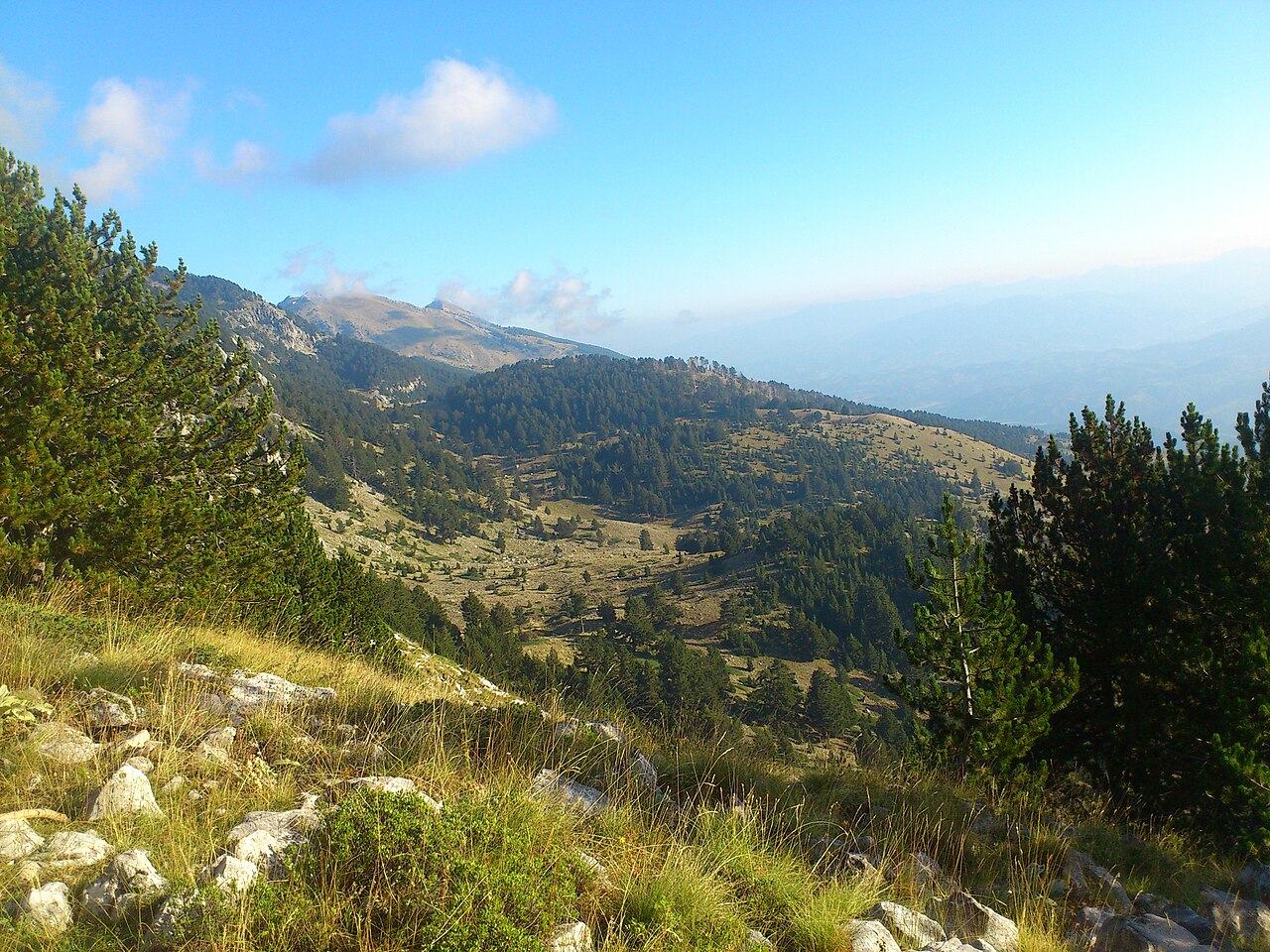
Pogradec Fortress, located in southeastern Albania, is a significant ancient hilltop stronghold with origins tracing back to the 5th century BCE. Perched on the prominent hill known as Vár-hegy or Maja e Kalasë, the fortress rises approximately 205 meters above Lake Ohrid, commanding strategic views over the surrounding landscape. Its long history reflects the complex cultural and political shifts in the region, from Illyrian tribes through Byzantine rule and medieval decline.
Illyrian origins and early development
The fortress was initially established by the Illyrian people, likely connected to the Enchele tribe, who inhabited the area in the centuries following the 5th century BCE. Some scholars identify the site with the ancient city of Enkelana, indicating its early prominence as a fortified settlement. The fortress's layout adapts to the natural contours of the hill, resulting in an irregular shape that maximizes defensive capabilities.
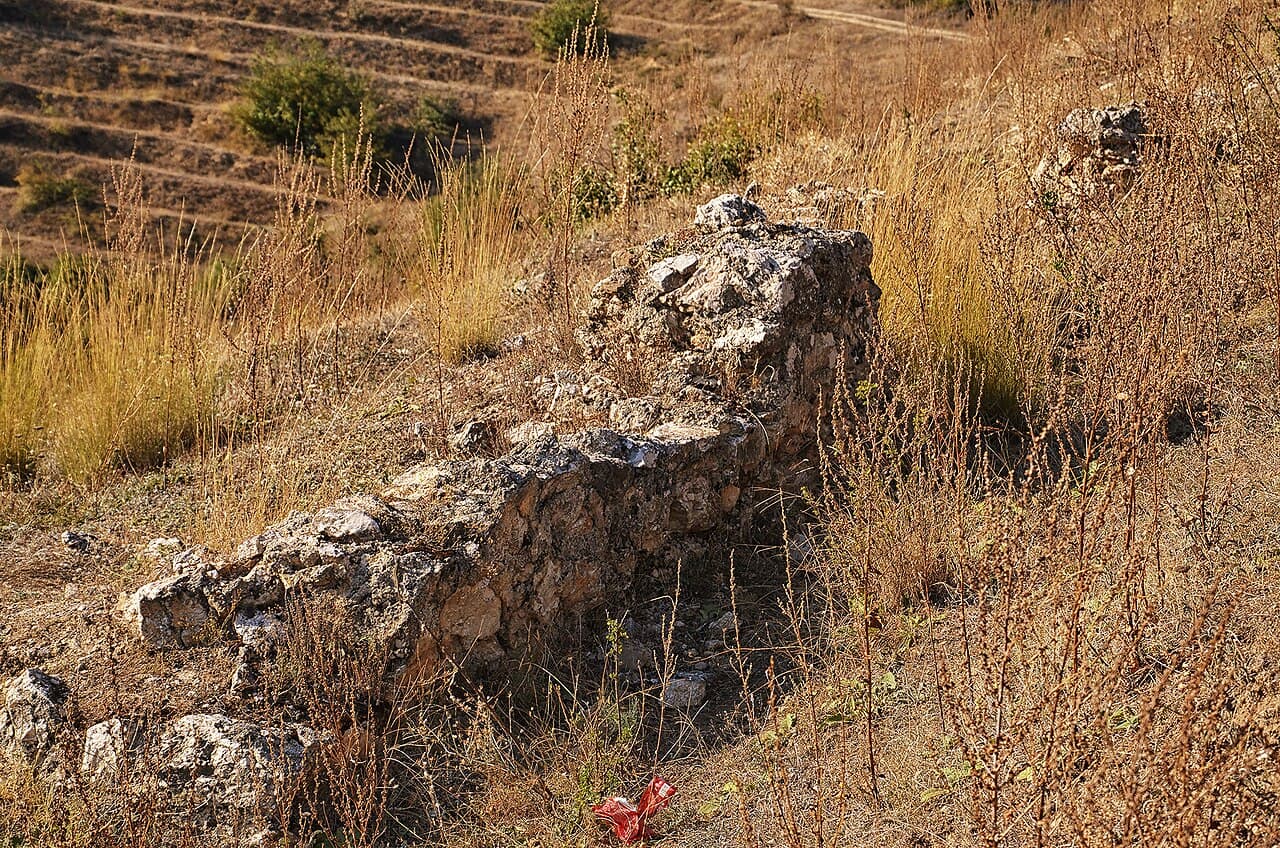
During the 3rd and 2nd centuries BCE, prior to the Roman conquest of Illyria, Pogradec Fortress reached its peak significance. It functioned as a fortified center amid competing local powers, serving both military and administrative roles. The defensive walls from this period, constructed from roughly shaped stones bound with mortar made from crushed brick powder and stone fragments, measure between 1.4 and 1.8 meters thick, showcasing advanced Illyrian masonry techniques.
The foundations of a rectangular tower have been uncovered within the fortress, highlighting its role in surveillance and defense. This tower base provides valuable insight into Illyrian fortification methods and architectural design.
Roman and Byzantine occupation
Despite the expansion of Roman influence in the region, the fortress remained inhabited through the first three centuries CE, reflecting its continued strategic importance. Archaeological finds include coins bearing the image of Emperor Justinian II (reigned 685–695 and 705–711), indicating activity during the early Byzantine era. This suggests that the fortress was still a relevant military or administrative site well into the late 7th and early 8th centuries.
In the 10th century, the fortress underwent significant reconstruction under Byzantine Emperor John I Tzimiskes (reigned 969–976). This rebuilding effort aimed to reinforce the site’s military function during a period of Byzantine territorial consolidation. The civilian population relocated from the hilltop fortress to the nearby plain along the lakeshore, a demographic shift reflected in the area's Slavic name meaning "below the fortress."
Decline and abandonment
By the 12th century, Pogradec Fortress began to lose its strategic value, largely due to the expansion of the Second Bulgarian Empire. This geopolitical change led to the fortress's gradual abandonment. Over subsequent centuries, it fell into ruin and was largely forgotten until modern archaeological interest revived its significance.
Archaeological excavations and conservation
Extensive excavations were conducted between 1969 and 1973 under the direction of Skënder Anamali, which uncovered the fortress’s Illyrian origins and multiple layers of occupation. These excavations revealed the construction techniques of the defensive walls and the foundations of the rectangular tower, along with a variety of artifacts.
Artifacts recovered include grey pottery with Greek stylistic influences, black-glazed vessels, and drinking cups such as skyphoi and kotylai dating from the 5th to 3rd centuries BCE. Later ceramics bear local potters’ marks, documenting continued cultural exchanges. Prior finds reported before formal excavation included ashlar blocks, bracelets, bronze fibulae, and black-figure skyphoi, underscoring the site’s long and diverse history.
From 2011 to 2019, Pogradec Fortress was included on the UNESCO tentative list as part of the cultural landscape connected to the Ohrid region. Restoration projects funded by the European Union and local authorities aim to conserve and develop the site for cultural heritage and tourism.
Architectural features and site layout
The fortress occupies a commanding position on Vár-hegy hill, approximately 898 meters above sea level. Its irregular shape follows the natural terrain, with defensive walls that vary in thickness and incorporate a mix of large stones, smaller stones, and mortar. The surviving walls and tower foundations offer a tangible connection to the fortress’s Illyrian and Byzantine phases.
The use of mortar composed of crushed brick powder and stone fragments is a notable construction technique, providing durability to the walls. The rectangular tower’s foundation reveals a strategic design aimed at maximizing defense and surveillance capabilities.
Today, the site remains in ruins, with visible wall sections and tower bases. Conservation efforts continue to protect these remains and to uncover further structural elements buried beneath the surface.
Historical significance and cultural heritage
Pogradec Fortress stands as an important archaeological and historical site that illustrates the evolution of fortification architecture from the Illyrian period through the Byzantine era and into the medieval period. Its long occupation and strategic location reflect the shifting political and military dynamics of southeastern Europe over more than a millennium.
The fortress’s inclusion on the UNESCO tentative list highlights its cultural value, linking it to the broader heritage of the Ohrid region, known for its rich history and diverse cultural influences. Ongoing preservation and archaeological work aim to enhance understanding and public appreciation of this significant site.
Frequently asked questions (FAQ)
- What are the visiting hours for Pogradec Fortress?
- Pogradec Fortress is typically open to visitors during daylight hours, but specific opening times may vary seasonally. It is advisable to check with the Municipality of Pogradec or local tourist information before planning your visit.
- How do I get to Pogradec Fortress?
- The fortress is located on Vár-hegy hill overlooking Lake Ohrid in the city of Pogradec, southeastern Albania. Visitors can reach the site by car or on foot from the city center, with a hike up the hill required to access the ruins.
- What historical periods does Pogradec Fortress represent?
- Pogradec Fortress represents multiple historical periods, including the Illyrian era (5th century BCE), Roman and early Byzantine occupation, and Byzantine reconstruction in the 10th century, reflecting its long strategic importance.
- Is Pogradec Fortress accessible for visitors with limited mobility?
- Due to its hilltop location and uneven terrain, access to Pogradec Fortress may be challenging for visitors with limited mobility. The site involves walking on slopes and uneven surfaces, so appropriate footwear and physical readiness are recommended.
- What notable artifacts have been found at Pogradec Fortress?
- Archaeological excavations have uncovered grey pottery with Greek stylistic influences, black-glazed vessels, skyphoi, kotylai, bronze fibulae, bracelets, and ashlar blocks, highlighting the site's long occupation and cultural exchanges.
- Are there any ongoing restoration efforts at Pogradec Fortress?
- Yes, restoration projects funded by the European Union and local authorities are underway to conserve and develop Pogradec Fortress as a cultural heritage site and tourist attraction.
Photo gallery

Information
Current owner
Municipality of Pogradec
Loading map...
Visitor reviews
No reviews yet. Been here? Write the first review and help other travelers!
Write the first reviewVisited this castle? Share your experience
Your review helps other travelers and adds first-hand knowledge to our encyclopedia.