Samsun Castle — Turkey castle

Samsun Castle

Samsun Castle: historic hill castle on the Black Sea coast
Samsun, Turkey
High Medieval (11th–13th c.)
Ruins

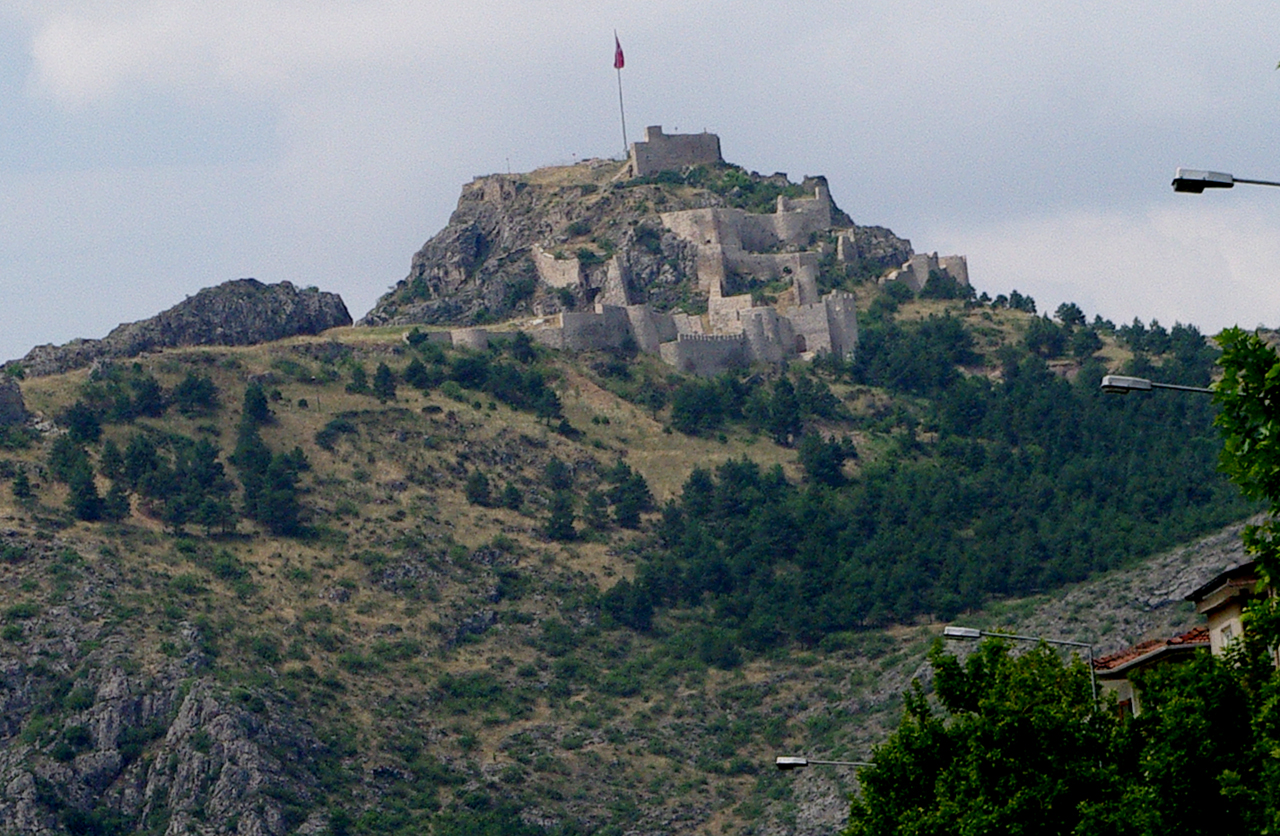
Samsun Castle was a significant hill castle located in the city of Samsun, along the northern coast of Turkey on the shores of the Black Sea. Constructed in the 11th century, specifically in 1092, this fortress played a strategic role in controlling the coastal region and protecting the city from maritime and land-based threats during the high medieval period.

Historical context and strategic importance

The castle's location on the seaside was crucial for overseeing the busy Black Sea trade routes and defending against invasions from rival powers and pirates. Samsun, historically known as Amisos in antiquity, had long been a key port city in the region. The castle was built during a time when control over Black Sea coastal territories was contested by various empires and local powers, including the Byzantine Empire and later the Seljuk Turks.

As a high medieval fortress, Samsun Castle was part of the defensive network established to secure the region's political and economic interests. It witnessed various phases of occupation and conflict, reflecting the turbulent history of Anatolia during the medieval era.

Architectural features and design

Samsun Castle was constructed as a hill castle, taking advantage of the natural elevation to provide a commanding view of the surrounding area and the Black Sea coast. The elevated position enhanced its defensive capabilities, making it difficult for attackers to approach unnoticed.

The castle featured stone walls and fortifications typical of medieval military architecture in Anatolia. Defensive elements likely included battlements, towers, and a gatehouse to control access. Although detailed architectural plans are scarce, the castle's design would have incorporated features to withstand sieges and provide a secure refuge for the local population and garrison.

Demolition and legacy

Samsun Castle was demolished between 1909 and 1918, a period marked by modernization efforts and urban development in the early years of the Turkish Republic's predecessor states. The removal of the castle was part of broader changes to the urban landscape of Samsun, reflecting shifting priorities away from medieval fortifications toward new infrastructure and city planning.

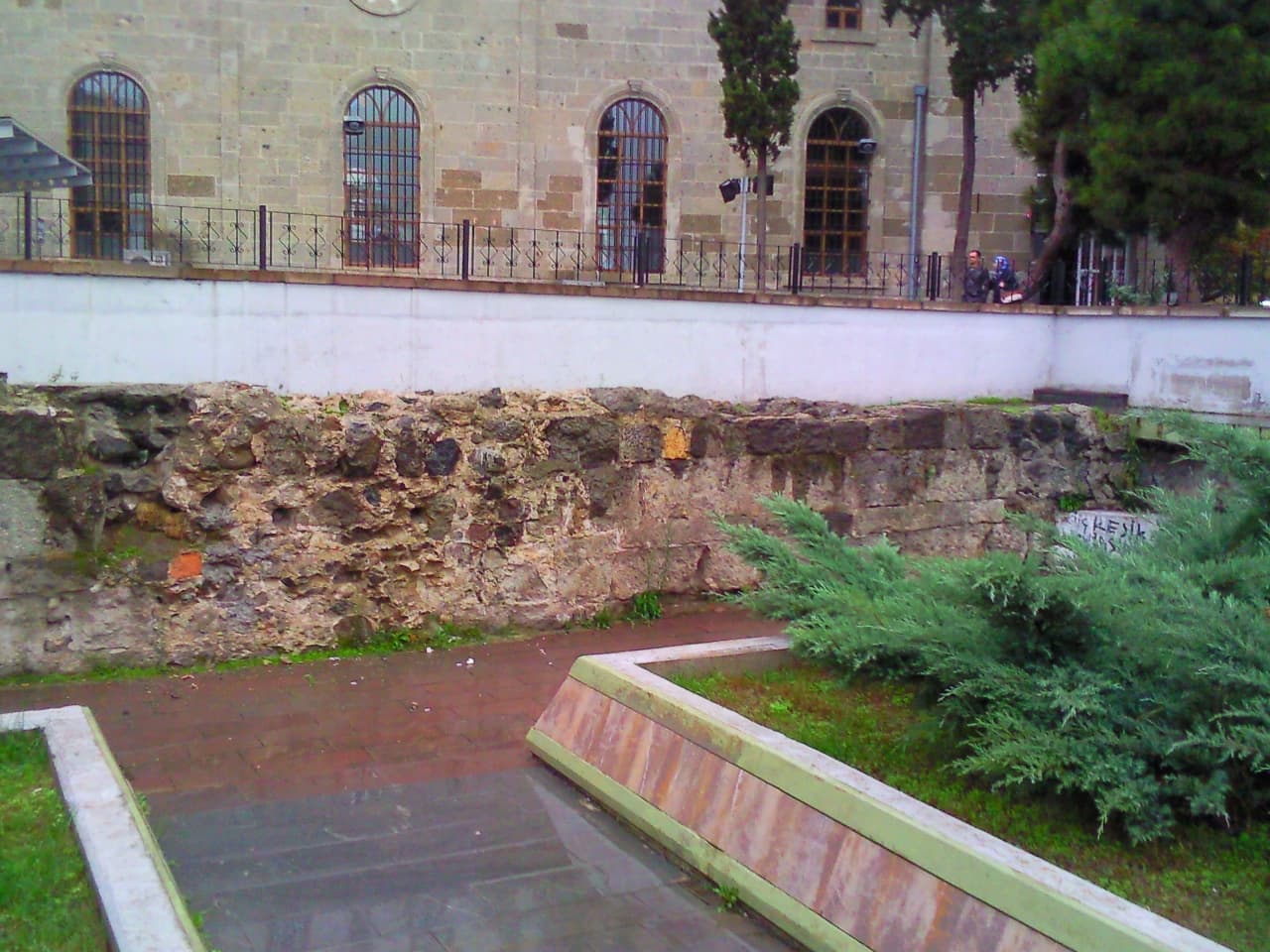
Today, no significant remnants of Samsun Castle remain, but its historical presence is remembered in the cultural heritage of Samsun. The castle's site and history continue to be subjects of interest for historians and archaeologists studying medieval Anatolian fortifications and the region's strategic maritime history.

Significance in regional history

The castle's existence during the high medieval period places it within a dynamic era of Anatolian history, characterized by the decline of Byzantine authority and the rise of Turkish principalities. Samsun Castle served as a military and administrative center, contributing to the control of this important Black Sea port.

Its construction in 1092 coincides with the period following the Seljuk Turks' expansion into Anatolia, marking a shift in regional power balances. The castle's role in local defense and governance underscores its importance in the historical narrative of Samsun and the wider Black Sea region.

Frequently asked questions (FAQ)

When was Samsun Castle built and what was its historical role?
Samsun Castle was built in 1092 during the high medieval period. It served as a strategic hill castle protecting the Black Sea coast and controlling maritime trade routes.
What architectural features did Samsun Castle have?
As a hill castle, Samsun Castle featured stone walls, battlements, towers, and a gatehouse, designed to defend against sieges and provide a secure refuge.
Why was Samsun Castle demolished?
The castle was demolished between 1909 and 1918 during urban modernization efforts in Samsun, reflecting changing priorities away from medieval fortifications.
Are there any remains of Samsun Castle today?
No significant remains of Samsun Castle exist today, but its historical site remains of interest to historians and archaeologists.
Where was Samsun Castle located?
Samsun Castle was located in the city of Samsun, in Turkey's Black Sea Region, situated on a hill overlooking the Black Sea coast.

Photo gallery

Samsun Castle
Click to view

Photo by CobiJa•CC BY 3.0

1 photo • Click any image to view in full screen

Information

Hill Castle

Loading map...

Visitor reviews

No reviews yet. Been here? Write the first review and help other travelers!

Write the first review

Visited this castle? Share your experience

Your review helps other travelers and adds first-hand knowledge to our encyclopedia.

Write a review

(5/5)

0/2000 characters

Your review will be visible after admin approval

Nearby castles

59.3 km

Boğazkesen Castle

Northwest of Kaleköy, Turkey

Boğazkesen Castle, also known locally as Boğazkesen Kalesi, is a historic fortress located northwest of the village of Kaleköy in the Tokat province of Turkey. This castle occupies a strategic hilltop position overlooking the valley of the Yeşilırmak River (ancient Iris) and its tributary stream, commanding views of an important ancient route that connected the Erbaa Plain to the Black Sea coast. Despite the scarcity of detailed historical records, the castle's architectural remains strongly suggest a medieval Byzantine origin, placing it within the context of the Byzantine Empire's defensive network in northern Anatolia. Geographical and strategic importance The castle's location on a rocky hill provides natural defensive advantages, with its north and east walls conforming to the rocky outcrop's contours. The hill overlooks a valley opening where the Yeşilırmak River joins with the Kelkis River (ancient Lykos), near the site of the ancient city of Eupatoria, later renamed Magnopolis by the Roman general Pompey. Although Magnopolis disappeared during the Byzantine era, the proximity to this historically significant city highlights the strategic importance of the area and likely influenced the choice of location for the castle. Architectural features and layout The castle's plan is roughly a skewed rectangle, with the north and east walls adapting to the natural rock formations, enhancing its defensive capabilities. The west wall is a straight line reinforced by two bastions centrally positioned, which would have served as strongpoints for defense and observation. The main entrance was located on the south wall, protected by a barbican—a fortified outwork designed to defend the gate. Historical accounts from the early 20th century mention a standing gate topped by a lintel with a relief, which was later deliberately destroyed and its stones removed. Inside, the castle's interior is largely in ruins, with limited surviving structures. Visitors should exercise caution due to the steep cliffs on the east side and several open cisterns, which once collected and stored water for the castle's inhabitants. The castle now overlooks a village graveyard, adding to the somber atmosphere of the site. Historical context and significance While direct historical documentation of Boğazkesen Castle is lacking, its architectural style and strategic location strongly associate it with the Byzantine period. It was likely part of a network of fortifications designed to control important routes and river crossings in the region. The nearby ancient city of Eupatoria/Magnopolis, with its ancient bridge ruins, indicates the long-standing importance of this corridor for trade and military movements. Boğazkesen Castle's survival into the modern era, albeit in a ruined state, provides valuable insight into medieval fortification strategies in northern Anatolia. The castle's design reflects typical Byzantine military architecture, emphasizing natural topography and strong defensive walls with bastions and barbicans. Visiting Boğazkesen Castle The castle is freely accessible to visitors, offering a unique opportunity to explore a lesser-known medieval fortress in a scenic setting. Its elevated position provides panoramic views of the surrounding valleys and the distant Erbaa Plain. Although the interior lacks extensive surviving structures, the site is appreciated for its location and historical ambiance. Visitors should be cautious of the cliffs and open cisterns while exploring. Nearby historical sites Close to Boğazkesen Castle lies the ancient river crossing guarded by the ruins of an ancient bridge, and the site of the former city of Eupatoria/Magnopolis. These nearby archaeological remains complement the castle's historical narrative, illustrating the continuity of settlement and strategic importance of this region from antiquity through the medieval period.

High Medieval (11th–13th c.)
Details
82.7 km
Amasya Castle — Turkey castle

Amasya Castle

Amasya, Turkey

Amasya Castle, also known as Harşena Castle, is a commanding hill castle located in the city of Amasya in northern Turkey. Perched atop the steep limestone cliffs of Mount Harşena, the fortress overlooks the Yeşilırmak River (historically known as the Iris), offering strategic views that have made it a significant military site for millennia. The castle’s origins trace back to antiquity, with archaeological evidence indicating the site was in use as early as the Hittite period. The earliest surviving structures date from the Kingdom of Pontus (281 BC–62 AD), marking the castle as a key stronghold in the region's complex history. Ancient origins and early history The site of Amasya Castle was initially utilized by the Hittites, one of Anatolia's earliest civilizations, though no substantial Hittite structures remain. The most significant early construction occurred during the Kingdom of Pontus, when the fortress served as a royal residence and military bastion. The kingdom’s rulers carved monumental rock tombs into the sheer cliffs beneath the castle, which remain a prominent feature today. These tombs, dating from the 3rd century BC, are a testament to the castle’s importance as a seat of power. During the Roman-Pontic Wars, the castle suffered extensive damage as control of the region shifted between the Romans and the Pontic kings. Despite this, the fortress was repeatedly rebuilt and fortified, underscoring its enduring strategic value. Medieval transformations and turkish rule By the 11th century, Amasya Castle was a Byzantine stronghold until it was conquered by the Danishmends in 1075. The Danishmends, a Turkmen dynasty, undertook significant restoration and reinforcement efforts, adapting the fortress to the military needs of the period. The castle later came under the control of the Seljuks and ultimately the Ottoman Empire by the late 14th century. During the early 15th century, the castle played a crucial role in Ottoman history when Prince Mehmed I sought refuge within its walls during the invasion of Timur’s forces. This event highlights the castle’s continued military and political relevance during times of upheaval. Ottoman period and decline Under Ottoman rule, the castle was maintained and used as a military fortress until the 18th century. However, advancements in warfare and changing military strategies gradually diminished the castle’s defensive importance, leading to its abandonment. Remnants of Ottoman architecture, including a mosque and the ruins of the Kızlar Sarayı (Maidens’ Palace), indicate the castle’s multifunctional role beyond purely military purposes. Architectural features and fortifications Amasya Castle’s fortifications are ingeniously integrated with the natural topography of Mount Harşena. The defensive system extends in eight tiers down the hillside, combining man-made walls with the steep cliffs to create a formidable barrier. The upper sections of the fortress are constructed from finely cut ashlar stone blocks, providing strength and durability, while the lower walls use rubble masonry, a technique involving rough stones set in mortar. The castle is accessed through four main gates: Helkıs, Saray, Maydonos, and Meydan. These gateways controlled entry and exit, serving as choke points for defense. Within the walls, a network of dungeons, rock-cut cisterns, and wells supported the castle’s inhabitants, especially during sieges. The cisterns and water management One of the most remarkable features is the Cilanbolu cistern, an extensive underground water reservoir accessed by a steep tunnel stairway with approximately 150 steps descending about 186 meters. The cistern itself stretches roughly 300 meters, carved directly into the rock to store water vital for sustaining the fortress during prolonged sieges. Additional water management structures include enclosed wells and smaller cisterns accessed via steep stair tunnels that descend the hillside, showcasing sophisticated hydraulic engineering adapted to the castle’s mountainous setting. Rock-cut tombs of the pontic kings Below the castle walls on sheer limestone cliffs are the famous rock-cut tombs of the Pontic kings. These 18 tombs, carved approximately 20 to 25 meters above ground level, date from the 3rd century BC and are among the most significant archaeological features in the region. The tombs are a striking visual reminder of the castle’s ancient royal heritage and remain a major attraction for visitors. Cultural significance and modern tourism Today, Amasya Castle is a well-preserved late medieval fortress that stands as a symbol of the city’s rich history. The castle’s integration with the surrounding old Ottoman neighborhood, including traditional houses, hamams (bathhouses), and mosques along the Yeşilırmak River, creates a unique cultural landscape that attracts tourists and historians alike. Visitors can explore the castle ruins, the Pontic rock tombs, and the historic urban fabric of Amasya, gaining insight into the region’s diverse past from ancient times through the Ottoman era. The castle is accessible for a fee and offers a fascinating glimpse into Anatolia’s layered history. Visitor information and recommendations Access to Amasya Castle involves climbing steep paths and stairways, so visitors should be prepared for a moderately challenging ascent. The best times to visit are during spring and autumn when the weather is mild. Guided tours are available, providing detailed historical context and architectural insights. The surrounding city of Amasya offers additional attractions, including museums, traditional Turkish houses, and scenic views of the Yeşilırmak River, making a visit to the castle part of a broader cultural experience.

Late Medieval (14th–15th c.)
Details
94.2 km

Niksar Castle

Niksar, Turkey

Niksar Castle, locally known as Niksar Kalesi, is a historic fortress located in the city of Niksar in the Tokat province of Turkey. The castle stands on a prominent spur between two streams, overlooking the town and surrounding landscape. Its strategic position has made it a significant defensive site from antiquity through the medieval period. The origins of the town of Niksar trace back to ancient times, possibly founded by the Hittites. During the Greek and Pontic periods, the settlement was known as Cabira. The castle likely began as the acropolis of this ancient city, serving as its fortified high point. With the Roman conquest in the 1st century BC, the city was renamed several times, eventually becoming known as Neocaesarea. This name reflects its importance as a Roman provincial center. Following the division of the Roman Empire in 395 AD, Neocaesarea became part of the Byzantine Empire. It was during this period that the acropolis was transformed into a true castle, adapting to the military needs of the empire. The castle's fortifications were reinforced to protect against invasions and internal conflicts. Medieval conflicts and changing rulers In the second half of the 11th century, Niksar Castle and its town were focal points of conflict between the Byzantines and the Seljuk Turks. The castle changed hands multiple times during this turbulent period. Between 1073 and 1075, it was held by the Norman mercenary Roussel de Bailleul, who had rebelled against Byzantine authority. Subsequently, the castle was captured by Danishmend Gazi, a prominent Turkish leader, marking the beginning of Turkish control. The Seljuks solidified their hold on the region later on. By the late 14th century, the expanding Ottoman Empire incorporated Niksar and its castle into its territories, marking another significant chapter in the fortress's history. Architectural features and layout The castle is built on a natural spur running east to west, flanked by two streams that provided natural defensive barriers. The surviving remains primarily belong to the inner castle, which was the core fortified area. Within the west bailey, visitors can find the ruins of a bathhouse, reflecting the importance of hygiene and social life in medieval times. There is also a structure believed to have been a Danishmend hall, which was later converted into a church. Nearby stands the remnants of a medieval madrasa, a religious school highlighting the castle’s role as a center of learning and culture during the Seljuk period. Several teahouses are also present in this area, indicating the site’s continued use and social function through the centuries. The east bailey is largely empty today, with only its outer wall still standing, giving a sense of the castle’s original extent and defensive perimeter. Historical significance and preservation Niksar Castle represents a layered history spanning from the ancient Hittite era through the Roman, Byzantine, Seljuk, and Ottoman periods. Each phase left architectural and cultural imprints visible in the castle’s remains. Its role as a military stronghold, administrative center, and cultural hub reflects the complex history of Anatolia. Today, the castle is freely accessible to visitors, allowing exploration of the inner castle ruins and the various historical structures within the west bailey. Although the outer walls of the east bailey are mostly lost, the site offers valuable insights into medieval fortification techniques and regional history. Visiting and exploring niksar castle Visitors to Niksar Castle can experience a tangible connection to several centuries of Anatolian history. The castle’s elevated position provides panoramic views of the surrounding landscape and the town below. The surviving ruins, including the bathhouse and madrasa, offer a glimpse into the daily life and architectural styles of different eras. While the site is largely in ruins, the preservation of key structures makes it an important destination for those interested in Byzantine and Seljuk architecture and history. The castle’s location in Tokat province also places it near other historical and natural attractions, enhancing its appeal for cultural tourism.

Early Medieval (5th–10th c.)
Details