Niksar Castle
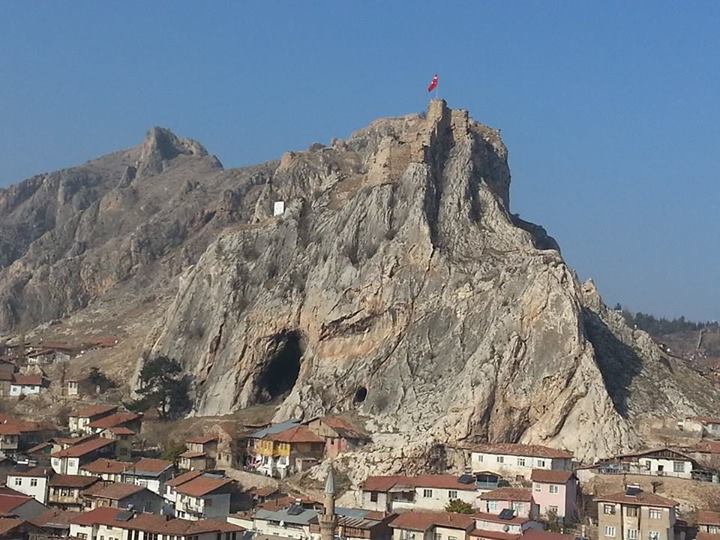
Niksar Castle, locally known as Niksar Kalesi, is a historic fortress located in the city of Niksar in the Tokat province of Turkey. The castle stands on a prominent spur between two streams, overlooking the town and surrounding landscape. Its strategic position has made it a significant defensive site from antiquity through the medieval period.
The origins of the town of Niksar trace back to ancient times, possibly founded by the Hittites. During the Greek and Pontic periods, the settlement was known as Cabira. The castle likely began as the acropolis of this ancient city, serving as its fortified high point. With the Roman conquest in the 1st century BC, the city was renamed several times, eventually becoming known as Neocaesarea. This name reflects its importance as a Roman provincial center.
Following the division of the Roman Empire in 395 AD, Neocaesarea became part of the Byzantine Empire. It was during this period that the acropolis was transformed into a true castle, adapting to the military needs of the empire. The castle's fortifications were reinforced to protect against invasions and internal conflicts.
Medieval conflicts and changing rulers
In the second half of the 11th century, Niksar Castle and its town were focal points of conflict between the Byzantines and the Seljuk Turks. The castle changed hands multiple times during this turbulent period. Between 1073 and 1075, it was held by the Norman mercenary Roussel de Bailleul, who had rebelled against Byzantine authority. Subsequently, the castle was captured by Danishmend Gazi, a prominent Turkish leader, marking the beginning of Turkish control. The Seljuks solidified their hold on the region later on.
By the late 14th century, the expanding Ottoman Empire incorporated Niksar and its castle into its territories, marking another significant chapter in the fortress's history.
Architectural features and layout
The castle is built on a natural spur running east to west, flanked by two streams that provided natural defensive barriers. The surviving remains primarily belong to the inner castle, which was the core fortified area.
Within the west bailey, visitors can find the ruins of a bathhouse, reflecting the importance of hygiene and social life in medieval times. There is also a structure believed to have been a Danishmend hall, which was later converted into a church. Nearby stands the remnants of a medieval madrasa, a religious school highlighting the castle’s role as a center of learning and culture during the Seljuk period. Several teahouses are also present in this area, indicating the site’s continued use and social function through the centuries.
The east bailey is largely empty today, with only its outer wall still standing, giving a sense of the castle’s original extent and defensive perimeter.
Historical significance and preservation
Niksar Castle represents a layered history spanning from the ancient Hittite era through the Roman, Byzantine, Seljuk, and Ottoman periods. Each phase left architectural and cultural imprints visible in the castle’s remains. Its role as a military stronghold, administrative center, and cultural hub reflects the complex history of Anatolia.
Today, the castle is freely accessible to visitors, allowing exploration of the inner castle ruins and the various historical structures within the west bailey. Although the outer walls of the east bailey are mostly lost, the site offers valuable insights into medieval fortification techniques and regional history.
Visiting and exploring niksar castle
Visitors to Niksar Castle can experience a tangible connection to several centuries of Anatolian history. The castle’s elevated position provides panoramic views of the surrounding landscape and the town below. The surviving ruins, including the bathhouse and madrasa, offer a glimpse into the daily life and architectural styles of different eras.
While the site is largely in ruins, the preservation of key structures makes it an important destination for those interested in Byzantine and Seljuk architecture and history. The castle’s location in Tokat province also places it near other historical and natural attractions, enhancing its appeal for cultural tourism.
Frequently asked questions (FAQ)
- What is the historical significance of Niksar Castle?
- Niksar Castle has a rich history dating back to ancient times and has witnessed various civilizations, including the Romans, Byzantines, and Seljuks. It served as a strategic military stronghold due to its elevated position and control over trade routes in the region.
- When was Niksar Castle built?
- The exact date of the castle's construction is not definitively known, but it is believed to have been established during the Byzantine period, around the 4th century AD. Over the centuries, it has undergone various renovations and expansions, reflecting the architectural styles of the different eras.
- Can I visit Niksar Castle?
- Yes, Niksar Castle is open to visitors, allowing them to explore its historic walls and enjoy panoramic views of the surrounding landscape. It is recommended to check local guidelines and any potential restrictions before planning your visit.
- What are the opening hours for Niksar Castle?
- Niksar Castle is typically open to visitors from sunrise to sunset, but it's advisable to verify the current hours before your visit as they may vary seasonally. Early mornings or late afternoons are ideal for a less crowded experience.
- Is it possible to access all areas of Niksar Castle?
- While many parts of Niksar Castle are accessible to visitors, some areas may be restricted for safety reasons or require climbing steep paths. Wear comfortable shoes and be prepared for uneven terrain as you explore the castle grounds.
- What is the best time to visit Niksar Castle?
- The best time to visit Niksar Castle is during the spring (April to June) and fall (September to October) when temperatures are mild and the natural scenery is at its most beautiful. Summer can be hot, while winter may bring cold weather that can affect accessibility.
- Are there any nearby attractions to Niksar Castle?
- Yes, nearby attractions include the ancient city of Niksar and the beautiful landscape of the surrounding region, which offers hiking trails and scenic spots. Visitors can also explore local museums that showcase the area's rich cultural heritage.
- What are the ticket prices for Niksar Castle?
- Entry to Niksar Castle is generally free, allowing visitors to enjoy its historical significance without any cost. However, check for any special events or guided tours that may have an associated fee.
Information
Address
Hisar Sk., Niksar, Tokat, Turkey
Loading map...
Visitor reviews
No reviews yet. Been here? Write the first review and help other travelers!
Write the first reviewVisited this castle? Share your experience
Your review helps other travelers and adds first-hand knowledge to our encyclopedia.