Samson Fort
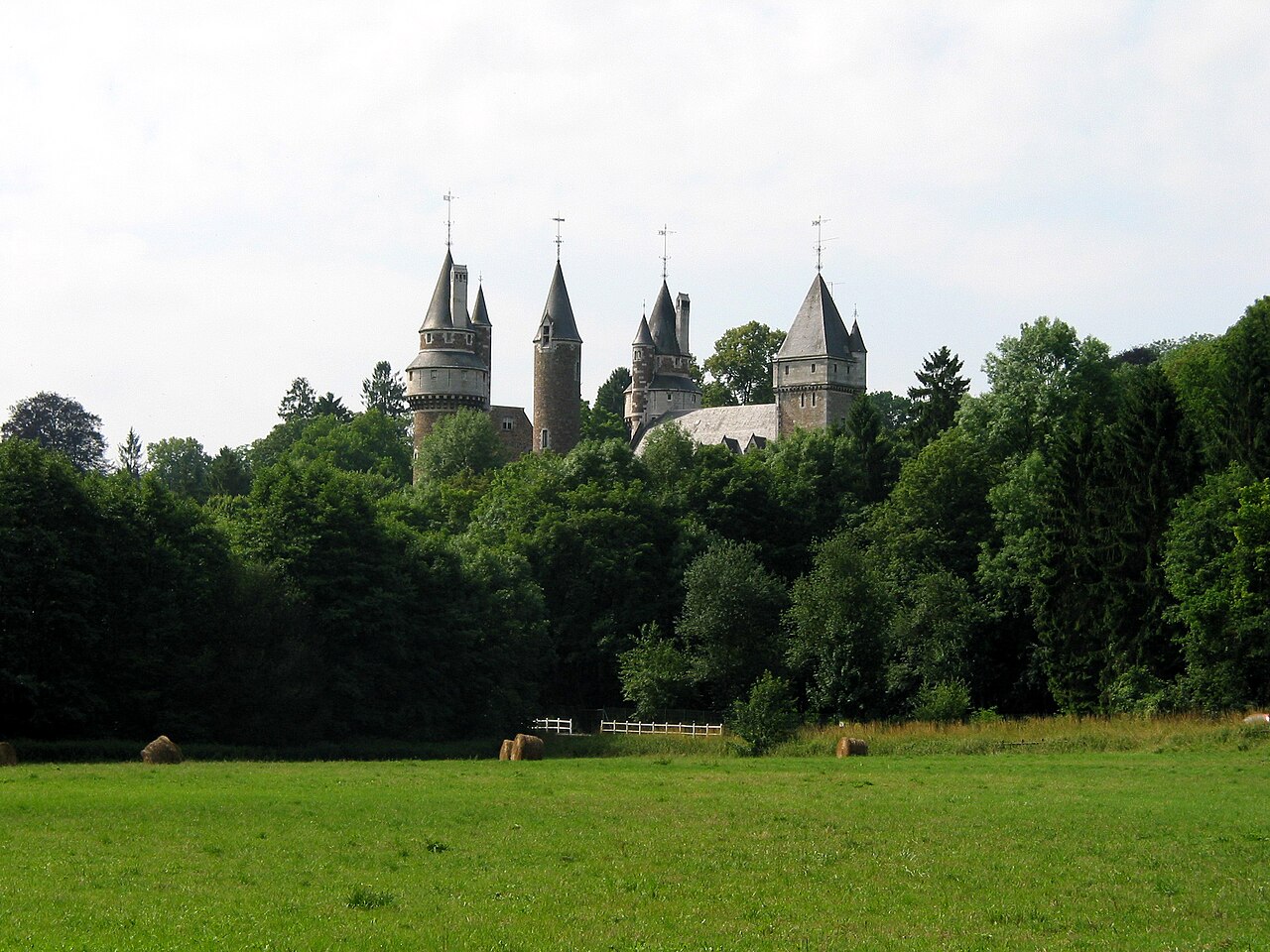
Samson Fort is an ancient hill castle located near the village of Thon in the municipality of Andenne, Belgium. Its origins date back to around the year 300 CE, when it was initially constructed by the Romans as a small fortification overseeing the Meuse River. This strategic position on a rocky outcrop allowed control over local movements along the river and provided surveillance advantages despite not being situated on a main Roman road.
During the late Roman Empire, the site functioned as a modest defensive position, sometimes classified as an oppidum, near the tribal borders of the Atuatuci and Condrusi. The fortification’s location on a triangular spur with steep cliffs on the northern and southern sides made it naturally defensible, leaving only the eastern approach to be fortified artificially.
Roman origins and early medieval transition
Following the decline of Roman authority in the region during the 5th century, the fort came under the control of the Franks. Archaeological evidence, including graves containing weapons near the first enclosure, indicates that the site retained a military function during this early medieval period. The Franks expanded the site’s use, notably enlarging an adjacent cemetery, reflecting evolving funerary and martial practices.
Merovingian connections and local tradition
Local tradition attributes the fortress’s founding to Auberon, son of Clodion the Bald, a Merovingian noble from the early 5th century. While this connection remains uncertain, it underscores the fort’s longstanding significance in the region’s early medieval history.
Medieval fortifications and strategic role
From approximately the 10th century until the late 17th century, Samson Fort was part of the defensive network of the County of Namur. Under the rule of Count Philip I of Namur (Philip the Noble) in the early 13th century, the fortifications were significantly developed to protect Namur’s borders against external threats such as Viking raids and incursions from the Prince-Bishopric of Liège.
The fortress endured several military confrontations, including occupation by forces from Luxembourg between 1216 and 1222 and resistance against attacks from the militia of Liège in 1466. These events highlight the fort’s continued strategic importance throughout the medieval period.
Decline and demolition
Despite its resilience, the fort’s defenses became obsolete with the advent of artillery warfare. In 1690, King Charles II of Spain ordered the demolition of Samson Fort to prevent its further military use. The dismantling process was completed by 1691, marking the end of the fortress as an active defensive site.
Architectural features and layout
Samson Fort is situated on a triangular rocky spur approximately 140 meters above sea level, overlooking the confluence of the Meuse and Samson rivers. The natural steep cliffs on the northern and southern sides provided formidable natural defenses, with man-made fortifications securing the eastern approach.
The fortress consists of three terraced enclosures arranged vertically along the hillside. The lowest enclosure, accessible from Thon village, likely served as the first line of defense. Above this is the middle enclosure, which contains a courtyard and a farmstead area, indicating a combination of residential and agricultural functions within the defensive complex.
The highest enclosure at the summit housed the lord’s residence and various outbuildings. This area was protected by defensive towers and featured a drawbridge spanning a deep moat guarding the entrance. The use of a drawbridge and moat highlights the fortress’s sophisticated defensive design aimed at resisting attackers.
Construction materials primarily consisted of locally quarried limestone. The walls and towers were carefully adapted to the cliff’s natural formations, enhancing the fortress’s defensive strength and integration with the landscape.
Remaining structures and archaeological findings
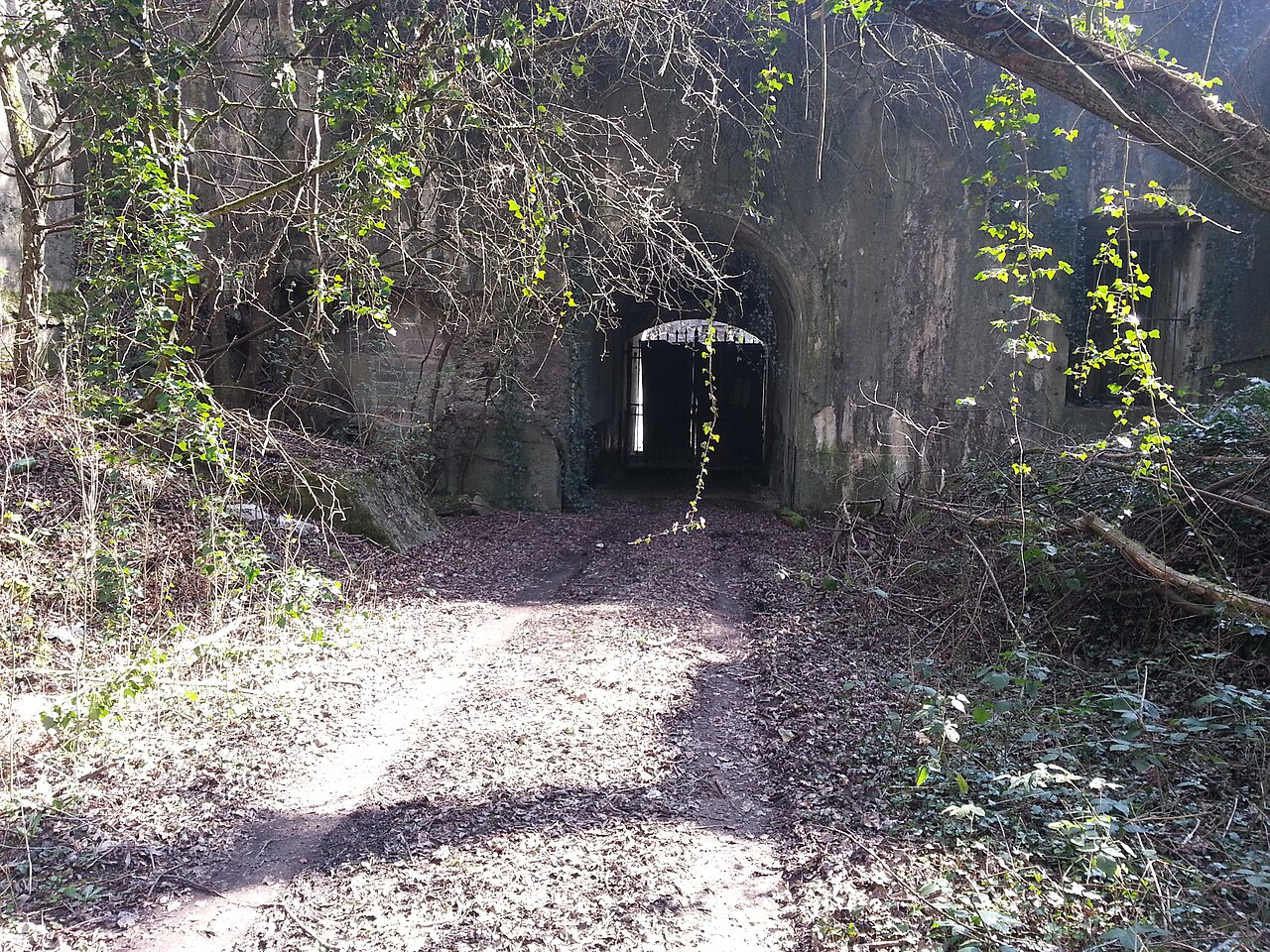
Today, only fragments of the southern wall and the base of a round tower at the southeast corner of the top enclosure remain visible at the summit. On the western side, near the cliff overlooking the Samson River, the well-preserved Lapidon Tower still stands. This round tower was built to protect the river approach and contains the castle’s well, an essential feature for sustaining the garrison during sieges.
Archaeological excavations have uncovered Frankish graves with weapons near the first enclosure, confirming the early medieval military use of the site. Additionally, Roman artifacts found along the riverbanks attest to the area’s occupation during the Roman period and its strategic importance over several centuries.
Heritage protection and cultural significance
Since 1944, the site of Samson Fort has been officially protected as a heritage location. This designation recognizes its layered historical significance, spanning from Roman times through the medieval period. The site offers valuable insights into the evolution of military architecture and regional defense strategies over more than a millennium.
Visitors to Samson Fort can observe the interplay between natural topography and human engineering in medieval fortifications. The remains, though limited, reveal the adaptation of defensive structures to the landscape and the changing needs of military technology and tactics.
Location and accessibility
Located near the village of Thon, Samson Fort overlooks the Meuse River valley, providing commanding views of the surrounding landscape. The site’s elevated position and rugged terrain contribute to its historical defensive advantages.
While the fort is primarily in ruins, the visible remains and archaeological evidence make it a site of interest for historians, archaeologists, and visitors interested in Roman and medieval military history.
Frequently asked questions (FAQ)
- How do I get to Samson Fort?
- Samson Fort is located in Andenne, Belgium, easily accessible by car or public transportation. If you're driving, there are parking facilities nearby. For public transport, check local train and bus schedules for the best routes to Andenne.
- What is the historical significance of Samson Fort?
- Samson Fort dates back to the 17th century and played a crucial role in the defense strategies of the region. It was built to protect against invasions and has witnessed many historical events. Today, it stands as a testament to Belgium's military architecture and history.
- When was Samson Fort built?
- Construction of Samson Fort began in 1680 and was completed in 1684. It was designed by the military engineer Vauban, reflecting the strategic military architecture of its time. The fort has been preserved to showcase its historical importance over the centuries.
- Can I visit Samson Fort year-round?
- Yes, Samson Fort is open to visitors throughout the year, although specific hours may vary by season. It's advisable to check the official website for the most current opening times and any special events. Guided tours are often available to enhance your visit.
- Why is Samson Fort considered an architectural marvel?
- Samson Fort is renowned for its star-shaped layout, a design that was revolutionary at the time of its construction. The fort's robust walls and strategic positioning demonstrate advanced military engineering techniques. Its preservation allows visitors to appreciate both its aesthetic and historical value.
- Is it possible to access the fort for individuals with mobility challenges?
- Samson Fort aims to be accessible to all visitors, but some areas may present challenges due to the fort's historic structure. It is recommended to contact the visitor services in advance to inquire about specific accessibility options. Staff can provide assistance and information on accessible routes.
- What is the best time to visit Samson Fort?
- The best time to visit Samson Fort is during the spring and early autumn when the weather is mild and suitable for outdoor exploration. These seasons also feature fewer crowds, allowing a more enjoyable experience. Additionally, special events may be hosted during these times, enhancing your visit.
- Are there any nearby attractions to visit?
- Yes, Andenne offers several attractions near Samson Fort, including the picturesque Meuse River and local museums. The surrounding area is rich in history and nature, making it a great spot for a day trip. Be sure to explore local dining options and shops as well.
- What are the ticket prices for visiting Samson Fort?
- Ticket prices for Samson Fort vary based on age and group size, with discounts often available for students and seniors. Generally, entry fees are modest, making it an affordable outing for families. Check the official website for the latest pricing information and any special promotions.
- What are the opening hours of Samson Fort?
- Samson Fort typically opens at 10 AM and closes at 6 PM during the tourist season, but hours may vary in the off-season. It's recommended to verify the exact hours on the castle's official website before your visit. Special opening hours may apply during holidays or events.
Information
Loading map...
Visitor reviews
No reviews yet. Been here? Write the first review and help other travelers!
Write the first reviewVisited this castle? Share your experience
Your review helps other travelers and adds first-hand knowledge to our encyclopedia.