Faulx-les-Tombes Castle
Faulx-les-Tombes Castle, also known locally as Château de Faulx-les-Tombes, stands as a striking example of 19th-century Gothic revival architecture nestled in the Wallonia region of Belgium, specifically in the province of Namur. This château, located just south of the village of Faulx-les-Tombes, occupies a site steeped in history dating back to the 13th century.
Medieval origins and early history
The site originally hosted a medieval fortress built in the 13th century, which functioned as a dependency of the County of Namur. Its strategic location in the region made it a valuable asset for local nobility. Around 1340, the castle came under the ownership of the Marbaix family, a notable noble lineage of the time. Over the centuries, the castle changed hands multiple times, reflecting the turbulent political and social shifts in the region. In 1665, the property was acquired by the Corswaren family, who maintained possession until the upheavals of the French Revolution.
19th-century reconstruction and architectural significance
The present structure of Faulx-les-Tombes Castle was erected in 1872 under the direction of the renowned architect Henri Beyaert, a prominent figure in Belgian architecture known for his eclectic and historicist designs. Beyaert's vision embraced the Gothic revival style, which was popular in the 19th century as part of a broader Romantic movement that sought to revive medieval forms and aesthetics.
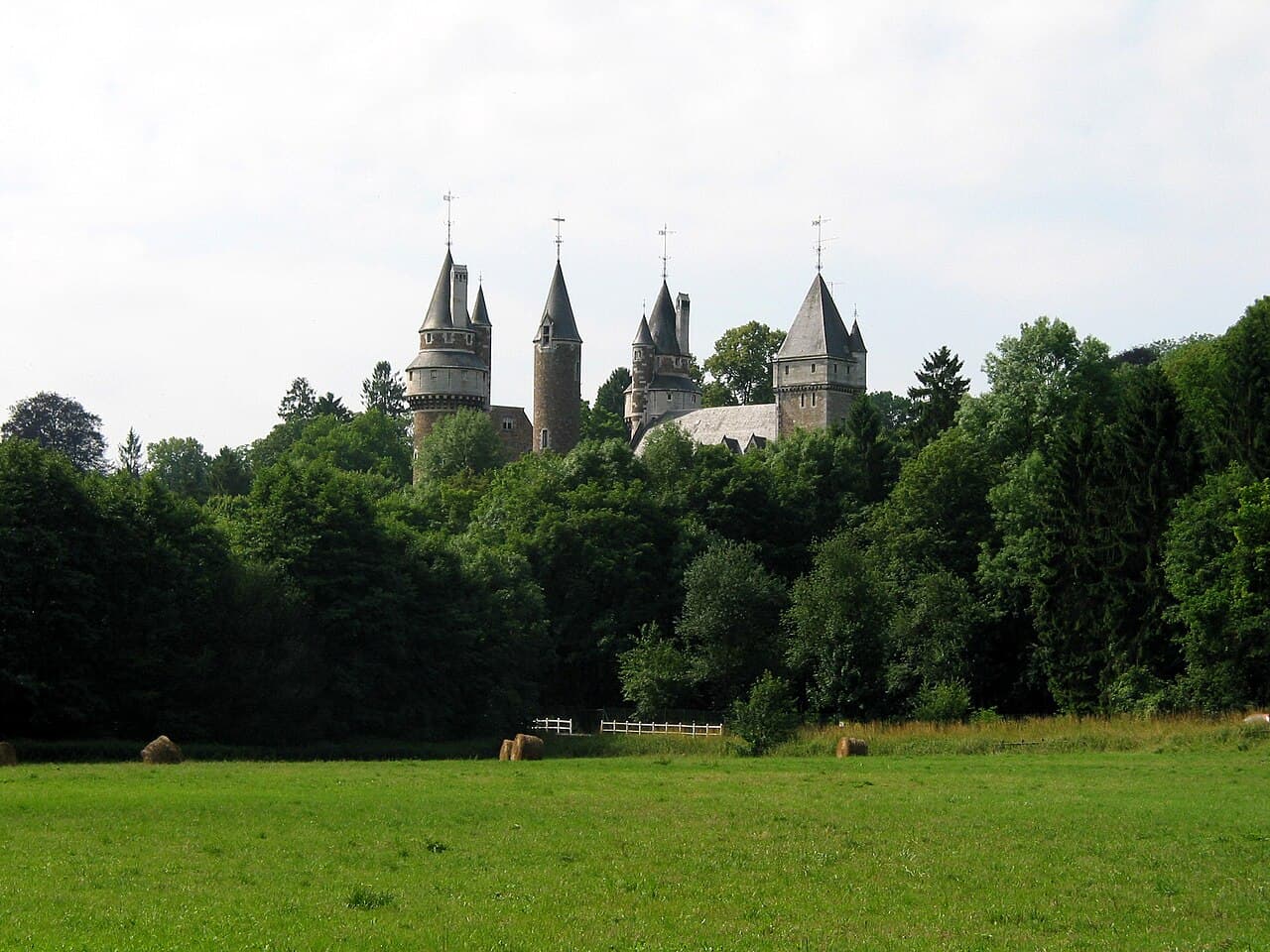
The château exhibits hallmark features of the Gothic revival, including pointed arches, ornate stonework, and steeply pitched roofs, contributing to its fairy-tale appearance. This architectural style was chosen to evoke the grandeur and romanticism of medieval castles, blending historical references with 19th-century construction techniques and materials.
Architectural features
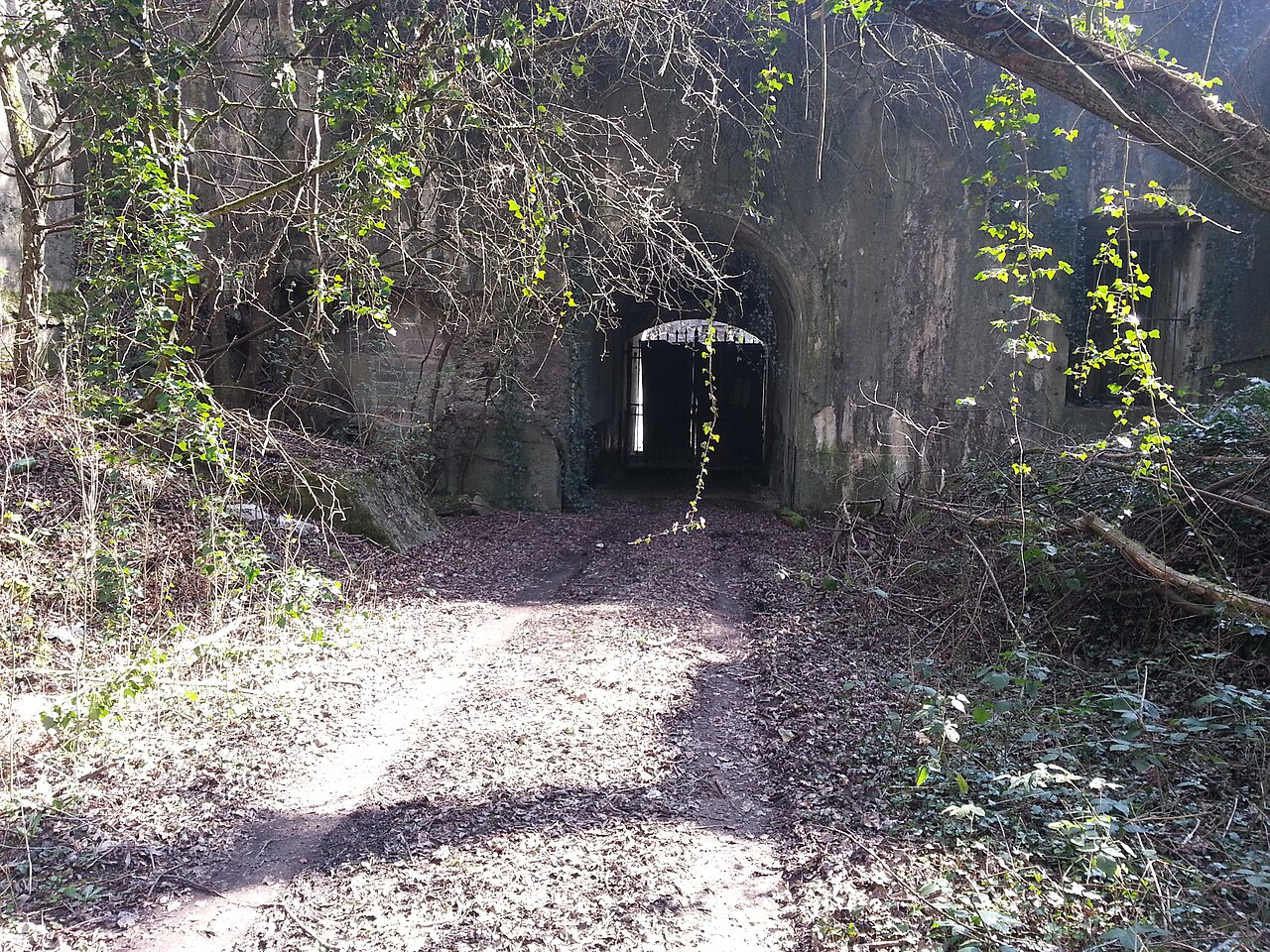
The castle's design includes turrets, battlements, and intricate stone carvings that enhance its medieval character. The layout likely incorporates a central courtyard and various residential and service wings, typical of château architecture of this period. While the original medieval elements may have been integrated or referenced, the majority of the visible structure dates from the 19th-century reconstruction.
20th-century challenges and restoration
In 1961, Faulx-les-Tombes Castle suffered significant damage due to a devastating fire, which destroyed large parts of the building. The fire necessitated extensive restoration efforts to preserve the château's architectural integrity and historical value. Although some original features were lost, the restoration aimed to maintain the Gothic revival character envisioned by Beyaert.
During the 1970s, the castle was acquired by the town of Etterbeek, indicating a period of public ownership. However, it has since returned to private hands and is currently not open to the public, limiting direct access for visitors and researchers.
Notable historical associations
Faulx-les-Tombes Castle is also noted for its unintended connection to a darker chapter of Belgian history. In the 1980s, it was reportedly linked to the infamous Dutroux case, involving the abduction and murder of young girls by the criminal Marc Dutroux. Allegations suggest that Dutroux's associate, Michel Nihoul, attended illicit gatherings at the castle, though these events are peripheral to the château's historical narrative.
Current status and cultural significance
Today, Faulx-les-Tombes Castle remains a private residence, preserving its majestic silhouette amidst the Belgian countryside. Its Gothic revival architecture and layered history from medieval origins to modern restorations make it an important cultural landmark in the Namur region. While public access is restricted, the château continues to captivate enthusiasts of architecture and history with its romantic design and storied past.
Further research into archival records and architectural studies could illuminate more details about the original medieval castle and the extent of its integration into the current structure. The château's blend of historical epochs exemplifies the evolving nature of European castles and their adaptation through centuries.
Frequently asked questions (FAQ)
- What is the historical significance of Faulx-les-Tombes Castle?
- Faulx-les-Tombes Castle has a rich history dating back to the 13th century, originally serving as a dependency of the County of Namur and later rebuilt in the 19th century in Gothic revival style by architect Henri Beyaert.
- Can I visit Faulx-les-Tombes Castle?
- The castle is currently privately owned and not open to the public, so visits are not possible. However, its exterior can be viewed from the surrounding area.
- When was the current Faulx-les-Tombes Castle built?
- The present château was constructed in 1872, replacing the earlier medieval structure, and features Gothic revival architecture.
- What architectural style characterizes Faulx-les-Tombes Castle?
- Faulx-les-Tombes Castle is designed in the Gothic revival style, characterized by pointed arches, turrets, and ornate stonework, reflecting 19th-century romanticism.
- Has Faulx-les-Tombes Castle undergone any major restorations?
- Yes, the castle was heavily damaged by fire in 1961 and subsequently restored to preserve its Gothic revival features, although some original elements were lost.
Photo gallery

Information
Architect
Henri Beyaert
Current owner
Private owner
Address
Chaussée de Gramptinne 49-51, Belgium
Loading map...
Visitor reviews
No reviews yet. Been here? Write the first review and help other travelers!
Write the first reviewVisited this castle? Share your experience
Your review helps other travelers and adds first-hand knowledge to our encyclopedia.