Samobor Fortress
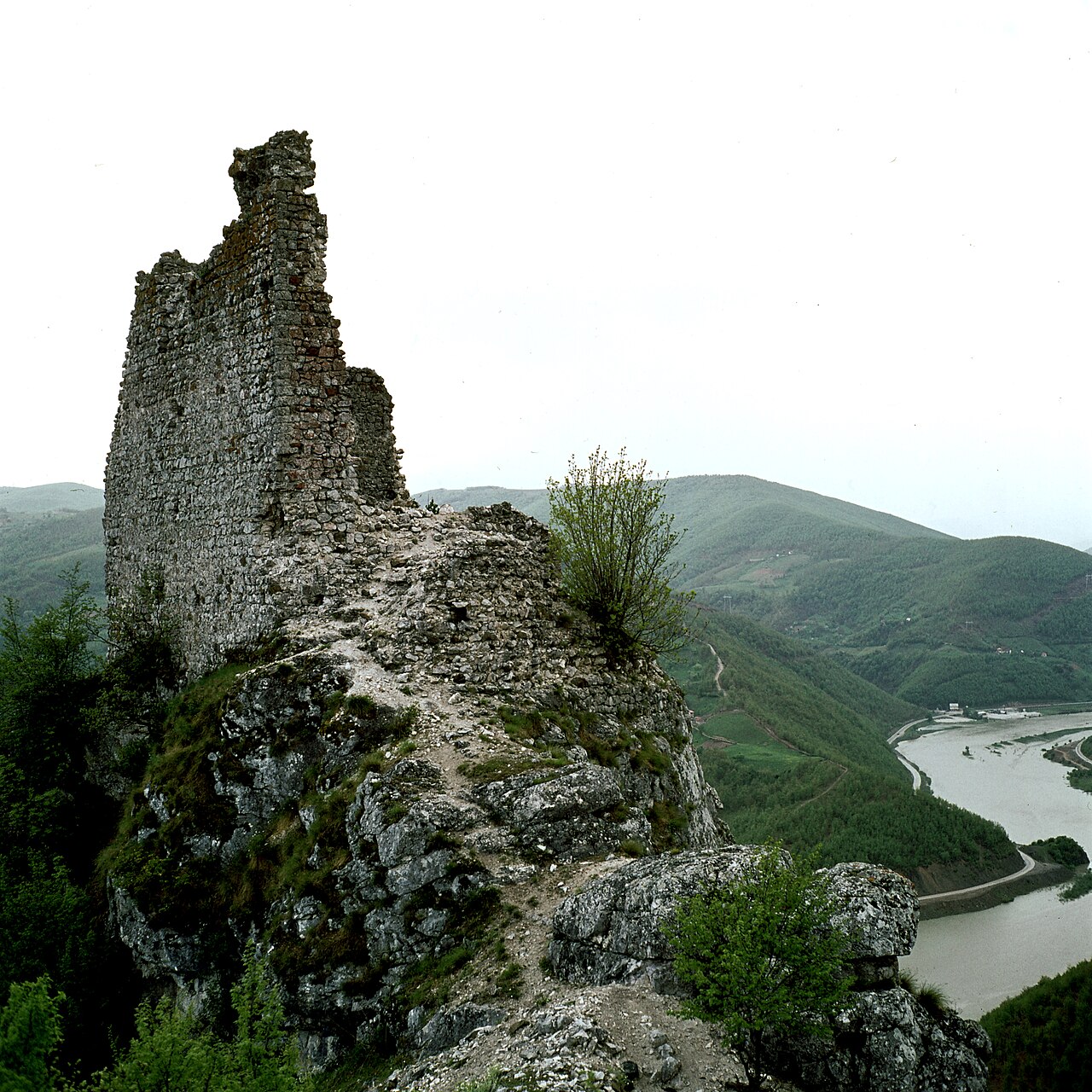
Samobor Fortress is a significant medieval fortress situated on the banks of the Drina River within the municipality of Novo Goražde in Bosnia and Herzegovina. Constructed in the 14th century, this fortress served as a strategic stronghold during a turbulent period marked by regional power struggles and the looming expansion of the Ottoman Empire.
Historical context and construction
The fortress was commissioned by Sandalj Hranić, the Grand Duke of Bosnia, a prominent nobleman who played a crucial role in the political and military affairs of the medieval Bosnian state. The construction of Samobor Fortress was part of a broader effort to fortify key defensive positions along vital waterways like the Drina River, which was a natural border and trade route in the region.
Sandalj Hranić's heir, Stjepan Vukčić Kosača, inherited the fortress and maintained control over it until the mid-15th century. The fortress's strategic location made it a focal point during the Ottoman incursions into Bosnia. In 1465, the fortress fell to the advancing Ottoman forces, marking a significant shift in the region's control and heralding the beginning of Ottoman dominance in the area.
Architectural features and defensive design
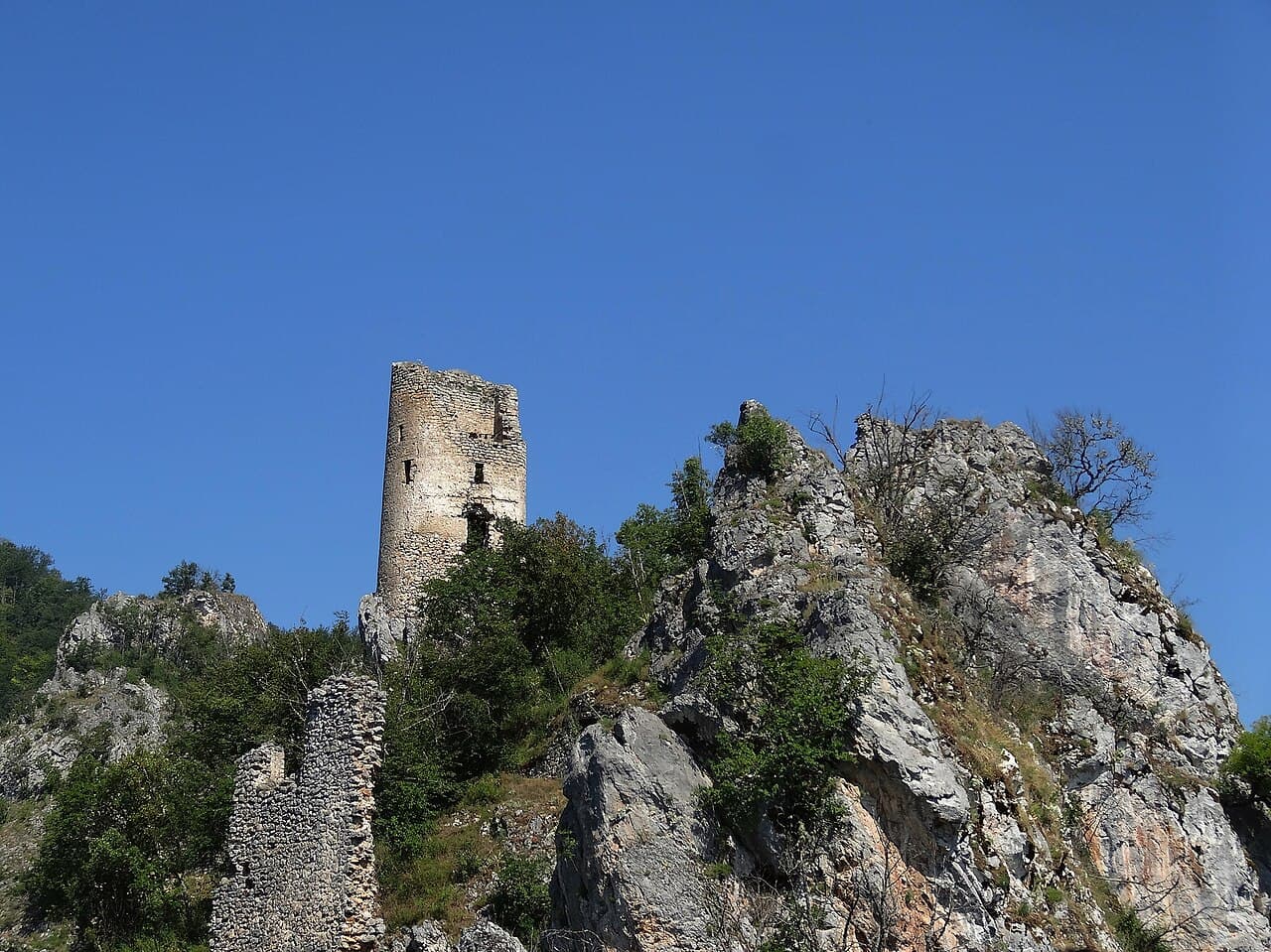
Samobor Fortress is classified as a bastioned fortress, a style that reflects the evolving military architecture of the late medieval period. The fortress's design incorporates bastions—projecting parts of the walls that allowed defenders to cover adjacent walls with crossfire, improving the fortress's ability to withstand sieges and artillery attacks.
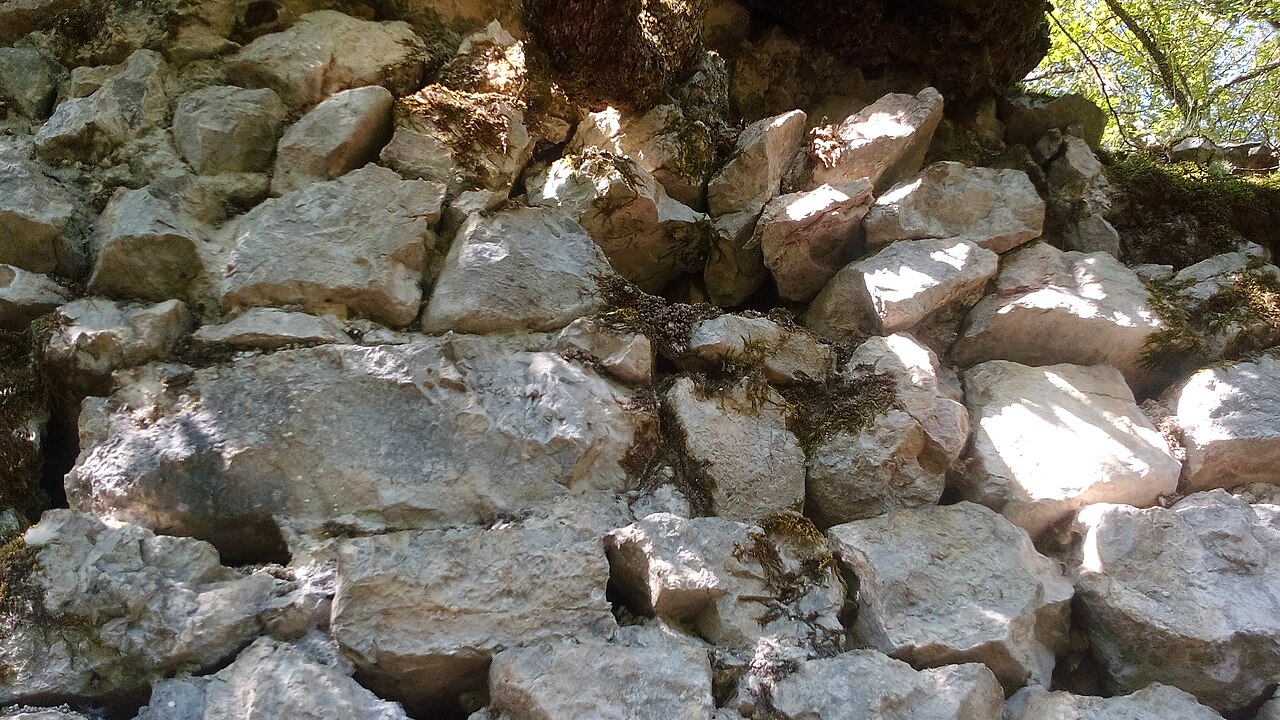
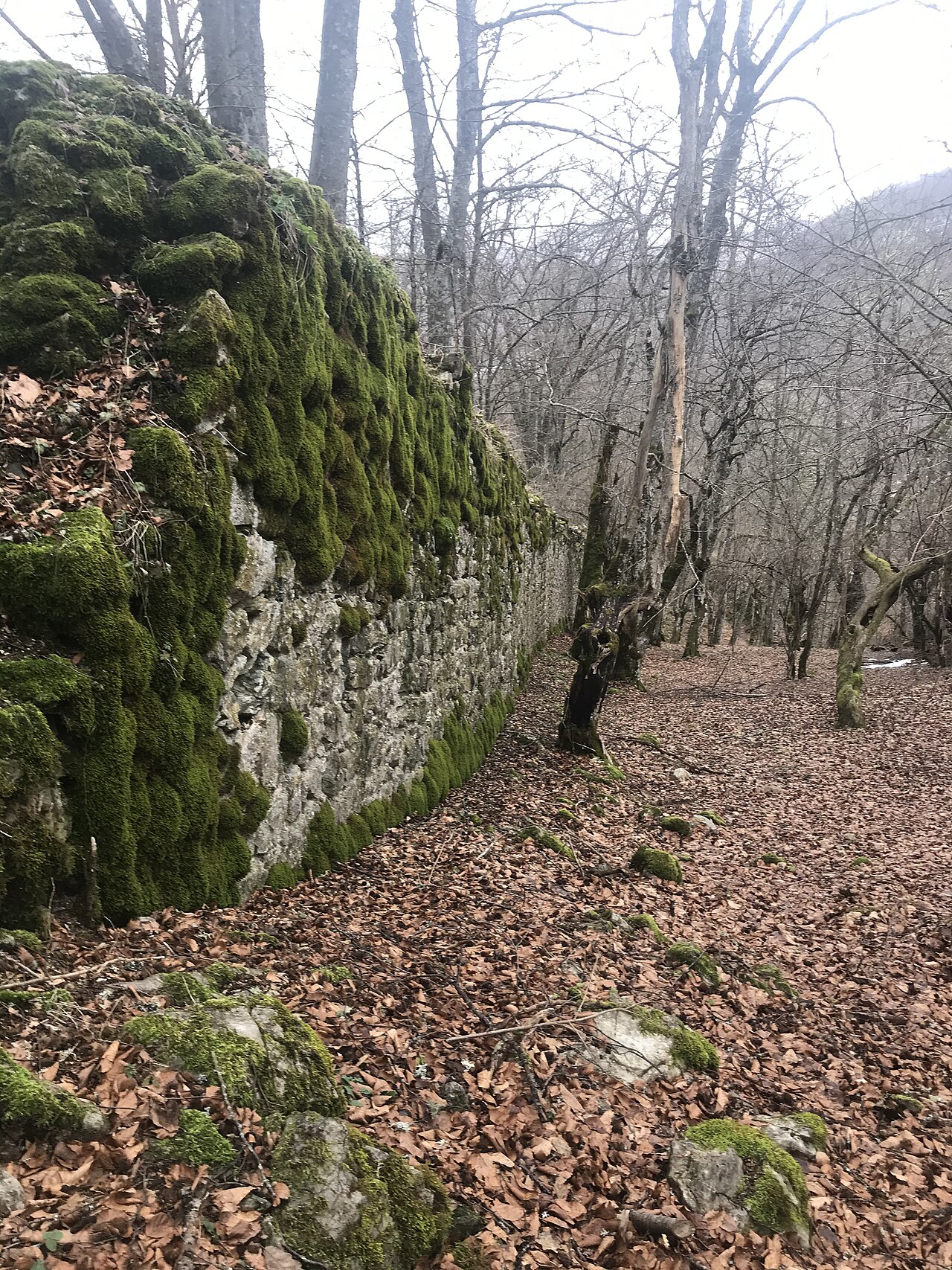
The fortress is built primarily from local stone, with thick walls designed to resist both direct assault and the emerging threat of cannon fire. Its layout includes defensive walls, towers, and a fortified gatehouse, all arranged to maximize defensive capabilities while controlling access to the Drina River corridor.
The fortress's position on elevated terrain above the river provided natural defensive advantages, allowing defenders to observe and control river traffic and movements in the surrounding valleys. The integration of natural topography with man-made fortifications exemplifies the strategic military engineering of the period.
Historical significance and cultural heritage
As a military and administrative center, Samobor Fortress played a vital role in the defense of the Bosnian kingdom's eastern frontiers. Its capture by the Ottomans in 1465 marked a turning point in the region's history, as the fortress became part of the Ottoman defensive network controlling the Drina River and surrounding territories.
Today, Samobor Fortress and its surrounding area are recognized as a National Monument of Bosnia and Herzegovina, protected by the Commission to Preserve National Monuments (KONS). The site holds considerable cultural and historical value, representing the medieval Bosnian state's resilience and the region's complex history of conflict and cultural exchange.
Preservation and current condition
While the fortress is not fully intact, significant portions of its walls and bastions remain, offering valuable insights into medieval fortification techniques. The site is accessible to visitors interested in medieval architecture, Balkan history, and the military heritage of Bosnia and Herzegovina.
Conservation efforts focus on stabilizing the existing structures and preventing further deterioration, ensuring that Samobor Fortress continues to be a tangible link to the region's medieval past.
Visiting Samobor Fortress
Visitors to Samobor Fortress can explore the ruins and enjoy panoramic views of the Drina River and the surrounding landscape. The fortress's remote location provides a peaceful setting for those interested in history, archaeology, and nature.
Due to its status as a protected cultural monument, visitors are encouraged to respect the site and adhere to any guidelines established by local authorities to preserve its condition for future generations.
Photo gallery

Information
Loading map...
Visitor reviews
No reviews yet. Been here? Write the first review and help other travelers!
Write the first reviewVisited this castle? Share your experience
Your review helps other travelers and adds first-hand knowledge to our encyclopedia.