Borač Castle
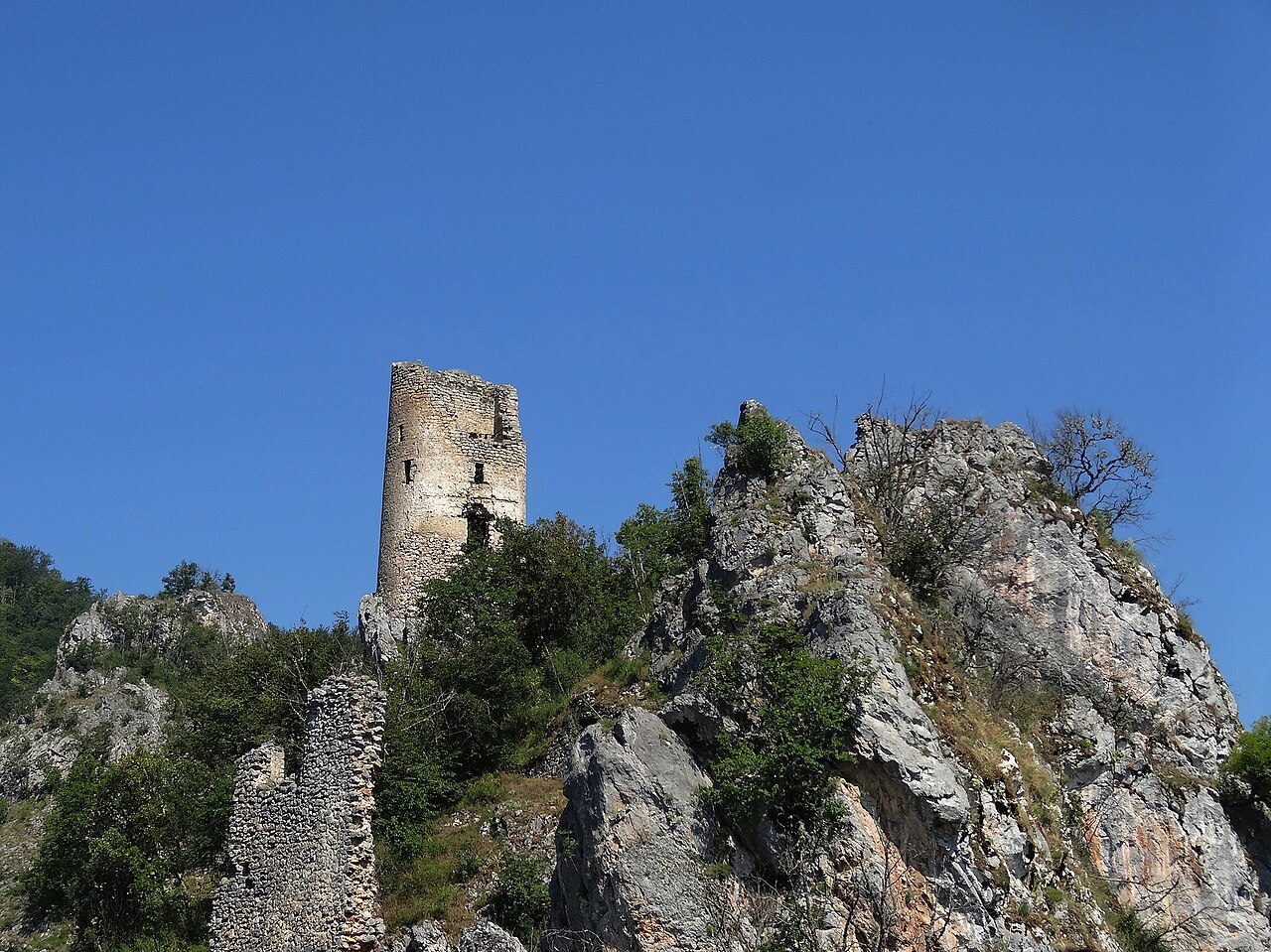
Borač Castle (Serbian Cyrillic: Борач) is a significant medieval hill castle located in the rugged terrain of eastern Bosnia and Herzegovina. Perched high above the Prača river canyon between the villages of Mesići and Brčigovo, near the modern town of Rogatica, this fortress was a prominent noble court and one of the largest fortified settlements in medieval Bosnia. It served as the seat of the influential Pavlović noble family, who played a vital role in the political and military affairs of the region during the Late Medieval period.
Geographical and strategic significance
The castle's location on steep, rugged slopes provided a natural defensive advantage, overseeing the Prača river valley and controlling important trade and communication routes. The elevated position allowed the occupants to monitor movements through the canyon and offered protection from potential invaders. This strategic placement was typical of hill castles in the medieval Balkans, where natural topography was integrated into the defensive design.
Architectural features and layout
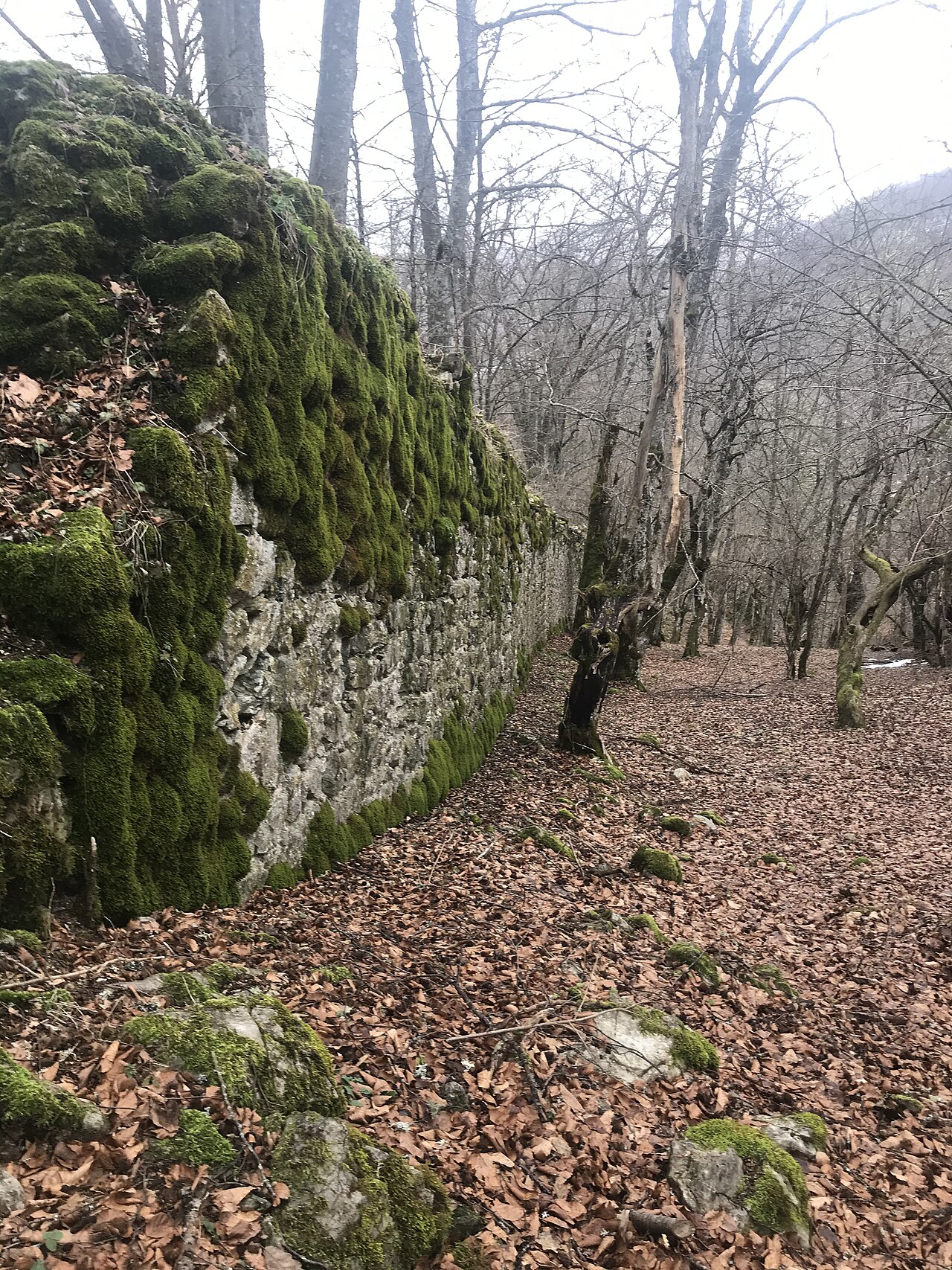
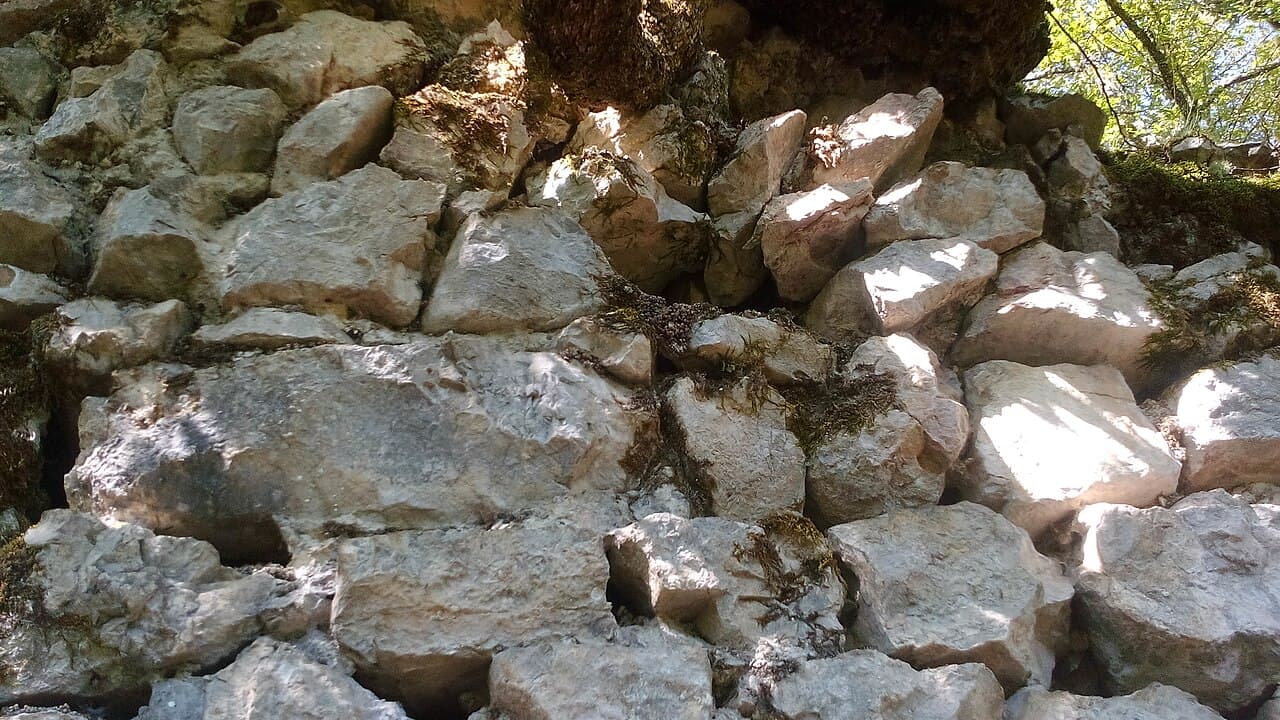
Borač Castle's architecture reflects typical medieval Bosnian fortification styles, adapted to the mountainous landscape. The fortress included robust stone walls that followed the contours of the hill, enclosing a complex of residential buildings, defensive towers, and courtyards. The walls were constructed from local stone, designed to withstand sieges and assaults.
Within the castle grounds, the noble family’s residence was fortified and likely included a keep or donjon serving as the last line of defense. Defensive towers were positioned to cover vulnerable approaches and provide vantage points for archers and lookouts. The castle’s gatehouse was fortified to control access, possibly featuring a drawbridge or portcullis, although specific details remain uncertain due to limited archaeological excavation.
Construction techniques and materials
The builders utilized locally sourced stone and timber, common in medieval Bosnian fortifications. The masonry work shows skilled craftsmanship, with thick walls designed for durability and defense. The castle’s adaptation to the steep terrain required careful planning to maximize defensive capabilities while providing livable space for the noble family and their retinue.
Historical context and significance
Constructed during the Late Medieval period, Borač Castle was a vital seat of the Pavlović family, one of the most powerful noble houses in medieval Bosnia. The Pavlovićs held extensive lands in eastern Bosnia and were influential in regional politics, often involved in alliances and conflicts with neighboring states and the Ottoman Empire.
The castle witnessed numerous historical events, including military engagements and political negotiations. Its position made it a stronghold during the turbulent times leading up to the Ottoman conquest of Bosnia in the 15th century. The fortress’s decline began after the Ottoman expansion, as new military technologies and changing political landscapes rendered many medieval castles obsolete.
The Pavlović noble family
The Pavlović family rose to prominence in the 14th and 15th centuries, controlling large territories in eastern Bosnia. Their residence at Borač Castle symbolized their power and status. The family’s influence extended to economic control over trade routes and participation in the Bosnian Kingdom’s political affairs. The castle was not only a military fortress but also a center of administration and noble life.
Archaeological research and preservation
Today, Borač Castle exists as partially preserved ruins, with some sections of walls and towers still visible amidst the natural landscape. Archaeological efforts have been limited but have helped to document the castle’s layout and historical importance. Preservation challenges include natural erosion and vegetation overgrowth, which threaten the remaining structures.
Efforts to protect and study Borač Castle aim to raise awareness of its cultural heritage value and to promote sustainable tourism in the region. The site offers insight into medieval Bosnian fortification techniques and the lifestyle of the nobility during a formative period in the country’s history.
Visiting Borač Castle
Visitors to Borač Castle can explore the ruins set in a dramatic natural environment, experiencing the strategic vantage points and imagining the castle’s former grandeur. The site is accessible from Rogatica, although facilities are limited and the terrain can be challenging. It is recommended to visit during spring or autumn for the best weather conditions.
Nearby attractions
The surrounding region offers natural beauty and historical sites, including other medieval fortresses and traditional Bosnian villages. The Prača river canyon itself is a notable landscape feature, popular for hiking and nature excursions.
Frequently asked questions (FAQ)
- How do I get to Borač Castle?
- Borač Castle is accessible from the town of Rogatica in eastern Bosnia. Visitors typically reach the site by car or local transport, followed by a hike up the rugged slopes to the castle ruins.
- What is the historical significance of Borač Castle?
- Borač Castle was the seat of the powerful Pavlović noble family and a major fortified town in medieval Bosnia, playing a key role in regional politics and defense during the Late Medieval period.
- Is Borač Castle open to the public?
- Yes, Borač Castle ruins are open to visitors year-round. However, facilities are limited, and the terrain can be challenging, so appropriate footwear and preparation are recommended.
- What architectural features can I see at Borač Castle?
- Visitors can observe the remains of stone defensive walls, towers, and the layout of a medieval hill castle adapted to steep terrain, showcasing typical Bosnian fortification techniques.
- When is the best time to visit Borač Castle?
- The best time to visit Borač Castle is during spring or autumn when the weather is mild and the natural surroundings are most accessible for hiking and exploration.
Photo gallery

Information
Loading map...
Visitor reviews
No reviews yet. Been here? Write the first review and help other travelers!
Write the first reviewVisited this castle? Share your experience
Your review helps other travelers and adds first-hand knowledge to our encyclopedia.