Pavlovac Fortress
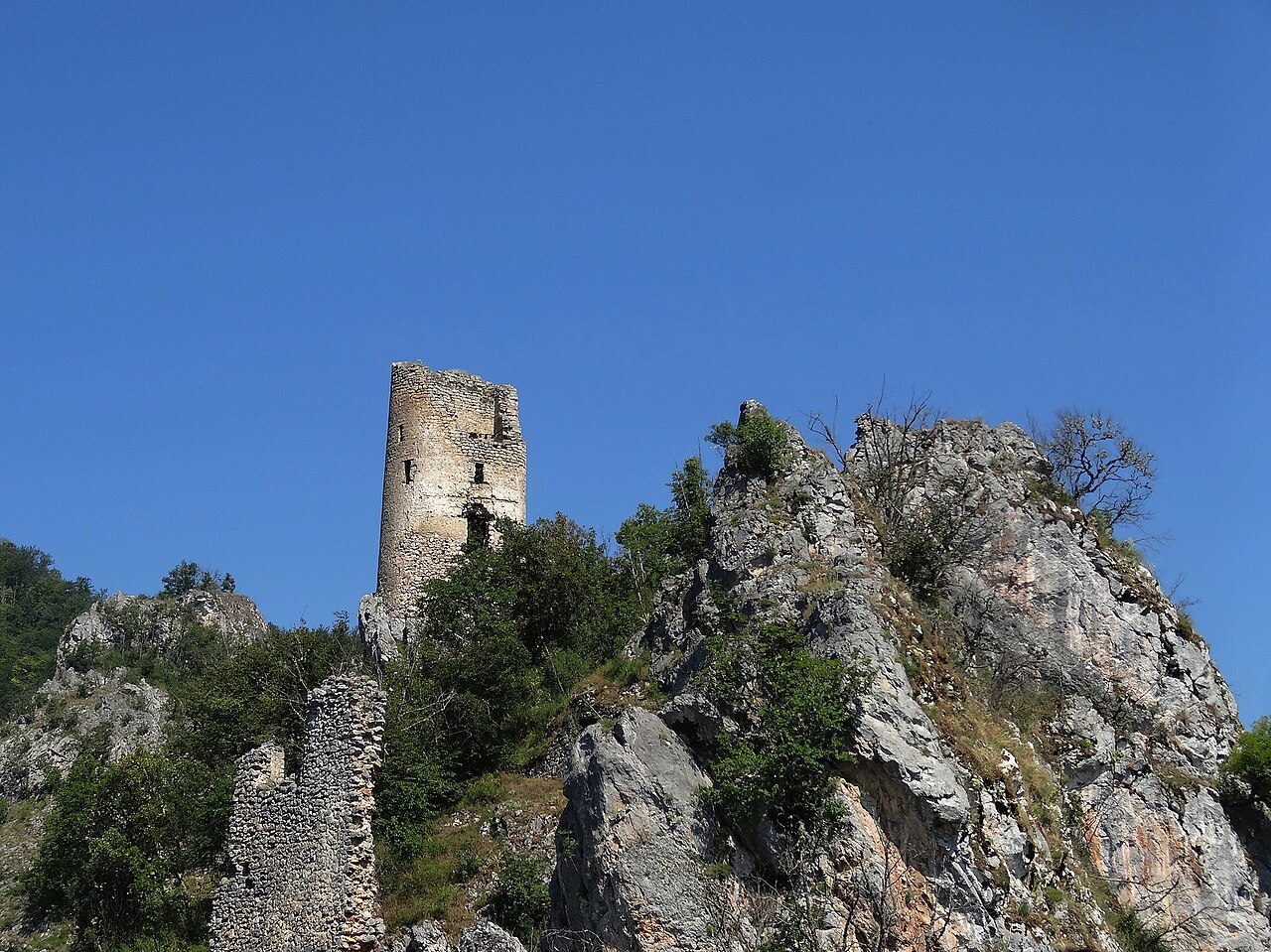
Pavlovac Fortress is a significant medieval fortified town located in Bosnia and Herzegovina, perched on the rugged slopes overlooking the Prača river canyon near the village of Prača. This fortress served as the noble court and primary residence of the influential Radinović-Pavlović family, one of the prominent Bosnian noble families during the late medieval period. Its strategic position high above the canyon provided commanding views and formidable natural defenses.
Historical context and importance
The fortress was constructed and developed during the 14th and 15th centuries, a time when the Bosnian Kingdom was consolidating its power amid regional conflicts and shifting alliances. The Radinović-Pavlović family, who held significant political and military influence, used Pavlovac as their administrative center and military stronghold. It was one of the largest fortified settlements in medieval Bosnia, reflecting the family's wealth and status.
Throughout its history, Pavlovac played a vital role in the defense against Ottoman incursions and internal noble disputes. The fortress's location on steep terrain made it difficult to besiege, and it was equipped with defensive structures adapted to the rugged landscape.
Architectural features and fortifications
Pavlovac Fortress is classified as a bastioned fortress, a style that incorporates angular bastions projecting from the walls to allow defensive fire along the curtain walls and eliminate blind spots. While the fortress's exact original layout is partially lost to time, archaeological studies and historical records indicate a complex defensive system.
The fortress included massive stone walls reinforced with bastions at key points, a main gate designed for controlled access, and several towers used for surveillance and defense. The natural topography was integrated into the fortifications, with steep cliffs and rocky outcrops augmenting the man-made defenses.
Inside the fortress, there were residential quarters, storage facilities, and administrative buildings that served the noble family and their retainers. The layout was adapted to both military needs and the daily life of the court.
Current condition and preservation
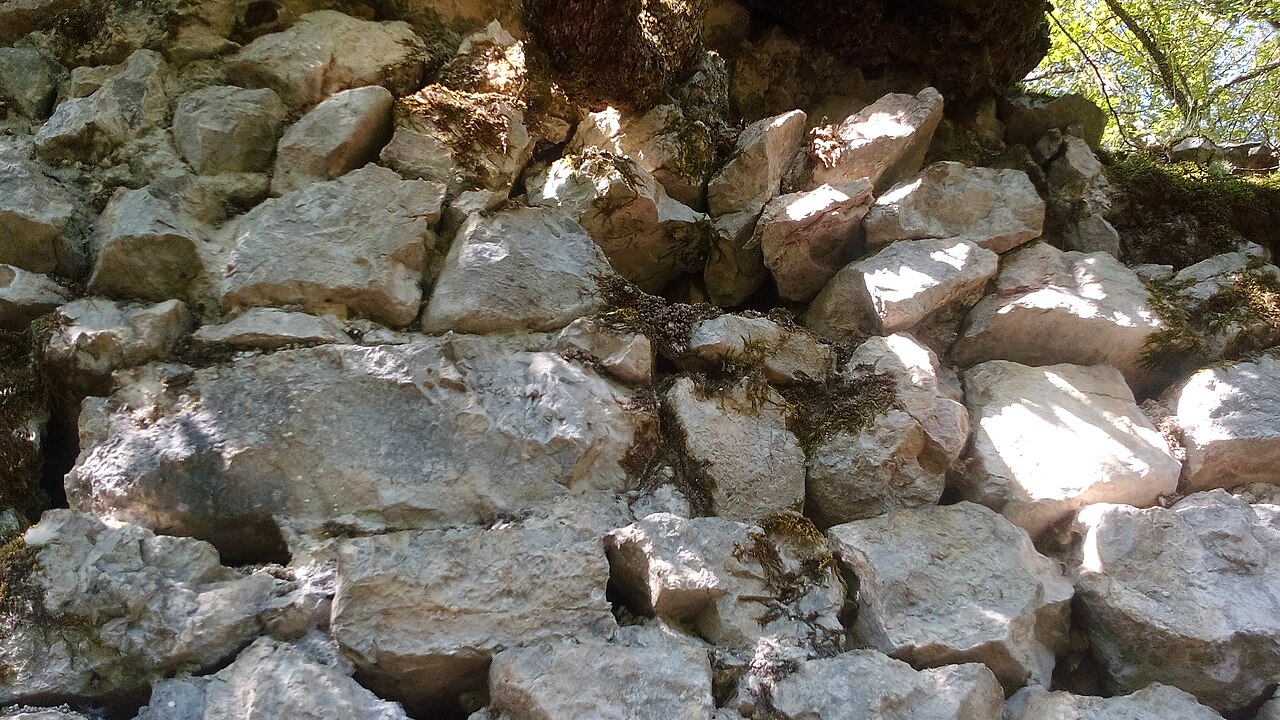
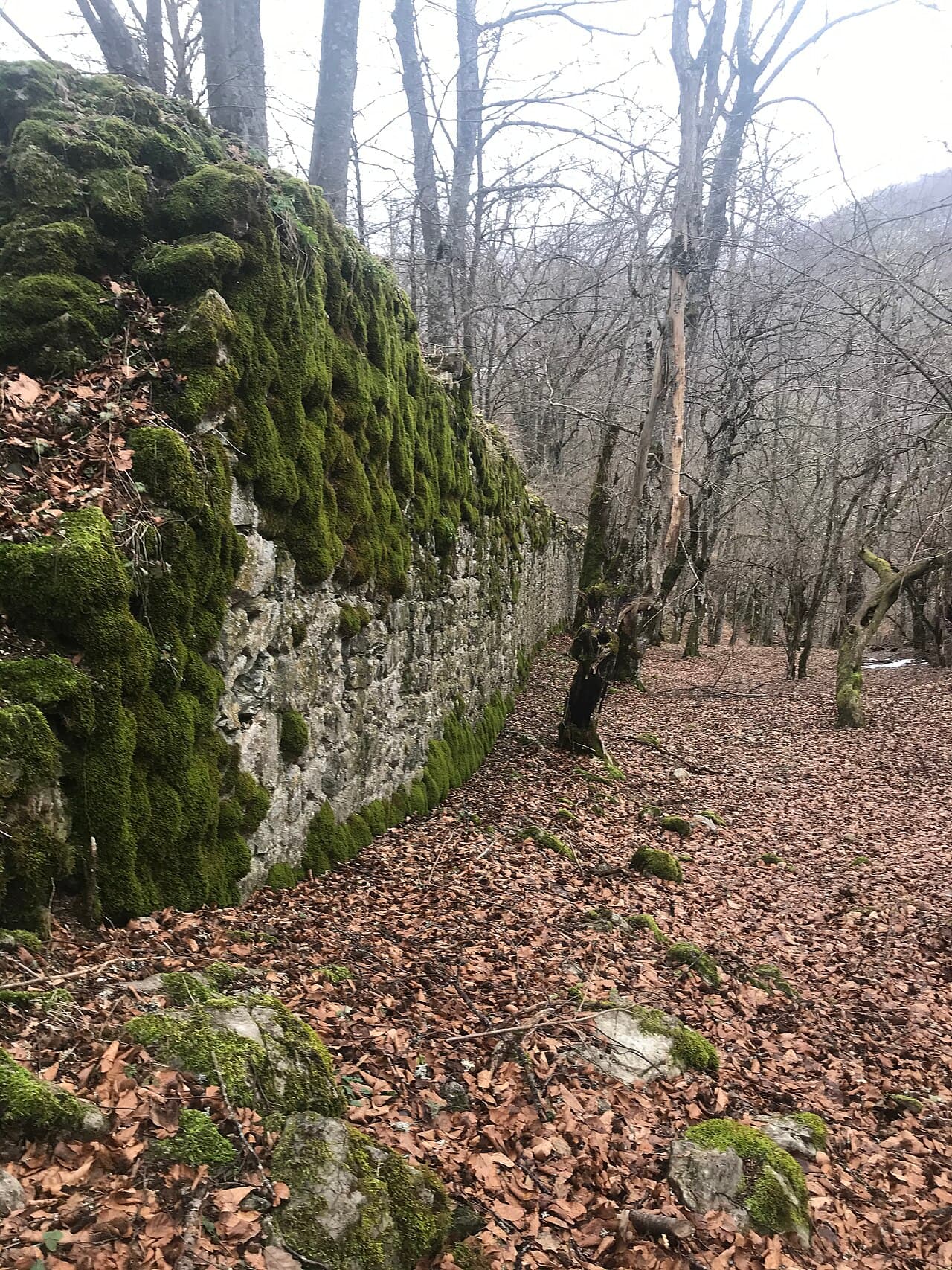
Today, Pavlovac Fortress remains largely in ruins, with only fragments of its walls and bastions visible. The site is an important archaeological and cultural heritage location, attracting researchers interested in medieval Bosnian history and architecture. Preservation efforts have been limited, but the fortress's remains offer valuable insights into the defensive strategies and noble residences of the period.
The fortress's remote and elevated position has helped protect it from extensive modern development, though natural erosion and vegetation growth continue to impact the ruins.
Visiting Pavlovac fortress
Visitors to Pavlovac can explore the ruins and enjoy panoramic views of the surrounding Prača river canyon and Bosnian countryside. The site is accessible by hiking trails from the nearby village of Prača, offering a combination of historical exploration and natural beauty. Due to its rugged terrain, visitors should be prepared for uneven paths and limited facilities.
Nearby attractions
The region around Pavlovac is rich in natural landscapes, including river valleys and mountains, making it appealing for hiking and outdoor activities. Nearby towns and villages offer cultural experiences and insight into contemporary Bosnian life.
Legacy and cultural significance
Pavlovac Fortress stands as a testament to the medieval Bosnian nobility's architectural and military capabilities. It reflects the socio-political complexities of the Bosnian Kingdom during the late Middle Ages and the strategic importance of fortified noble courts in regional defense. The fortress remains a symbol of the Radinović-Pavlović family's historical prominence and Bosnia's medieval heritage.
Frequently asked questions (FAQ)
- How do I get to Pavlovac Fortress?
- Pavlovac Fortress is accessible by hiking trails from the nearby village of Prača. Visitors should prepare for a moderately challenging walk through rugged terrain.
- What is the historical significance of Pavlovac Fortress?
- Pavlovac Fortress was the seat of the powerful Radinović-Pavlović noble family and played a key role in medieval Bosnian defense during the 14th and 15th centuries.
- Can I visit the interior of Pavlovac Fortress?
- As the fortress is largely in ruins, visitors can explore the remains of walls and bastions, but there are no intact interior buildings accessible.
- What is the best time to visit Pavlovac Fortress?
- The best time to visit is during the late spring to early autumn months when weather conditions are favorable for hiking and outdoor exploration.
- Are there guided tours available at Pavlovac Fortress?
- Currently, there are no official guided tours at Pavlovac Fortress, but local guides may offer private tours upon request.
Photo gallery

Information
Loading map...
Visitor reviews
No reviews yet. Been here? Write the first review and help other travelers!
Write the first reviewVisited this castle? Share your experience
Your review helps other travelers and adds first-hand knowledge to our encyclopedia.