Deokju Sanseong — South Korea castle

Deokju Sanseong

Deokju Sanseong fortress in Korea
Late Medieval (14th–15th c.)

Deokju Sanseong is a historic bastioned fortress located in the Republic of Korea. This fortress is an important example of traditional Korean military architecture, designed primarily for defense during times of conflict. Its construction reflects the strategic military thinking of its era, emphasizing strong defensive walls and bastions to repel invaders.

Historical background and significance

The fortress dates back to a period when Korea faced numerous invasions, necessitating robust fortifications. While the exact construction date is not precisely documented, such fortresses typically belong to the late medieval to early modern periods in Korean history, roughly spanning from the 14th to 17th centuries. Deokju Sanseong played a vital role in regional defense, serving as a military stronghold to protect local populations and control strategic routes.

Architectural features and design

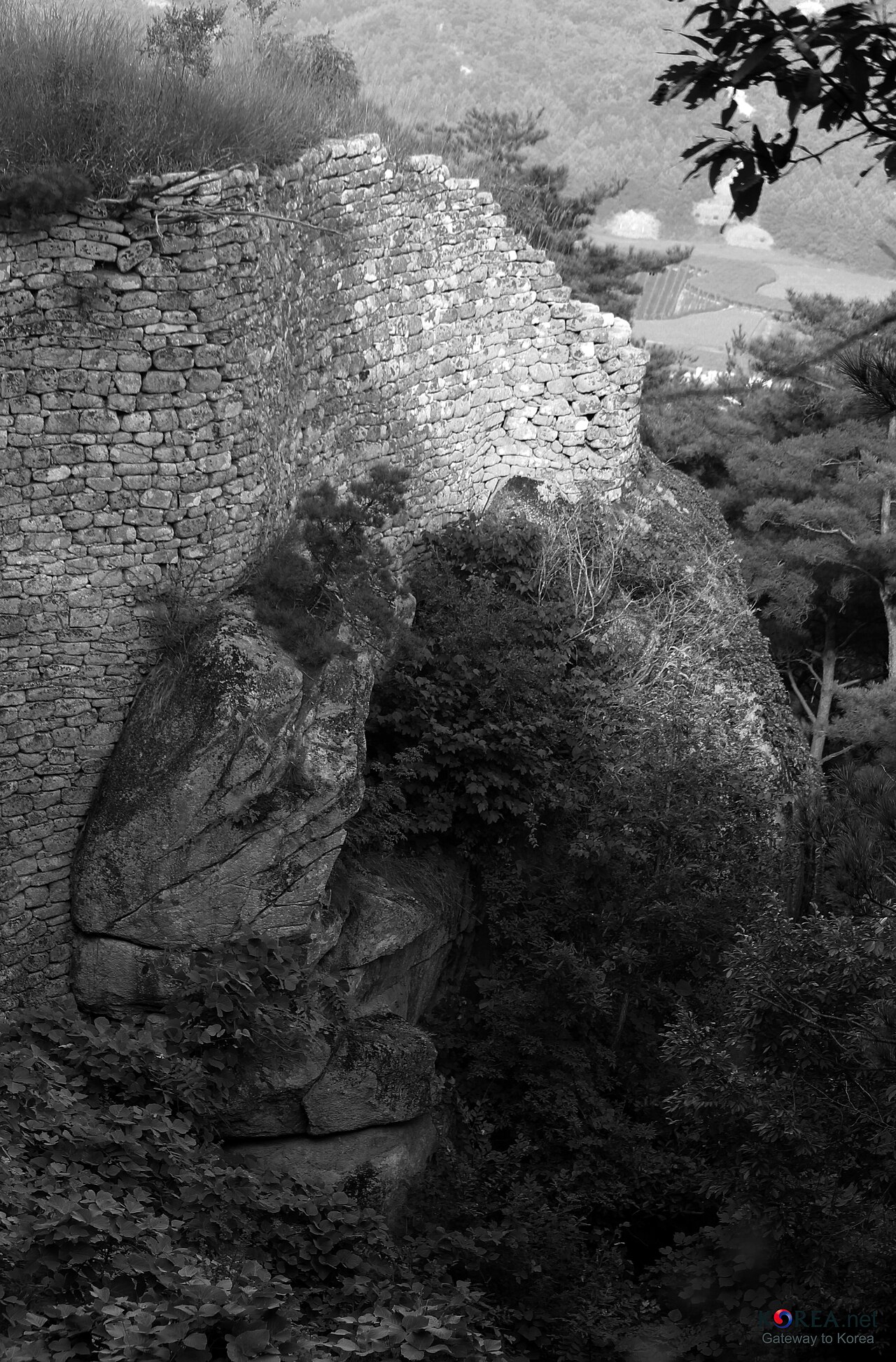
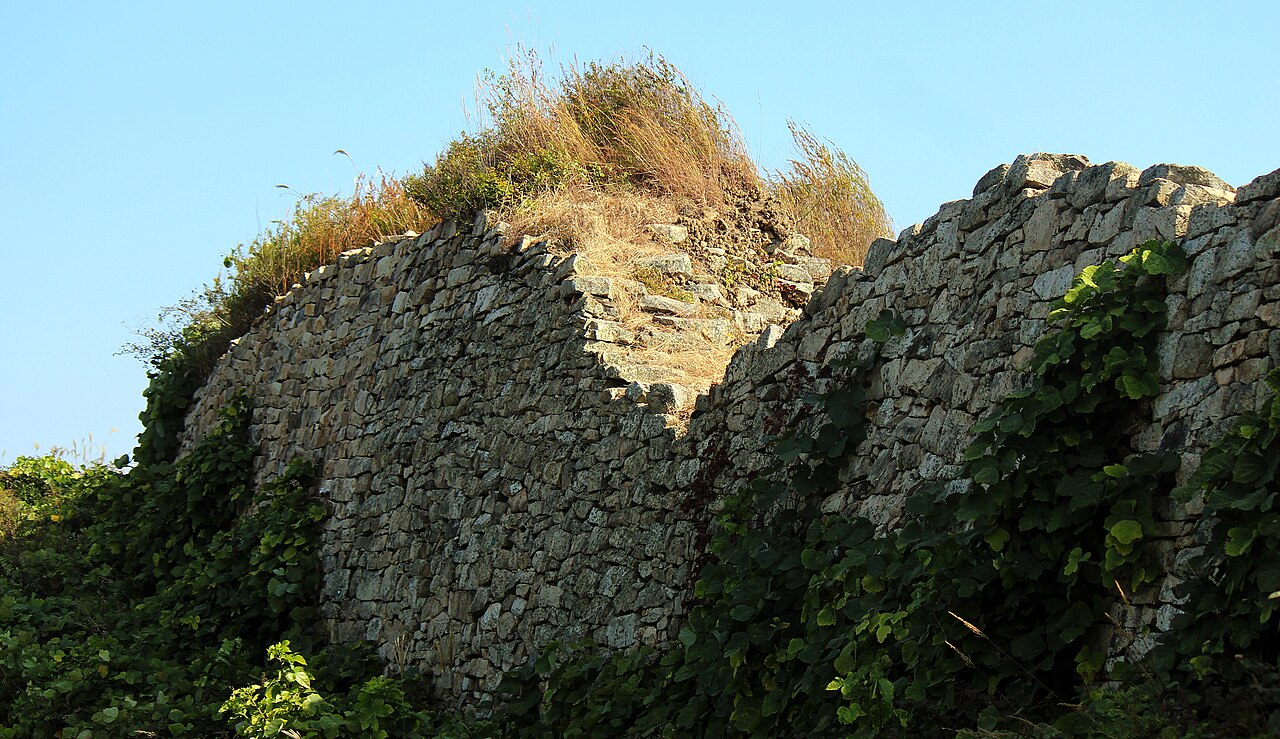
Deokju Sanseong exemplifies the characteristics of a bastioned fortress, a style that incorporates projecting bastions along the curtain walls. These bastions allowed defenders to cover adjacent walls with crossfire, eliminating blind spots and enhancing the fortress's defensive capabilities. The fortress walls were typically constructed from stone, carefully fitted to withstand artillery and siege weapons.

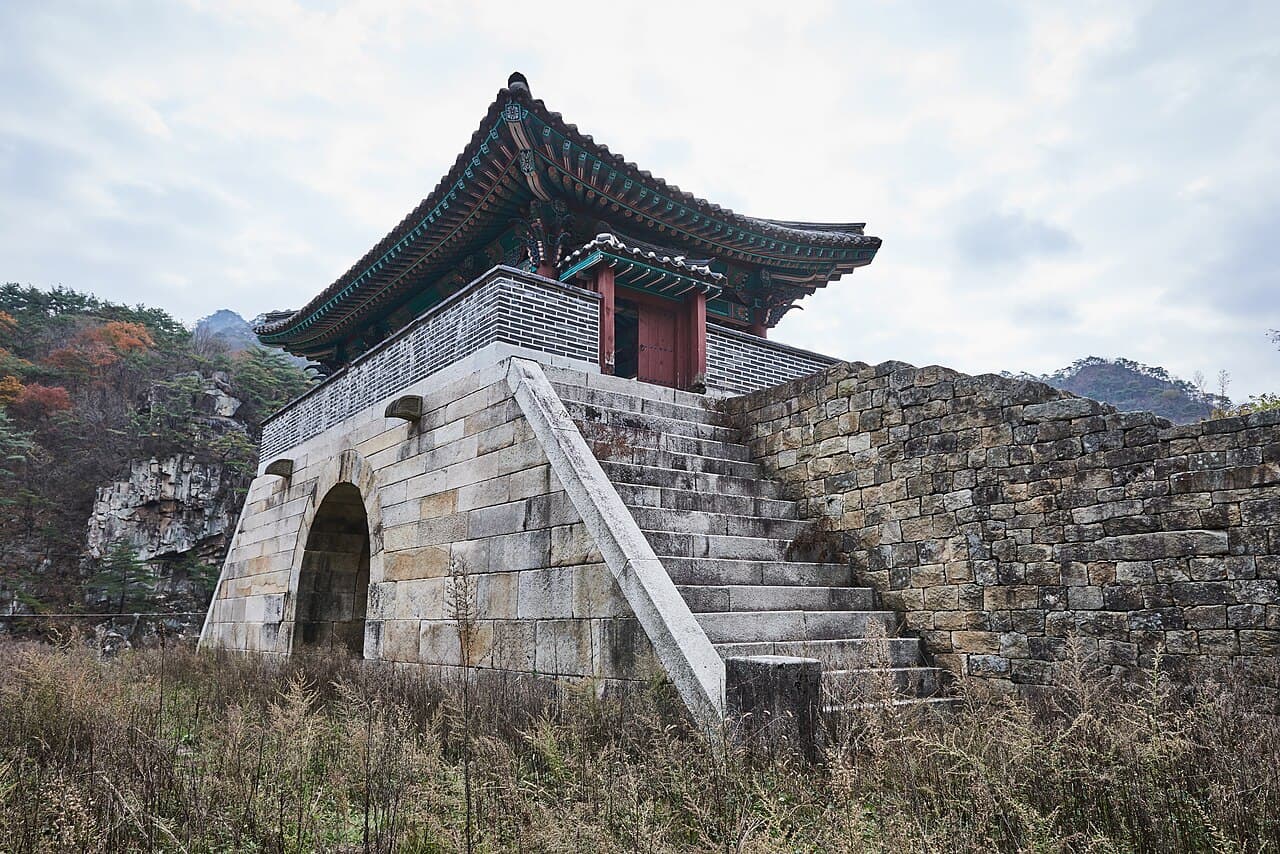
The fortress layout often includes multiple gates, watchtowers, and battlements. The walls are reinforced with bastions at key points, enabling a comprehensive field of fire. The design reflects a blend of indigenous Korean fortification techniques with influences from broader East Asian military architecture.

Walls and bastions

The thick stone walls of Deokju Sanseong are punctuated by bastions that project outward from the main curtain walls. These bastions are positioned to allow defenders to fire along the walls, providing overlapping fields of defense. This architectural feature was particularly effective against siege tactics common in the period.

Gates and access points

The fortress typically features several gates, strategically placed to control access and facilitate troop movements. These gates were often heavily fortified with guardhouses and reinforced doors, serving as choke points during attacks.

Military and cultural role

As a bastioned fortress, Deokju Sanseong was primarily a military installation designed to withstand prolonged sieges and protect the surrounding region. Its strategic location allowed it to serve as a defensive hub, coordinating military operations and safeguarding local settlements. The fortress also held cultural significance as a symbol of regional strength and resilience.

Current condition and preservation

Today, Deokju Sanseong remains a valuable cultural heritage site. While some sections of the fortress may be in ruins or partially preserved, efforts have been made to maintain and restore key architectural elements. Visitors can observe the enduring stone walls and bastions, which offer insight into historical Korean fortification methods.

Visiting Deokju Sanseong

Visitors to Deokju Sanseong can explore the fortress grounds, including the walls, bastions, and gates. The site provides a tangible connection to Korea's military history and architectural heritage. It is advisable to check local resources for visiting hours and access information, as these can vary.

Frequently asked questions (FAQ)

What is Deokju Sanseong?
Deokju Sanseong is a bastioned fortress in Korea known for its strategic defensive walls and military architecture.
When was Deokju Sanseong likely built?
While the exact date is uncertain, Deokju Sanseong likely dates from the late medieval period, between the 14th and 17th centuries.
What architectural features characterize Deokju Sanseong?
The fortress features thick stone walls with projecting bastions, multiple gates, watchtowers, and battlements designed for defense.
Can visitors explore Deokju Sanseong today?
Yes, visitors can explore the fortress grounds, including walls and bastions, though some areas may be partially preserved or in ruins.
Why was Deokju Sanseong built?
It was built as a military stronghold to protect the region from invasions and to control strategic routes during times of conflict.

Photo gallery

Deokju Sanseong
Click to view

Photo by 문화재청•KOGL Type 1

1 photo • Click any image to view in full screen

Information

Bastioned Fortress

Loading map...

Visitor reviews

No reviews yet. Been here? Write the first review and help other travelers!

Write the first review

Visited this castle? Share your experience

Your review helps other travelers and adds first-hand knowledge to our encyclopedia.
Write a review

(5/5)

0/2000 characters

Your review will be visible after admin approval

Nearby castles

16.7 km
Cheongpung Mangwolsanseong Fortress — South Korea castle

Cheongpung Mangwolsanseong Fortress

, South Korea

Cheongpung Mangwolsanseong Fortress is a historic bastioned fortress located in the Republic of Korea, notable for its strategic position atop Mangwol Mountain. This fortress is an important example of Korean military architecture, designed to maximize defensive capabilities through its natural topography and constructed fortifications. Historical context and significance The fortress dates back to the Joseon Dynasty period, which lasted from the 14th to the early 20th century, a time marked by frequent military conflicts and the need for strong defensive structures. While exact construction dates are not precisely documented, the fortress was likely developed and expanded during the late medieval to early modern periods to protect the region from invasions and local unrest. Cheongpung Mangwolsanseong Fortress served as a military stronghold that controlled important routes through the mountainous terrain of Korea. Its location allowed defenders to monitor enemy movements and provided a refuge for local populations during times of conflict. Architectural features and design The fortress is classified as a bastioned fortress, a style that incorporates angled bastions projecting from the curtain walls to provide overlapping fields of fire against attackers. This design was influenced by both traditional Korean fortification methods and adaptations to evolving military technology, including the use of gunpowder weapons. Stone walls form the primary defensive barrier, constructed with large, carefully fitted stones that have withstood centuries of weathering. The walls follow the natural contours of Mangwol Mountain, enhancing the fortress's defensive advantage by blending with the rugged terrain. Within the fortress, remnants of gates, watchtowers, and command posts can be found. These structures were strategically positioned to maximize visibility and control access points. The bastions allowed defenders to cover blind spots along the walls, reducing vulnerabilities. Defensive layout The fortress's layout is adapted to the mountainous environment, with walls and bastions arranged to take full advantage of the elevation. The bastions' angular design was intended to deflect artillery fire and enable defenders to fire upon attackers approaching the walls from multiple angles. Cheongpung Mangwolsanseong Fortress also features moats and ditches in certain sections, enhancing its defensive depth. These earthworks made direct assaults more difficult and slowed enemy advances. Preservation and current condition Today, the fortress is classified as partially preserved. While some sections of the walls and bastions remain intact, others have deteriorated due to natural erosion and historical neglect. Restoration efforts have been undertaken to stabilize and conserve key parts of the structure, allowing visitors to appreciate its historical and architectural significance. The site is accessible to the public and serves as a cultural heritage landmark, offering insight into Korea's military history and fortress construction techniques. Visitors can explore the remains of the walls, bastions, and gates, while enjoying panoramic views of the surrounding landscape. Visiting information and cultural importance Cheongpung Mangwolsanseong Fortress is a popular destination for history enthusiasts and hikers alike. Its location on Mangwol Mountain provides both a cultural experience and a natural retreat. The site is often included in regional tours highlighting Korea's historic fortifications. The fortress is recognized for its role in illustrating the evolution of Korean military architecture, particularly the integration of bastion designs adapted to mountainous terrain. It stands as a testament to the strategic ingenuity of its builders and the historical challenges faced during its active use.

Details
36.4 km
Gyeonhwonsanseong Fortress — South Korea castle

Gyeonhwonsanseong Fortress

, South Korea

Gyeonhwonsanseong Fortress is a significant example of a bastioned fortress located in Korea, reflecting the military architectural advancements of its period. This fortress is notable for its strategic design that incorporates bastions—projecting parts of the fortification walls used to provide defensive fire in multiple directions, enhancing the fortress's ability to repel attackers. Historical context and significance The fortress was constructed during a period when Korea faced various military threats, necessitating the development of robust defensive structures. While the exact date of construction is not definitively recorded, the design elements suggest influences from the late medieval to early modern periods, when bastioned fortifications became more common due to the introduction of gunpowder and artillery in warfare. Gyeonhwonsanseong Fortress served as a critical military stronghold, providing protection for the surrounding region against invasions. Its location was chosen for strategic advantage, likely positioned on elevated terrain to maximize defensive capabilities and surveillance over the surrounding landscape. Architectural features Bastioned walls The defining characteristic of Gyeonhwonsanseong Fortress is its bastioned walls. These bastions allowed defenders to cover the walls with overlapping fields of fire, reducing blind spots and making direct assaults more difficult. The walls themselves were constructed from stone and earth, materials chosen for their durability and ability to absorb cannon fire. Gateways and access points The fortress likely included fortified gateways designed to control access and provide additional layers of defense. These gates would have been reinforced and possibly equipped with features such as portcullises and murder holes to defend against attackers attempting to breach the entrance. Internal structures Inside the fortress, there would have been barracks, armories, and storage facilities to support the garrison stationed there. The layout would have been planned to facilitate efficient movement of troops and supplies during times of siege or conflict. Military role and legacy Throughout its history, Gyeonhwonsanseong Fortress played a vital role in regional defense. Its bastioned design reflects the adaptation of Korean military architecture to evolving warfare technologies, particularly the use of firearms and artillery. The fortress stands as a testament to the strategic and engineering skills of its builders. Today, the fortress is recognized for its historical and cultural significance. Although the current condition of the fortress may vary, it remains an important site for understanding Korea's military history and architectural heritage. Visiting and preservation Visitors to Gyeonhwonsanseong Fortress can explore the remnants of its bastioned walls and gain insight into the military strategies employed during its operational period. Preservation efforts aim to maintain the structural integrity of the fortress and promote awareness of its historical importance. The fortress's location and accessibility may influence visiting hours and facilities available to tourists. Those interested in Korean military architecture and history will find Gyeonhwonsanseong Fortress a valuable site for study and exploration.

Details
52.5 km
Samnyeonsanseong — South Korea castle

Samnyeonsanseong

Boeun County, South Korea

Samnyeonsanseong fortress, also known as the Samnyeon Sanseong Fortress, represents a significant example of early Korean military architecture from the 5th century. Located in Boeun County, North Chungcheong Province of South Korea, this archaeological ruin stands as a testament to the defensive strategies employed during the Silla period. Historical background and construction The fortress was constructed beginning in the year 470, during the reign of the Silla Kingdom, one of the Three Kingdoms of Korea. Its name, which translates to "three-year mountain fortress," is believed to reference either the length of its construction or a significant event related to its establishment. The fortress was strategically built on a mountainous terrain, utilizing the natural topography to enhance its defensive capabilities. Architectural features and layout Samnyeonsanseong is characterized by its extensive stone walls that follow the contours of the mountain ridges, enclosing a sizable area. The walls are constructed primarily of locally sourced stone, carefully fitted without mortar, typical of early Korean fortress building techniques. The fortress includes multiple gates and watchtowers positioned to maximize surveillance and defense against invaders. The fortress's layout is irregular, adapting to the mountainous landscape rather than imposing a geometric plan. This organic design reflects the practical military engineering of the time, prioritizing natural barriers and elevation advantages. Military significance and use During the early medieval period, Samnyeonsanseong served as a critical defensive stronghold for the Silla Kingdom, protecting the region against incursions by rival kingdoms and nomadic groups. Its elevated position allowed for early detection of enemy movements and provided a formidable obstacle to attackers. The fortress likely housed a garrison of soldiers and included facilities for long-term defense, such as storage areas for provisions and water. Although much of the internal structures have not survived, archaeological findings suggest a well-organized military installation. Preservation and cultural importance Today, Samnyeonsanseong remains in a state of ruins, with its stone walls partially preserved. It was designated as Historic Site No. 235 by the South Korean government on May 25, 1973, recognizing its historical and cultural value. The fortress is also on the tentative list for UNESCO World Heritage designation, highlighting its importance as part of Korea's cultural heritage and early military architecture. Visitors to the site can explore the remnants of the walls and gain insight into the defensive strategies of the Silla period. Visiting and accessibility Located in a mountainous area, access to Samnyeonsanseong fortress involves hiking along trails that traverse the rugged terrain. The site offers scenic views of the surrounding landscape, making it a destination for both history enthusiasts and nature lovers. Facilities at the site are minimal, reflecting its status as an archaeological ruin rather than a fully restored castle. Visitors are encouraged to respect the preservation efforts and natural environment while exploring the fortress remains.

Early Medieval (5th–10th c.)
Details