Salimgarh Fort
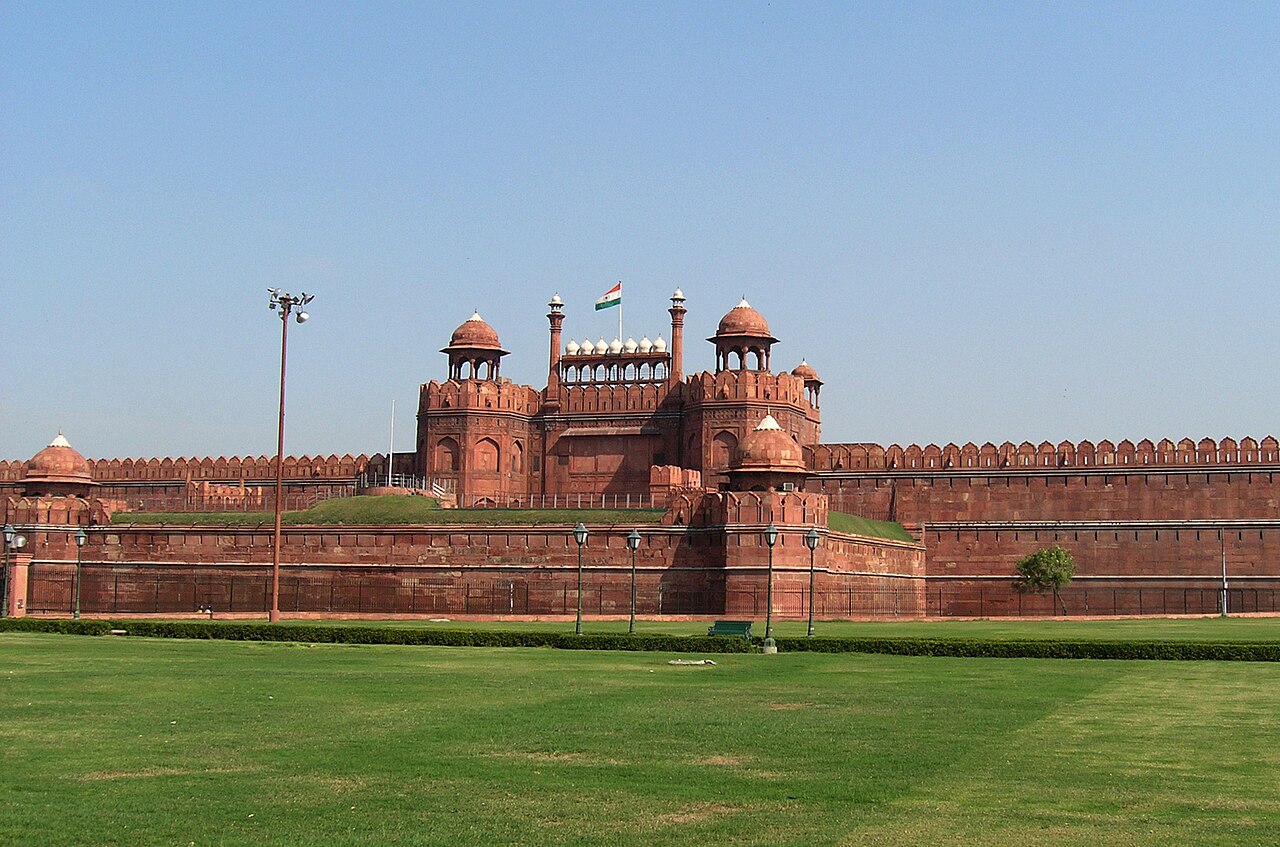
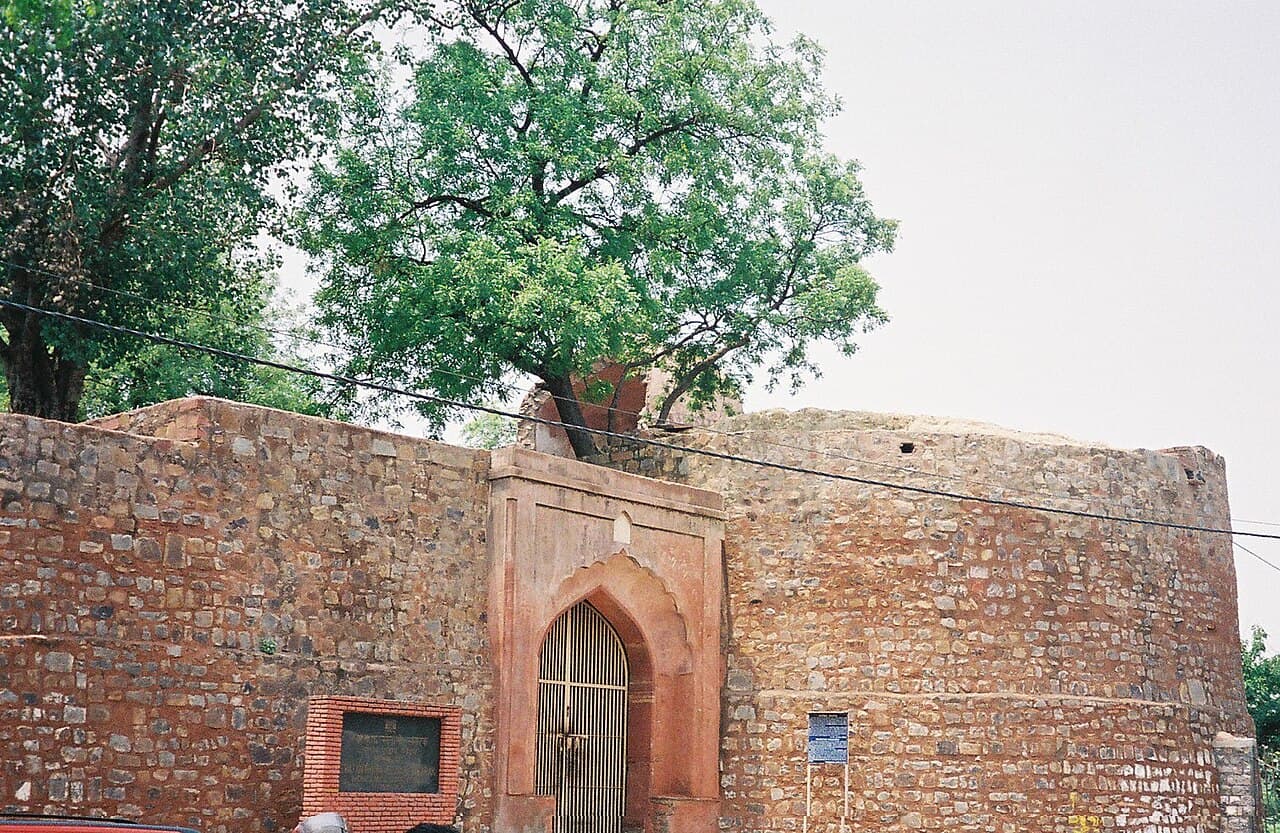
Salimgarh Fort, also known as Salim's Fort, stands as a significant bastioned fortress in the historic landscape of Old Delhi, India. Constructed in 1546 CE by Salim Shah Suri, the son of Sher Shah Suri, it was strategically built on what was once an island in the Yamuna River. This location offered natural defenses and control over riverine routes, a critical factor in military architecture of the period. The fort’s establishment occurred during the turbulent era when the Mughal Empire was temporarily displaced by the Sur Empire, founded by Sher Shah Suri after his victory over Emperor Humayun in 1540 CE.
Historical context and construction
The fort was erected in the mid-16th century, a time of significant political upheaval in northern India. Sher Shah Suri's reign, though brief, was marked by considerable administrative and military reforms, including the construction of roads and forts to consolidate his power. Salimgarh Fort was part of this strategic infrastructure, serving both as a defensive bastion and a military camp. Its design reflects the Renaissance period influences that filtered into Indian fort architecture through Persian and Central Asian styles, blended with indigenous building techniques.
Architectural features and design
Salimgarh Fort is characterized by its massive bastioned walls built from robust sandstone, which were designed to withstand artillery attacks, a relatively new threat in Indian warfare at the time. The fort’s layout includes thick curtain walls punctuated by projecting bastions that allowed defenders to cover all approaches with overlapping fields of fire. The walls are punctuated with arrow slits and gun ports, indicative of the evolving military technology of the 16th century. Inside, the fort contains several chambers and courtyards that served various military and administrative functions.
Strategic location and defensive advantages
Situated on an island in the Yamuna, the fort’s natural moat was supplemented by man-made fortifications, enhancing its defensive capabilities. This placement allowed control over river traffic and acted as a first line of defense for the city of Delhi. The fort’s proximity to the later Red Fort complex highlights its continued strategic importance through successive regimes.
Role during the Mughal period
After the restoration of Mughal rule in 1555 CE, Salimgarh Fort retained its military significance. The Mughal emperor Humayun is recorded to have camped at Salimgarh before his successful campaign to recapture Delhi. Later, Emperor Shah Jahan, who founded the city of Shahjahanabad and completed the Red Fort in 1639 CE, used Salimgarh as a military base and staging ground. The fort’s strategic position complemented the Red Fort’s role as the imperial palace and administrative center.
Transformation into a prison
Under Emperor Aurangzeb, the fort was repurposed as a prison, a function it maintained through the British colonial period after 1857. Its robust construction made it suitable for detaining high-profile prisoners, including political detainees during British rule. This change marked a shift from military fortress to a site of incarceration, reflecting the evolving political landscape of India.
Conservation and modern significance
Today, Salimgarh Fort is integrated into the Red Fort Complex, which was declared a UNESCO World Heritage Site in 2007. This designation has brought international attention to the fort’s preservation and restoration. The Archaeological Survey of India (ASI) manages the site, undertaking conservation efforts to maintain its structural integrity and historical features. Visitors to Salimgarh Fort can explore its imposing bastions, walls, and internal courtyards, gaining insight into the military architecture and history of 16th-century northern India.
Visitor experience and accessibility
The fort’s location within the Red Fort Complex makes it accessible to tourists interested in Mughal history and architecture. Interpretive signage and guided tours help contextualize the fort’s role in Delhi’s history. While much of the fort remains in a well-preserved state, ongoing restoration work ensures that its architectural details and historical ambiance are retained for future generations.
Architectural legacy and influence
Salimgarh Fort exemplifies the evolution of Indian fortifications during a period of military innovation. Its bastioned design influenced later forts in the region, integrating artillery defense into traditional fort architecture. The fort’s combination of natural and constructed defenses illustrates a sophisticated understanding of terrain and military strategy in the 16th century. As part of the larger Red Fort Complex, Salimgarh contributes to the narrative of Delhi’s transformation into a fortified imperial capital.
Frequently asked questions (FAQ)
- What is the historical significance of Salimgarh Fort?
- Salimgarh Fort, built in the 16th century, served as a strategic military outpost during the Mughal era. It was constructed by Emperor Shah Jahan and played a crucial role in the defense of the Red Fort, which is nearby. The fort reflects the architectural prowess of its time and has witnessed numerous historical events over the centuries.
- When was Salimgarh Fort constructed?
- Salimgarh Fort was constructed in 1546 by the Mughal Emperor Humayun. It was initially built as a part of the larger fortifications to protect the region and served various functions throughout its history. The fort has undergone several renovations and restorations, preserving its historical essence.
- Can I visit Salimgarh Fort?
- Yes, Salimgarh Fort is open to visitors who wish to explore its rich history and architecture. It is easily accessible from the Red Fort and other nearby attractions in Delhi. Visitors can wander through its ruins and enjoy the scenic views of the surroundings.
- What are the opening hours for Salimgarh Fort?
- Salimgarh Fort is typically open to visitors from sunrise to sunset. However, it's recommended to check the local timings before planning your visit, as they may vary seasonally. Visiting during the day allows you to appreciate the fort's features in natural light.
- Is it possible to access Salimgarh Fort with public transport?
- Yes, Salimgarh Fort can be accessed via public transport, including metro and buses. The nearest metro station is Kashmere Gate, from which you can take a short auto-rickshaw ride to reach the fort. It's advisable to plan your route in advance for a smoother journey.
- What is the ticket price for entering Salimgarh Fort?
- Entry to Salimgarh Fort is generally free, as it's part of the larger complex of the Red Fort, which may have an entry fee. Visitors are encouraged to check current policies and any potential fees that may apply. This makes it an affordable option for history enthusiasts and tourists alike.
- When is the best time to visit Salimgarh Fort?
- The best time to visit Salimgarh Fort is between October and March when the weather in Delhi is pleasant and suitable for outdoor exploration. During these months, temperatures are milder, making your visit more enjoyable. Avoiding the peak summer months will enhance your experience significantly.
- Are there any nearby attractions to visit along with Salimgarh Fort?
- Yes, Salimgarh Fort is located near several other historical sites, including the famous Red Fort and the bustling Chandni Chowk market. Visitors can also explore the Jama Masjid and Raj Ghat, which are within close proximity. This makes for a comprehensive cultural and historical day out in Delhi.
Photo gallery

Information
Address
Old Delhi, India
Loading map...
Visitor reviews
No reviews yet. Been here? Write the first review and help other travelers!
Write the first reviewVisited this castle? Share your experience
Your review helps other travelers and adds first-hand knowledge to our encyclopedia.