Old Delhi
Shahjahanabad, commonly referred to as Old Delhi, is a historic walled city located in the Central Delhi district of India. Founded in 1648 by the Mughal Emperor Shah Jahan, it was established as the new imperial capital of the Mughal Empire, replacing Agra. The city's construction was completed within the same year, marking a significant moment in Mughal urban planning and fortification. Shahjahanabad remained the political and cultural center of Mughal India until the British colonial takeover in 1857.
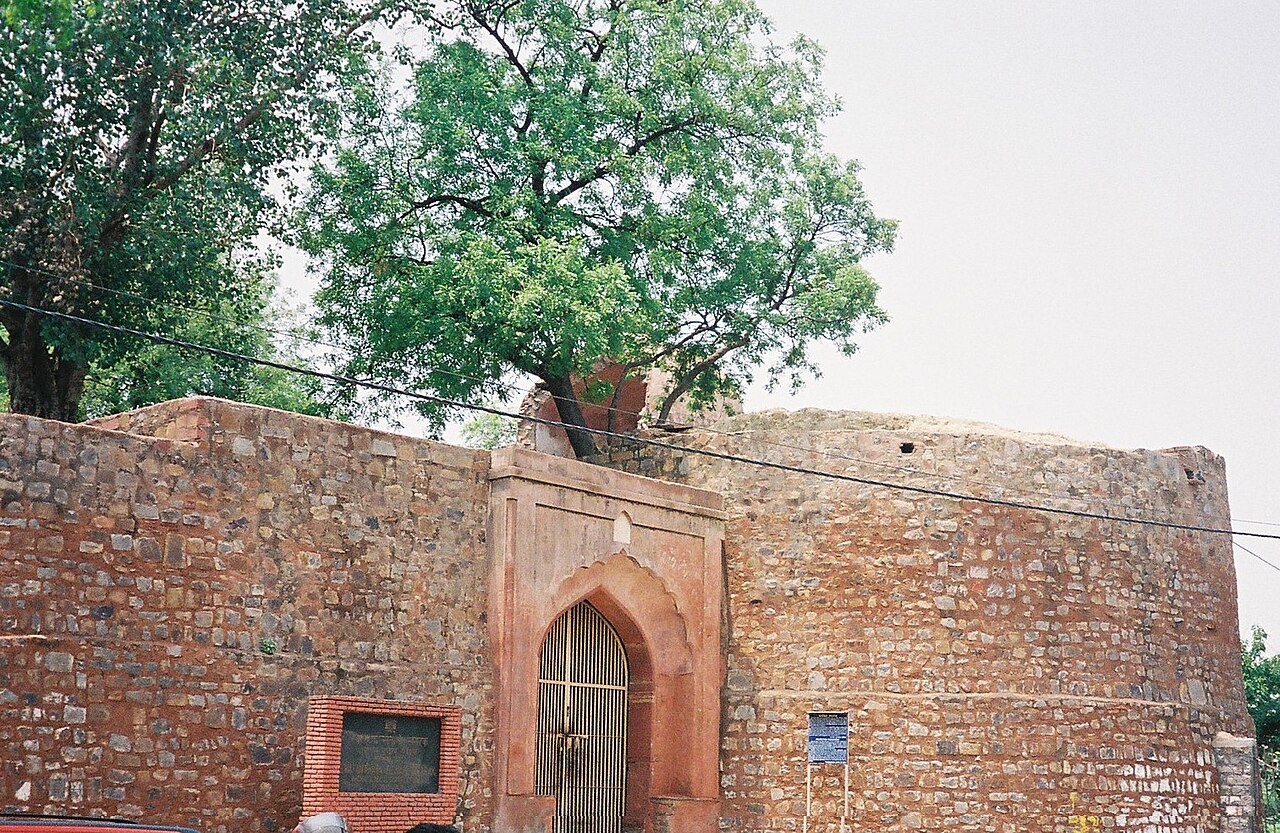
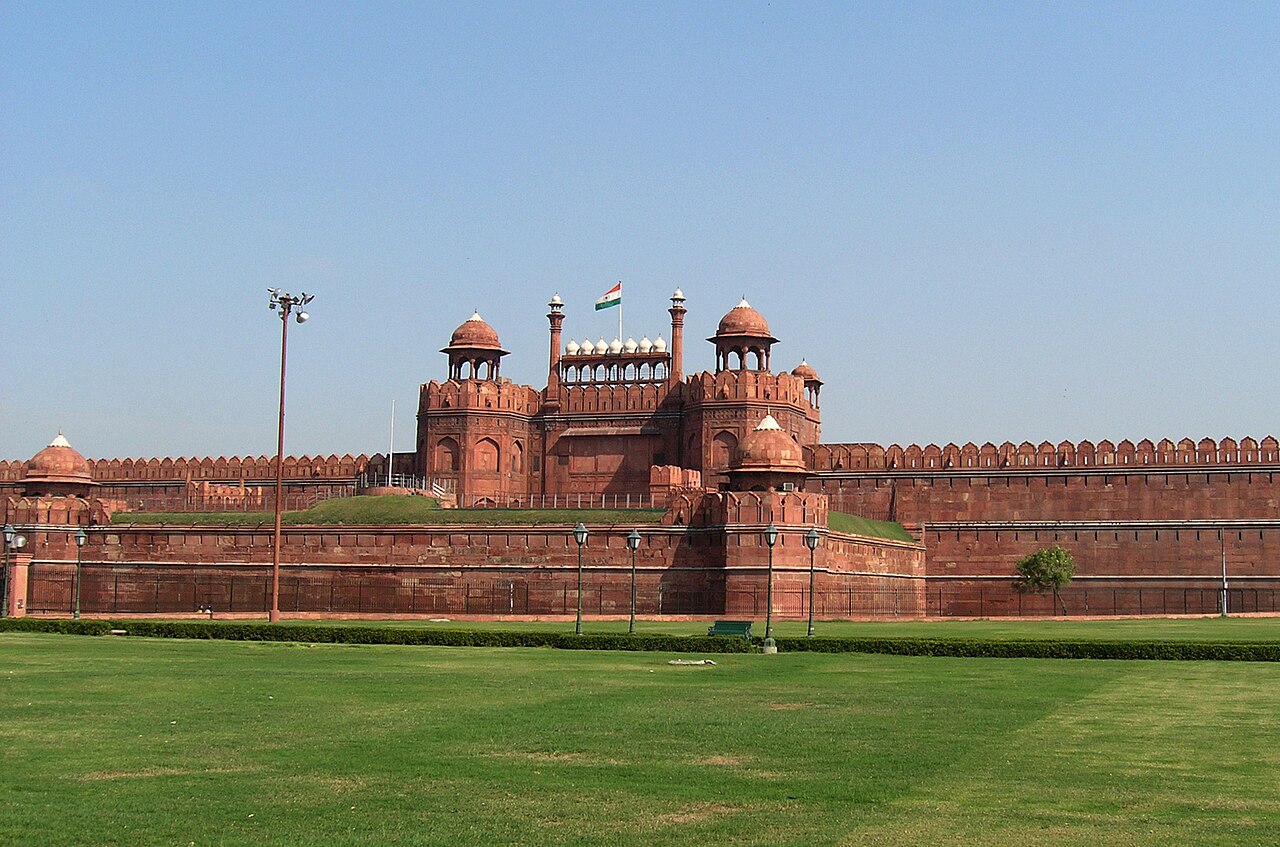
The city exemplifies the characteristics of a bastioned fortress with its massive defensive walls, bastions, and gates designed to protect the imperial capital from invasions and rebellions. Shahjahanabad's fortifications include a series of massive ramparts built with red sandstone, punctuated by imposing bastions and guarded by several monumental gates such as Lahori Gate, Delhi Gate, and Ajmeri Gate. These gates served both defensive and ceremonial purposes, allowing controlled access to the city.
Architectural features and urban layout
The design of Shahjahanabad reflects the Mughal architectural style prevalent during the 17th century, blending Islamic, Persian, and Indian influences. The city was planned with a fortified perimeter enclosing a densely built urban core. The walls, approximately 3.5 kilometers long, are topped with battlements and walkways for patrolling guards.
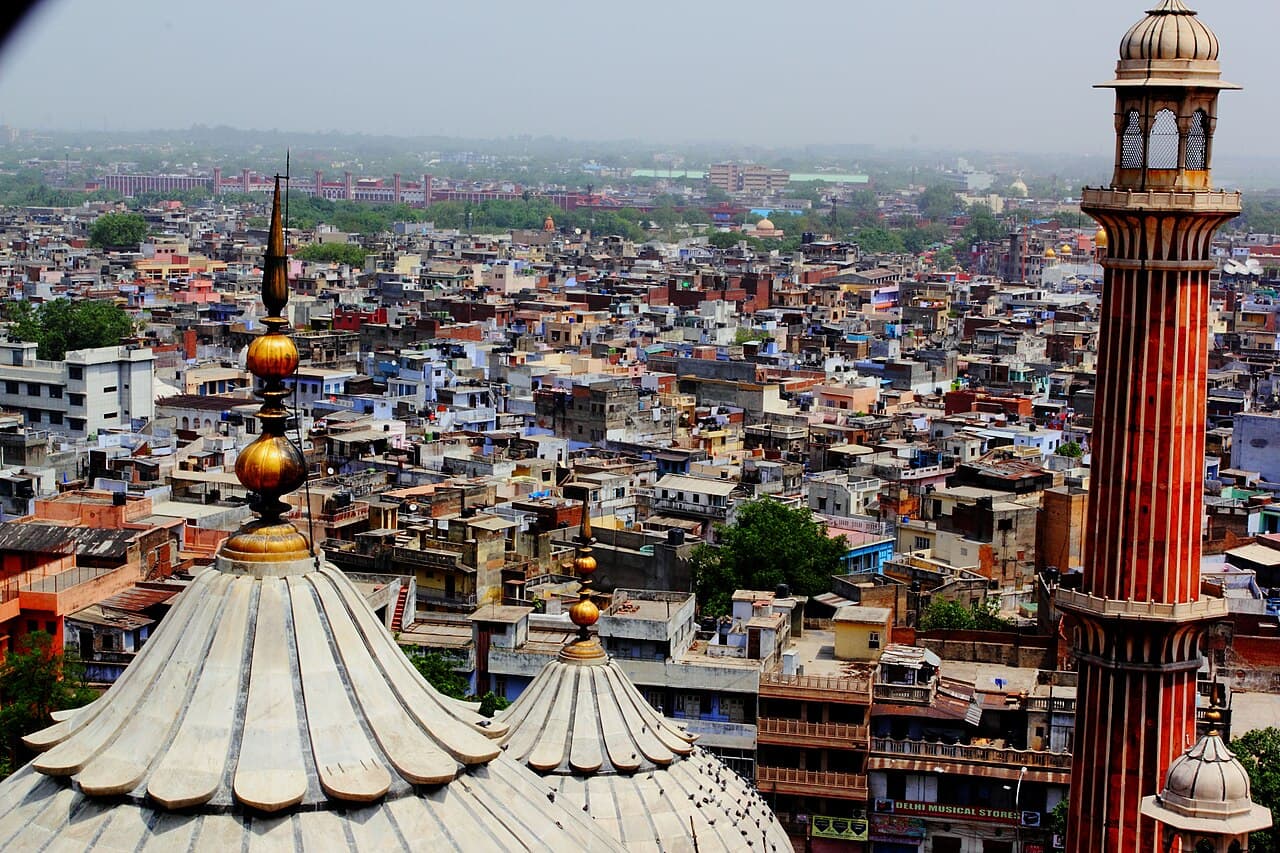
Within the walls lies a complex urban fabric consisting of narrow winding streets, bazaars, residential quarters, and significant public buildings. The most prominent architectural landmark is the Jama Masjid, one of the largest mosques in India, constructed by Shah Jahan between 1650 and 1656. The mosque features grand domes, minarets, and a vast courtyard capable of accommodating thousands of worshippers.
Other notable structures include the Red Fort (Lal Qila), which served as the imperial residence and administrative center. The Red Fort is a prime example of Mughal military architecture combined with palatial elements, featuring extensive gardens, audience halls, and private chambers.
Residential and commercial zones
Shahjahanabad was home to a diverse population including nobles, artisans, merchants, and common citizens. The city was divided into various neighborhoods, often organized by community or profession. Many havelis (traditional mansions) were constructed, though only a few remain today due to urban development and neglect.
The bustling bazaars of Old Delhi, such as Chandni Chowk, have existed since the city's founding and continue to be vibrant centers of trade and culture. These markets were integral to the city's economy and social life, offering goods ranging from textiles and spices to jewelry and crafts.
Historical significance and legacy
Shahjahanabad's establishment marked the zenith of Mughal urbanism and imperial power. It was the stage for many historical events, including the Indian Rebellion of 1857, which led to the end of Mughal rule and the beginning of British colonial dominance. The British subsequently shifted the capital to Calcutta and later established New Delhi as the new capital in the early 20th century.
Despite changes over centuries, Shahjahanabad remains a living heritage site, preserving the essence of Mughal architecture and urban culture. It continues to be a focal point for historians, architects, and tourists interested in India's rich past.
Conservation and modern administration
Today, Shahjahanabad is administered as part of the National Capital Territory of Delhi. The Shahjahanabad Redevelopment Corporation (SRDC) is the primary agency responsible for its conservation and redevelopment. Efforts focus on preserving the historic walls, gates, and monuments while accommodating the needs of a densely populated urban area.
Despite urban pressures, initiatives aim to maintain the cultural vibrancy of the area, including the protection of key landmarks like the Jama Masjid and the Red Fort, both designated UNESCO World Heritage Sites. The city's narrow streets and bazaars continue to attract visitors seeking to experience the historic ambiance and culinary heritage of Old Delhi.
Access and tourism
Old Delhi is accessible via multiple transport modes, including the Delhi Metro, with stations near key entrances like Chandni Chowk. Visitors can explore the city's architectural marvels, markets, and street food culture. Guided tours often include visits to the Red Fort, Jama Masjid, and the ancient city walls.
The best time to visit is during the cooler months from October to March, when the weather is more comfortable for walking and outdoor exploration.
Frequently asked questions (FAQ)
- What is the historical significance of Shahjahanabad?
- Shahjahanabad served as the Mughal Empire's capital from 1648 until 1857, witnessing key events like the Indian Rebellion of 1857 that ended Mughal rule.
- How can I visit Old Delhi's historic sites?
- Old Delhi is accessible via Delhi Metro and other transport. Key sites like the Red Fort and Jama Masjid are open to visitors with guided tours available.
- What architectural styles are prominent in Shahjahanabad?
- The city showcases Mughal architecture blending Islamic, Persian, and Indian influences, evident in structures like the Red Fort and Jama Masjid.
- When is the best time to visit Shahjahanabad?
- The cooler months from October to March offer comfortable weather for exploring the historic city and its outdoor attractions.
- Are there conservation efforts for Shahjahanabad?
- Yes, the Shahjahanabad Redevelopment Corporation works to preserve and redevelop the historic city, maintaining its cultural and architectural heritage.
Photo gallery

Information
Loading map...
Visitor reviews
No reviews yet. Been here? Write the first review and help other travelers!
Write the first reviewVisited this castle? Share your experience
Your review helps other travelers and adds first-hand knowledge to our encyclopedia.