Salasel Castle
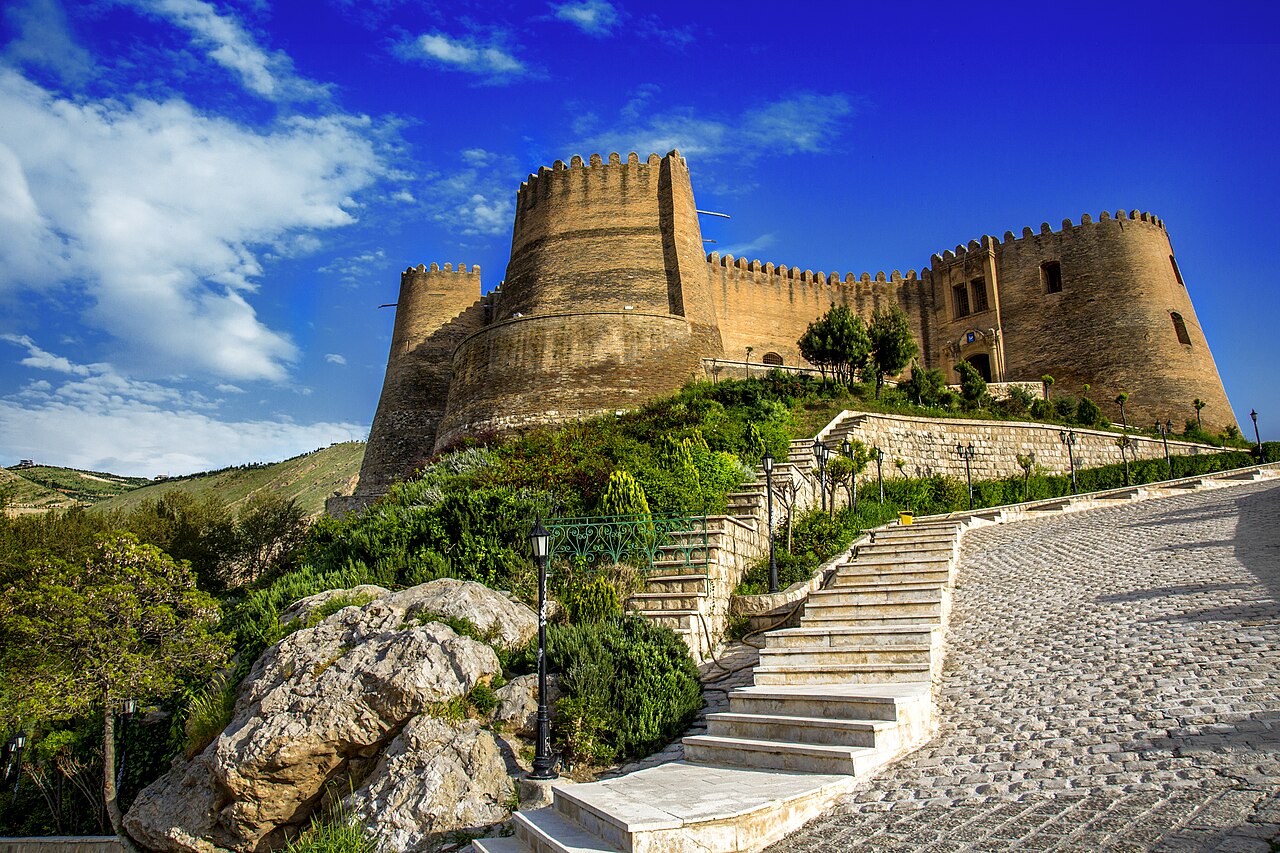
Salasel Castle stands as a remarkable testament to ancient Persian military architecture and hydraulic engineering, located in the historic city of Shushtar in Iran. Its origins trace back to the Achaemenid era, making it one of the enduring historical structures built by the ancient Persian civilization. The castle's strategic position atop a small mountainous plateau overlooking a branch of the Karun River called Shatit highlights its importance in controlling vital waterways and defending the region.
The fortress played a critical role throughout multiple historical periods, from its initial construction in the Achaemenid period to significant enhancements during the Sasanian era. These improvements included the erection of substantial defensive walls and towers, which protected the city-facing side of the castle and underscored its military relevance. Over centuries, Salasel Castle evolved into a multifunctional complex, serving both as a stronghold and a center of administration.
During the Achaemenid period, the castle was primarily designed to oversee and safeguard the Dariun canal, a crucial waterway that supported agricultural and urban needs in Shushtar. This canal was part of a sophisticated hydraulic system that managed water distribution across the Miānāb plain, enabling effective irrigation and flood control. The castle’s location allowed for control over this water system, emphasizing its dual role in military defense and resource management.
Architectural features and layout
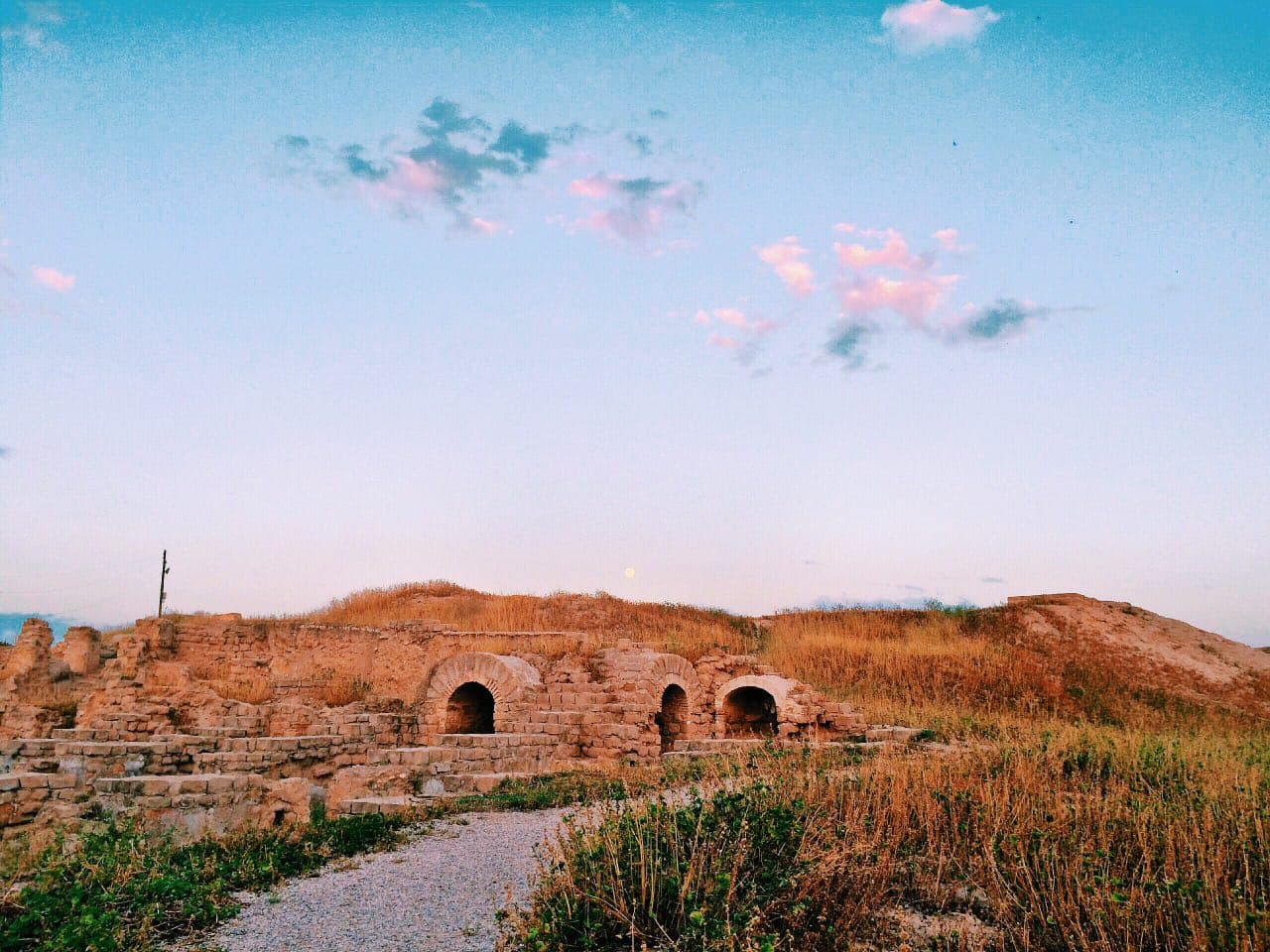
The fortress originally covered a large area on the plateau, featuring an intricate layout that included multiple courtyards and a variety of functional buildings. Archaeological remains reveal a complex network of underground chambers, storage spaces, and water channels that served both defensive and daily life purposes.
Defensive structures
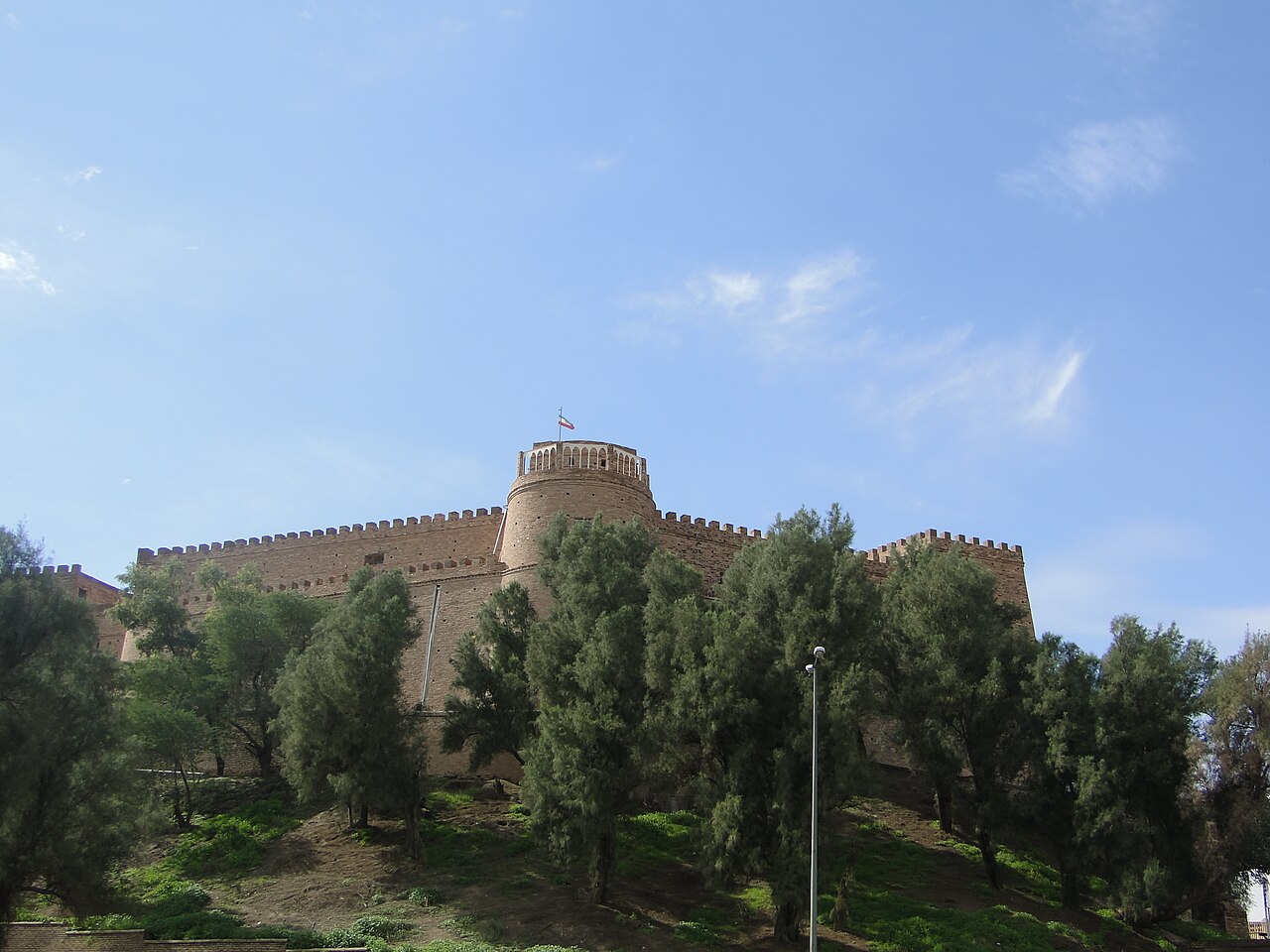
The defensive architecture of Salasel Castle is characterized by imposing walls and towers dating from the Sasanian era. These fortifications were designed to protect against invasions and to control access to the city. The fortress was surrounded by a moat, adding an extra layer of security. Multiple gates regulated entry and exit, reflecting the castle’s role as a military bastion.
Residential and functional buildings
The castle housed various buildings serving the needs of its inhabitants and garrison. There were barracks and stables for soldiers and horses, alongside bathhouses and night chambers that provided accommodations for extended stays. The presence of a gunpowder magazine (qurkhaneh) indicates the storage of military supplies, while a music pavilion (naqareh khaneh) suggests cultural activities within the fortress walls.
The residential quarters included a harem and kitchens, demonstrating the castle's function as the governor’s domicile and administrative center. These facilities supported the household and staff of the provincial governor, or vali, who resided there during the late Qajar period.
Historical significance and evolution
Salasel Castle's history reflects the broader political and military developments of the region. Initially constructed during the Achaemenid period, it was a key strategic point for controlling the Dariun canal and overseeing water management. During the Sasanian era, the castle was reinforced to maintain its military importance amid regional conflicts.
By the Qajar period, the castle had transitioned into an administrative hub, serving as the residence of the provincial governor of Khuzestan Province. This role continued until the mid-20th century, highlighting the fortress’s enduring relevance in governance and regional control.
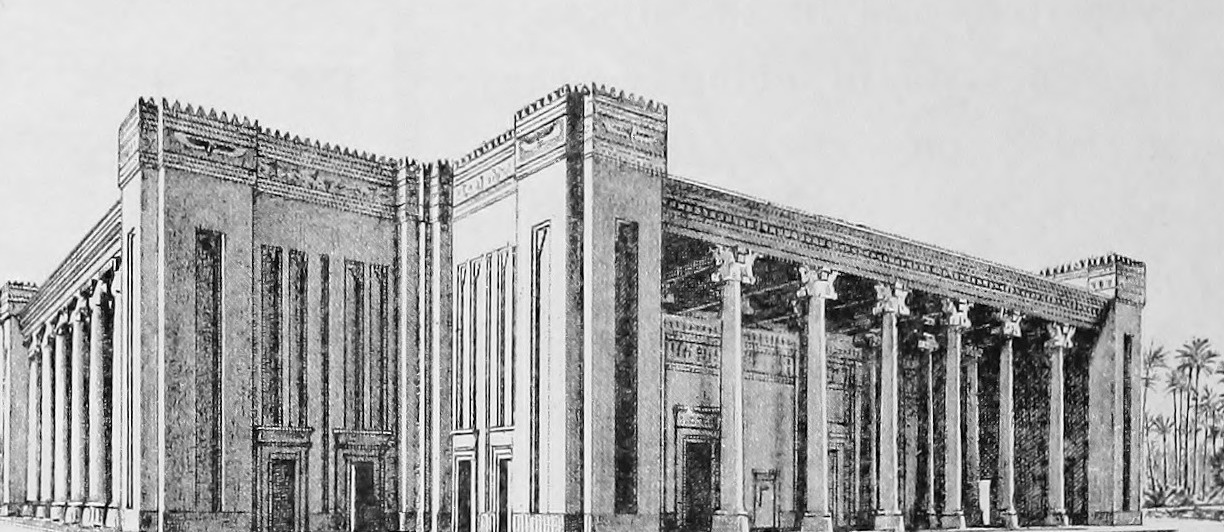
In 1881, the French archaeologist Madame Jean Dieulafoy documented the castle’s role and its impressive Sasanian fortifications. Her records provide valuable insights into the castle’s layout and historical context during that era.
Preservation and modern status
The 20th century brought significant challenges for Salasel Castle, including damage from neglect and human activities during the early Pahlavi dynasty. Despite deterioration, the castle was recognized as an Iranian national heritage site in 1975, ensuring legal protection and acknowledgment of its cultural value.
Internationally, Salasel Castle gained further recognition in 2009 when it was inscribed on the UNESCO World Heritage List as part of the Shushtar Historical Hydraulic System. This designation highlights the castle’s integral role within an ancient complex of water management and engineering, showcasing Persian ingenuity.
Today, much of the above-ground structure lies in ruins, with only underground rooms and storage cellars (shavadan) largely intact. The Dariun tunnels, essential to the hydraulic system, remain a significant feature that connects the castle to the broader water infrastructure of Shushtar.
A portion of the site has been repurposed as a stone museum, exhibiting inscriptions, tombstones, stone artifacts, and pottery recovered from the castle's long history. These collections provide tangible links to the diverse functions and inhabitants of the fortress.
Photographic documentation from the late 19th century and detailed archaeological maps preserve knowledge of the castle’s original layout and architectural significance. These resources support ongoing research and conservation efforts aimed at protecting this unique cultural landmark.
Salasel Castle within the Shushtar hydraulic complex
Salasel Castle is a pivotal component of the Shushtar Historical Hydraulic System, an ancient network of dams, canals, tunnels, and watermills that exemplify early engineering mastery. The castle’s strategic position allowed it to oversee and control water flow, which was essential for irrigation, urban water supply, and flood management.
This integration of military architecture with hydraulic infrastructure is a rare example of multifunctional design in ancient fortresses. The castle not only served as a defensive stronghold but also as a center for managing one of the most sophisticated water systems of its time.
Engineering and water management
The Dariun canal and its associated tunnels, controlled from Salasel Castle, were vital for distributing water across the Miānāb plain. This system supported agriculture and sustained the local population, demonstrating advanced knowledge of hydraulics in ancient Persia.
The underground chambers and water channels within the castle reveal a complex approach to water storage and regulation, ensuring the fortress could maintain supplies during sieges or droughts.
Visiting Salasel Castle
Visitors to Salasel Castle can explore the remnants of this ancient fortress and its underground structures, gaining insight into Persian military architecture and hydraulic engineering. The stone museum offers a unique opportunity to view artifacts and inscriptions that illuminate the site’s rich history.
As part of the UNESCO World Heritage site, the castle is recognized for its cultural significance and attracts scholars and tourists interested in ancient engineering and Persian heritage.
Frequently asked questions (FAQ)
- When was Salasel Castle originally built?
- Salasel Castle dates back to the Achaemenid period, making it one of the oldest fortresses in the region.
- What role did Salasel Castle play in water management?
- The castle was integral to controlling the Dariun canal, part of the Shushtar Historical Hydraulic System, overseeing water distribution for agriculture and urban use.
- Can visitors explore underground chambers at Salasel Castle?
- Yes, visitors can explore the remaining underground rooms and storage cellars, which provide insight into the castle’s multifaceted use and hydraulic functions.
- Is Salasel Castle recognized by UNESCO?
- Yes, Salasel Castle is part of the Shushtar Historical Hydraulic System, which was inscribed as a UNESCO World Heritage site in 2009.
- What remains of Salasel Castle today?
- Most above-ground structures are in ruins, but underground chambers, water channels, and a stone museum with artifacts remain accessible.
Photo gallery

Information
Current owner
Iranian cultural heritage organization
Loading map...
Visitor reviews
No reviews yet. Been here? Write the first review and help other travelers!
Write the first reviewVisited this castle? Share your experience
Your review helps other travelers and adds first-hand knowledge to our encyclopedia.