Shush Castle
Shush Castle, located in the city of Shush in Iran, stands as a remarkable testament to the intersection of ancient history and modern archaeological endeavor. Constructed in 1897 by the French archaeologist Jean-Marie Jacques de Morgan, the castle was built on a raised mound adjacent to the ancient city of Susa, one of the oldest known cities and a former capital of the Elamite civilization. This strategic location situates the castle within a landscape rich with millennia of historical significance, bridging the ancient and modern worlds.
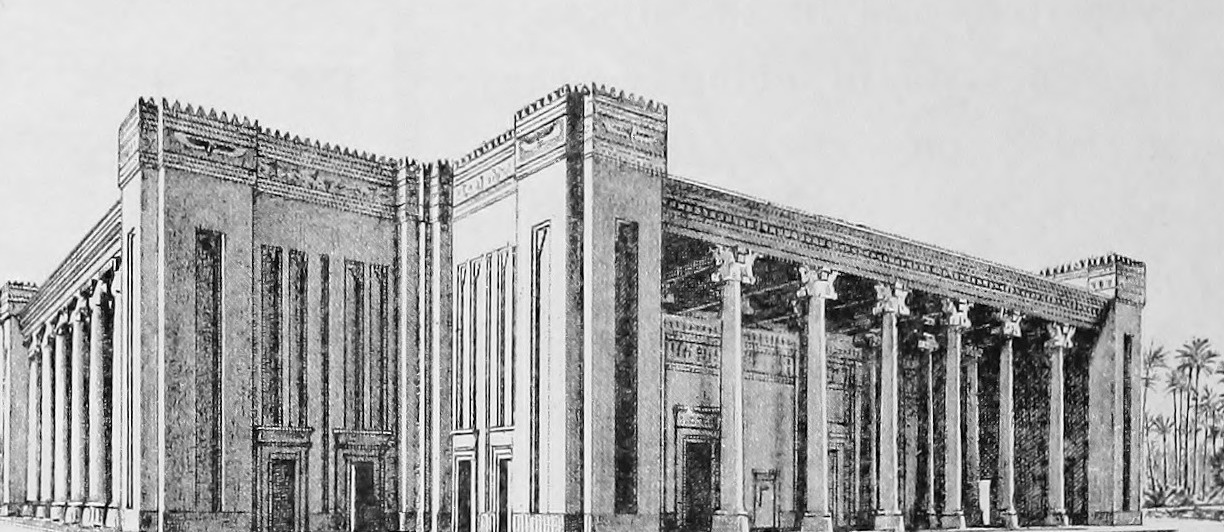
Originally serving as a residence and headquarters for French archaeological teams, Shush Castle played a central role in the excavation and study of the surrounding ancient sites, including the famed tomb believed to belong to the prophet Daniel. The castle's construction utilized bricks salvaged from nearby ruins, notably from the Achaemenid palace of Darius (the Apadana) and the Elamite ziggurat of Chogha Zanbil. Some of these bricks bear cuneiform inscriptions, embedding the castle physically and symbolically within the ancient heritage of the region.
Architectural design and features
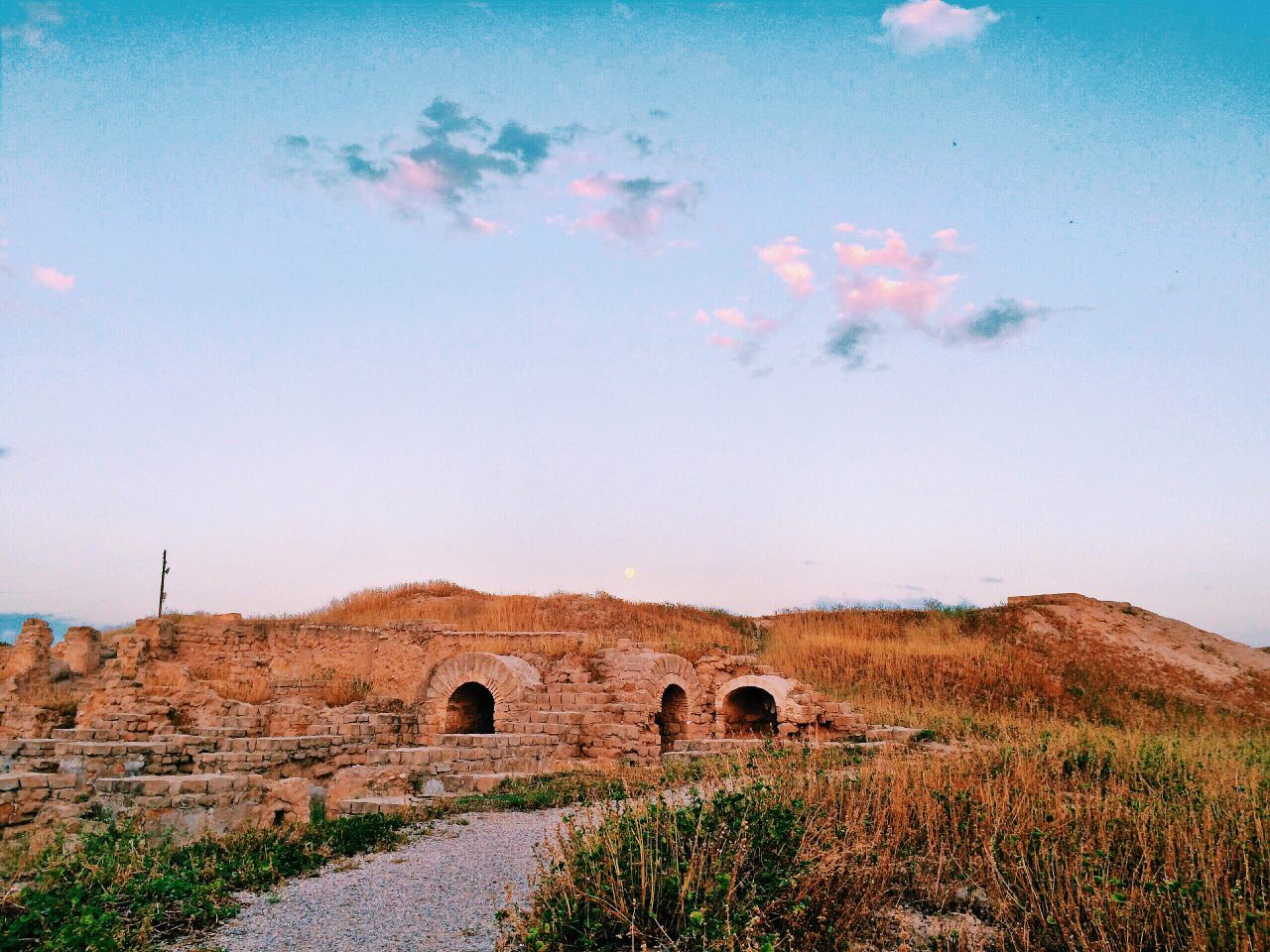
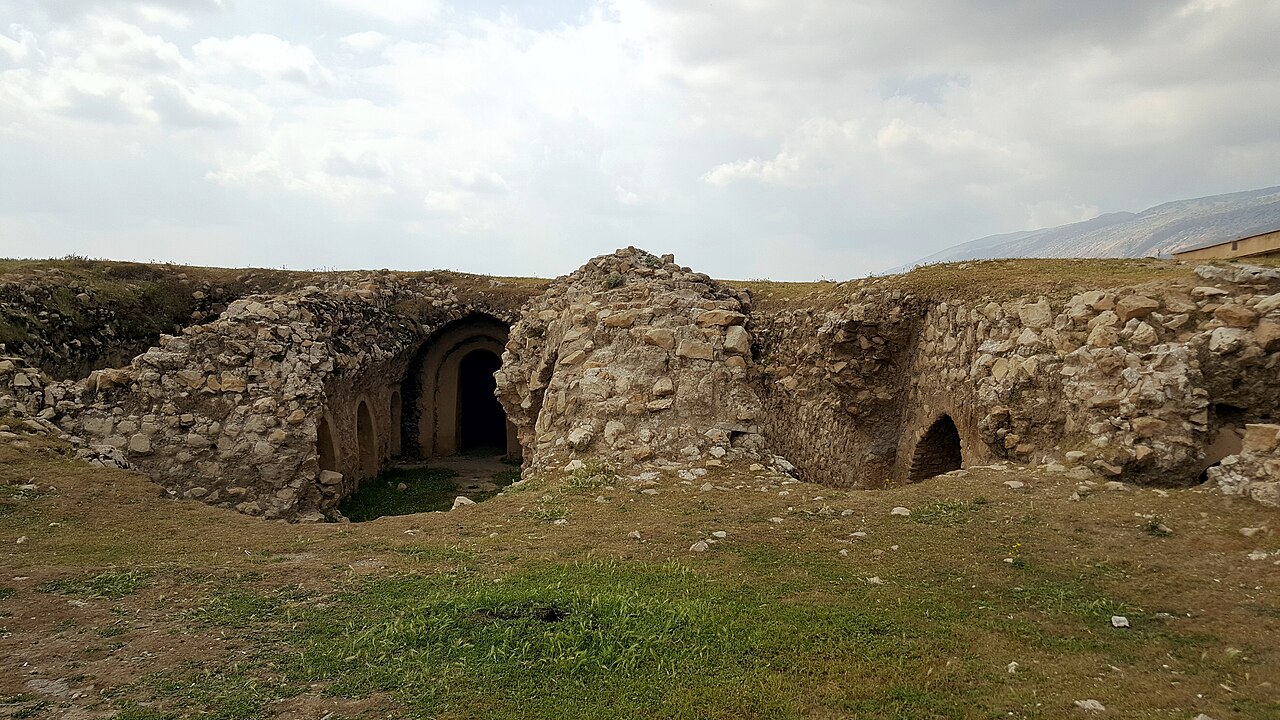
The castle exhibits a trapezoidal ground plan with the shorter side oriented northward. Its layout centers around two main courtyards connected by corridors and numerous rooms, reflecting a thoughtful multi-level design. The second courtyard is elevated above the first and includes two vaulted halls beneath, showcasing an advanced use of space and structural engineering for its time.
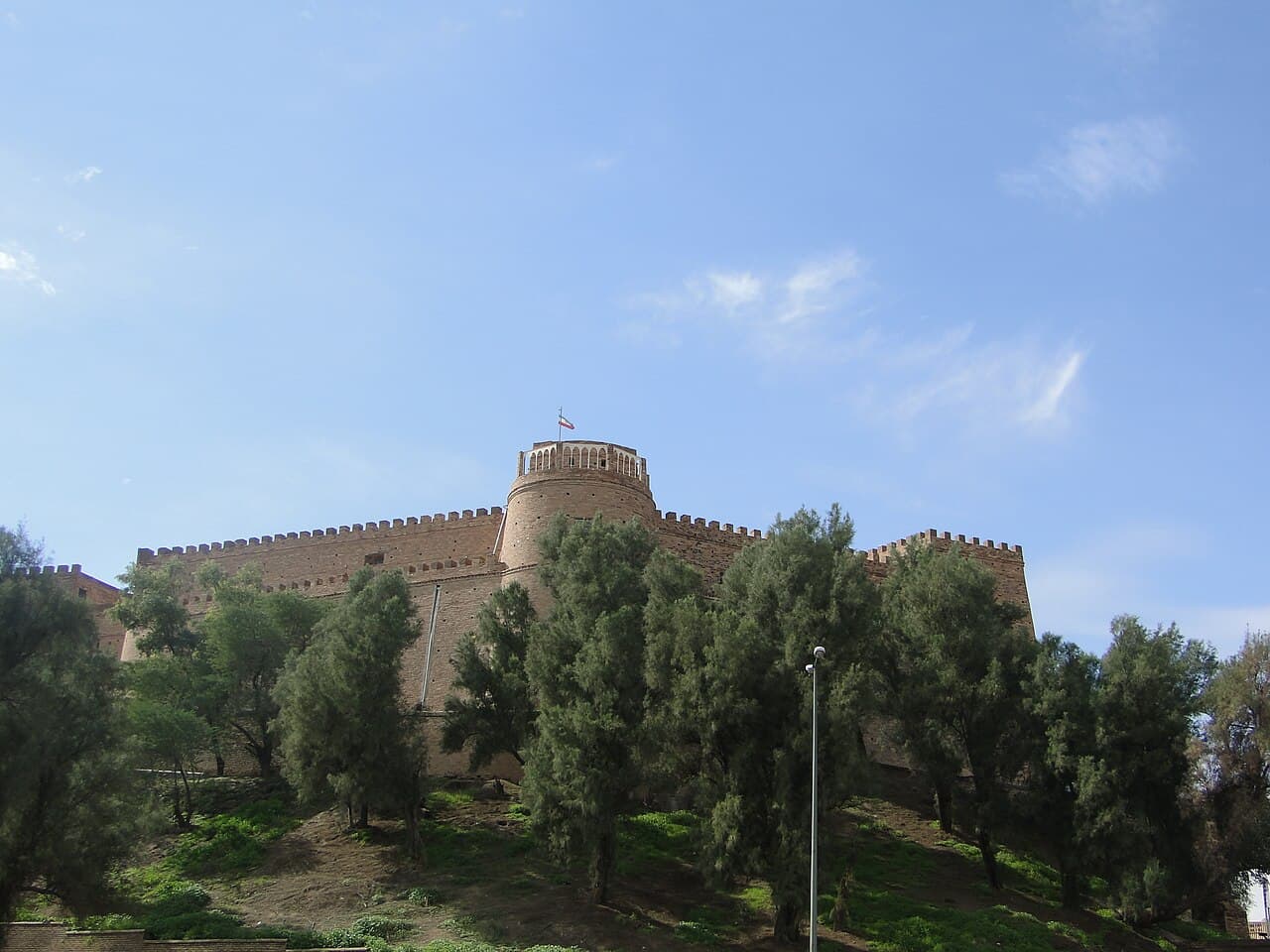
The design of shush castle draws heavily on medieval european fortress architecture, featuring multiple towers, courtyards, and galleries that combine defensive and residential functions. Notably, the castle includes a distinctive small glass room known locally as the "European hat", a stylistic element uncommon in Iranian architecture. On the western side is a cylindrical tower that once served as a dovecote, while the northern section contains two towers: a square northwest tower and a circular northeast tower. A central tower within the courtyard further enhances the fortress's imposing silhouette.
Constructed largely from reclaimed bricks, the castle’s walls incorporate materials from ancient ruins, linking it materially to the archaic civilizations of the region. This reuse of historic bricks not only provided practical building materials but also symbolized the continuity of cultural heritage.
Historical context and significance
Shush Castle was built during the late 19th century, a period marked by significant European archaeological interest in the Middle East. The castle served as the French archaeological mission's base, facilitating extensive excavations around Susa, a city with a history stretching back to the Elamite period and later prominence under the Achaemenid Empire.
Following the Iranian Revolution of 1979, control of the castle transferred from the French government to the Islamic Republic of Iran. This transition marked a shift in the castle’s role from a foreign archaeological outpost to a national cultural heritage site. The castle was repurposed as a museum, emphasizing preservation and public education about the region’s rich history.
During the Iran–Iraq War, the castle suffered considerable damage from Iraqi bombing raids. Subsequent restoration efforts focused on repairing and stabilizing the structure, preserving its unique blend of European and ancient architectural elements. In 1994, following diplomatic negotiations, artifacts and documents related to the castle were returned to Iran by France, further solidifying Iran’s stewardship and cultural ownership of the site.
Restoration and current status
Today, Shush Castle stands in a well-preserved condition, showcasing a rare architectural fusion that reflects both its European design influences and its deep connection to the ancient ruins of Susa. The castle remains a vital cultural landmark, attracting visitors interested in archaeology, history, and architecture.
The castle is accessible via a paved street connecting it to the modern city of Shush, highlighting its historical function as a lookout and center for archaeological work. Restoration efforts have maintained the integrity of its brick walls, vaulted halls, and multiple towers, ensuring that its unique character endures.
Architectural significance
Shush Castle’s use of bricks from ancient sites such as the Apadana palace and Chogha Zanbil ziggurat is particularly noteworthy. This practice of material reuse not only provided structural resources but also created a tangible link between the castle and the ancient civilizations that once thrived in the region. The presence of cuneiform inscriptions on some bricks adds an additional layer of historical depth.
The castle’s layout, featuring two interconnected courtyards at different levels, vaulted halls, and a combination of square and circular towers, reflects a sophisticated architectural approach that balanced defensive needs with residential comfort. The inclusion of a dovecote tower also indicates attention to practical aspects of castle life.
Cultural and archaeological importance
Shush Castle serves as a physical reminder of the intense archaeological activity that has shaped our understanding of ancient Mesopotamian and Elamite cultures. It stands as a monument to the collaboration between European archaeologists and Iranian heritage, embodying the complexities of cultural exchange and preservation.
The castle’s museum function today helps educate visitors about the rich history of Susa and the broader region, making it an essential stop for those interested in ancient history and archaeology.
Visiting shush castle
Visitors to Shush Castle can explore its unique architecture and learn about the archaeological discoveries made in the surrounding area. The castle’s elevated position offers views over the plains where ancient Susa once flourished, providing a tangible connection to the past.
While specific visiting hours and ticket prices may vary, the castle is generally accessible to the public and serves as an educational site emphasizing Iran’s rich cultural heritage.
Frequently asked questions (FAQ)
- What is the historical significance of Shush Castle?
- Shush Castle, also known as the Citadel of Shush, is a significant ancient fortress that dates back to the Achaemenid Empire. It served as a strategic military stronghold and reflects the rich history and culture of the region, showcasing the architectural ingenuity of ancient Persia.
- When was Shush Castle built?
- Shush Castle was originally constructed in the 12th century, with some parts of the structure believed to date back even earlier. Throughout the centuries, it has undergone various renovations and restorations, highlighting its importance in the historical narrative of Iran.
- Can I visit Shush Castle year-round?
- Yes, Shush Castle is open to visitors throughout the year, offering a glimpse into its historical grandeur. However, it's recommended to check local conditions and any seasonal events that might affect access, particularly during the winter months.
- What are the opening hours for Shush Castle?
- Shush Castle typically opens to visitors from 8 AM to 5 PM daily. It is advisable to verify the current opening hours before your visit, as they may vary due to holidays or special events.
- Is it possible to get guided tours of Shush Castle?
- Yes, guided tours are available at Shush Castle, providing visitors with in-depth knowledge about its history and architecture. These tours can enhance your experience by offering insights that you might miss when exploring on your own.
- What is the best time to visit Shush Castle?
- The best time to visit Shush Castle is during the spring and fall when the weather is mild and pleasant. These seasons offer comfortable temperatures for exploring the castle and enjoying the surrounding area.
- Are there any nearby attractions to visit when I'm at Shush Castle?
- Yes, nearby attractions include the ancient ruins of the city of Susa and the Tomb of Daniel, both of which are rich in history and cultural significance. Visiting these sites can provide a fuller experience of the region's heritage.
- How much are the ticket prices for Shush Castle?
- Ticket prices for Shush Castle are quite affordable, typically costing around 50,000 IRR for adults. Discounts may be available for students and children, making it accessible for families and groups.
- How do I get to Shush Castle from the nearest city?
- Shush Castle is easily accessible from the city of Ahvaz, located approximately 130 kilometers away. Visitors can take a bus or hire a taxi, which offers a scenic route through the beautiful landscapes of Khuzestan province.
Photo gallery

Information
Loading map...
Visitor reviews
No reviews yet. Been here? Write the first review and help other travelers!
Write the first reviewVisited this castle? Share your experience
Your review helps other travelers and adds first-hand knowledge to our encyclopedia.