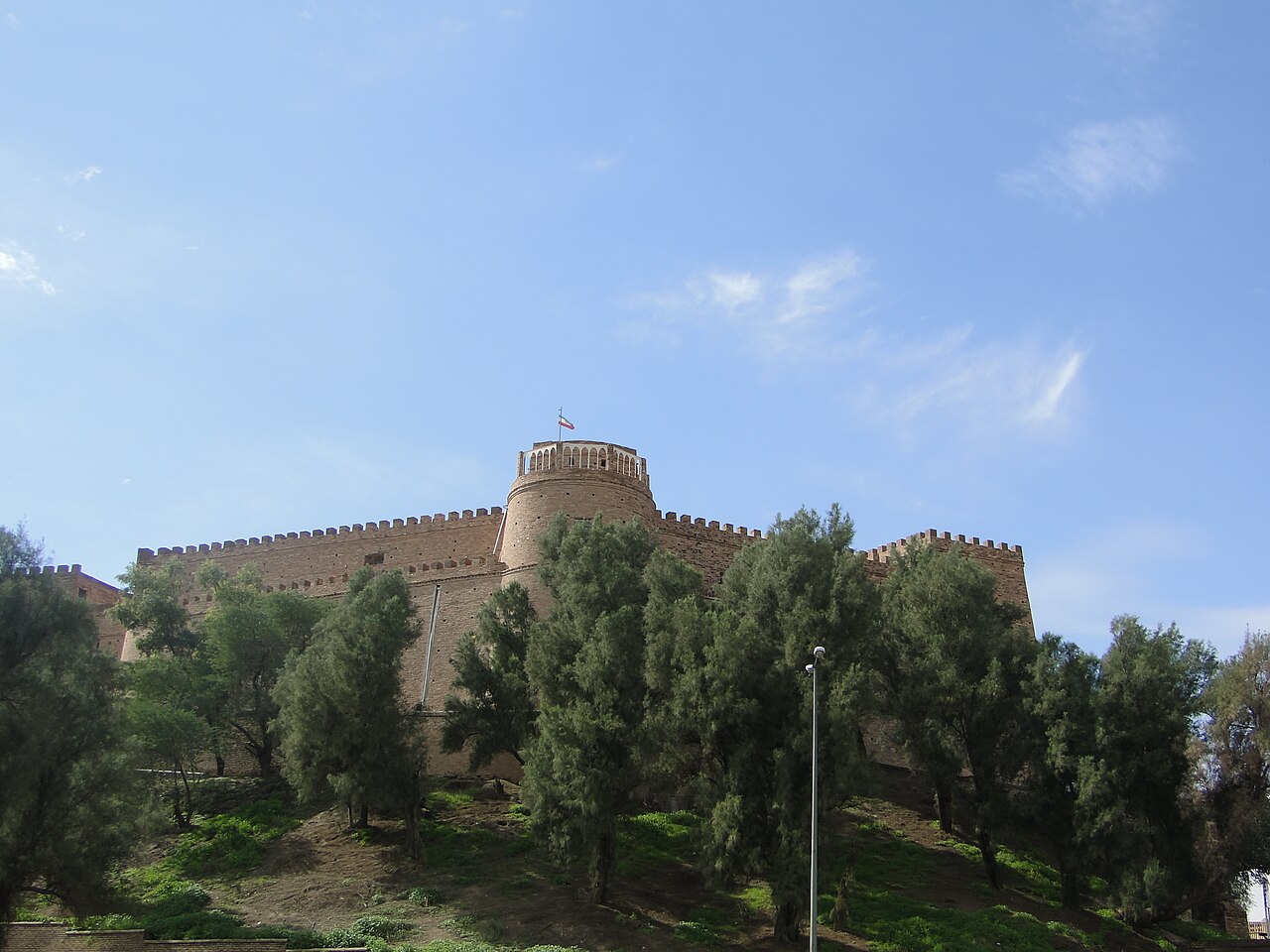
The Palace of Darius in Susa represents a significant architectural and historical monument of the Achaemenid Empire, located in the ancient city of Susa, in present-day Iran. Built during the reign of Darius I (522–486 BCE), this palace complex was a major imperial residence and administrative center, constructed contemporaneously with the more famous Persepolis. The palace was part of a broader effort by Darius I to consolidate his rule and symbolize the vast reach and power of the Achaemenid dynasty through monumental architecture.
Historical context and significance
Susa was one of the oldest and most important cities of the ancient Near East, serving as a political and cultural hub for various empires before the Achaemenids. Under Darius I, it became a key administrative capital of the empire, with the palace complex reflecting the empire's wealth and diversity. The construction of the palace began shortly after Darius ascended to the throne, utilizing labor and materials sourced from across the vast territories of the empire, including regions as far as Egypt, Anatolia, and the Indus Valley. This multinational workforce and resource pool underscored the empire's extensive control and facilitated the blending of artistic and architectural traditions.
Architectural features and layout
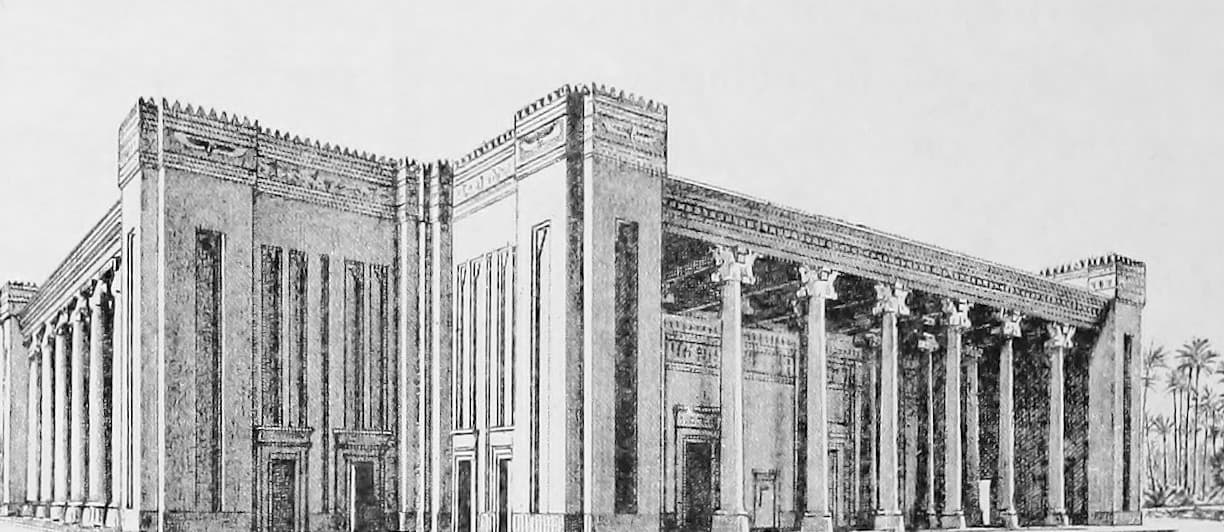
The palace complex was designed with a combination of monumental scale and intricate detail, characteristic of Achaemenid architecture. It featured large audience halls, administrative offices, residential quarters, and extensive courtyards. The use of massive stone columns with elaborate capitals, often decorated with motifs such as bulls and lions, was a hallmark of the design, reflecting influences from Mesopotamian, Elamite, and Median architectural traditions.
The complex was arranged to project imperial authority and facilitate governance, with a layout that included ceremonial spaces for receptions and tribute-bearing delegations. The palace's walls and columns were adorned with reliefs and inscriptions in Old Persian cuneiform, celebrating the king's achievements and divine right to rule. These artistic elements provide valuable insights into the political ideology and cultural values of the Achaemenid period.
Construction materials and techniques
The palace was constructed primarily from locally quarried stone and baked bricks, with wooden beams used in roofing. The skillful craftsmanship is evident in the finely carved reliefs and the precision of the stone masonry. The scale of the construction required sophisticated engineering solutions to support the vast roof spans and the weight of the stone elements.
Destruction, restoration, and current state
The palace suffered significant damage during the conquest of Alexander the Great in the late 4th century BCE. Historical accounts and archaeological evidence indicate that the complex was set on fire, leading to extensive destruction. Although parts of the palace were later partially restored during subsequent periods, much of the original structure has been lost to time.
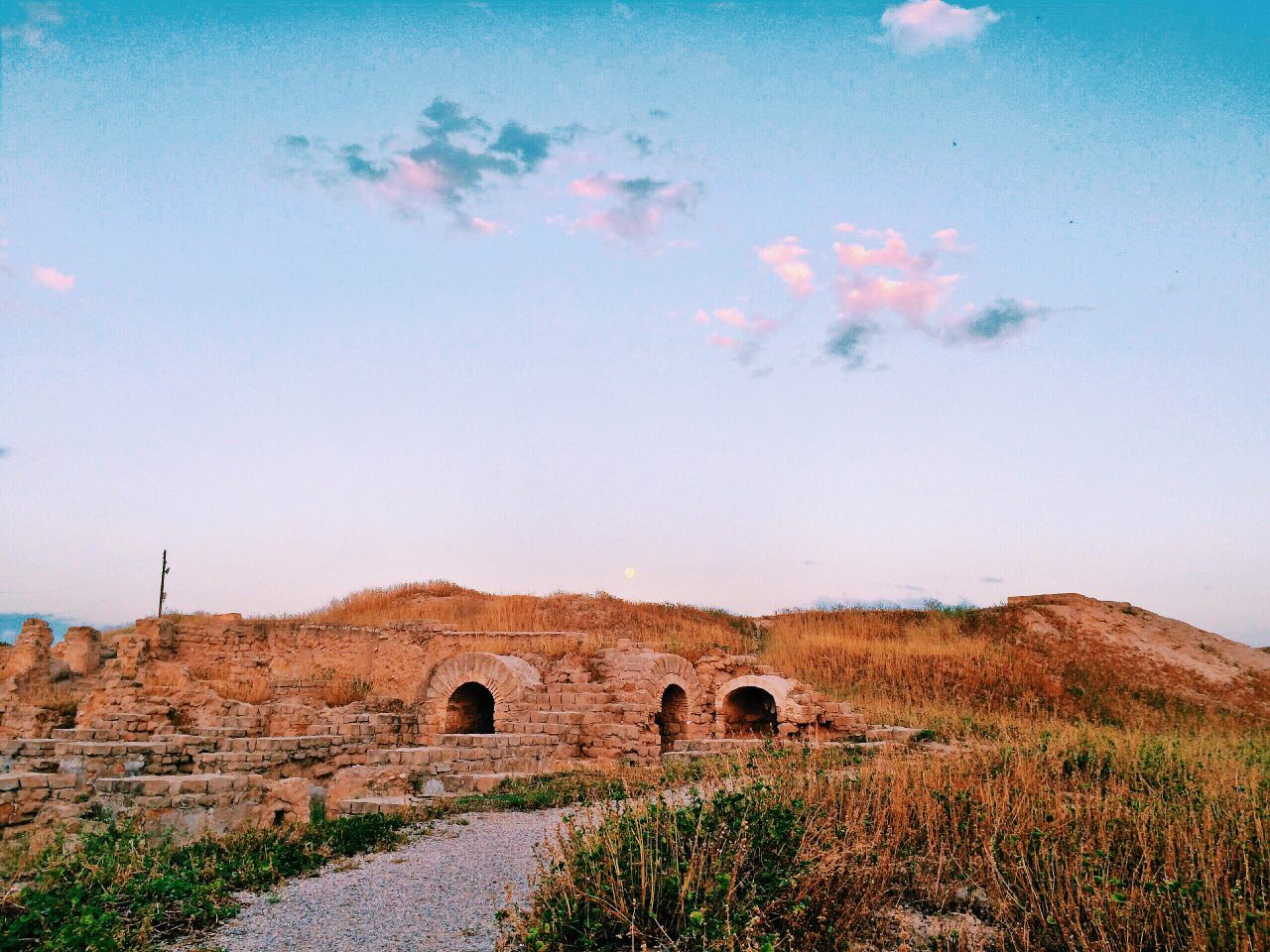
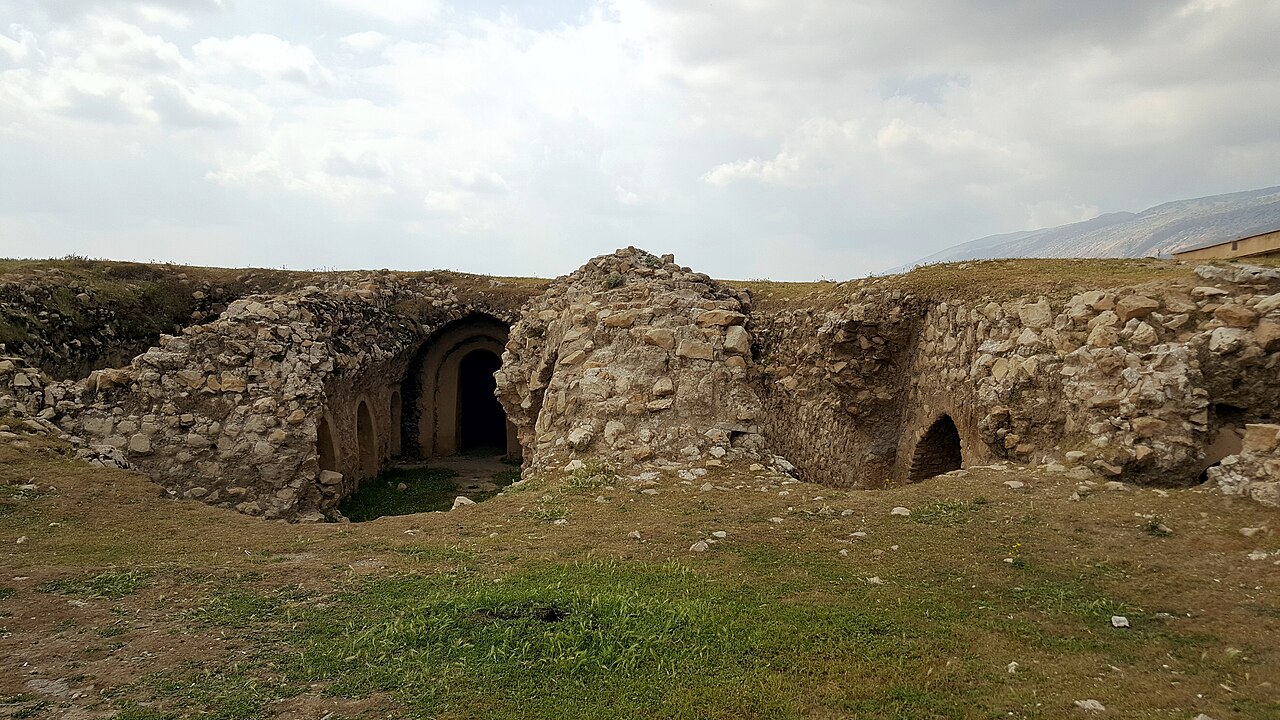
Today, the site exists as an archaeological ruin, with remnants of walls, columns, and relief fragments visible. Excavations have revealed the palace's foundations and some architectural elements, allowing researchers to reconstruct aspects of its original appearance and function. The ruins are part of the larger archaeological area of Susa, which continues to be a focus of scholarly study and preservation efforts.
Legacy and cultural importance
The Palace of Darius in Susa is a crucial link to understanding the Achaemenid Empire's administrative sophistication and artistic achievements. It exemplifies the empire's ability to integrate diverse cultural influences into a coherent imperial style. The site contributes to the broader narrative of ancient Persian history and is recognized for its role in the development of early imperial architecture.
As an archaeological site, it attracts historians, archaeologists, and visitors interested in the ancient world, offering a tangible connection to one of history's most influential empires. Preservation of the ruins and ongoing research continue to shed light on the complexities of Achaemenid rule and the architectural innovations of the period.
Frequently asked questions (FAQ)
- What is the historical significance of the Palace of Darius in Susa?
- The Palace of Darius, built in the 5th century BCE, was one of the most important architectural achievements of the Achaemenid Empire. It served as a ceremonial center and royal residence, reflecting the grandeur of Persian civilization and its administrative power in ancient times.
- When was the Palace of Darius constructed?
- Construction of the Palace of Darius began around 518 BCE during the reign of Darius I and was part of the larger complex of the ancient city of Susa. The palace was designed to showcase the empire's wealth and artistic achievements, making it a significant historical landmark.
- What are the opening hours for the Palace of Darius?
- The Palace of Darius is typically open to visitors from 8:00 AM to 5:00 PM, but hours may vary depending on the season and local holidays. It is advisable to check for any updates or changes in operating hours before planning your visit.
- Can I take photos inside the Palace of Darius?
- Photography is generally allowed in the outdoor areas of the Palace of Darius, but restrictions may apply in certain sections. Be sure to respect any posted signs and guidelines to ensure the preservation of this historic site.
- Is the Palace of Darius accessible for visitors with disabilities?
- While the Palace of Darius is an ancient site with some uneven terrain, efforts have been made to improve accessibility for visitors with disabilities. It is recommended to contact local authorities or visitor services ahead of your visit for specific accommodations.
- What is the best time to visit the Palace of Darius?
- The best time to visit the Palace of Darius is during the spring (March to May) and fall (September to November) when the weather is mild and pleasant. These seasons provide an ideal environment for exploring the rich history and stunning architecture of the site.
- Are there any nearby attractions to visit when I go to the Palace of Darius?
- Yes, nearby attractions include the ancient ruins of the Apadana Palace and the archaeological site of Susa, which offers further insights into Persian history. Exploring these sites can enrich your understanding of the region's cultural heritage.
- What are the ticket prices for visiting the Palace of Darius?
- Ticket prices for the Palace of Darius are generally affordable, with discounts often available for students and children. It is advisable to check the official website or local tourism information for the most current pricing before your visit.
Photo gallery

Information
Loading map...
Visitor reviews
No reviews yet. Been here? Write the first review and help other travelers!
Write the first reviewVisited this castle? Share your experience
Your review helps other travelers and adds first-hand knowledge to our encyclopedia.