Salacgriva Castle Ruins
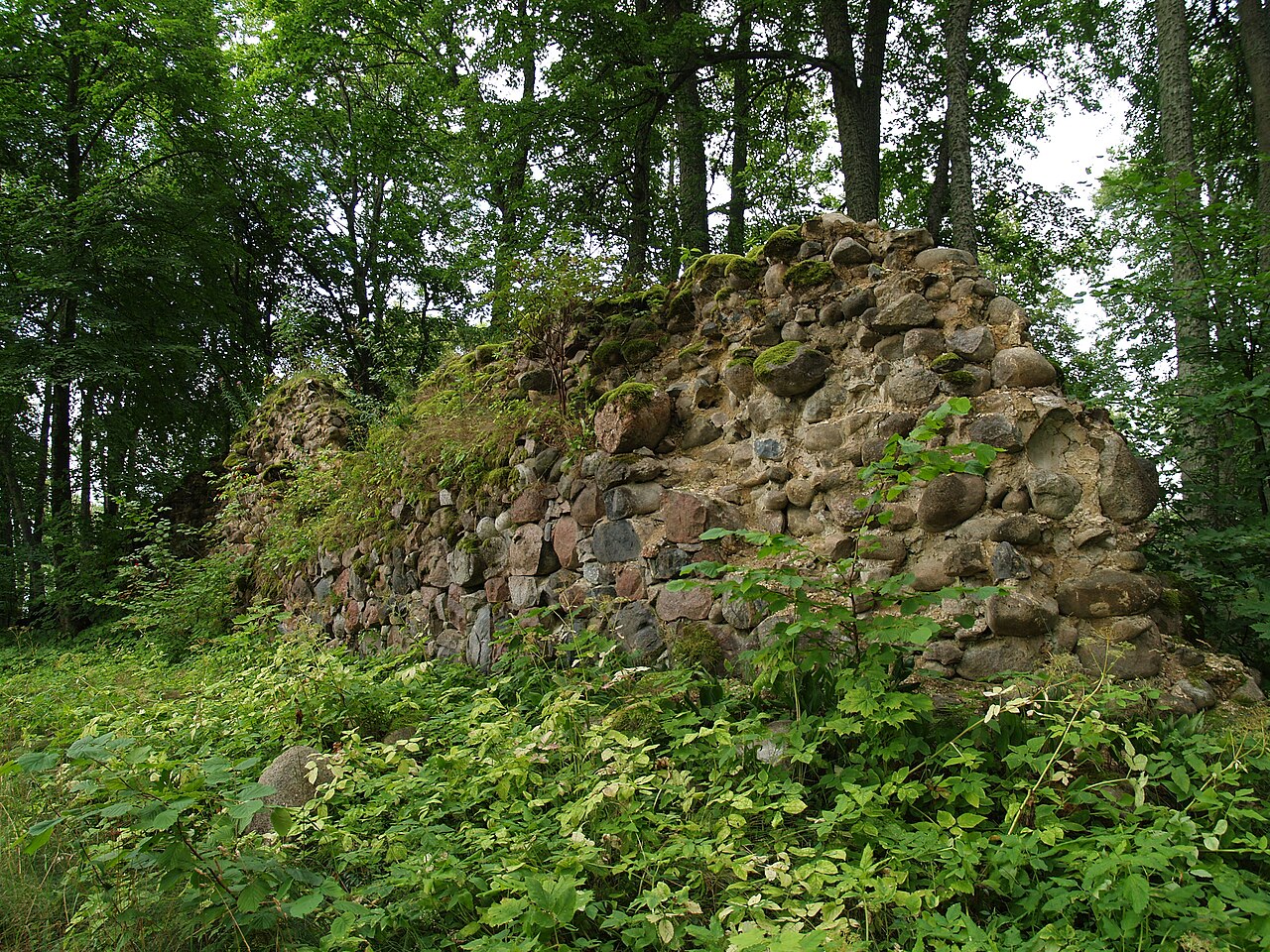
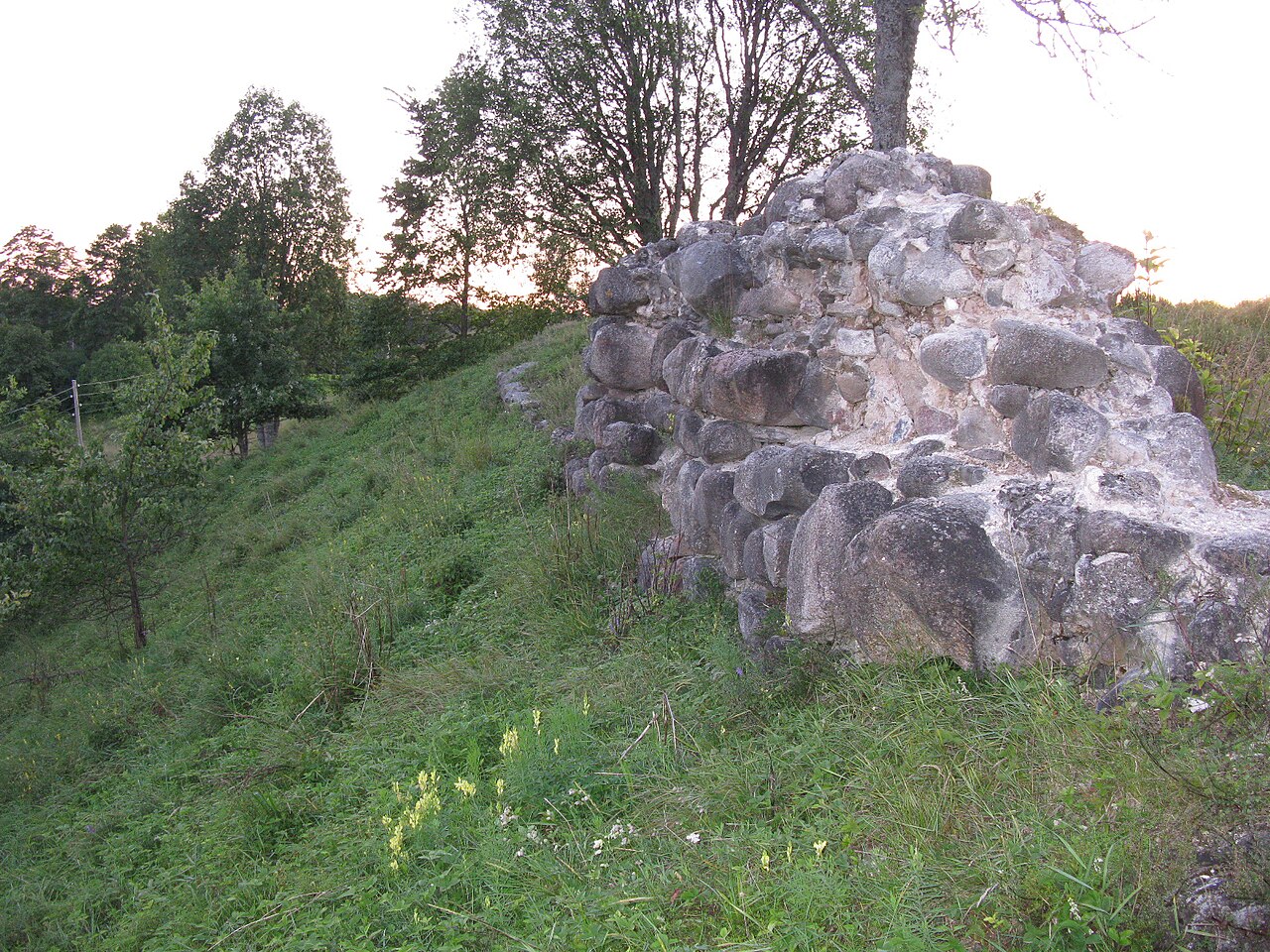
Salacgrīva castle ruins stand as a historical monument on the right bank of the Salaca river in the Vidzeme region of northern Latvia. Constructed in 1226 by the Bishopric of Riga, this high medieval bastioned fortress was strategically positioned to oversee and control access to the vital port of Salaca. Its location at the river's mouth—reflected in the name 'Salacgrīva,' meaning 'mouth of Salaca'—made it a significant defensive and commercial outpost during the medieval period.
Medieval construction and strategic importance
The castle's original design featured a distinctive three-tower layout, typical of early 13th-century fortifications in the Baltic region. These towers formed a triangular defensive arrangement that maximized surveillance and defense capabilities over the river and surrounding lands. Built primarily from local stone and timber, the fortress was equipped with bastions—projecting structures that allowed defenders to cover adjacent walls with crossfire, a relatively advanced feature for its time in the region.
As an outpost of the Bishopric of Riga, Salacgrīva castle played a crucial role in securing the bishopric’s northern frontier. It controlled maritime traffic and protected the trade routes crucial for the economic prosperity of the area. The fortress also served as a military base for operations during regional conflicts and as a refuge for local populations during raids.
Conflicts and destruction through the centuries
Salacgrīva castle endured numerous military assaults reflecting the turbulent history of the Baltic region. In 1391, the castle was captured, marking the first major blow to its defenses. The mid-16th century brought further devastation; in 1564, it was burned, and in 1575, it suffered severe damage during attacks by combined forces of Russian and Tartar warriors allied with troops under Duke Magnus of Holstein.
In 1581, Swedish forces under Commander Thomas von Enden launched an assault on the fortress during the protracted conflicts of the Livonian War. The castle's strategic importance made it a repeated target for opposing armies. Its decline accelerated during the Second Northern War, when it was nearly destroyed by military actions involving Polish and Swedish troops.
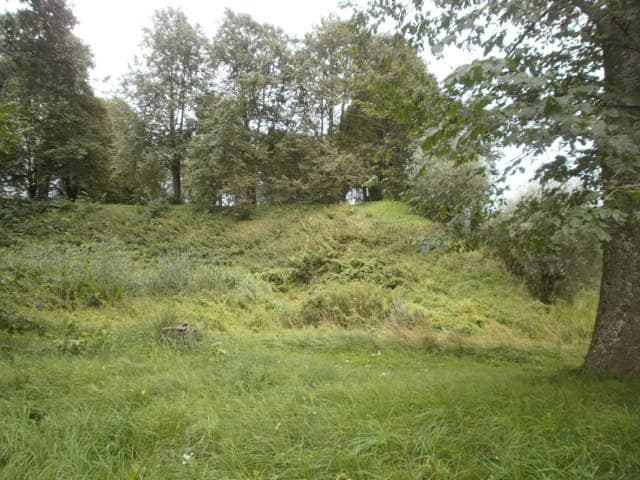
By the early 18th century, between 1703 and 1704, the fortress was finally demolished, marking the end of its military use. Since then, no restoration efforts have been undertaken, leaving the castle in a state of ruin.
Architectural features and layout
Though now largely in ruins, archaeological studies and historical records provide insight into the castle’s original structure. The three main towers were connected by thick curtain walls, reinforced with bastions that projected outward to provide overlapping fields of fire. The fortress likely included a gatehouse, a courtyard, and auxiliary buildings such as storerooms and living quarters.
The use of bastions in Salacgrīva castle is notable, as this feature anticipated later developments in military architecture designed to counter artillery advances. The castle’s position near the river estuary also meant that it was partially protected by natural water defenses, supplemented by man-made moats or ditches.
Historical significance and legacy
Salacgrīva castle reflects the complex political and military struggles of the Baltic region from the 13th to the 18th centuries. Its construction by the Bishopric of Riga symbolizes the expansion of ecclesiastical power and the Christianization efforts in the area. The castle’s repeated sieges and eventual destruction illustrate the contested nature of the region, involving Russian, Tartar, Swedish, Polish, and local forces.
Today, the ruins serve as a cultural heritage site, attracting visitors interested in medieval history and military architecture. The site offers a tangible connection to the past and provides valuable archaeological information about medieval fortification techniques in northern Europe.
Visiting salacgrīva castle ruins
The castle ruins are accessible to the public and provide an evocative glimpse into medieval fortifications. Visitors can explore the remains of the towers and walls, set against the backdrop of the Salaca river and surrounding natural landscape. Interpretive signage helps contextualize the site's history and architectural features.
While no formal restoration has been undertaken, preservation efforts focus on stabilizing existing structures to prevent further decay. The site is a point of interest for historians, archaeologists, and tourists alike, offering insight into the military and economic history of Latvia’s northern coast.
Frequently asked questions (FAQ)
- What is the historical significance of Salacgriva Castle Ruins?
- Salacgriva Castle Ruins, built in the 13th century, played a crucial role in the defense against invasions in the region. It served as a military stronghold for the Livonian Order and reflects the architectural style of medieval fortifications in Latvia.
- When was Salacgriva Castle constructed?
- Construction of Salacgriva Castle began in 1255 and continued over several decades. The castle was strategically built to control trade routes and protect the surrounding territories from external threats.
- What are the opening hours for Salacgriva Castle Ruins?
- The ruins are accessible year-round, but the best time to visit is during the warmer months from May to September. During this period, you can enjoy guided tours and learn more about the castle's history.
- Is it possible to enter the castle ruins?
- Yes, visitors can explore the ruins of Salacgriva Castle. While the structure is partially collapsed, it offers a fascinating glimpse into medieval architecture and history.
- Can I take photographs at Salacgriva Castle Ruins?
- Absolutely! The picturesque ruins provide a stunning backdrop for photography. Visitors are encouraged to capture the beauty of the castle and the surrounding landscapes.
- What is the best time to visit Salacgriva Castle Ruins?
- The best time to visit is from late spring to early autumn, when the weather is pleasant and the landscape is lush. Special events and guided tours are often available during this season.
- Are there any nearby attractions to Salacgriva Castle?
- Yes, the nearby areas offer various attractions including the beautiful Salacgrīva beach and nature trails along the river. Visitors can also explore local museums and cultural sites that highlight the region's history.
- What are the ticket prices for visiting Salacgriva Castle Ruins?
- Visiting Salacgriva Castle Ruins is typically free of charge, making it an accessible destination for all. However, special guided tours or events may have a nominal fee.
- How do I get to Salacgriva Castle Ruins?
- Salacgriva Castle Ruins are easily accessible by car or public transport from nearby cities. There are clear signposts leading to the site, ensuring a straightforward journey for visitors.
Photo gallery

Photo by Marrx•Public domain
Information
Loading map...
Visitor reviews
No reviews yet. Been here? Write the first review and help other travelers!
Write the first reviewVisited this castle? Share your experience
Your review helps other travelers and adds first-hand knowledge to our encyclopedia.