Sainte-Chapelle de Vincennes
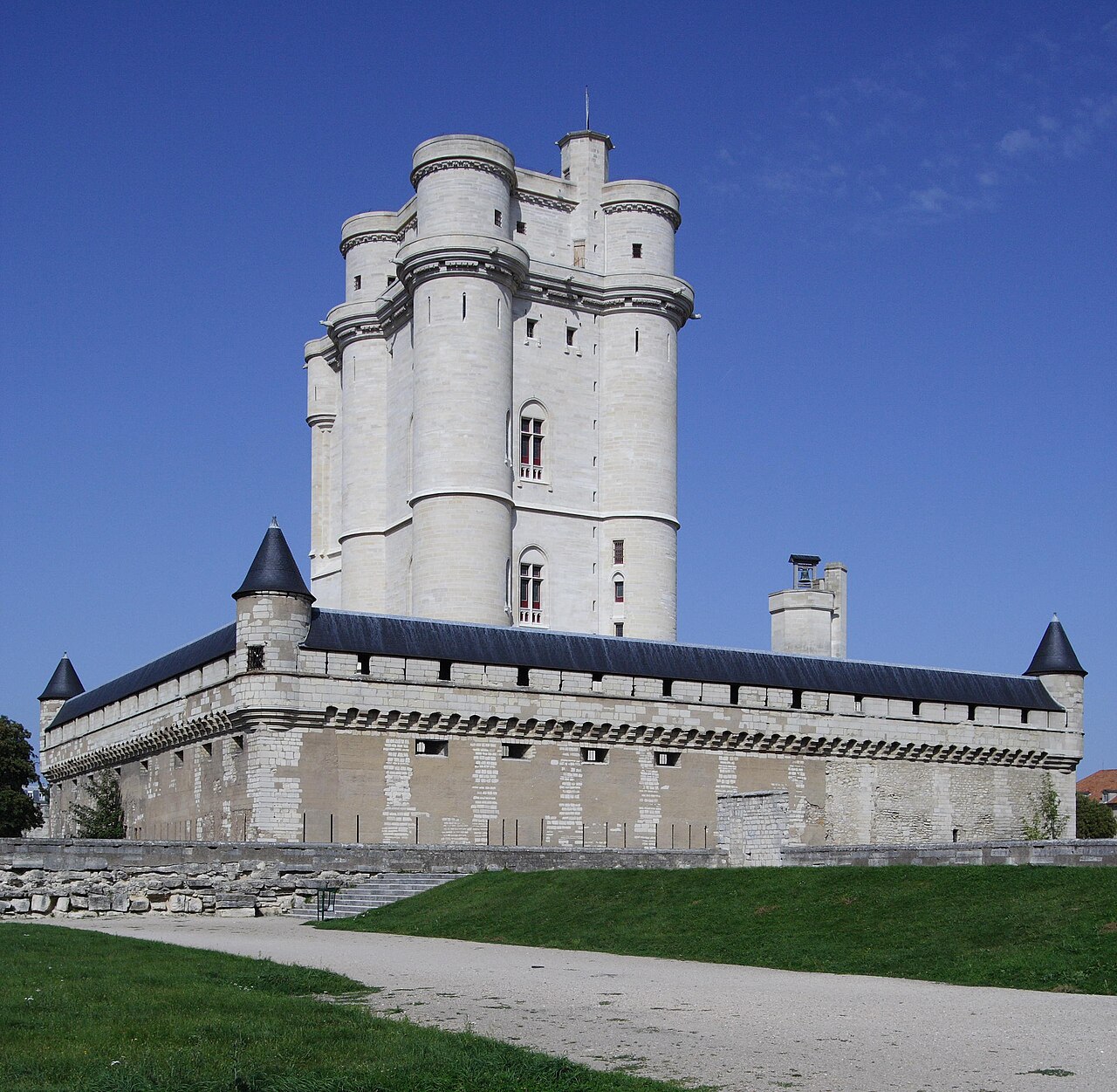
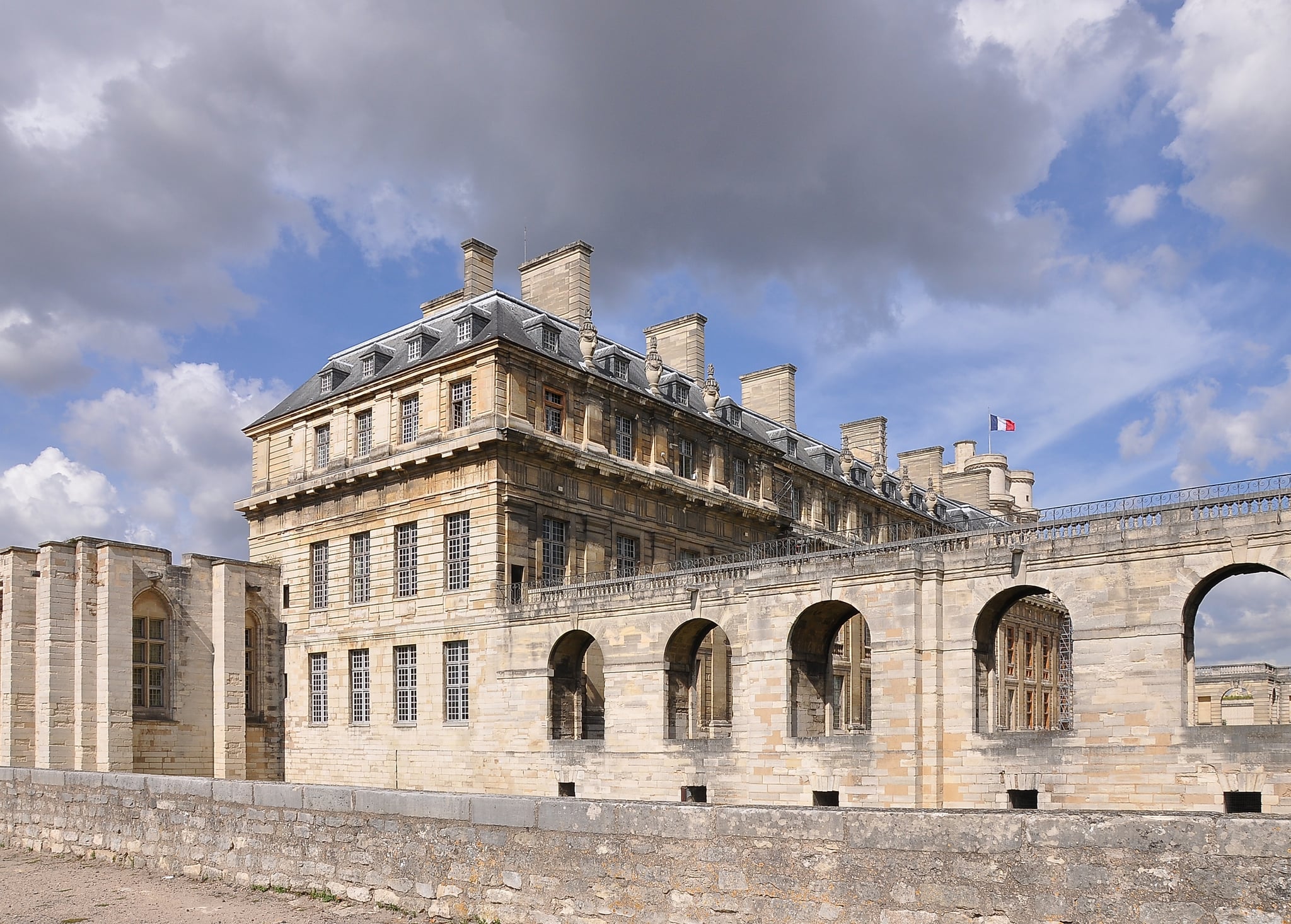
The Sainte-Chapelle de Vincennes stands as a remarkable example of Gothic royal chapel architecture within the historic Château de Vincennes complex, located in the commune of Vincennes, just east of Paris, France. Founded in 1379 by King Charles V, the chapel was intended to house sacred relics and serve as a prestigious royal place of worship. Its construction and evolution reflect the turbulent history and artistic achievements of medieval and Renaissance France.
The chapel's design was inspired by the famous Sainte-Chapelle in Paris, yet it features a distinctive single-level structure approximately 20 meters high, differing from the two-level Parisian original. Measuring roughly 40 meters long and 12 meters wide, the chapel's nave is divided into four and a half rectangular bays, culminating in a polygonal apse with a unique five-fifteenth angled termination. The exterior is characterized by strong buttresses crowned with pinnacles and spires, and large stained glass windows that fill the bays up to the roofline, creating a luminous interior space.
Historical development and royal patronage
Construction began under Charles V but was interrupted by his death in 1380. His successor, Charles VI, oversaw significant progress, completing key elements such as the choir, two oratories, sacristy, and treasury. The treasury was designed to hold precious relics of the Passion of Christ, underscoring the chapel's religious and royal significance. The chapel was dedicated to the Virgin Mary and the Holy Trinity, staffed by a chapter of fifteen canons who prayed for the king and royal family.
The Hundred Years’ War severely disrupted construction, especially after the English victory at the Battle of Agincourt in 1415, which led to English occupation of the site. The chapel returned to French control in 1437 but remained unfinished for decades. In the 16th century, King Francis I initiated efforts to complete the chapel, with Henry II finishing the work between 1547 and 1552. Henry II added vaults, intricate carved woodwork, and magnificent stained glass windows. He also relocated the seat of the Order of Saint Michael to the chapel in 1555, enhancing its status as a royal ceremonial site.
Architectural features and artistic elements
Exterior design and structural elements
The chapel’s Flamboyant Gothic west façade, completed in 1552, features a large rose window framed by three ornate gables. Although the original roof spire was destroyed during the French Revolution in 1793, the exterior remains notable for its functional gargoyles that serve as rain spouts and its imposing buttresses topped with pinnacles and spires.
Interior layout and decoration
The interior vaults are adorned with keystones bearing royal monograms and emblems, including the crescent moon and initials of Henry II, Catherine de’ Medici, and Charles IX. The choir once housed exquisitely carved wooden stalls for the Order of Saint Michael, although these were destroyed during the Revolution. Many original sculptures dating from around 1390 to 1410 were lost, but some high and difficult-to-reach pieces survive, such as a 15th-century Virgin and Child over the west portal voussures and a tympanum above the sacristy doorway depicting the Coronation of the Virgin.
Stained glass windows
Most of the chapel’s original stained glass windows in the nave were destroyed during the Revolution and replaced with clear glass to maximize light. However, the apse retains stunning Renaissance stained glass created between 1551 and 1559 by Nicolas Beaurain. These windows depict scenes from the Book of Revelation, framed with grisaille architectural designs and royal emblems. One window notably shows Henry II kneeling in prayer. These windows underwent restoration in the 19th century, preserving their intricate artistry.
Impact of wars and restoration efforts
The chapel suffered significant damage during the French Revolution, including the destruction of sculptures, stained glass, and the removal of the Baptistery of Saint Louis to the Louvre. The tomb of Louis Antoine, Duke of Enghien, executed nearby in 1804, was placed inside the chapel in 1816, adding to its historical significance.
In the 19th century, renowned architect Eugène Viollet-le-Duc led restoration efforts that revived much of the chapel’s Gothic character. The chapel was declared a historical monument in 1853, ensuring its preservation. Further damage occurred in the 20th century, notably a 1999 windstorm that destroyed several nave windows, which had been replacements for those lost during World War II. Restoration completed by 2009 repaired ceilings, sculptures, and the façade after a gargoyle fell.
Layout and functional spaces
The chapel includes two oratories attached to the choir: one on the north side for the king and one on the south side for the queen. These oratories feature cross-ribbed vaults, chimneys for heating, and small viewing slits toward the main altar, allowing private royal worship. The two-story sacristy on the north side contains the treasury on the upper floor and clerical storage below, emphasizing the chapel’s dual role as a religious and royal treasury site.
Legacy and cultural significance
Today, the Sainte-Chapelle de Vincennes remains a symbol of French royal history and Gothic architectural achievement. Despite the losses suffered during revolutionary and wartime upheavals, the chapel’s surviving elements—its soaring stained glass, vaulted ceilings, and royal emblems—offer a glimpse into the spiritual and political life of the French monarchy. Its status as part of the Château de Vincennes complex further enriches its historical context as a fortified royal residence and ceremonial center.
Visitors to the chapel can appreciate its architectural elegance, artistic heritage, and the poignant history embedded in its walls, making it a vital cultural landmark in the Paris region.
Frequently asked questions (FAQ)
- When was Sainte-Chapelle de Vincennes built?
- Construction began in 1379 under King Charles V and was completed around 1552 during Henry II's reign.
- What architectural style characterizes Sainte-Chapelle de Vincennes?
- The chapel is a prime example of Gothic architecture, featuring Flamboyant Gothic elements in its west façade.
- Can I visit Sainte-Chapelle de Vincennes today?
- Yes, the chapel is open to the public as part of the Château de Vincennes complex, showcasing restored interiors and stained glass.
- What happened to the chapel during the French Revolution?
- The chapel suffered severe damage with destruction of sculptures and stained glass; many original artworks were lost or removed.
- Are there any notable artworks inside the chapel?
- Yes, Renaissance stained glass windows by Nicolas Beaurain remain in the apse, depicting scenes from the Book of Revelation.
- Why is the chapel historically significant?
- It served as a royal place of worship and treasury, housing sacred relics and symbolizing French monarchy's spiritual authority.
Information
Sources & official resources
Verify the information above using these authoritative references.
Loading map...
Visitor reviews
No reviews yet. Been here? Write the first review and help other travelers!
Write the first reviewVisited this castle? Share your experience
Your review helps other travelers and adds first-hand knowledge to our encyclopedia.