Saint-Nazaire pocket
The Saint-Nazaire Pocket (German: Festung St. Nazaire, French: Poche de Saint-Nazaire) was a significant military stronghold during the latter part of World War II, existing from August 1944 until 11 May 1945. This bastioned fortress was formed following the strategic withdrawal of German forces from the surrounding Loire-Inférieure region (now known as Loire-Atlantique) as the Allied armies advanced to liberate the area. The pocket was centered on the crucial port city of Saint-Nazaire on the French Atlantic coast, which housed a large and heavily fortified submarine base constructed by the Germans during the occupation.
The Saint-Nazaire Pocket extended geographically from the east near Saint-Omer-de-Blain to the north near La Roche-Bernard, and southwards to Pornic. This area was strategically important due to its access to the Atlantic Ocean and its role as a naval base, particularly for the German Kriegsmarine's U-boat operations. The fortress complex included extensive concrete bunkers, anti-aircraft defenses, and artillery emplacements, all designed to protect the valuable port facilities and submarine pens from Allied attacks.
Historical context and military significance
The establishment of the Saint-Nazaire Pocket was a direct consequence of the rapid Allied advances following the D-Day landings in June 1944. While much of France was liberated quickly, German forces entrenched themselves in several key Atlantic ports, including Saint-Nazaire, to maintain control over these strategic locations. The Germans fortified these ports heavily, anticipating prolonged sieges rather than outright capture.
Saint-Nazaire's port was one of the few deep-water harbors on the Atlantic coast capable of accommodating large warships and submarines. The German-built submarine base at Saint-Nazaire was among the largest and most fortified of its kind, featuring thick reinforced concrete walls and roofs designed to withstand aerial bombardment and naval shelling. This made the pocket a formidable obstacle for the Allies.
Architectural and defensive features
Submarine base and fortifications
The centerpiece of the fortress was the massive U-boat bunker, known as the "Base sous-marine de Saint-Nazaire." Constructed between 1941 and 1942, this bunker was made of reinforced concrete up to several meters thick. It included multiple docks for submarines, repair workshops, fuel storage, and crew facilities. The bunker’s roof was heavily camouflaged and protected by layers of steel and concrete to resist bombing raids.
Surrounding the submarine base were extensive bastioned walls and defensive positions. These included anti-aircraft batteries strategically placed to defend against Allied air attacks, as well as artillery batteries covering approaches from land and sea. The fortress also featured a network of trenches, barbed wire, and minefields to deter infantry assaults.
Supporting infrastructure
Within the pocket, the German garrison maintained barracks, command centers, and supply depots to support the prolonged defense. The port facilities were kept operational to allow limited resupply and communication with German-held territories via the Atlantic. Despite being encircled by Allied forces, the defenders managed to hold out for several months, resisting multiple attempts at capture.
The siege and eventual surrender
The Saint-Nazaire Pocket was subjected to a siege by Allied forces who aimed to neutralize the German stronghold without a costly frontal assault. The siege involved artillery bombardments, air raids, and blockades to cut off supplies and reinforcements. Nevertheless, the German defenders utilized their fortifications and the natural defensive advantages of the port to prolong resistance.
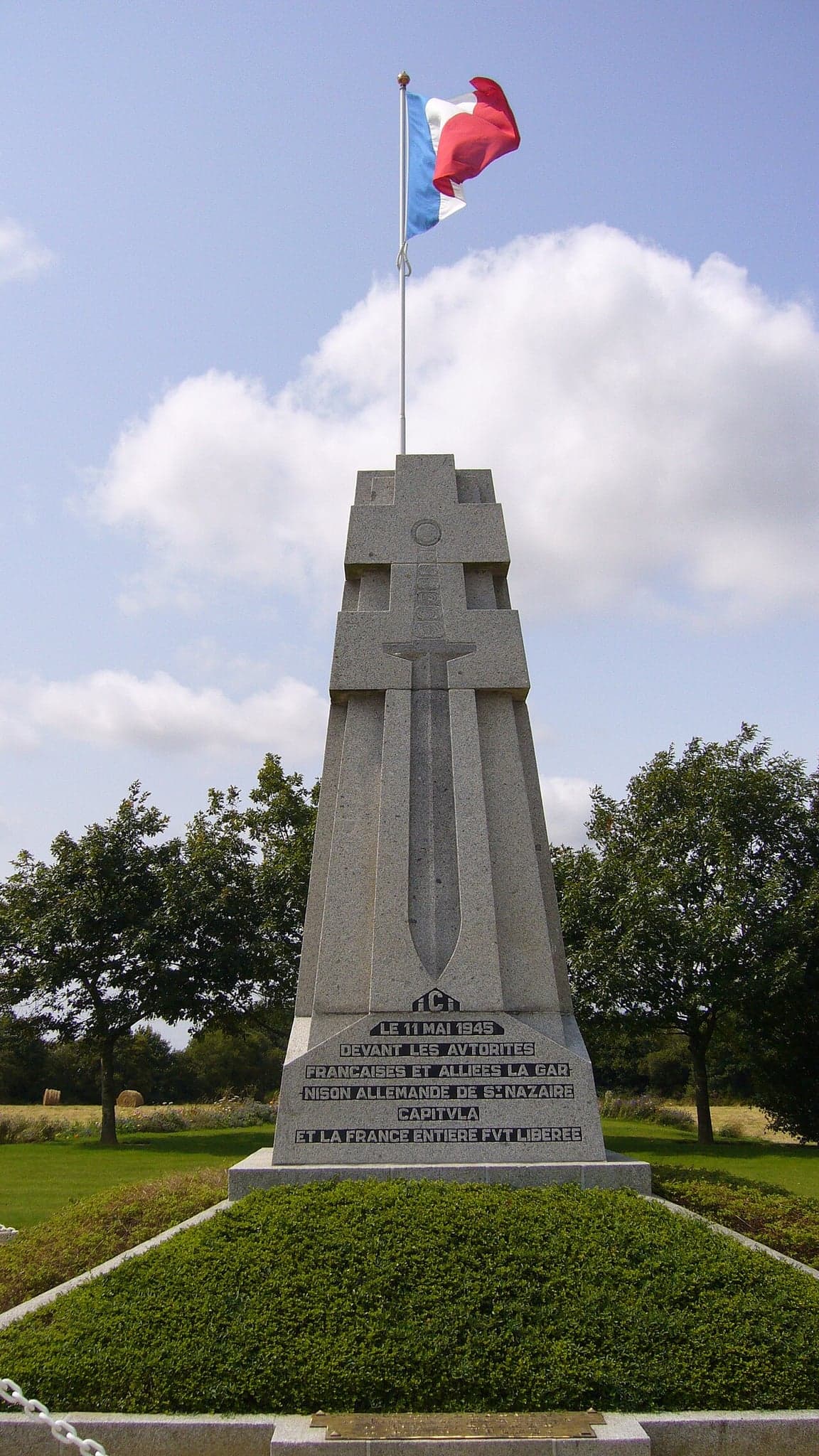
It was not until 11 May 1945, several days after the official German surrender in Europe, that the Saint-Nazaire Pocket finally capitulated. The surrender marked the end of German military presence in the area and the full liberation of the Loire-Atlantique region.
Legacy and preservation
Today, the remnants of the Saint-Nazaire Pocket, especially the submarine base, stand as a stark reminder of the strategic importance of the Atlantic coast during World War II. The submarine base has been preserved and partially converted into a museum, offering visitors insight into the scale and complexity of the German fortifications and naval operations.
The fortress's concrete structures, bunkers, and defensive works remain largely intact, illustrating the engineering capabilities of the era and the intensity of the conflict in this region. The site attracts historians, military enthusiasts, and tourists interested in World War II history and coastal fortifications.
Frequently asked questions (FAQ)
- What is the Saint-Nazaire Pocket?
- The Saint-Nazaire Pocket was a German military stronghold during World War II, centered around the port and submarine base of Saint-Nazaire in France.
- When was the Saint-Nazaire Pocket established?
- It was established in August 1944 after German troops withdrew to the fortified area during the Allied liberation of Loire-Inférieure.
- What are the key features of the submarine base?
- The submarine base features massive reinforced concrete bunkers, docks for U-boats, repair workshops, and heavy fortifications designed to withstand bombing.
- Can visitors tour the submarine base today?
- Yes, the submarine base is partially preserved and open to the public as a museum with regular visiting hours and an admission fee.
- Why was the Saint-Nazaire Pocket strategically important?
- Its deep-water port and submarine base were crucial for German naval operations in the Atlantic, making it a heavily defended fortress during the war.
Photo gallery

Photo by Alonso at French Wikipedia•Public domain
Information
Opening hours
10:00-18:00, daily
Ticket prices
€8 adult, €5 child
Current owner
Municipality of Saint-Nazaire
Loading map...
Visitor reviews
No reviews yet. Been here? Write the first review and help other travelers!
Write the first reviewVisited this castle? Share your experience
Your review helps other travelers and adds first-hand knowledge to our encyclopedia.