Château de Careil
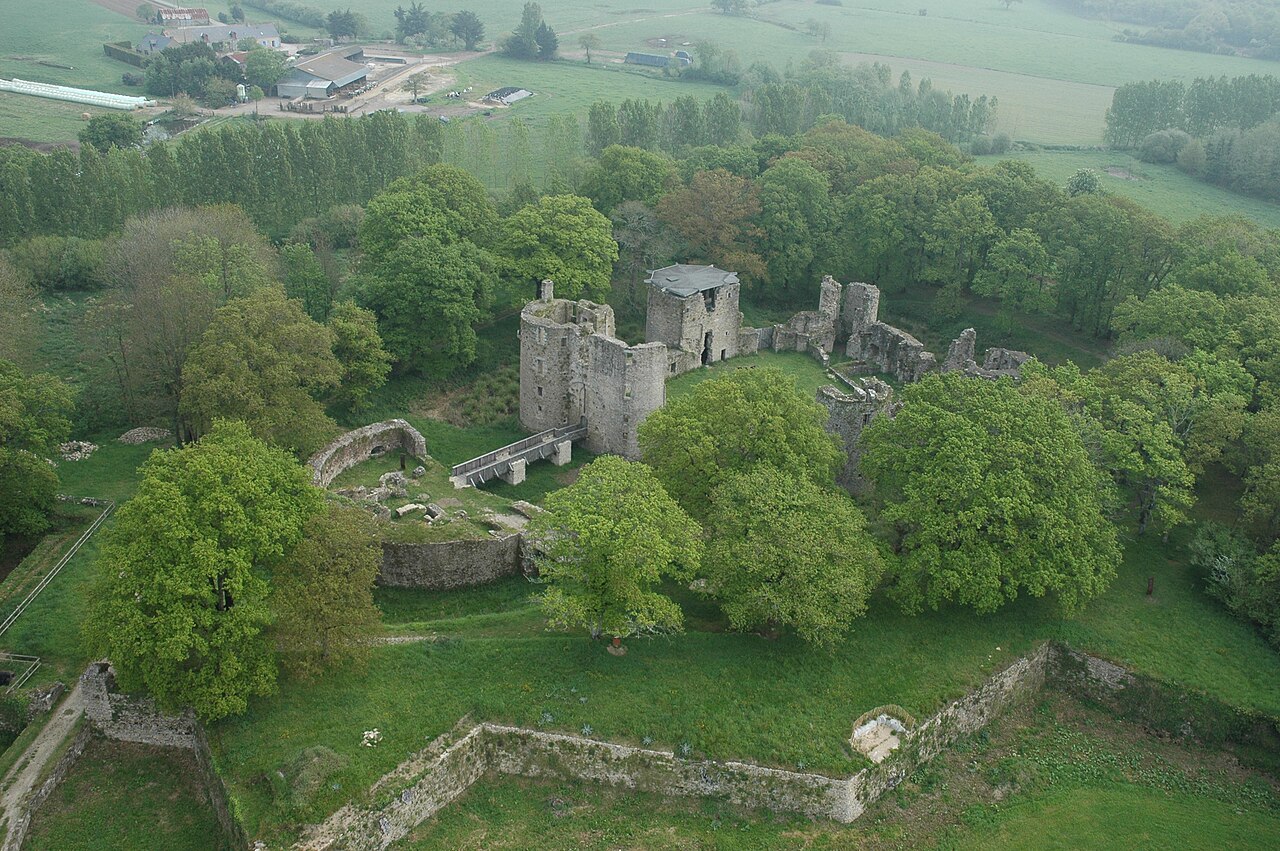
The Château de Careil is a notable example of a fortified house constructed at the end of the 14th century, located in Guérande, France. This manor was built with a primary defensive purpose, as demonstrated by its crenellated curtain wall that still stands today. Over the course of the 15th and 16th centuries, the château was expanded, reflecting the evolving needs and status of its owners during the late medieval period.
Architectural features and defensive design
The château's original design embodies characteristics typical of late medieval fortified houses in the region. The crenellated curtain wall encircling the manor provided protection against invaders while allowing defenders to repel attacks effectively. The defensive walls are complemented by towers and fortified entrances, although some parts of the complex have been lost over time.
One significant alteration to the château's structure was the loss of a third wing, which was destroyed in an accidental fire during the 18th century. This wing's destruction altered the original layout and reduced the overall footprint of the manor. Despite this, the remaining sections continue to showcase the medieval defensive architecture.
Historical context and religious significance
During the Reformation, the Château de Careil played a unique role as a place of worship for Protestants in the Guérande peninsula. This religious affiliation made the manor a target during the religious conflicts that swept France in the 16th century. On 11 May 1589, the château was attacked and pillaged by forces of the Catholic League, reflecting the intense sectarian violence of the period.
Following the Revocation of the Edict of Nantes in 1685, which ended religious tolerance for Protestants in France, the manor was seized and sold to a Catholic family in 1699. This transfer marked a significant change in the château's ownership and religious association.
Later uses and preservation
In the 20th century, the Château de Careil underwent a transformation from a private residence to a public venue. In 1924, it was converted into a restaurant, making the historic site accessible to visitors in a new way. Today, the château functions as a visitors' centre, offering insights into its rich history and architectural heritage.
The château's preservation allows visitors to appreciate the late medieval defensive architecture and understand its role in the religious and social history of the Guérande region. Its status as a historic monument contributes to the cultural landscape of Brittany.
Location and cultural importance
Situated in the historic town of Guérande, known for its medieval walls and salt marshes, the Château de Careil is part of a broader heritage area that attracts tourists interested in medieval history and architecture. The château complements the town's character and serves as a tangible link to the region's turbulent religious past and feudal traditions.
Visitors to the château can explore the surviving architectural features and learn about the manor's evolution from a defensive stronghold to a religious sanctuary and later a public establishment.
Frequently asked questions (FAQ)
- What is the historical significance of Château de Careil?
- Château de Careil is a remarkable example of medieval architecture in Brittany, France, dating back to the 14th century. It played a crucial role in the region's history, serving as a strategic stronghold during various conflicts. Its well-preserved structure offers insight into the feudal era and the architectural styles of the time.
- When was Château de Careil built?
- Construction of Château de Careil began in the late 14th century, with significant additions made in the following centuries. The castle reflects the evolution of military architecture and domestic comfort over the centuries, showcasing the changes in design and fortification techniques.
- What are the opening hours for visitors to Château de Careil?
- Château de Careil is open to visitors from 10 AM to 6 PM during the peak season, which runs from April to October. In the off-season, the hours may vary, so it's best to check the official website or contact them directly for the most accurate information before your visit.
- Can I take a guided tour of Château de Careil?
- Yes, guided tours are available at Château de Careil, offering visitors a deeper understanding of its history and architecture. These tours are typically led by knowledgeable guides who can provide insights into the castle's past, its significance in the region, and its architectural features.
- Is it possible to access Château de Careil for individuals with mobility challenges?
- Château de Careil strives to be accessible to all visitors, including those with mobility challenges. While some areas may present difficulties due to the castle's historical nature, there are pathways and facilities designed to accommodate visitors with disabilities.
- What is the best time to visit Château de Careil?
- The best time to visit Château de Careil is during the spring and early fall when the weather is pleasant, and the gardens are in full bloom. Additionally, visiting during these seasons often means fewer crowds, allowing for a more enjoyable experience while exploring the castle and its surroundings.
- Are there any nearby attractions to visit alongside Château de Careil?
- Yes, the area surrounding Château de Careil is rich in attractions, including the medieval town of Guérande, known for its salt marshes and historic architecture. Visitors can also explore the stunning beaches of La Baule and the picturesque landscape of the Guérande Peninsula.
- How much are the ticket prices for Château de Careil?
- Ticket prices for Château de Careil are generally affordable, with discounts available for students and seniors. Children under a certain age may enter for free, making it a great family-friendly destination. Always check the official website for the latest pricing and any special offers.
Information
Website
Visit websiteSources & official resources
Verify the information above using these authoritative references.
Loading map...
Visitor reviews
No reviews yet. Been here? Write the first review and help other travelers!
Write the first reviewVisited this castle? Share your experience
Your review helps other travelers and adds first-hand knowledge to our encyclopedia.