Saiki Castle
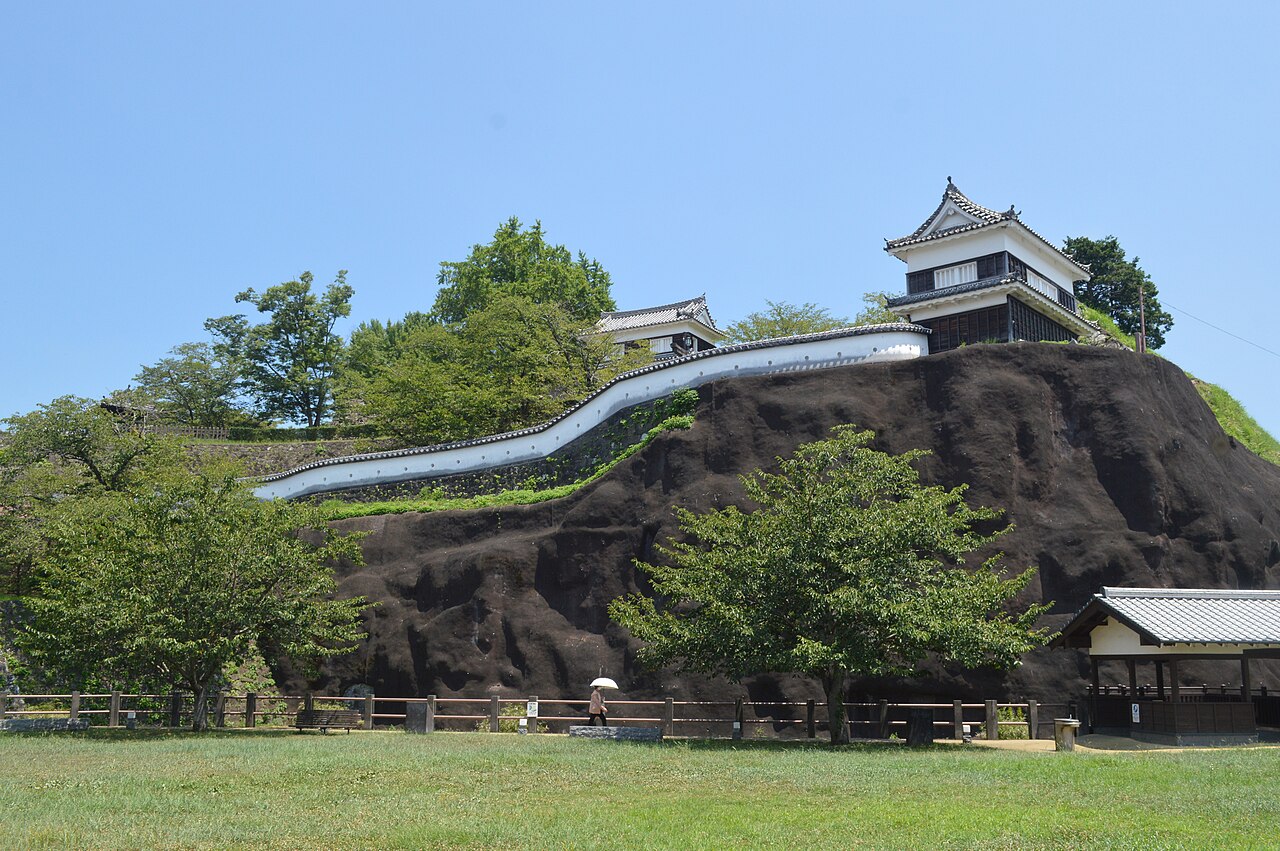
Saiki Castle (佐伯城, Saiki-jō) is a historic Japanese castle located in the city of Saiki, within Ōita Prefecture on the island of Kyushu. It was constructed during the Edo period as a yamajiro-style or mountain castle, a common design for defensive fortifications built on elevated terrain to maximize natural protection. The castle's ruins have been recognized for their cultural and historical significance, earning designation as a National Historic Site in 2023. Additionally, Saiki Castle is listed as No.194 on the "Continued 100 Fine Castles of Japan," highlighting its importance among Japan's heritage castles.
Historical background and construction
Saiki Castle was constructed in the 17th century during the Edo period, a time when Japan was under the rule of the Tokugawa shogunate. This era was characterized by relative peace and stability, leading to the development of many castles primarily as administrative centers and symbols of power rather than purely military fortresses. The castle was built in the yamajiro style, which utilized the natural mountainous landscape to enhance defense capabilities. This style typically features terraced stone walls, winding paths, and strategically placed defensive structures designed to leverage the rugged terrain.
Architectural features and layout
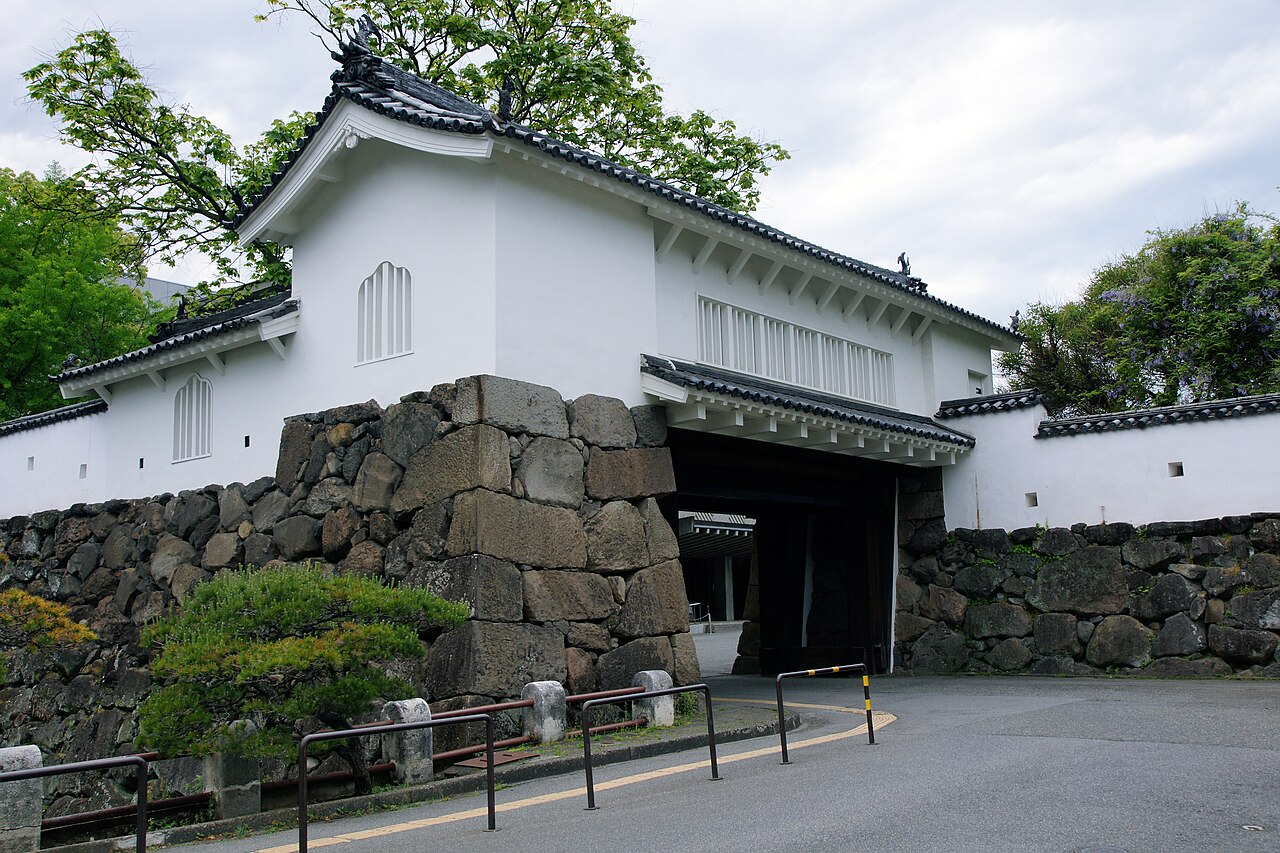
The castle's layout took advantage of the steep slopes and natural elevation of the site. Its defensive design included multiple baileys (courtyards) arranged on different levels along the mountain. The main enclosure, or honmaru, was situated at the highest point, providing commanding views of the surrounding area. Stone walls and earthen ramparts formed the primary fortifications, supplemented by wooden buildings such as the tenshu (main keep) and various watchtowers. The winding paths and narrow gates were designed to slow enemy advances and provide defenders with tactical advantages.
Yamajiro-style defensive elements
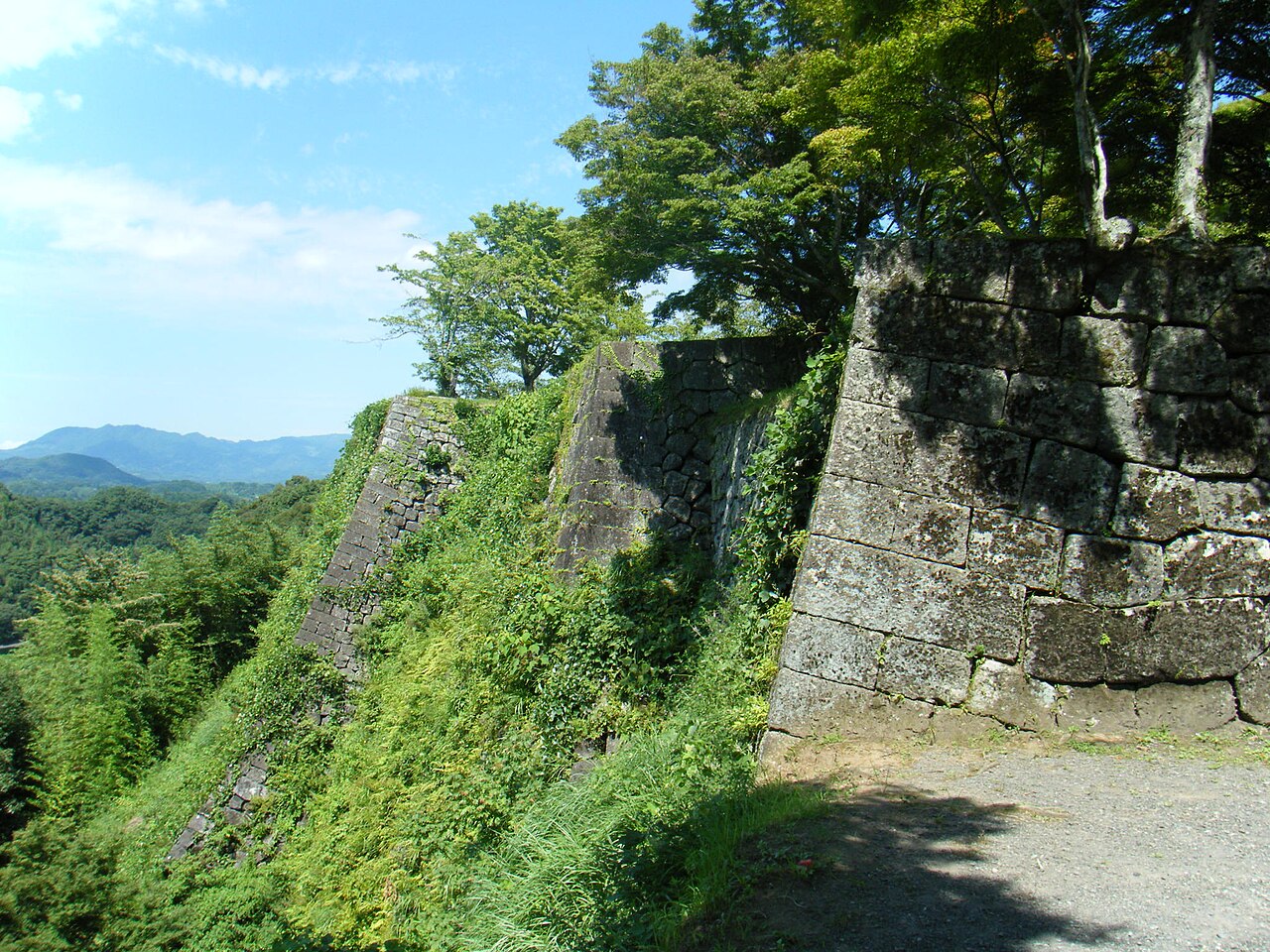
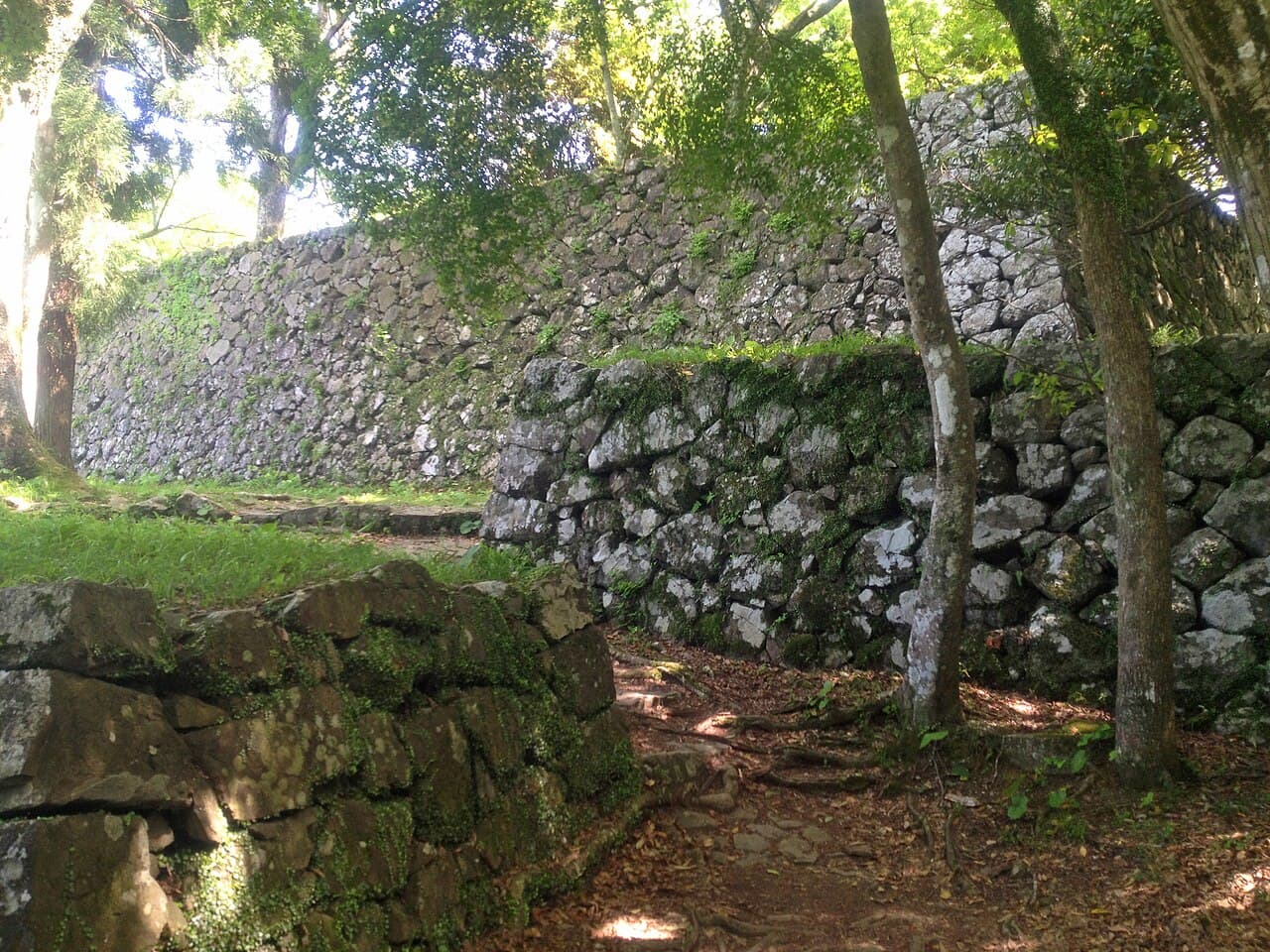
The yamajiro style is characterized by its integration with the natural environment. Saiki Castle's stone walls were constructed to follow the contours of the mountain, creating a series of terraces that made direct assaults difficult. The steep slopes acted as natural moats, while the positioning of gates and walls forced attackers into narrow, exposed approaches. The castle likely featured wooden palisades and gates reinforced with iron fittings, typical of the period's defensive architecture.
Historical significance and legacy
While Saiki Castle did not play a major role in large-scale military conflicts, it served as an important regional stronghold and administrative center during the Edo period. The castle was associated with local daimyo (feudal lords) who governed the surrounding territory under the Tokugawa regime. Its strategic location allowed control over key routes and contributed to regional stability.
After the Meiji Restoration in the late 19th century, many Japanese castles were dismantled or fell into ruin as the feudal system was abolished. Saiki Castle was no exception; its buildings were gradually lost, leaving behind stone foundations and earthworks. The site today preserves these archaeological remains, offering valuable insights into Edo period castle construction and regional governance.
Preservation and current status
Saiki Castle's ruins have been protected as a National Historic Site since 2023, reflecting ongoing efforts to conserve Japan's cultural heritage. Visitors to the site can explore the remains of stone walls, terraces, and earthworks that outline the castle's former grandeur. Interpretive signage and local museums provide historical context, helping to educate the public about the castle's role in Japan's feudal past.
The castle is classified as archaeological ruins due to the absence of standing buildings, with its condition described as ruins. Despite this, the site remains an important cultural asset and a point of interest for historians, architects, and tourists interested in Japanese castle architecture and Edo period history.
Visiting Saiki Castle
Saiki Castle is accessible to visitors interested in exploring Japanese history and castle architecture. The site offers walking trails that follow the original layout of the castle's baileys and defensive structures. Due to the mountainous terrain, visitors should be prepared for some hiking and uneven paths. The best time to visit is during the spring and autumn months when the weather is mild and the natural scenery is particularly attractive.
Nearby attractions
The city of Saiki and the wider Ōita Prefecture offer additional cultural and natural attractions, including traditional temples, hot springs (onsen), and coastal landscapes. Visitors can combine a trip to Saiki Castle with these experiences to gain a broader understanding of the region's heritage and environment.
Frequently asked questions (FAQ)
- What is the historical significance of Saiki Castle?
- Saiki Castle, originally built in the early 17th century, served as a strategic military fortification during the Edo period. It played a vital role in controlling the surrounding region and has become a symbol of Saiki's rich history and heritage. Today, it is a popular destination for those interested in Japan's feudal past.
- When was Saiki Castle constructed?
- Saiki Castle was constructed in 1601 by the feudal lord Matsudaira Nobumoto. The castle underwent various renovations over the years, particularly during the Meiji period when many traditional structures were altered or dismantled. The remaining structures reflect a blend of historical architecture and modern restoration efforts.
- Can I visit Saiki Castle year-round?
- Yes, Saiki Castle is open to visitors throughout the year. However, the best time to visit is during the cherry blossom season in spring or the colorful foliage in autumn, when the surrounding landscape enhances the castle's beauty. Be sure to check for any local festivals that may also take place during these seasons.
- What are the opening hours for Saiki Castle?
- Saiki Castle is typically open from 9:00 AM to 5:00 PM, with last entry at 4:30 PM. These hours may vary during public holidays or special events, so it is advisable to check the official website or local tourism information before your visit. Always allow enough time to explore the castle grounds and nearby attractions.
- Is there an entrance fee to visit Saiki Castle?
- Yes, there is a nominal entrance fee to visit Saiki Castle, which helps maintain the site and its facilities. The ticket prices are generally affordable, making it accessible for families and groups. Discounts may be available for students and seniors, so be sure to inquire at the ticket counter.
- How do I get to Saiki Castle from the nearest train station?
- Saiki Castle is conveniently located about a 15-minute walk from Saiki Station, which is accessible via the Nippō Main Line. Follow the signs or use a map app to navigate through the city streets to reach the castle. Public transportation options, such as buses and taxis, are also available for those who prefer not to walk.
- What nearby attractions can I visit while at Saiki Castle?
- While visiting Saiki Castle, you can also explore the beautiful Saiki City Museum, which showcases local history and culture. Additionally, the scenic Saiki Bay and the nearby hot springs provide excellent opportunities for relaxation and leisure activities after your castle visit. Don't miss the chance to enjoy the local cuisine in the surrounding area!
- Is Saiki Castle accessible for visitors with disabilities?
- Saiki Castle has made efforts to improve accessibility for all visitors. There are pathways and ramps that facilitate easy movement around the castle grounds. However, some areas may still present challenges, so it's a good idea to contact the castle administration in advance if you have specific accessibility needs.
Photo gallery

Information
Loading map...
Visitor reviews
No reviews yet. Been here? Write the first review and help other travelers!
Write the first reviewVisited this castle? Share your experience
Your review helps other travelers and adds first-hand knowledge to our encyclopedia.