Funai Castle
Funai Castle, located in Oita City, Japan, is a historically significant lowland castle originally constructed in the late 16th century. Its founding dates back to 1597 when Fukuhara Naotaka relocated from Usuki and initiated the castle's construction. The project was completed within two years, marking the castle's emergence as a notable fortification during the Renaissance period in Japan. This era was characterized by a transition in Japanese castle architecture, blending traditional defensive features with more refined residential and administrative functions.
Early history and construction
The castle's initial development under Fukuhara Naotaka set the foundation for its strategic importance in the region. Shortly after completion, Fukuhara was reassigned back to Usuki, and the castle's lordship passed to Hayakawa Nagamasa. Nagamasa's tenure was marked by his allegiance during the Battle of Sekigahara in 1600, a decisive conflict that reshaped Japan's political landscape. Aligning with the losing faction, Nagamasa ultimately committed seppuku, a ritual suicide that reflected the samurai code of honor.
Renovations and architectural developments
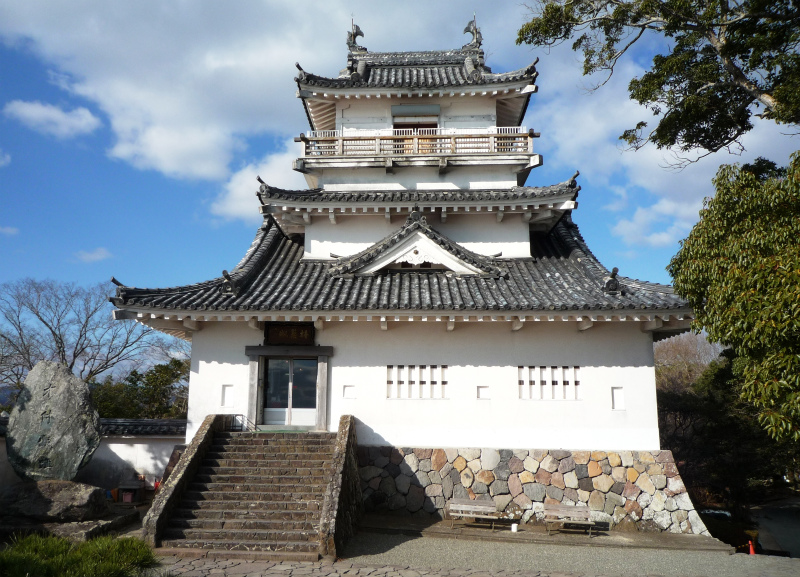
Following this turbulent period, Takenaka Shigetoshi assumed control and undertook significant renovations. In 1602, Shigetoshi constructed the castle's main keep, a central feature that enhanced both its defensive capabilities and symbolic stature. The keep typically served as a last line of defense and a residence for the lord, embodying the architectural and cultural values of the time.
Later lords and historical events
Shigetoshi's son, Takenaka Shigeyoshi, served as the Nagasaki Bugyo (governor of the port of Nagasaki), a position of considerable responsibility. However, in 1634, Shigeyoshi was involved in a scandal that led to his forced seppuku. This event marked a significant turning point in the castle's history, after which Hineno Yoshiaki took over lordship. Upon Yoshiaki's death in 1656, the castle came under the control of the Matsudaira clan, beginning with Matsudaira Tadaaki. The Matsudaira were a prominent samurai family closely related to the Tokugawa shogunate, indicating Funai Castle's continued strategic and political importance.
Architectural features and layout
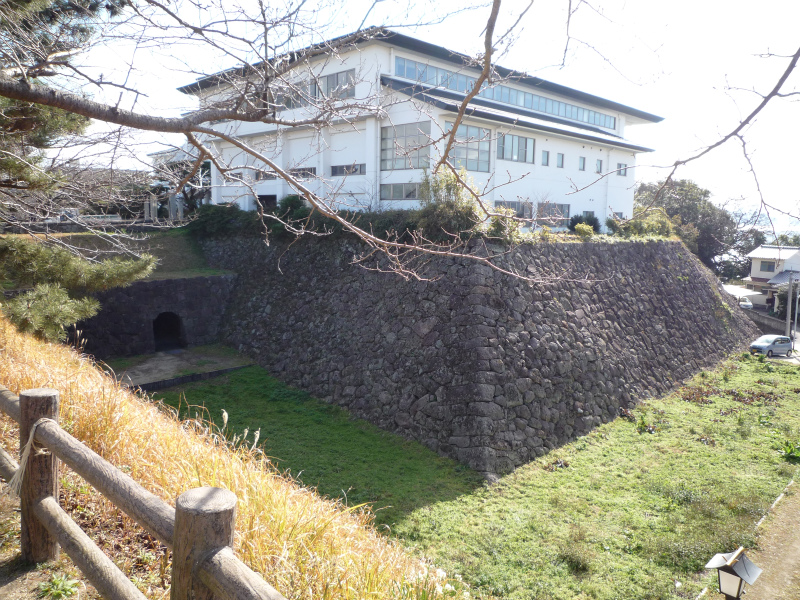
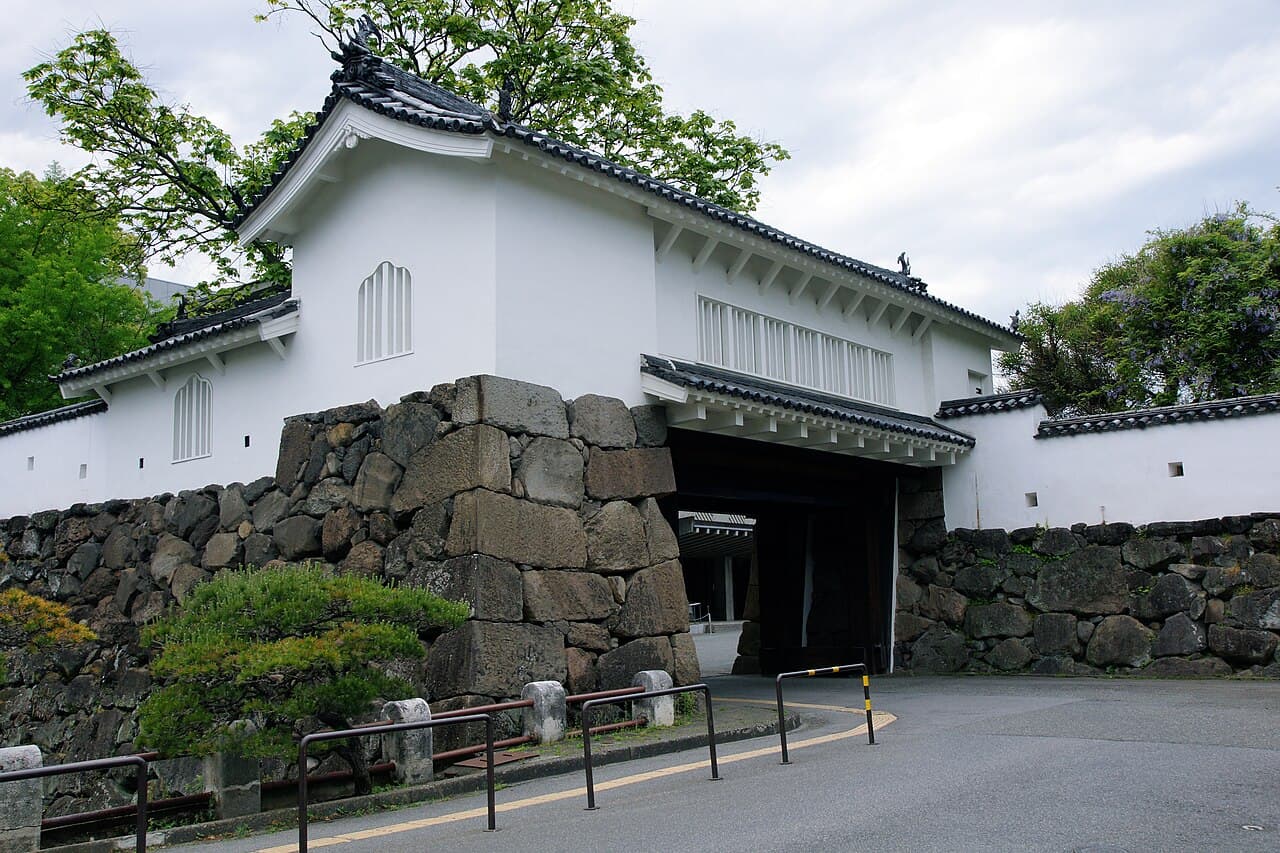
Funai Castle exemplifies the characteristics of a lowland castle, built on flat terrain rather than elevated hills or mountains. This positioning necessitated robust defensive features such as moats, stone walls, and fortified gates. The castle's honmaru (main bailey) served as the central stronghold and administrative center. Today, the honmaru area has been repurposed as a parking lot, reflecting the modern urban development surrounding the site.
The castle's design reflects the transitional architectural style of the Renaissance period in Japan, blending traditional Japanese castle elements with influences from contemporary defensive needs. The main keep built by Takenaka Shigetoshi remains a focal point of the castle's historical identity, although much of the original structure has been lost or altered over time.
Modern preservation and access
Currently, Funai Castle is classified as partially preserved, with some original structures and features remaining intact or restored. The castle grounds are accessible to visitors, with an easy walking route from Oita Station. Additionally, buses provide transport directly to the castle site, facilitating convenient access for tourists and history enthusiasts.
Visitors arriving by car will find that the honmaru has been converted into a parking area, indicating the integration of historical preservation within a modern urban context. There are historical notes suggesting that the US armed forces stationed in Kyushu after World War II contributed to some reconstruction efforts at Funai Castle, although detailed records of this involvement are limited.
Cultural significance and heritage
Funai Castle holds considerable cultural and historical value as a representation of Japanese castle architecture during a pivotal era. Its association with notable historical figures and events, such as the Battle of Sekigahara and the governance of Nagasaki, enriches its narrative. The castle's evolution under various lords reflects the broader political and social changes in Japan from the late 16th to the 17th century.
Today, Funai Castle serves as a tangible link to Japan's feudal past, offering insights into the architectural innovations and historical dynamics of the period. Its preservation and accessibility allow for continued public engagement and education, making it a valuable heritage site within Oita Prefecture.
Frequently asked questions (FAQ)
- How do I get to Funai Castle from Oita Station?
- Funai Castle is within walking distance from Oita Station, but there are also buses available that go directly to the castle site for added convenience.
- What is the historical significance of Funai Castle?
- Funai Castle played a strategic role during the Renaissance period in Japan and was associated with important historical figures and events such as the Battle of Sekigahara and the governance of Nagasaki port.
- Can I visit the main keep of Funai Castle?
- While the main keep built in 1602 was a central feature, much of the original structure has not survived. Visitors can explore the castle grounds and some preserved parts, but the main keep itself may not be fully accessible.
- Is Funai Castle wheelchair accessible?
- The castle grounds are partially preserved and accessible, but some areas may have uneven terrain or modern modifications. Visitors with mobility concerns should check local resources for detailed accessibility information.
- When is the best time to visit Funai Castle?
- Spring and autumn are ideal times to visit Funai Castle, offering pleasant weather and beautiful seasonal scenery around the castle grounds.
Photo gallery

Information
Sources & official resources
Verify the information above using these authoritative references.
Loading map...
Visitor reviews
No reviews yet. Been here? Write the first review and help other travelers!
Write the first reviewVisited this castle? Share your experience
Your review helps other travelers and adds first-hand knowledge to our encyclopedia.