Usuki Castle
Usuki Castle (臼杵城, Usuki-jō) is a historic hill castle located in Usuki, Ōita Prefecture, Japan. Also known as Nyūjima Castle (丹生島城, Nyūjima-jō), this castle dates back to the 16th century, placing it within Japan's Renaissance period of castle construction. The castle holds significant historical and architectural value as a representative example of Japanese fortifications during a turbulent era marked by feudal conflicts and the rise of regional warlords.
Historical background and significance
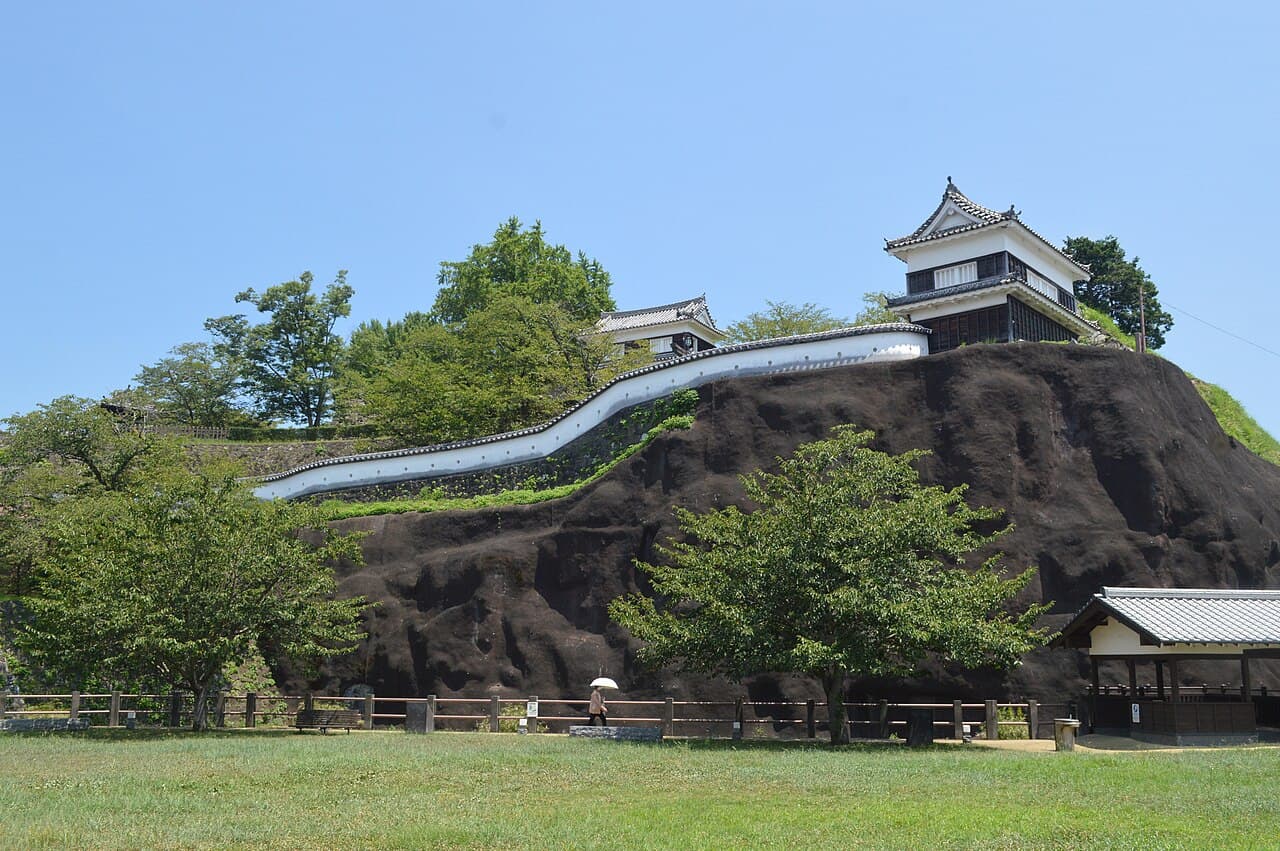
Constructed during the Sengoku period, a time characterized by intense military strife and political fragmentation, Usuki Castle served as a strategic stronghold for the local ruling clan. The castle was built to control the surrounding region and protect the interests of its lords against rival factions. Its location on a hill provided natural defense advantages, allowing surveillance over the nearby plains and access routes.
Throughout its history, Usuki Castle witnessed several military engagements and changes in ownership, reflecting the shifting alliances and power struggles typical of the era. The castle played a role in regional governance and defense until the eventual unification of Japan under the Tokugawa shogunate, after which many castles lost their military importance.
Architectural features and layout
Usuki Castle exemplifies the typical features of a hill castle (yamajiro), utilizing the natural topography to enhance its defensive capabilities. The castle complex was designed with multiple baileys (kuruwa), fortified enclosures separated by earthen walls and moats. These baileys were arranged on different levels of the hillside, creating layered defenses that attackers would have to overcome sequentially.
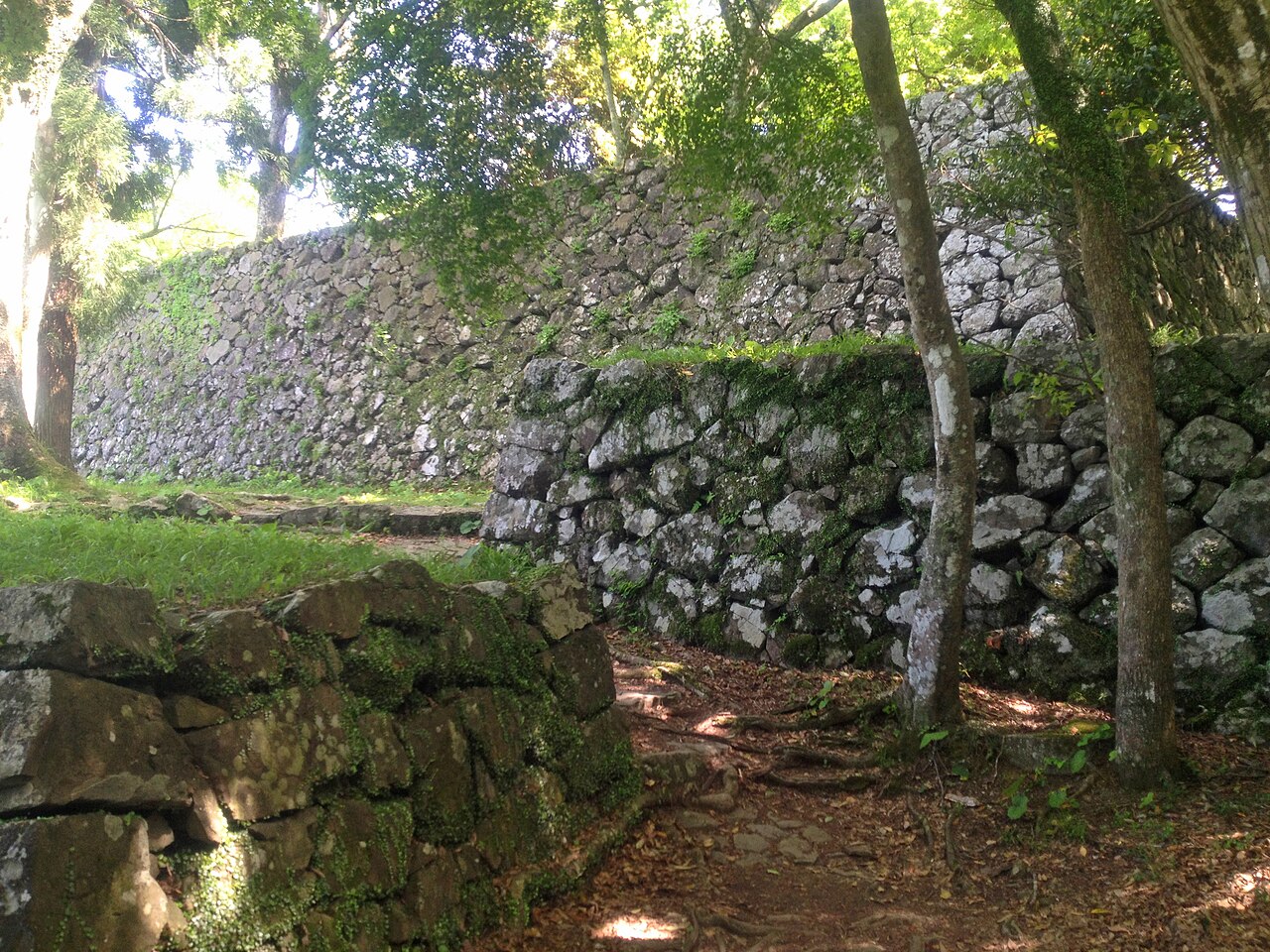
The main enclosure (honmaru) was situated at the highest point, housing the primary defensive structures and the lord's residence. Stone walls (ishigaki) reinforced the fortifications, a common feature in Japanese castles of the period, providing both protection and structural support. Wooden buildings within the castle served administrative, residential, and military functions.
Although much of the original castle has not survived intact, archaeological remains and historical records provide insight into its former scale and complexity. The castle's design reflects the practical needs of warfare during the 16th century, balancing strong defense with the requirements of governance and residence.
Current condition and preservation
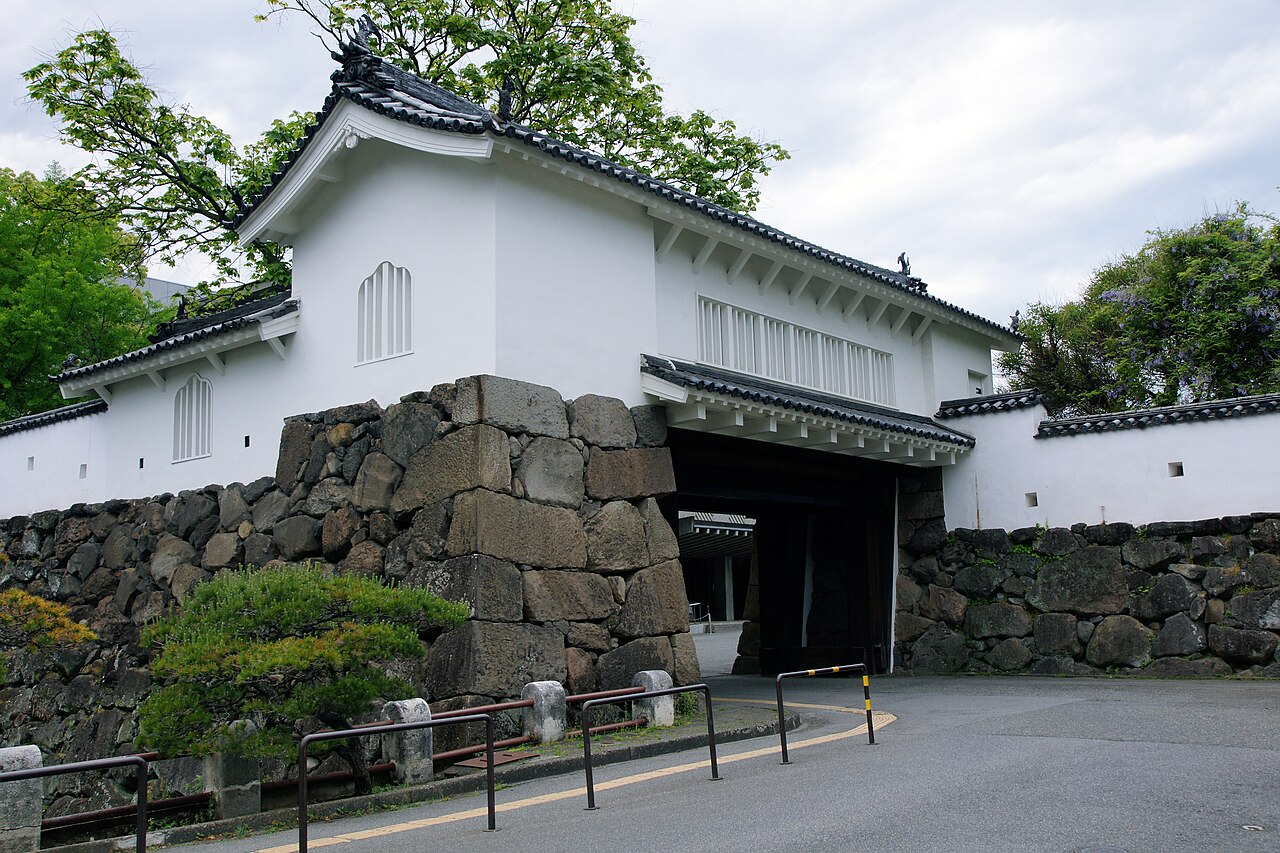
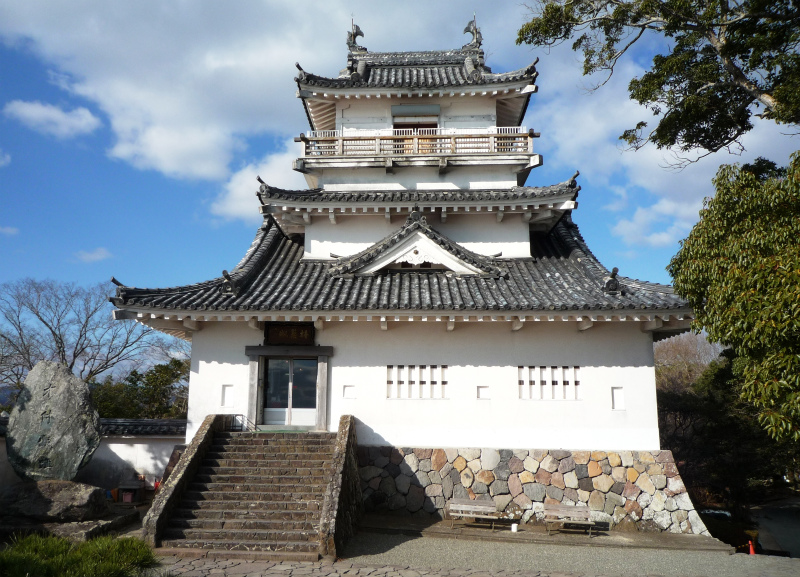
Today, Usuki Castle is classified as partially preserved, with some remnants of its stone walls and earthworks still visible. The site offers visitors a glimpse into Japan's feudal past and the architectural ingenuity of castle builders of the Renaissance period. Efforts have been made to maintain and protect the ruins, allowing for public access and educational opportunities.
The castle grounds provide scenic views of the surrounding landscape, enhancing its appeal as a cultural and historical site. Interpretive signage and local museums contribute to understanding the castle's significance and the broader context of Japanese castle history.
Visiting Usuki Castle
Usuki Castle is accessible to visitors interested in Japanese history, architecture, and culture. The site is open year-round, with the best times to visit during spring and autumn when the natural surroundings are particularly picturesque. Visitors can explore the remaining fortifications, enjoy walking trails, and learn about the castle's role in regional history.
Nearby attractions include the historic streets of Usuki, known for their traditional buildings and samurai residences, offering a comprehensive cultural experience. The castle's location in Ōita Prefecture makes it a worthwhile destination for those exploring Kyushu's rich heritage.
Frequently asked questions (FAQ)
- What is the best time to visit Usuki Castle?
- The best time to visit Usuki Castle is during spring and autumn when the weather is mild and the surrounding scenery is vibrant with cherry blossoms or autumn foliage.
- Is Usuki Castle accessible to the public?
- Yes, Usuki Castle is open to visitors year-round. The site features walking trails and informational signage to help visitors explore the castle ruins and learn about its history.
- What are the main architectural features of Usuki Castle?
- Usuki Castle features typical hill castle characteristics such as multiple baileys, stone walls, earthen fortifications, and a main enclosure located at the highest point for strategic defense.
- Are there any nearby attractions to visit along with Usuki Castle?
- Nearby attractions include the historic streets of Usuki, famous for their traditional samurai residences and well-preserved Edo-period architecture, providing a rich cultural experience.
- When was Usuki Castle built?
- Usuki Castle was constructed in the 16th century during Japan's Renaissance period of castle building, reflecting the military and political climate of the Sengoku era.
Photo gallery

Information
Loading map...
Visitor reviews
No reviews yet. Been here? Write the first review and help other travelers!
Write the first reviewVisited this castle? Share your experience
Your review helps other travelers and adds first-hand knowledge to our encyclopedia.