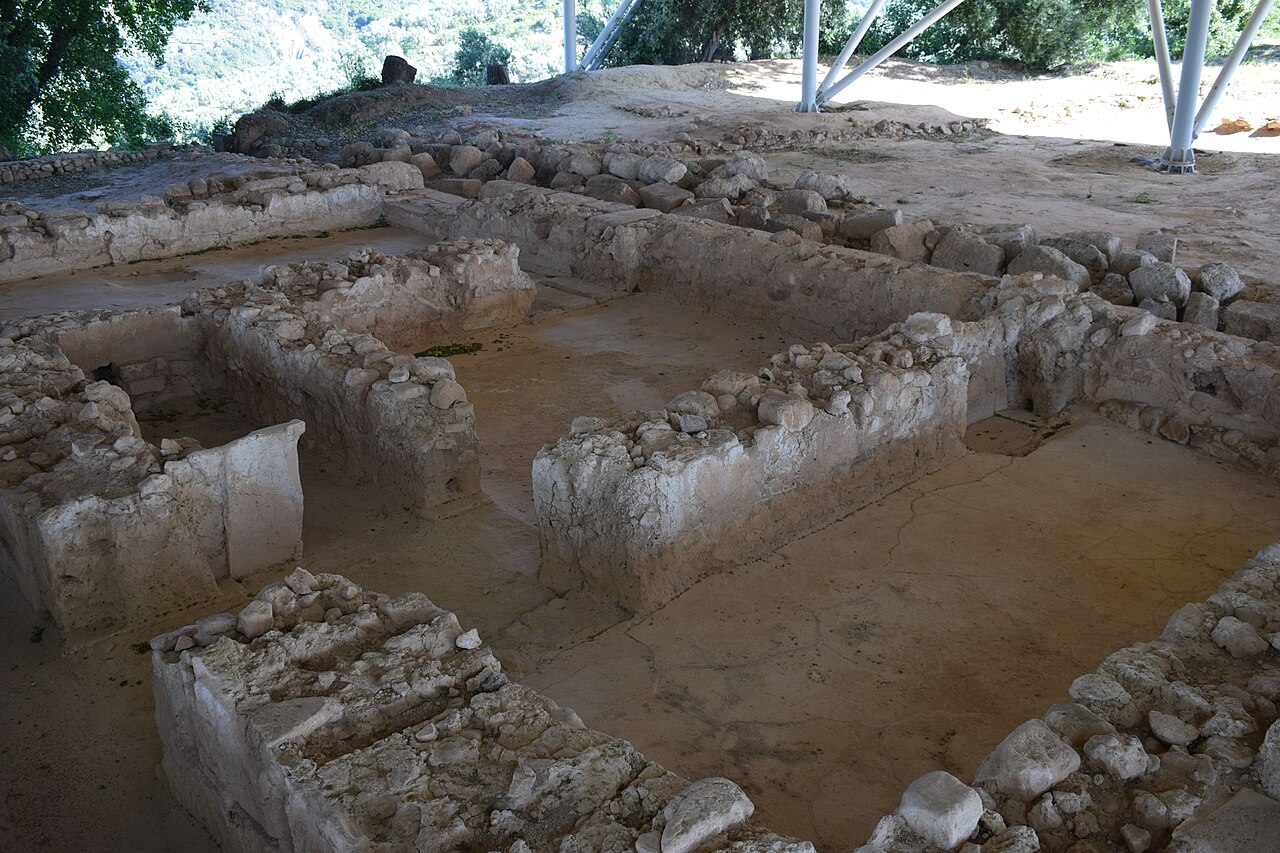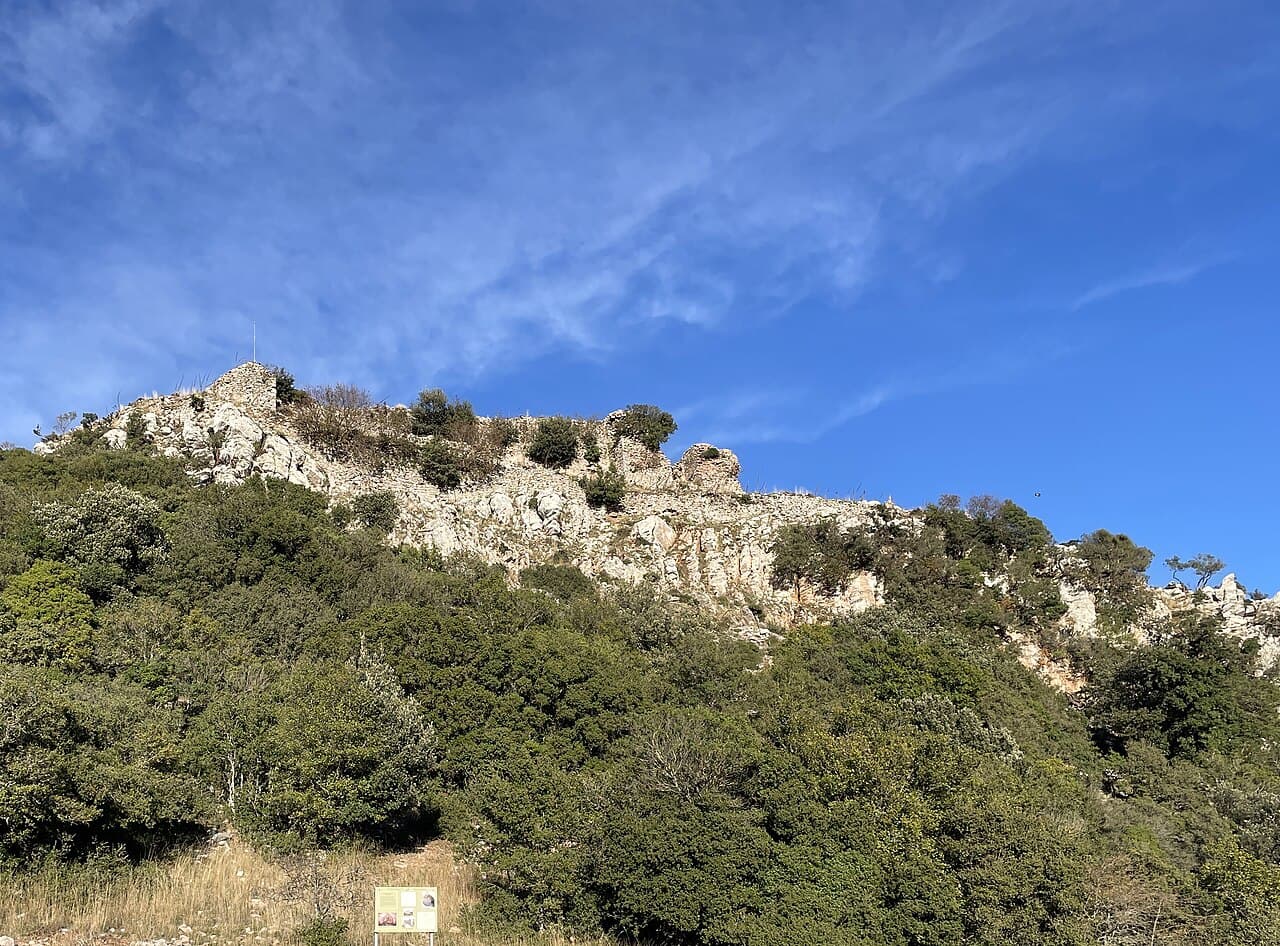
Saflaouro Castle — Greece castle

Saflaouro Castle

Saflaouro castle in greece

Saflaouro Castle is a historic hill castle located in Greece, notable for its strategic position overlooking the surrounding landscape. Although the exact city or town where it stands is not clearly documented, the castle's placement on elevated terrain is typical of medieval fortifications designed to provide defensive advantages and visibility over key routes.

Historical context and significance

While specific historical records about Saflaouro Castle are limited, its classification as a hill castle suggests it played a role in regional defense during the medieval period. Hill castles were commonly constructed between the 11th and 15th centuries across Europe, including Greece, as part of feudal systems and territorial control. The castle likely served as a military stronghold, overseeing trade routes or borders, and provided refuge during times of conflict.

Architectural features and construction

The castle's architecture would typically include stone curtain walls adapted to the uneven terrain of the hill, with defensive battlements and towers positioned to maximize surveillance and protection. Access to the castle was probably controlled by a fortified gatehouse, and the interior may have contained a keep or donjon serving as the last line of defense and residence for the lord or garrison commander.

Given the common features of hill castles in Greece and the broader Mediterranean region, Saflaouro Castle may also have incorporated elements such as cisterns for water storage, essential for withstanding sieges, and possibly a small chapel or religious structure within its walls.

Strategic location and landscape

Positioned on a hill, the castle's location would have been carefully chosen for its commanding views of the surrounding area, enabling early detection of approaching enemies. The natural elevation provided a defensive advantage, making direct assaults more difficult and allowing defenders to use gravity to their benefit when repelling attacks.

The surrounding landscape likely included steep slopes and natural barriers, which, combined with man-made fortifications, enhanced the castle's defensibility. The castle's proximity to trade routes or important settlements would have increased its strategic value in controlling movement and asserting regional power.

Preservation and current condition

Information about the current state of Saflaouro Castle is scarce, but like many medieval hill castles in Greece, it may exist in a state ranging from ruins to partially preserved. These castles often suffer from centuries of weathering, neglect, and sometimes damage from historical conflicts.

Efforts to preserve such sites vary, with some receiving restoration to stabilize structures and promote cultural heritage tourism, while others remain archaeological sites with limited accessibility.

Cultural and heritage importance

Saflaouro Castle represents a piece of Greece's medieval military architecture and feudal history. Castles like Saflaouro contribute to understanding the region's historical landscape, defense strategies, and social organization during the Middle Ages. They also offer valuable insights into construction techniques and adaptations to local geography.

As a heritage site, the castle may attract historians, archaeologists, and visitors interested in medieval history and architecture, although detailed visitor information is not readily available.

Frequently asked questions (FAQ)

What is the best way to reach Saflaouro Castle?
Since the exact location of Saflaouro Castle is not well documented, visitors should seek local guidance or regional tourist information centers in Greece for directions and access details.
When was Saflaouro Castle likely built?
Saflaouro Castle was probably constructed during the medieval period, most likely between the 11th and 15th centuries, based on its classification as a hill castle typical of that era.
Can I visit Saflaouro Castle today?
Current information on visiting Saflaouro Castle is limited, and access may be restricted due to its condition or location. It is advisable to check with local authorities or heritage organizations in Greece for the latest visitor information.
What architectural features does Saflaouro Castle have?
Saflaouro Castle likely features stone curtain walls, battlements, towers, and a fortified gatehouse, common in medieval hill castles designed for defense and surveillance.
Why was Saflaouro Castle built on a hill?
Building on a hill provided strategic advantages such as better visibility of the surrounding area, natural defense against attackers, and control over nearby trade routes or territories.

Photo gallery

Saflaouro Castle
Click to view

Photo by JBradyK•CC BY-SA 3.0

1 photo • Click any image to view in full screen

Information

Hill Castle

Loading map...

Visitor reviews

No reviews yet. Been here? Write the first review and help other travelers!

Write the first review

Visited this castle? Share your experience

Your review helps other travelers and adds first-hand knowledge to our encyclopedia.

Write a review

(5/5)

0/2000 characters

Your review will be visible after admin approval

Nearby castles

14.7 km

Kyparissia Castle

Kyparissia, Greece

Kyparissia Castle is a significant medieval fortress located in the town of Kyparissia, Greece. Constructed in the 13th century by the Frankish Crusaders on the foundations of an earlier Byzantine fortress, the castle occupies a commanding position on a hill that overlooks both the town and the bay. This elevated location made it a strategic watchtower against enemy forces and pirates, providing extensive views across the surrounding landscape and the Ionian Sea. Byzantine origins and Frankish reconstruction Before the Frankish occupation, the site was fortified by the Byzantines, who built four bulwarks at the castle's corners to strengthen its defenses. Today, only one of these bulwarks, known as Ioustinianos after the Byzantine Emperor Justinian, remains preserved. The Frankish conquest of the castle in the 13th century marked a period of extensive remodeling and reinforcement that lasted for about two centuries. The Franks adapted the fortress to their military needs, enhancing its defensive walls and fortifications to secure their hold over the region. Architectural features and defensive structures The castle's layout reflects typical high medieval military architecture with strong defensive walls, towers, and bastions designed to repel sieges and attacks. The remaining structures include sections of the walls, the bulwark of Ioustinianos, and remnants of the castle's cisterns and storehouses. These facilities were vital for sustaining the garrison during prolonged sieges, storing water and provisions. The castle's position on a hilltop provided natural defense advantages, with steep slopes making direct assault difficult for attackers. Ottoman conquest and decline In 1460, the castle fell to the Ottoman Turks, who held it until the early 19th century. During this period, the fortress continued to serve as a military stronghold, although its strategic importance diminished over time. The Greek War of Independence in the 1820s eventually liberated Kyparissia and its castle from Ottoman control. However, the castle suffered significant damage due to battles, neglect, and natural decay over the centuries. Many of the walls, bulwarks, and internal structures were destroyed or fell into ruin. Modern restoration and cultural use In 1970, the Greek government initiated restoration efforts to preserve what remained of Kyparissia Castle. One notable addition was a small open-air theatre constructed within the castle grounds. This venue now hosts various cultural events such as musical concerts, poetry readings, and performances of ancient Greek tragedies. Visitors to the castle can also enjoy panoramic views of the bay and town, with a refreshment stand available during the summer months to enhance the visitor experience. Visiting Kyparissia Castle today Today, the castle stands as a partially preserved monument reflecting the layered history of Frankish, Byzantine, and Ottoman influences in the region. Visitors can explore the surviving fortifications and appreciate the strategic significance of the site. The combination of historical architecture and cultural activities makes Kyparissia Castle a notable destination for those interested in medieval history and Greek heritage.

High Medieval (11th–13th c.)
Details
19.7 km
Palace of Nestor — Greece castle

Palace of Nestor

Chora, Greece

The Palace of Nestor, located in the region of Messenia in southwestern Greece, stands as the most complete and best preserved Mycenaean palace ever discovered. This archaeological site is traditionally identified with the palace of the Homeric king Nestor, who is mentioned prominently in the Homeric epics, the Odyssey and the Iliad. The palace is situated near the modern town of Chora, close to the historic site of Pylos, often referred to as "sandy Pylos" in ancient texts. It dates back to the Late Bronze Age, specifically the 13th century BC, during the Late Helladic period. Architectural layout and features The Palace of Nestor was a complex, multi-functional structure that served as an administrative, residential, and ceremonial center. The palace was a two-storey building featuring numerous specialized rooms, including storerooms that held vast quantities of oil, wine, and grain, as well as workshops for artisans. It also contained baths, light wells to illuminate interior spaces, and a sophisticated sewage system that demonstrated advanced engineering for its time. The palace's central feature was the megaron hall, a large rectangular audience chamber with a hearth in the center, surrounded by four columns and an anteroom. This hall was the focal point for administrative and ceremonial activities and exemplifies Mycenaean architectural design. The palace was likely surrounded by a fortified wall, indicating its importance and the need for defense. Historical context and significance The site was inhabited for several centuries, with the majority of artifacts dating from around 1300 BC. The palace played a crucial role in the political and economic life of the Mycenaean civilization in the Peloponnese. It was a hub for trade, administration, and military planning. The palace's archives included thousands of clay tablets inscribed in the Linear B script, the earliest known form of Greek writing, which provide invaluable insights into Mycenaean bureaucracy, economy, and society. The palace met its destruction around 1250 BC, likely due to a massive fire, which ended its use as a royal residence. This destruction coincides with a period of widespread upheaval in the Late Bronze Age Aegean, which saw the decline of many Mycenaean centers. Archaeological discovery and preservation The Palace of Nestor was excavated extensively in the 20th century, beginning in the 1930s, by archaeologist Carl Blegen. His work uncovered the palace's complex layout, the Linear B tablets, and a wealth of artifacts including pottery, frescoes, and tools. These findings have been instrumental in understanding Mycenaean culture and the early history of Greece. In recent years, preservation efforts have focused on protecting the site from environmental damage. In June 2016, the palace reopened to the public after a modern roof structure was installed, along with raised walkways that allow visitors to explore the ruins while minimizing impact. The site is managed carefully to balance archaeological conservation with tourism. Cultural legacy and visitor experience The Palace of Nestor is a key destination for those interested in ancient Greek history and archaeology. It offers a rare glimpse into the Mycenaean civilization, which laid the foundations for classical Greece. Visitors can see the remains of the palace's walls, storerooms, and the famed megaron, as well as the surrounding settlement area. The site also provides educational opportunities to learn about ancient administrative systems, early writing, and Bronze Age architecture. Its connection to Homeric legend adds a layer of mythic significance, making it a compelling site for both scholars and tourists alike.

High Medieval (11th–13th c.)
Details
20.3 km

Castle of Agrili

Agrilos, Greece

Located along the scenic Western coast of Greece near the town of Agrilos, the Abandoned Fairytale Castle of Agrili stands as a unique architectural curiosity blending modern creativity with mythic inspiration. Built in the 1960s, this castle is unlike traditional medieval fortresses, instead embodying a whimsical, eclectic style that evokes the spirit of fairy tales and ancient legends. It offers visitors a surreal experience where the realms of knights, maidens, and mythical creatures seem to come alive alongside echoes of Ancient Greek mythology. The castle’s origin is closely tied to Harry Fournier, a U.S.-born surgeon of Greek descent who returned to his ancestral home in Filiatra after a successful medical career in Chicago. Upon retirement, Fournier sought to enrich his hometown and its surroundings with cultural landmarks that would celebrate both his heritage and a sense of fantasy. His vision materialized in several public installations, including an 85-foot wrought-iron Eiffel Tower replica marking the city’s entrance, a large metal Geographical Globe outside the local high school, and the captivating Fairytale Castle by the sea in Agrilos. Architectural character and design The Fairytale Castle of Agrili is not a fortress built for defense or residence but rather a monumental artistic statement. Its design incorporates fanciful elements reminiscent of storybook castles, with turrets, towers, and ornamental ironwork that create a playful silhouette against the coastal landscape. The castle’s construction primarily uses wrought iron and other metals fashioned into intricate shapes, lending it a delicate yet striking appearance. Though often described as "tacky" by some visitors, the castle’s charm lies in its bold departure from traditional architectural norms. It blends modern materials with motifs drawn from medieval and mythical imagery, creating a hybrid style that is both nostalgic and imaginative. The castle’s location by the sea enhances its fairy-tale aura, as the waves and sky provide a dramatic backdrop to the iron structures. Historical context and cultural significance The castle’s construction in the 1960s places it firmly in the post-war modern era, a period when Greece was rebuilding and redefining its cultural identity. Fournier’s contributions reflect a personal and philanthropic desire to connect the diaspora with their roots through public art and landmarks. By integrating references to both Greek heritage and universal fairy-tale themes, the castle serves as a cultural bridge and a symbol of imaginative freedom. Though it never functioned as a traditional castle, the site has become a local landmark and a point of interest for tourists exploring the Western Peloponnese. Its abandonment adds to its mystique, attracting photographers, artists, and travelers intrigued by its unusual story and appearance. Visitor experience and accessibility Visitors to the Fairytale Castle of Agrili can explore the grounds freely, although the structure is not maintained as a formal museum or heritage site. The castle’s coastal setting offers beautiful views of the Ionian Sea and opportunities for photography. Its proximity to other cultural landmarks in Filiatra makes it a worthwhile detour for those interested in eclectic architecture and local history. While there are no official opening hours or ticket prices, the site is accessible year-round. Visitors should be aware that the castle is in an abandoned state, so caution is advised when exploring the ironwork and surrounding areas. Legacy and preservation challenges The Abandoned Fairytale Castle of Agrili stands as a testament to individual vision and cultural philanthropy. However, its unorthodox materials and seaside location expose it to corrosion and decay. Without formal preservation efforts, the castle risks further deterioration, which would result in the loss of this unique piece of modern cultural heritage. Local interest in maintaining the site has been sporadic, and its future remains uncertain. Nonetheless, the castle continues to inspire curiosity and wonder, embodying a rare fusion of personal history, artistic expression, and mythic storytelling on the Greek coast.

Post-Renaissance (17th–18th c.)
Details