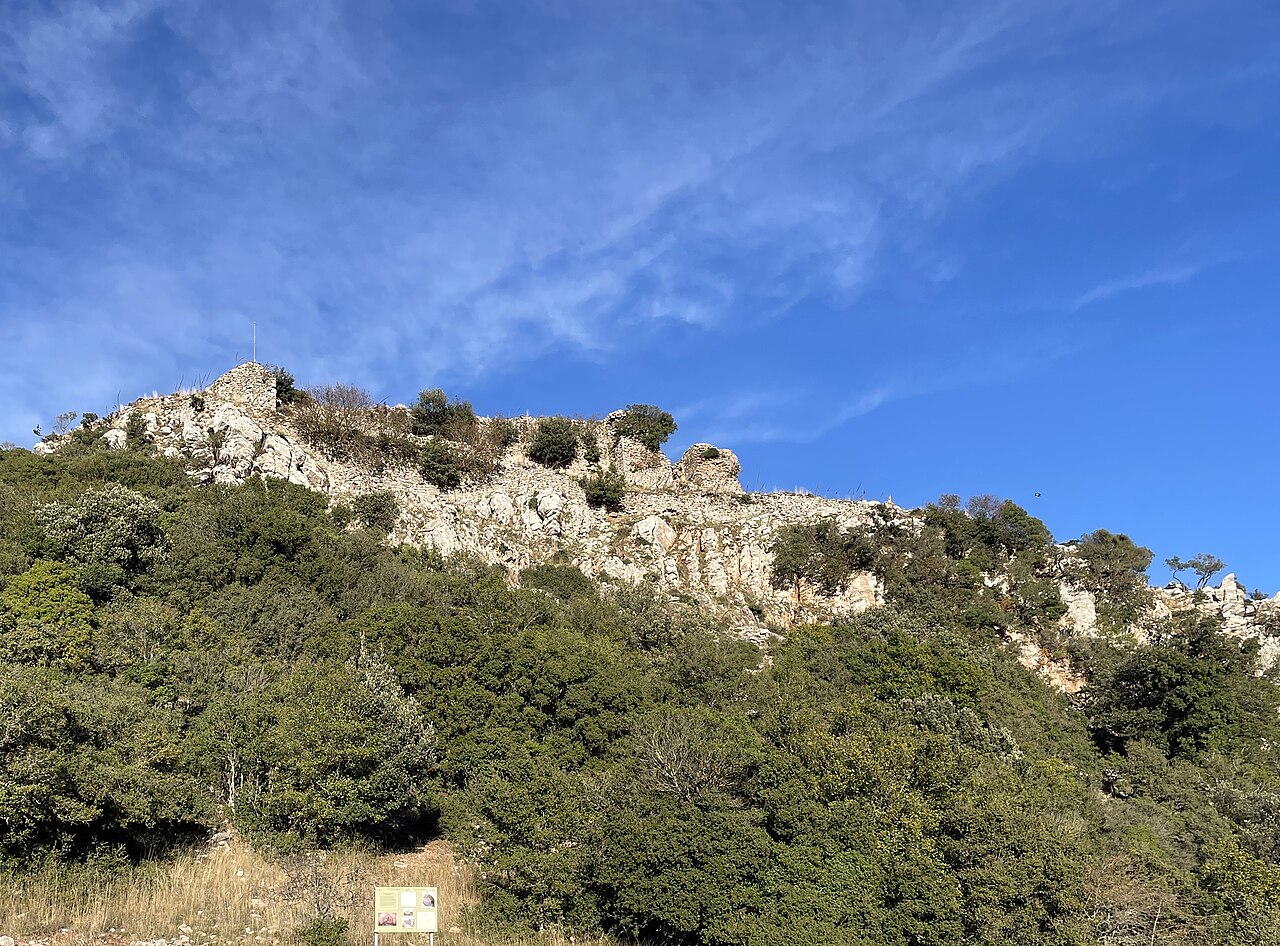
Located along the scenic Western coast of Greece near the town of Agrilos, the Abandoned Fairytale Castle of Agrili stands as a unique architectural curiosity blending modern creativity with mythic inspiration. Built in the 1960s, this castle is unlike traditional medieval fortresses, instead embodying a whimsical, eclectic style that evokes the spirit of fairy tales and ancient legends. It offers visitors a surreal experience where the realms of knights, maidens, and mythical creatures seem to come alive alongside echoes of Ancient Greek mythology.
The castle’s origin is closely tied to Harry Fournier, a U.S.-born surgeon of Greek descent who returned to his ancestral home in Filiatra after a successful medical career in Chicago. Upon retirement, Fournier sought to enrich his hometown and its surroundings with cultural landmarks that would celebrate both his heritage and a sense of fantasy. His vision materialized in several public installations, including an 85-foot wrought-iron Eiffel Tower replica marking the city’s entrance, a large metal Geographical Globe outside the local high school, and the captivating Fairytale Castle by the sea in Agrilos.
Architectural character and design
The Fairytale Castle of Agrili is not a fortress built for defense or residence but rather a monumental artistic statement. Its design incorporates fanciful elements reminiscent of storybook castles, with turrets, towers, and ornamental ironwork that create a playful silhouette against the coastal landscape. The castle’s construction primarily uses wrought iron and other metals fashioned into intricate shapes, lending it a delicate yet striking appearance.
Though often described as "tacky" by some visitors, the castle’s charm lies in its bold departure from traditional architectural norms. It blends modern materials with motifs drawn from medieval and mythical imagery, creating a hybrid style that is both nostalgic and imaginative. The castle’s location by the sea enhances its fairy-tale aura, as the waves and sky provide a dramatic backdrop to the iron structures.
Historical context and cultural significance
The castle’s construction in the 1960s places it firmly in the post-war modern era, a period when Greece was rebuilding and redefining its cultural identity. Fournier’s contributions reflect a personal and philanthropic desire to connect the diaspora with their roots through public art and landmarks. By integrating references to both Greek heritage and universal fairy-tale themes, the castle serves as a cultural bridge and a symbol of imaginative freedom.
Though it never functioned as a traditional castle, the site has become a local landmark and a point of interest for tourists exploring the Western Peloponnese. Its abandonment adds to its mystique, attracting photographers, artists, and travelers intrigued by its unusual story and appearance.
Visitor experience and accessibility
Visitors to the Fairytale Castle of Agrili can explore the grounds freely, although the structure is not maintained as a formal museum or heritage site. The castle’s coastal setting offers beautiful views of the Ionian Sea and opportunities for photography. Its proximity to other cultural landmarks in Filiatra makes it a worthwhile detour for those interested in eclectic architecture and local history.
While there are no official opening hours or ticket prices, the site is accessible year-round. Visitors should be aware that the castle is in an abandoned state, so caution is advised when exploring the ironwork and surrounding areas.
Legacy and preservation challenges
The Abandoned Fairytale Castle of Agrili stands as a testament to individual vision and cultural philanthropy. However, its unorthodox materials and seaside location expose it to corrosion and decay. Without formal preservation efforts, the castle risks further deterioration, which would result in the loss of this unique piece of modern cultural heritage.
Local interest in maintaining the site has been sporadic, and its future remains uncertain. Nonetheless, the castle continues to inspire curiosity and wonder, embodying a rare fusion of personal history, artistic expression, and mythic storytelling on the Greek coast.
Frequently asked questions (FAQ)
- How do I get to the Fairytale Castle of Agrili?
- The castle is located near Agrilos on the Western coast of Greece. Visitors can reach it by car from Olympia or Pylos, with local roads leading to the site. There is parking nearby, but public transport options are limited.
- What is the history behind the Fairytale Castle of Agrili?
- The castle was built in the 1960s by Harry Fournier, a U.S.-born surgeon of Greek descent, who wanted to create cultural landmarks in his ancestral region. It is a whimsical structure inspired by fairy tales and Greek mythology, rather than a historical fortress.
- Is the castle open to visitors?
- Yes, the castle is accessible to visitors year-round as it is an open site without formal opening hours or entrance fees. However, it is abandoned and not maintained as a museum, so visitors should exercise caution while exploring.
- What architectural style is the Fairytale Castle of Agrili?
- The castle features a mixed architectural style, combining modern materials like wrought iron with fairy-tale motifs and medieval-inspired elements. It is considered an eclectic and unique artistic creation rather than a traditional architectural style.
- Are there any other landmarks by Harry Fournier in the area?
- Yes, Harry Fournier also created an 85-foot wrought-iron replica of the Eiffel Tower at the entrance to Filiatra and a metal Geographical Globe outside the local high school, showcasing his dedication to cultural philanthropy.
Information
Current owner
Private owner
Loading map...
Visitor reviews
No reviews yet. Been here? Write the first review and help other travelers!
Write the first reviewVisited this castle? Share your experience
Your review helps other travelers and adds first-hand knowledge to our encyclopedia.