Palace of Nestor
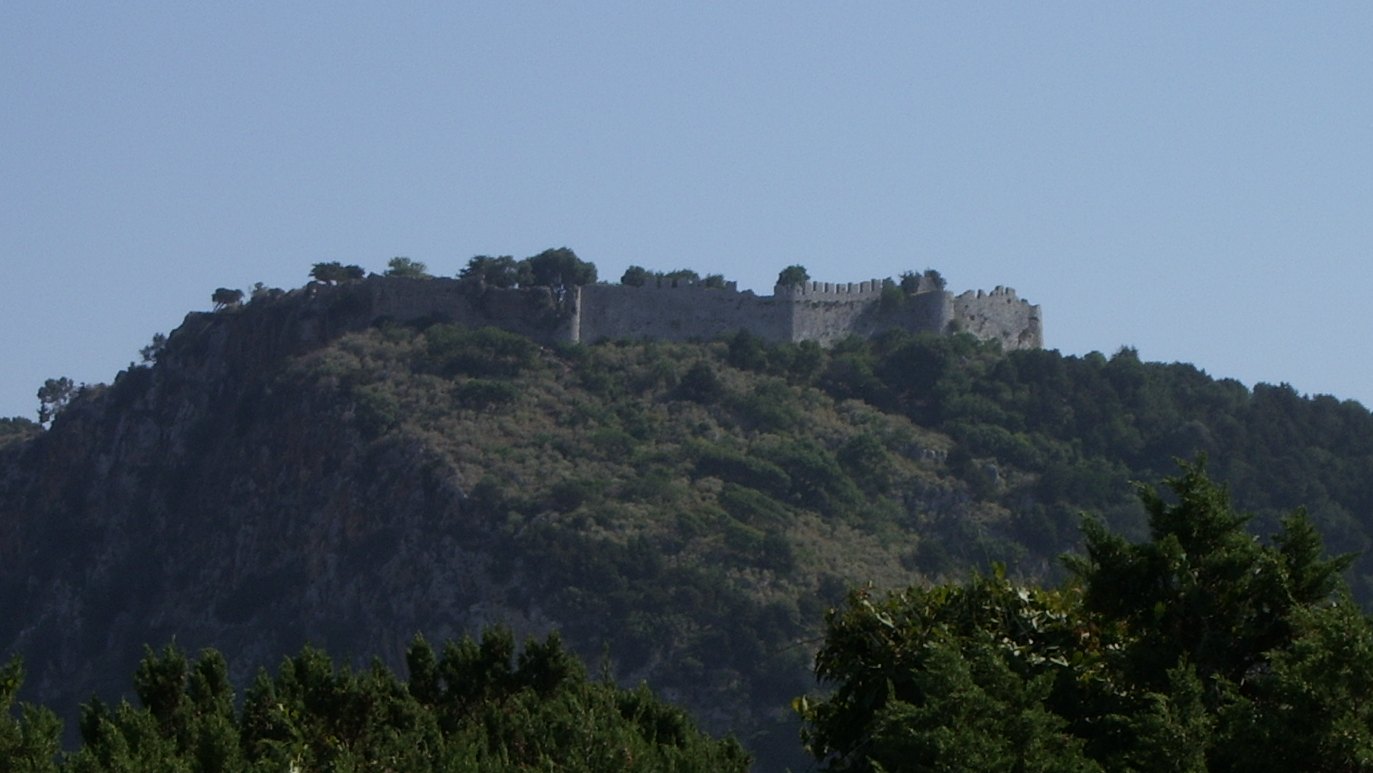
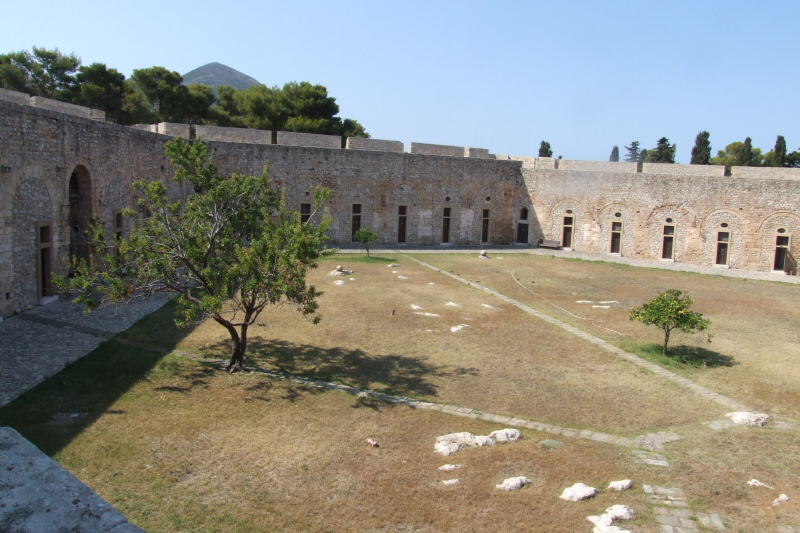
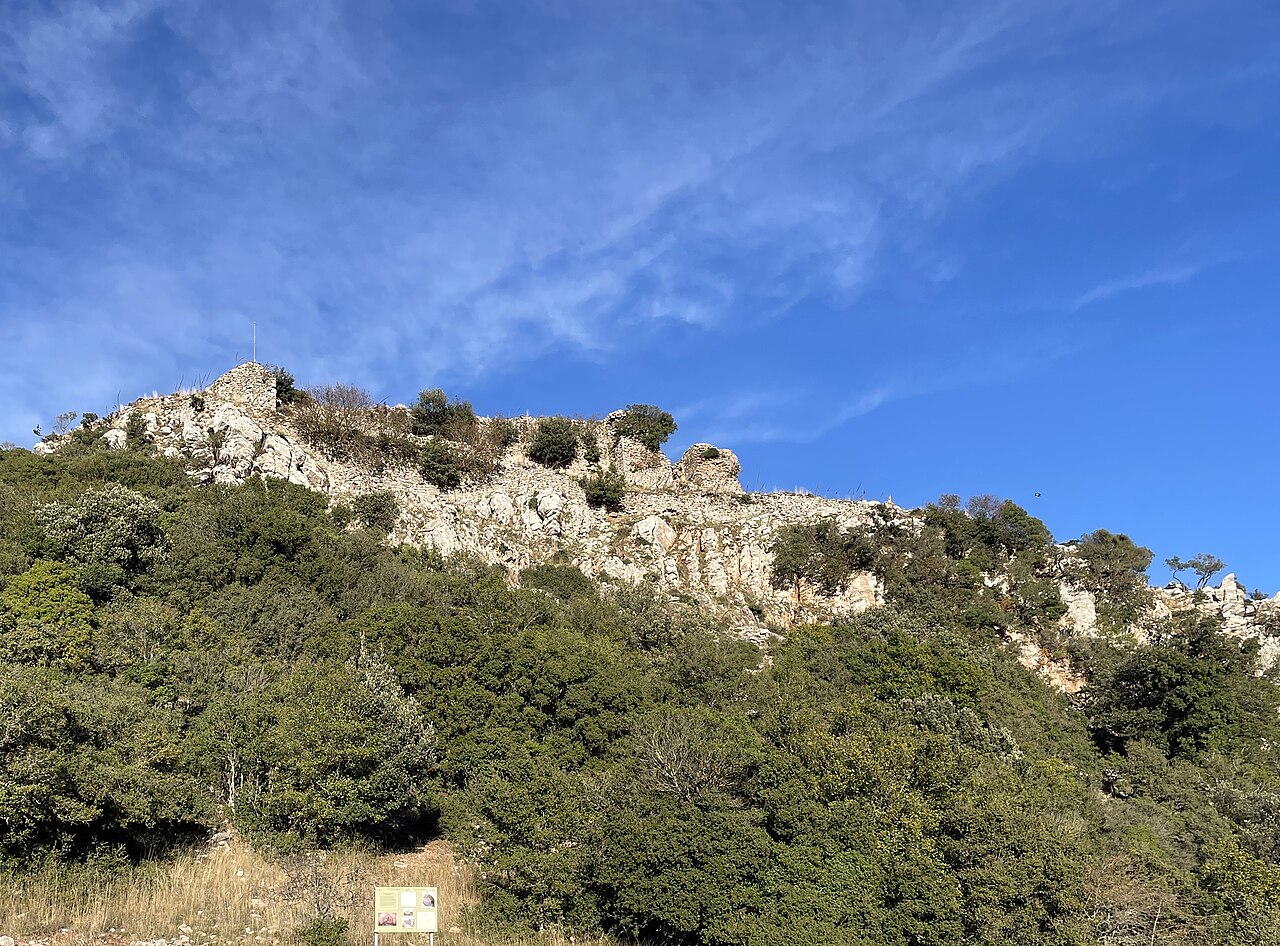
The Palace of Nestor, located in the region of Messenia in southwestern Greece, stands as the most complete and best preserved Mycenaean palace ever discovered. This archaeological site is traditionally identified with the palace of the Homeric king Nestor, who is mentioned prominently in the Homeric epics, the Odyssey and the Iliad. The palace is situated near the modern town of Chora, close to the historic site of Pylos, often referred to as "sandy Pylos" in ancient texts. It dates back to the Late Bronze Age, specifically the 13th century BC, during the Late Helladic period.
Architectural layout and features
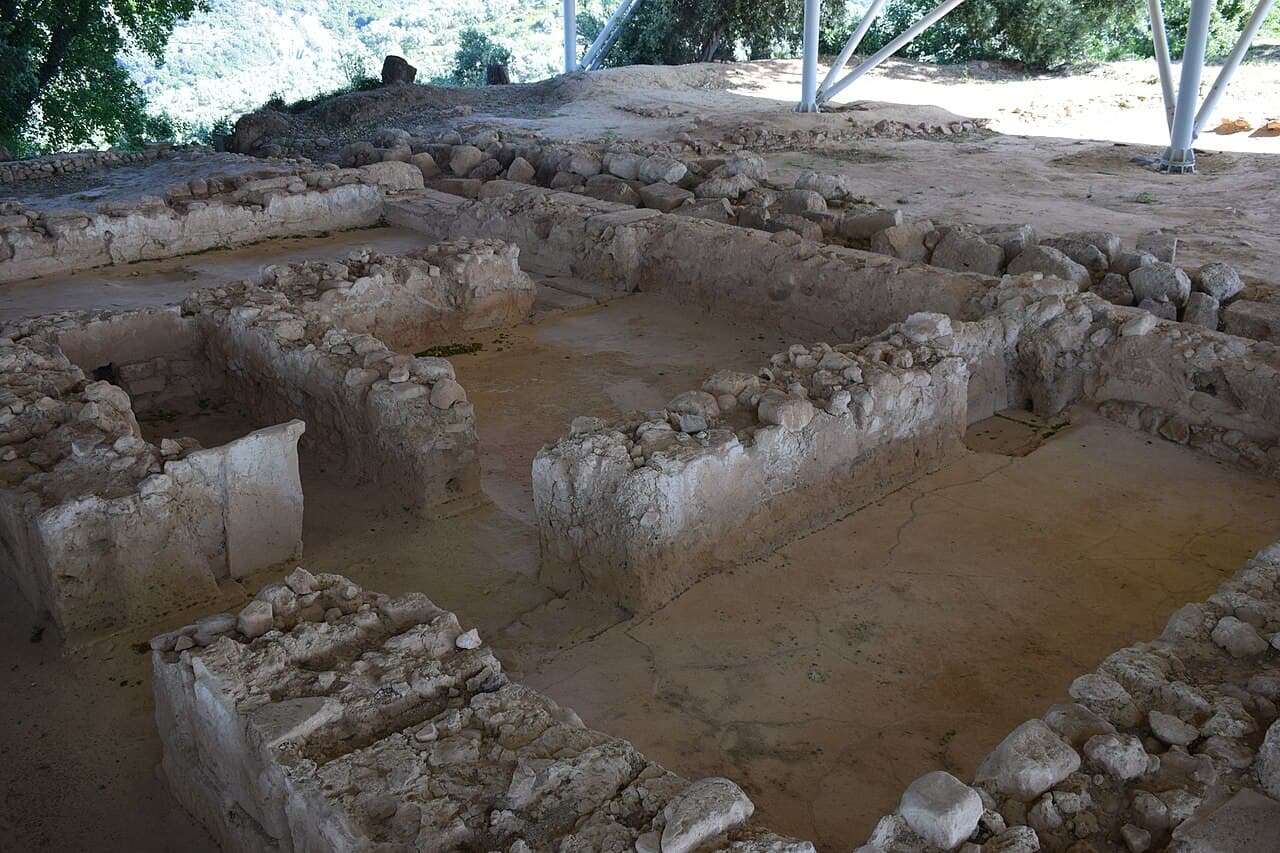
The Palace of Nestor was a complex, multi-functional structure that served as an administrative, residential, and ceremonial center. The palace was a two-storey building featuring numerous specialized rooms, including storerooms that held vast quantities of oil, wine, and grain, as well as workshops for artisans. It also contained baths, light wells to illuminate interior spaces, and a sophisticated sewage system that demonstrated advanced engineering for its time.
The palace's central feature was the megaron hall, a large rectangular audience chamber with a hearth in the center, surrounded by four columns and an anteroom. This hall was the focal point for administrative and ceremonial activities and exemplifies Mycenaean architectural design. The palace was likely surrounded by a fortified wall, indicating its importance and the need for defense.
Historical context and significance
The site was inhabited for several centuries, with the majority of artifacts dating from around 1300 BC. The palace played a crucial role in the political and economic life of the Mycenaean civilization in the Peloponnese. It was a hub for trade, administration, and military planning. The palace's archives included thousands of clay tablets inscribed in the Linear B script, the earliest known form of Greek writing, which provide invaluable insights into Mycenaean bureaucracy, economy, and society.
The palace met its destruction around 1250 BC, likely due to a massive fire, which ended its use as a royal residence. This destruction coincides with a period of widespread upheaval in the Late Bronze Age Aegean, which saw the decline of many Mycenaean centers.
Archaeological discovery and preservation
The Palace of Nestor was excavated extensively in the 20th century, beginning in the 1930s, by archaeologist Carl Blegen. His work uncovered the palace's complex layout, the Linear B tablets, and a wealth of artifacts including pottery, frescoes, and tools. These findings have been instrumental in understanding Mycenaean culture and the early history of Greece.
In recent years, preservation efforts have focused on protecting the site from environmental damage. In June 2016, the palace reopened to the public after a modern roof structure was installed, along with raised walkways that allow visitors to explore the ruins while minimizing impact. The site is managed carefully to balance archaeological conservation with tourism.
Cultural legacy and visitor experience
The Palace of Nestor is a key destination for those interested in ancient Greek history and archaeology. It offers a rare glimpse into the Mycenaean civilization, which laid the foundations for classical Greece. Visitors can see the remains of the palace's walls, storerooms, and the famed megaron, as well as the surrounding settlement area.
The site also provides educational opportunities to learn about ancient administrative systems, early writing, and Bronze Age architecture. Its connection to Homeric legend adds a layer of mythic significance, making it a compelling site for both scholars and tourists alike.
Frequently asked questions (FAQ)
- When was the Palace of Nestor built?
- The Palace of Nestor was constructed in the 13th century BC during the Late Helladic period of the Mycenaean civilization.
- What architectural features does the palace have?
- The palace includes storerooms, workshops, baths, light wells, a sewage system, and a central megaron hall with a hearth and columns.
- Is the Palace of Nestor open to visitors?
- Yes, the site is open daily from 8:00 to 20:00, with a modern roof and raised walkways to facilitate visitor access while protecting the ruins.
- What is the significance of the Linear B tablets found at the site?
- The Linear B tablets found at the palace provide the earliest evidence of Greek writing and offer valuable insights into Mycenaean administration and economy.
- How was the palace destroyed?
- The palace was destroyed by a major fire around 1250 BC, which ended its use as a royal residence during a period of widespread Late Bronze Age upheaval.
Photo gallery

Information
Opening hours
8:00-20:00, daily
Ticket prices
€8 adult, €4 child
Current owner
Greek Ministry of Culture
Loading map...
Visitor reviews
No reviews yet. Been here? Write the first review and help other travelers!
Write the first reviewVisited this castle? Share your experience
Your review helps other travelers and adds first-hand knowledge to our encyclopedia.