Kyparissia Castle
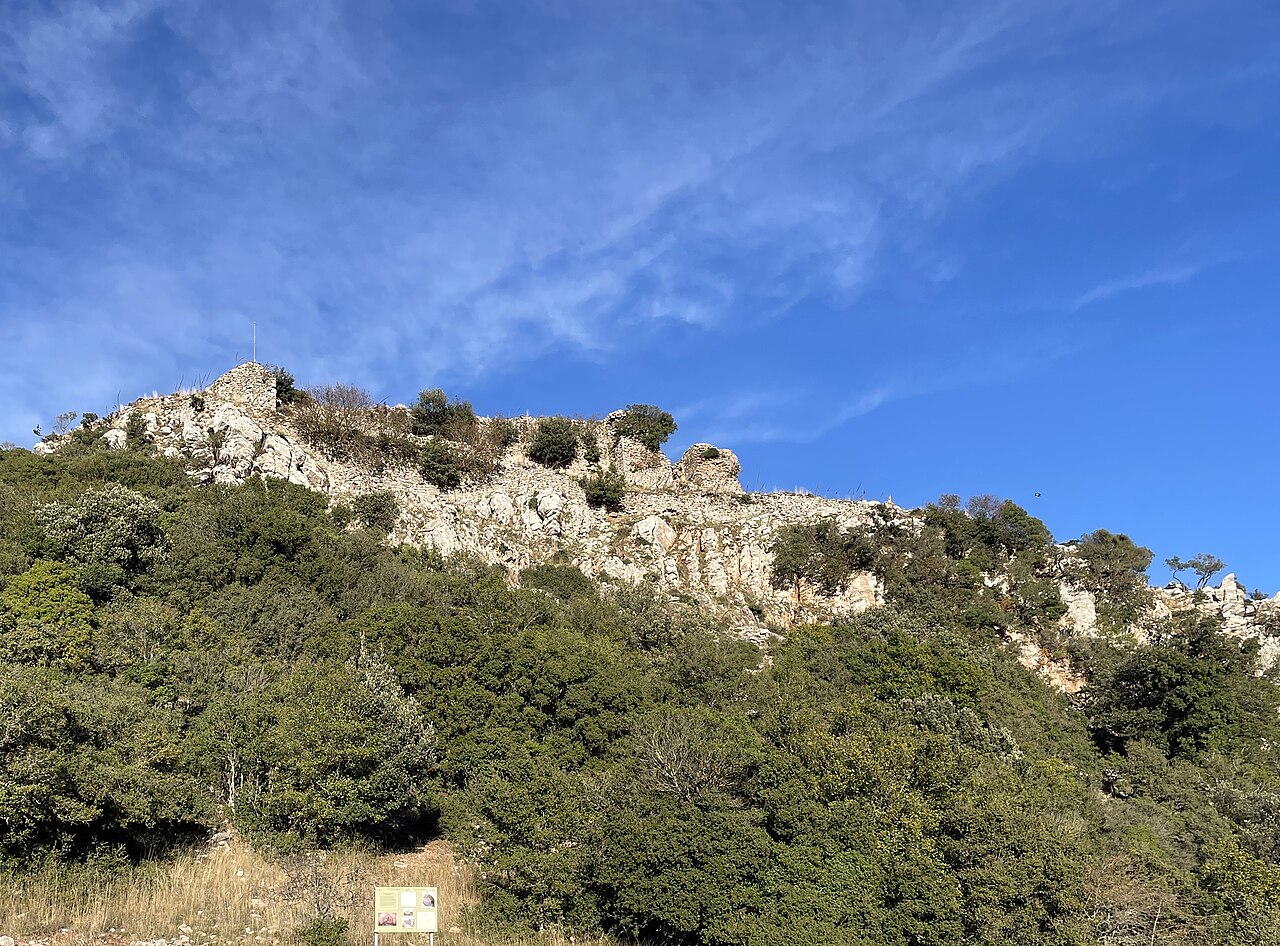
Kyparissia Castle is a significant medieval fortress located in the town of Kyparissia, Greece. Constructed in the 13th century by the Frankish Crusaders on the foundations of an earlier Byzantine fortress, the castle occupies a commanding position on a hill that overlooks both the town and the bay. This elevated location made it a strategic watchtower against enemy forces and pirates, providing extensive views across the surrounding landscape and the Ionian Sea.
Byzantine origins and Frankish reconstruction
Before the Frankish occupation, the site was fortified by the Byzantines, who built four bulwarks at the castle's corners to strengthen its defenses. Today, only one of these bulwarks, known as Ioustinianos after the Byzantine Emperor Justinian, remains preserved. The Frankish conquest of the castle in the 13th century marked a period of extensive remodeling and reinforcement that lasted for about two centuries. The Franks adapted the fortress to their military needs, enhancing its defensive walls and fortifications to secure their hold over the region.
Architectural features and defensive structures
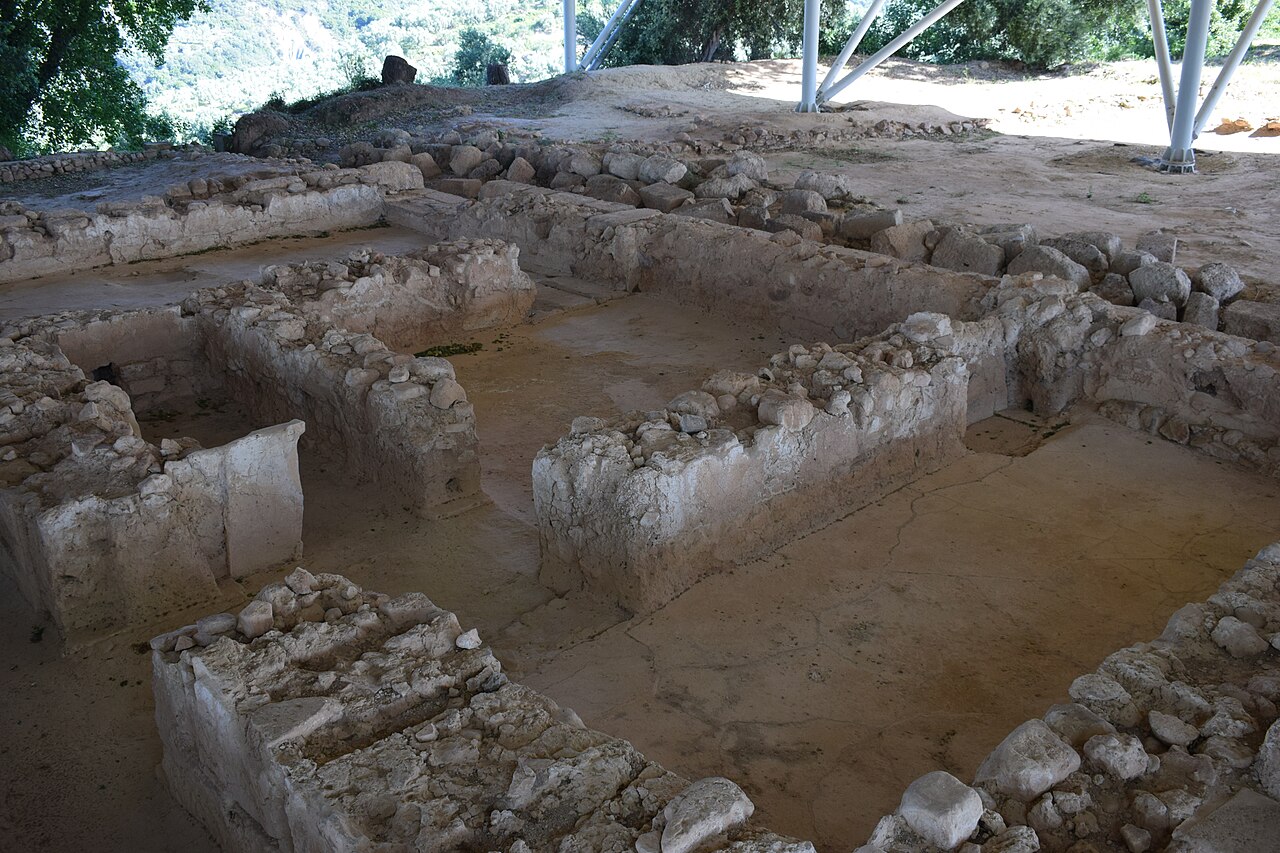
The castle's layout reflects typical high medieval military architecture with strong defensive walls, towers, and bastions designed to repel sieges and attacks. The remaining structures include sections of the walls, the bulwark of Ioustinianos, and remnants of the castle's cisterns and storehouses. These facilities were vital for sustaining the garrison during prolonged sieges, storing water and provisions. The castle's position on a hilltop provided natural defense advantages, with steep slopes making direct assault difficult for attackers.
Ottoman conquest and decline
In 1460, the castle fell to the Ottoman Turks, who held it until the early 19th century. During this period, the fortress continued to serve as a military stronghold, although its strategic importance diminished over time. The Greek War of Independence in the 1820s eventually liberated Kyparissia and its castle from Ottoman control. However, the castle suffered significant damage due to battles, neglect, and natural decay over the centuries. Many of the walls, bulwarks, and internal structures were destroyed or fell into ruin.
Modern restoration and cultural use
In 1970, the Greek government initiated restoration efforts to preserve what remained of Kyparissia Castle. One notable addition was a small open-air theatre constructed within the castle grounds. This venue now hosts various cultural events such as musical concerts, poetry readings, and performances of ancient Greek tragedies. Visitors to the castle can also enjoy panoramic views of the bay and town, with a refreshment stand available during the summer months to enhance the visitor experience.
Visiting Kyparissia Castle today
Today, the castle stands as a partially preserved monument reflecting the layered history of Frankish, Byzantine, and Ottoman influences in the region. Visitors can explore the surviving fortifications and appreciate the strategic significance of the site. The combination of historical architecture and cultural activities makes Kyparissia Castle a notable destination for those interested in medieval history and Greek heritage.
Frequently asked questions (FAQ)
- When was Kyparissia Castle built and by whom?
- Kyparissia Castle was built in the 13th century by Frankish Crusaders on the site of an earlier Byzantine fortress.
- What remains of the original Byzantine fortifications at Kyparissia Castle?
- Only one of the four Byzantine bulwarks, named Ioustinianos, remains preserved today at Kyparissia Castle.
- What is the current condition of Kyparissia Castle?
- The castle is partially preserved, with many walls and structures damaged or ruined due to battles and natural decay.
- Are there any cultural events held at Kyparissia Castle?
- Yes, an open-air theatre within the castle hosts musical concerts, poetry nights, and ancient tragedy performances, especially in summer.
- Why was Kyparissia Castle strategically important?
- Its hilltop location overlooking the town and bay made it a vital watchpost against enemies and pirates throughout its history.
Information
Loading map...
Visitor reviews
No reviews yet. Been here? Write the first review and help other travelers!
Write the first reviewVisited this castle? Share your experience
Your review helps other travelers and adds first-hand knowledge to our encyclopedia.